
How Does Biodegradable Weed Barrier Fabric Improve Sustainable Weed Control?
Article Summary
Managing weeds has always been a major challenge in agriculture, landscaping, gardening, and environmental restoration projects. Traditional plastic weed control membranes can effectively suppress unwanted plants, but they often create long-term environmental problems because they are difficult to remove and may leave plastic residues in soil. Biodegradable weed barrier fabric provides a more sustainable solution by combining effective weed suppression with natural decomposition. This innovative material helps growers reduce chemical herbicide use, improve soil conditions, and support environmentally responsible land management.
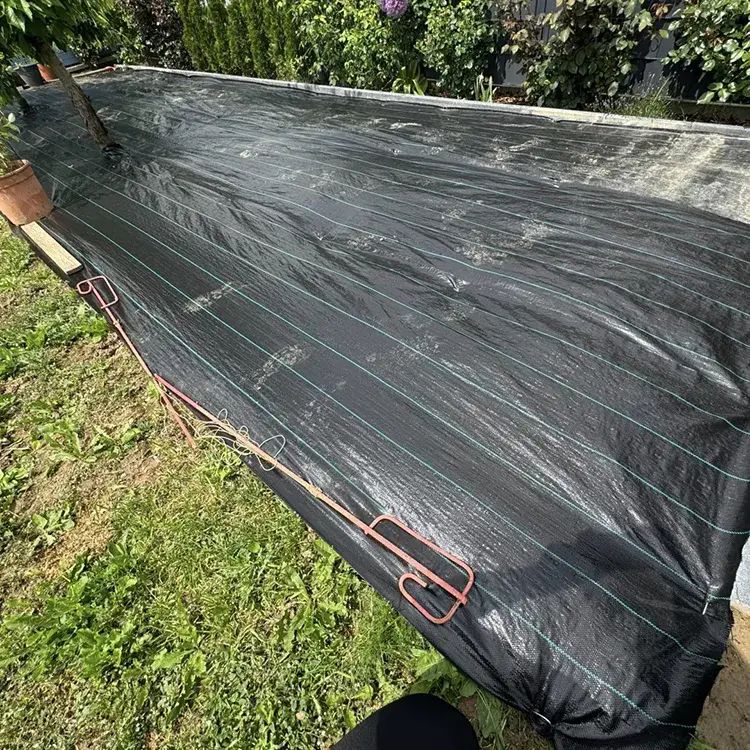
This article explains how biodegradable weed barrier fabric works, why it is becoming an important alternative to conventional weed control products, how to select the right fabric, and how Tongfu provides reliable solutions for different agricultural and landscaping applications.
Table of Contents
- 1. What Is Biodegradable Weed Barrier Fabric?
- 2. How Does Biodegradable Weed Barrier Fabric Work?
- 3. What Are the Main Advantages of Using Biodegradable Weed Barrier Fabric?
- 4. Where Can Biodegradable Weed Barrier Fabric Be Used?
- 5. How to Choose the Right Biodegradable Weed Barrier Fabric?
- 6. Biodegradable Weed Barrier Fabric vs Traditional Weed Control Methods
- 7. How to Install Biodegradable Weed Barrier Fabric Correctly?
- 8. Why Choose Tongfu for Biodegradable Weed Barrier Fabric Solutions?
- 9. Frequently Asked Questions
1. What Is Biodegradable Weed Barrier Fabric?
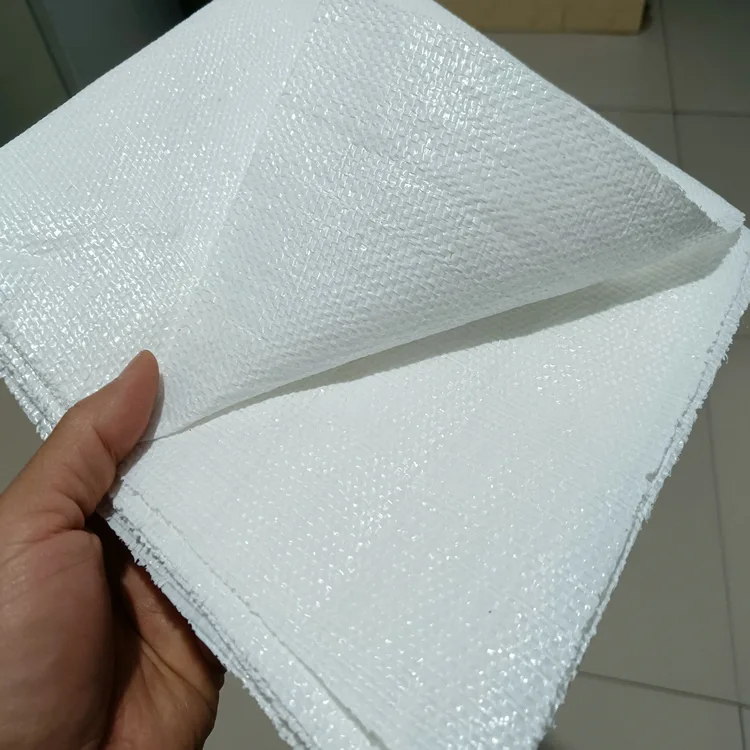
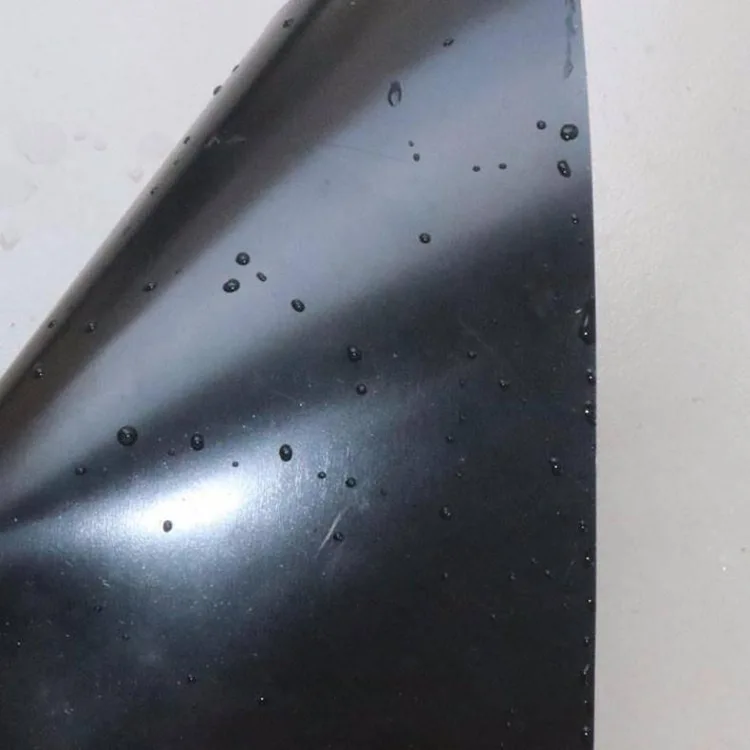
Biodegradable weed barrier fabric is an environmentally friendly ground cover material designed to control weed growth while gradually breaking down into natural components after completing its service life. Unlike conventional plastic weed mats, biodegradable fabrics are manufactured from renewable or biodegradable fibers that can decompose under suitable environmental conditions.
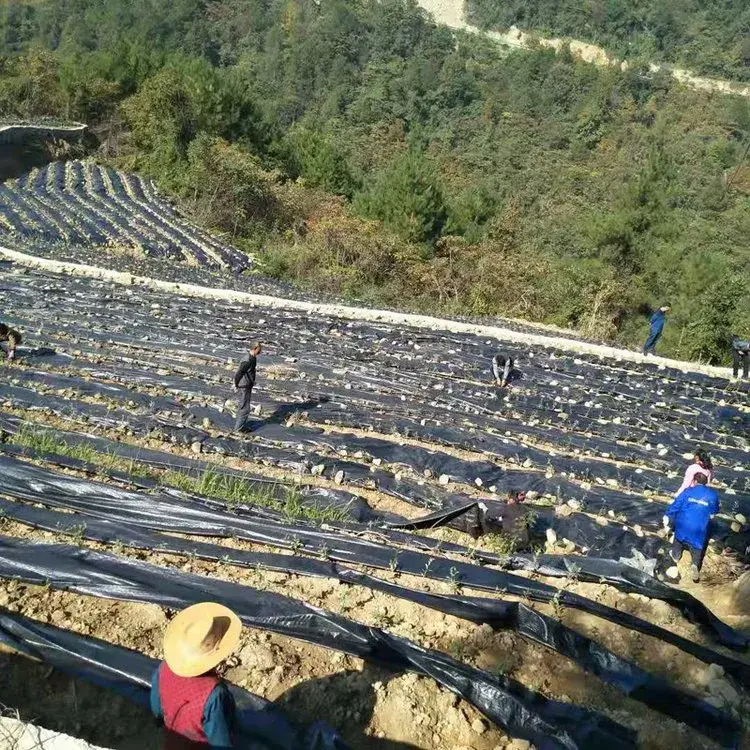
The main purpose of this fabric is to create a physical barrier between sunlight and weed seeds. Without enough light exposure, weeds have difficulty growing through the surface layer. At the same time, the fabric allows water, air, and nutrients to pass through, maintaining healthier soil conditions for crops and plants.
Tongfu develops biodegradable weed barrier fabric solutions that are designed to meet the needs of modern agriculture, landscaping, and ecological projects. The products focus on balancing effective weed management with environmental sustainability.
2. How Does Biodegradable Weed Barrier Fabric Work?
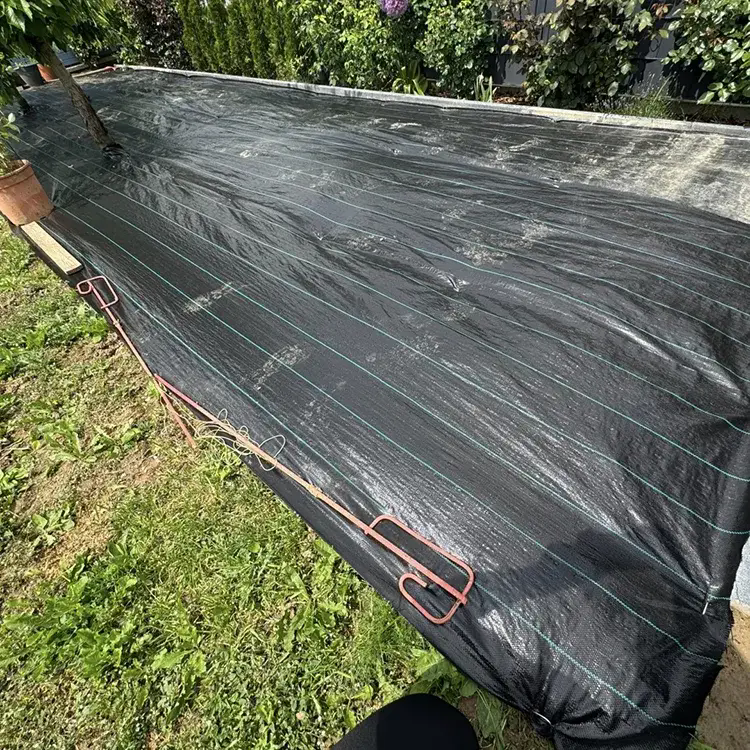
The working principle of biodegradable weed barrier fabric is based on light restriction, moisture management, and gradual natural degradation. When installed on the soil surface, the fabric blocks sunlight from reaching weed seeds while still allowing essential elements to move through the material.
| Function | How It Helps |
|---|---|
| Light Blocking | Reduces sunlight exposure and prevents weed photosynthesis. |
| Water Permeability | Allows irrigation water and rainfall to reach plant roots. |
| Air Circulation | Maintains soil oxygen levels and supports healthy root development. |
| Soil Protection | Helps reduce erosion and maintain soil structure. |
| Natural Decomposition | Breaks down over time without leaving long-lasting plastic waste. |
Compared with chemical weed control methods, biodegradable weed barrier fabric provides a physical solution that reduces dependence on herbicides. This makes it especially valuable for organic farming, environmentally sensitive areas, and sustainable landscaping projects.
3. What Are the Main Advantages of Using Biodegradable Weed Barrier Fabric?
Many growers and landscape professionals face similar challenges: rising labor costs, increasing environmental requirements, and the need for efficient weed management. Biodegradable weed barrier fabric addresses these problems through several important benefits.
- Environmentally Friendly Weed Control: The material decomposes naturally after use, helping reduce plastic pollution and disposal problems.
- Reduced Maintenance Costs: By limiting weed growth, the fabric decreases the frequency of manual weeding and maintenance work.
- Improved Plant Growth Conditions: The breathable structure supports moisture retention and better soil health.
- Reduced Chemical Usage: Farmers can reduce their reliance on herbicides, creating safer growing environments.
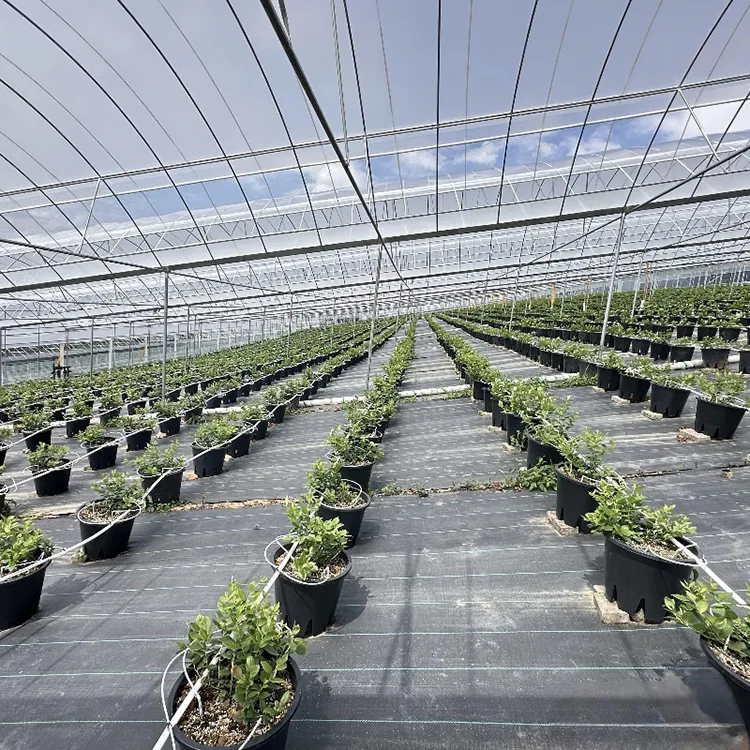
- Suitable for Various Applications: The fabric can be used in vegetable fields, orchards, flower gardens, nurseries, and restoration areas.
For businesses and growers looking for long-term environmental solutions, biodegradable weed barrier fabric offers a practical balance between performance and sustainability.
4. Where Can Biodegradable Weed Barrier Fabric Be Used?
The application range of biodegradable weed barrier fabric continues to expand because of its environmental advantages and reliable performance. Common usage areas include:
| Application Area | Benefits |
|---|---|
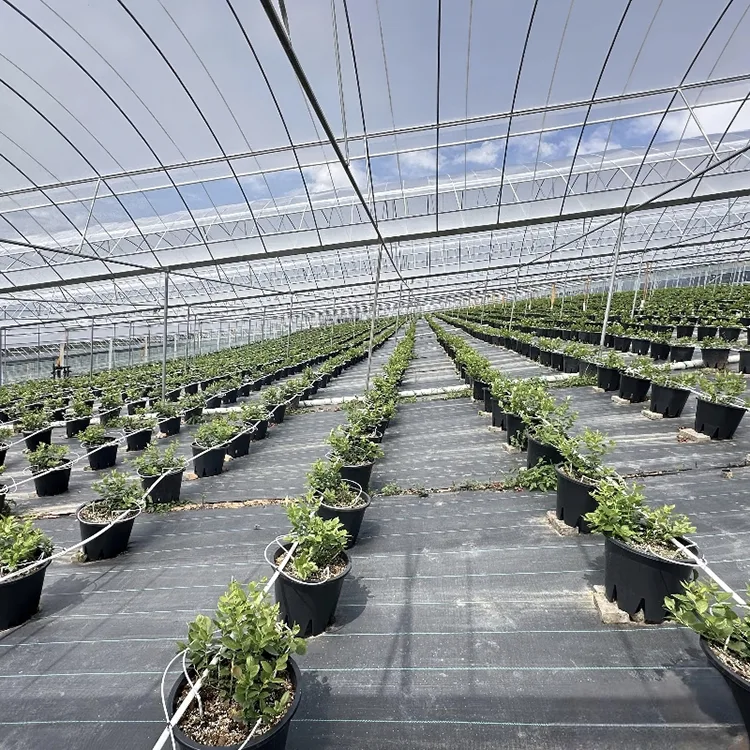
| Agricultural Planting | Controls weeds around crops while supporting healthy root environments. |
| Fruit Orchards | Protects tree bases and reduces competition from weeds. |
| Landscape Projects | Keeps gardens and public green spaces cleaner with less maintenance. |
| Nurseries | Provides controlled growing conditions for young plants. |
| Environmental Restoration | Supports vegetation recovery in ecological projects. |
Whether used for commercial farming or small-scale gardening, biodegradable weed barrier fabric helps create a cleaner and more efficient growing environment.
5. How to Choose the Right Biodegradable Weed Barrier Fabric?
Selecting the correct weed barrier fabric is important because different applications require different levels of durability, permeability, and degradation speed.
- Material Type: Consider whether the fabric is made from suitable biodegradable fibers for your environmental conditions.
- Thickness and Strength: Heavy-duty applications may require stronger fabrics with higher tensile performance.
- Degradation Period: Choose a service life that matches the growth cycle of your plants.
- Water and Air Permeability: Ensure the fabric supports healthy soil conditions.
- Installation Requirements: Consider the size, shape, and terrain of the project area.
A professional supplier can help customers select the most suitable product according to climate, soil type, crop requirements, and project goals.
6. Biodegradable Weed Barrier Fabric vs Traditional Weed Control Methods
| Method | Advantages | Limitations |
|---|---|---|
| Plastic Weed Mat | Strong weed suppression and long durability. | Creates plastic waste and requires removal after use. |
| Chemical Herbicides | Fast weed control over large areas. | May create environmental concerns and requires careful management. |
| Manual Weeding | No material waste and simple operation. | Requires significant labor and time. |
| Biodegradable Weed Barrier Fabric | Sustainable, effective, and reduces maintenance work. | Requires proper product selection and installation. |
The increasing demand for sustainable agriculture has made biodegradable weed barrier fabric an attractive alternative for many industries.
7. How to Install Biodegradable Weed Barrier Fabric Correctly?
Proper installation ensures maximum performance and extends the effectiveness of biodegradable weed barrier fabric. The following steps are recommended:
- Remove existing large weeds and prepare the soil surface.
- Level the installation area to prevent uneven contact.
- Lay the fabric flat and avoid excessive folding or stretching.
- Secure the edges with suitable fixing methods.
- Cut openings carefully when planting crops or landscaping plants.
- Regularly check the fabric condition during the growing season.
Correct installation improves weed control efficiency and helps the fabric perform consistently throughout its intended service period.
8. Why Choose Tongfu for Biodegradable Weed Barrier Fabric Solutions?
Tongfu focuses on providing high-quality geosynthetic and environmentally responsible material solutions for agricultural and landscaping applications. With experience in material development and manufacturing, Tongfu understands that different projects require different performance characteristics.
The biodegradable weed barrier fabric supplied by Tongfu is designed to provide reliable weed control while supporting sustainable land management practices. By combining practical performance with environmental considerations, Tongfu helps customers achieve efficient vegetation management solutions.
From product selection to application guidance, Tongfu works closely with customers to provide suitable solutions for farms, gardens, landscaping projects, and ecological applications.
9. Frequently Asked Questions
Q1: How long does biodegradable weed barrier fabric last?
The service life depends on material composition, climate conditions, soil environment, and application requirements. Different products can be designed for different degradation periods.
Q2: Can biodegradable weed barrier fabric replace plastic weed mats?
Yes. For many agricultural and landscaping applications, biodegradable weed barrier fabric provides an environmentally responsible alternative while maintaining effective weed control performance.
Q3: Does biodegradable weed barrier fabric affect plant growth?
No. High-quality biodegradable fabrics are designed to allow water and air circulation, helping maintain suitable growing conditions.
Q4: Is biodegradable weed barrier fabric suitable for organic farming?
Many organic growers choose biodegradable weed control materials because they reduce chemical dependence and support sustainable cultivation practices.
Q5: How can I get the right biodegradable weed barrier fabric solution?
Customers should consider crop type, climate, installation environment, and required service period. Professional suppliers like Tongfu can provide recommendations based on specific project needs.
Conclusion
Biodegradable weed barrier fabric is becoming an important solution for modern weed management because it combines effective performance with environmental responsibility. It helps reduce labor requirements, minimize chemical usage, and protect soil ecosystems while providing reliable weed suppression.
As sustainable agriculture and green landscaping continue to grow, choosing the right biodegradable weed control material is essential. Tongfu provides dependable biodegradable weed barrier fabric solutions designed to meet diverse customer requirements. For more information or customized solutions, please contact us and discover how Tongfu can support your sustainable vegetation management projects.
Related News
- How Does Herbal Plant Weed Barrier Fabric Improve Soil Health and Reduce Maintenance in Cultivated Gardens?
- How Can an Aquaculture Pond Concrete Blanket Improve Pond Protection, Seepage Control, and Construction Efficiency
- How Can a Tailings Pond Geomembrane Liner Improve Mine Seepage Control and Environmental Protection
- How Can a Hillside Protection Concrete Blanket Improve Slope Stability and Construction Efficiency
- How Does Landscape Weed Barrier Fabric Help Create Better Outdoor Growing Spaces?
- How Herbal Medicine Weed Barrier Fabric Helps Create Cleaner and More Sustainable Growing Environments
Leave me a message