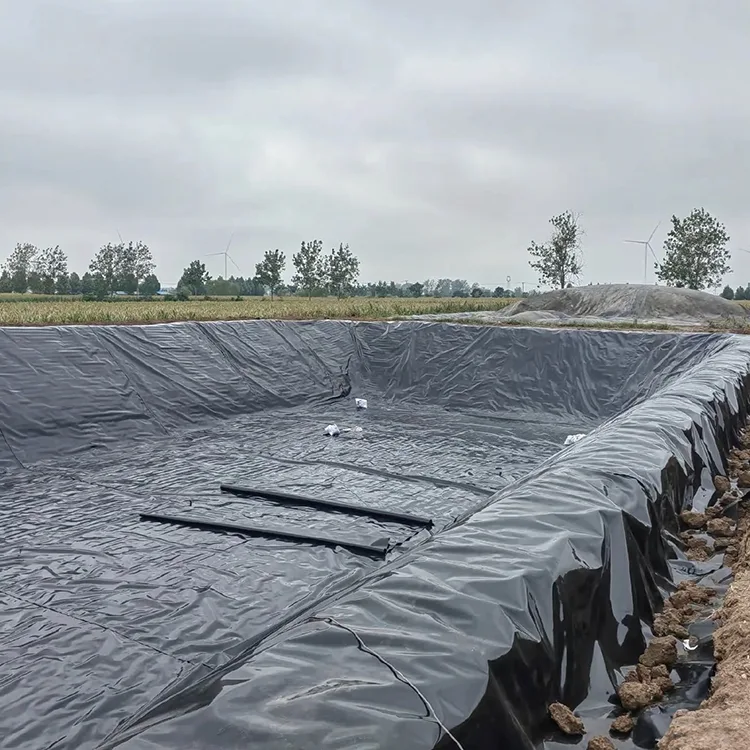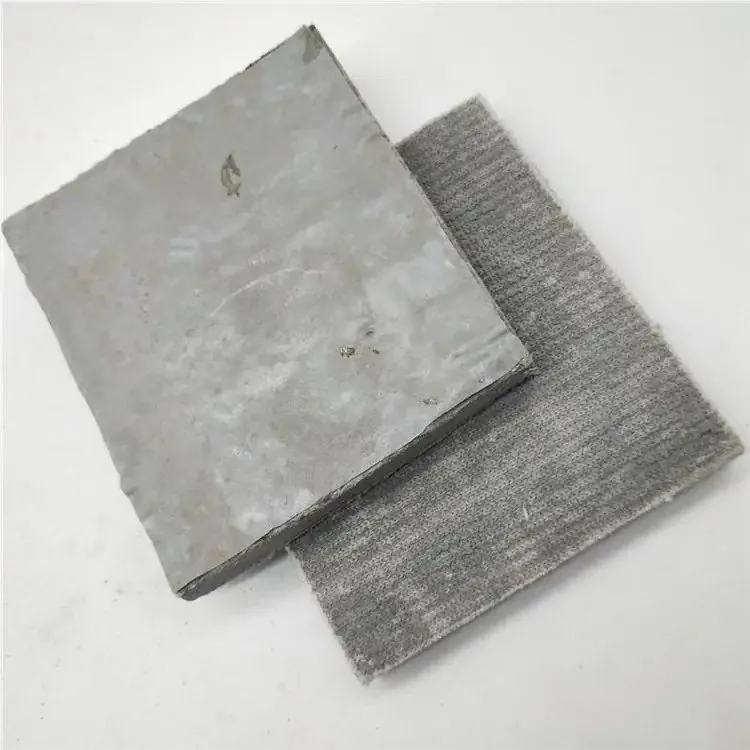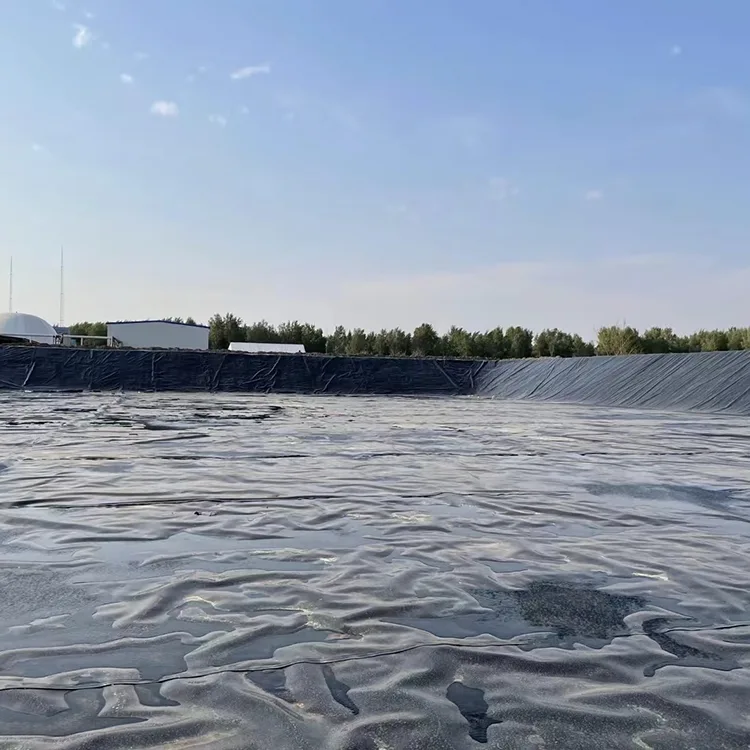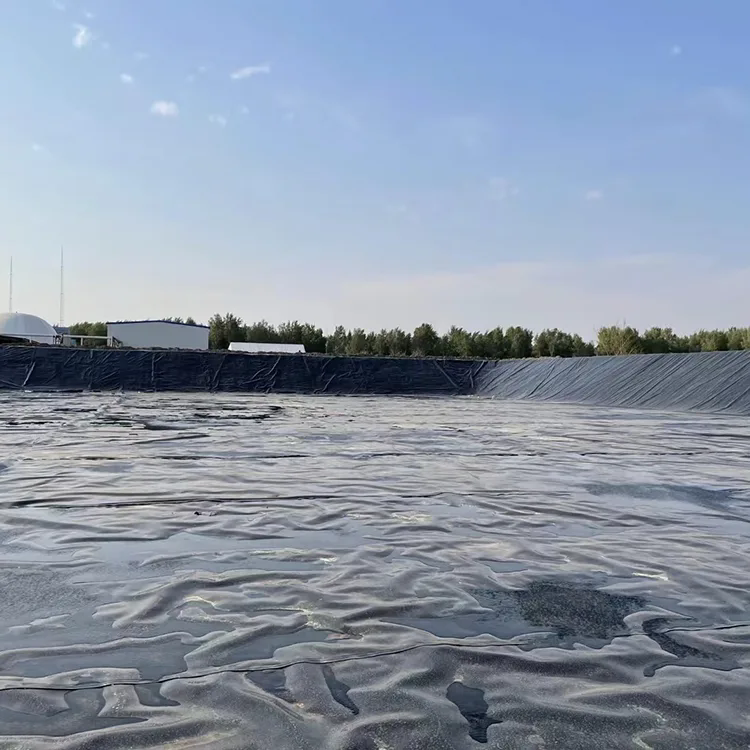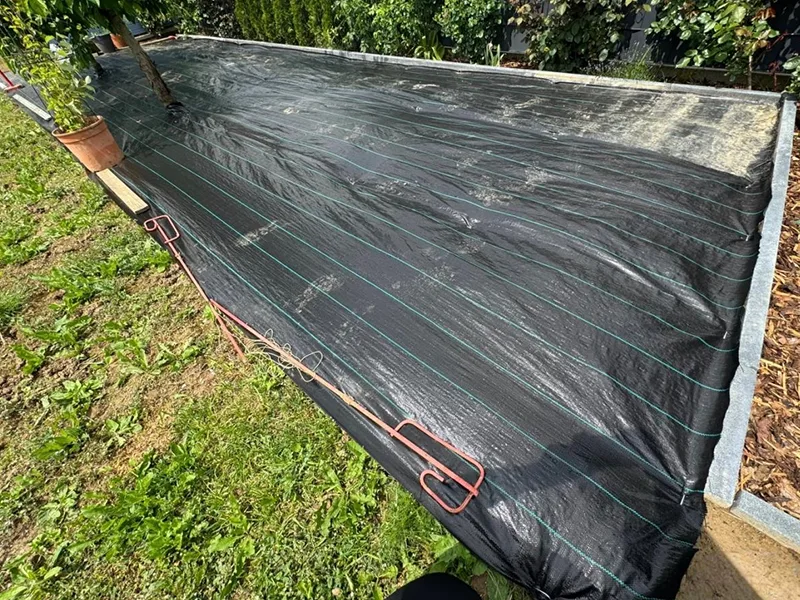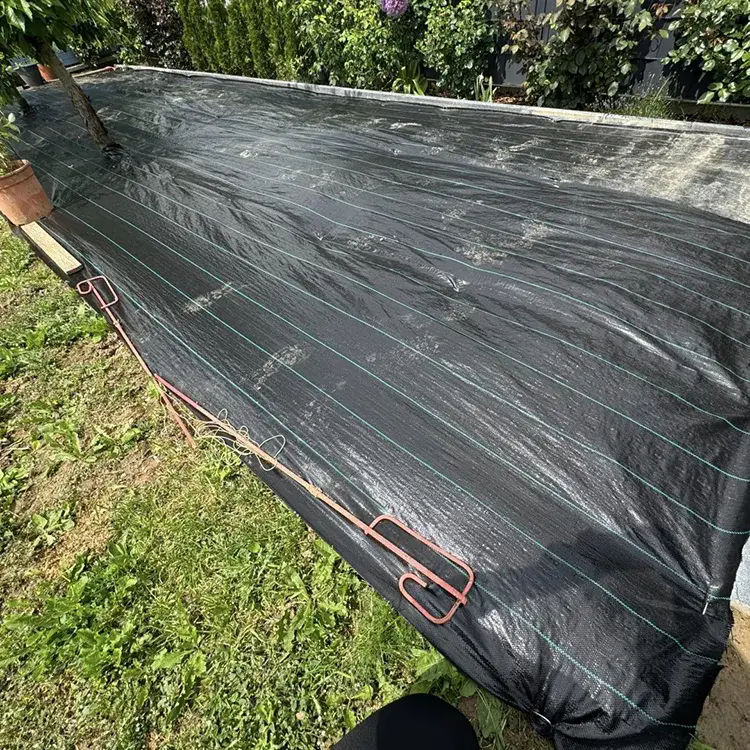

Summary: An Aquaculture Pond Concrete Blanket is a flexible, cement-based composite material designed to create a durable protective layer over pond slopes, bottoms, drainage areas, and other irregular surfaces. Tongfu manufactures this solution in China using a high-strength three-dimensional fiber structure combined with a dry cementitious mixture. Unlike conventional cast-in-place concrete, it can be transported and installed in a dry, flexible form, then hydrated directly on site. This makes it particularly useful for aquaculture pond renovation, slope stabilization, erosion protection, and seepage control where fast installation and reduced maintenance are important.
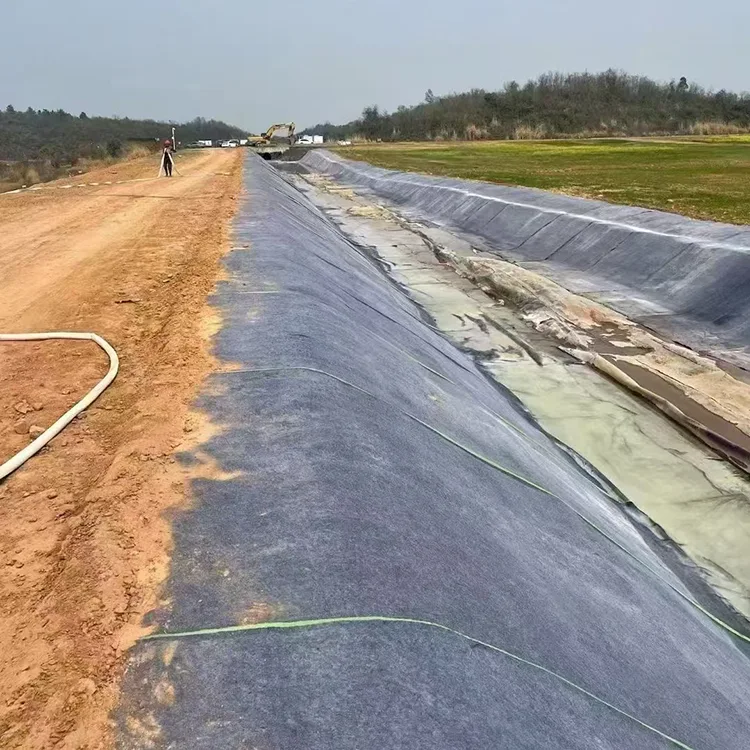
Table of Contents
- What Is an Aquaculture Pond Concrete Blanket?
- Why Use a Concrete Blanket for Aquaculture Ponds?
- Key Technical Specifications and Performance
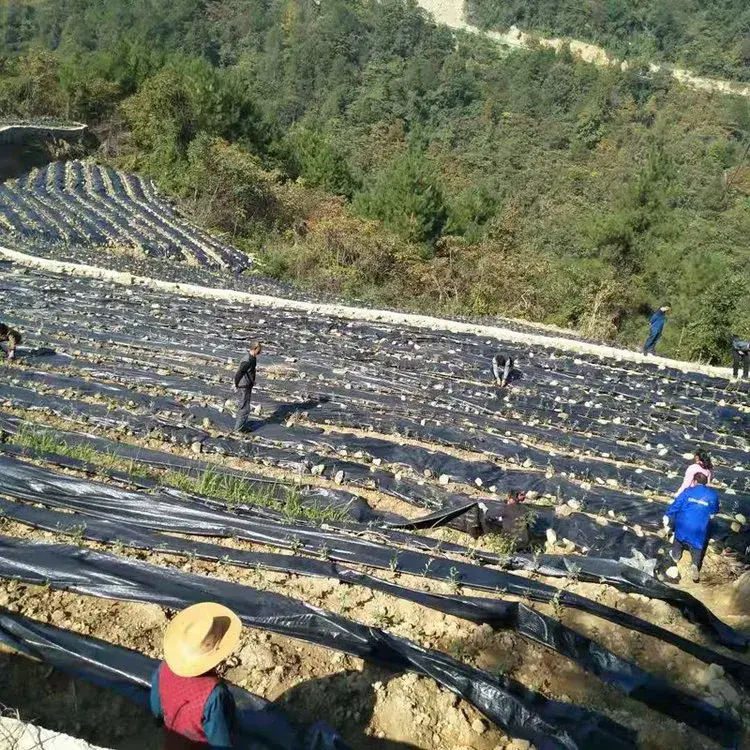
- Where Can It Be Used in Aquaculture Projects?
- How Is the Concrete Blanket Installed?
- Concrete Blanket vs. Traditional Pond Protection Methods
- What Does a Real Engineering Application Show?
- How Should You Select the Right Specification?
- FAQ About Aquaculture Pond Concrete Blankets
What Is an Aquaculture Pond Concrete Blanket?
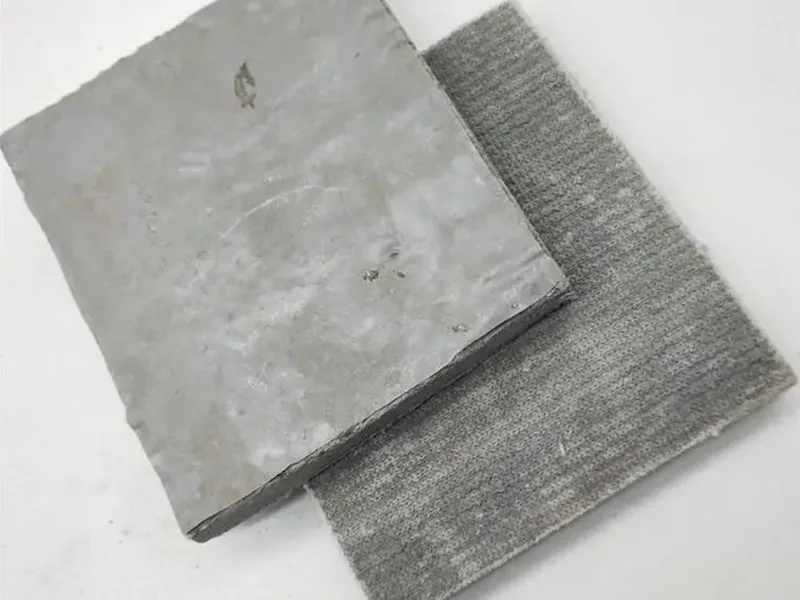
An Aquaculture Pond Concrete Blanket is a flexible cement-based composite engineering material designed for pond protection and water-related infrastructure. Tongfu describes the product as a form of Concrete Canvas, combining high-strength three-dimensional fiber cloth with a specially formulated dry cement aggregate.
Before hydration, the blanket remains flexible enough to be rolled, transported, cut, and positioned over curved or irregular pond surfaces. After being watered, the cementitious material begins to set and develops into an integrated concrete protective layer.
This installation concept eliminates several conventional construction requirements. There is no need for a concrete mixer or extensive formwork, making the material particularly practical for aquaculture facilities where pond geometry, access conditions, or construction time can make traditional concrete installation difficult.
The product is designed for applications including fish pond slope protection, pond seepage control, erosion resistance, drainage-channel lining, and water-conservation projects. According to Tongfu's published technical information, the material begins setting approximately 30 minutes after hydration, reaches about 70% strength within 24 hours, and reaches design strength after approximately seven days.
Why Use a Concrete Blanket for Aquaculture Ponds?
Aquaculture ponds operate in environments where water movement, soil settlement, wet-dry cycles, and erosion can gradually damage unprotected surfaces. A suitable protective layer therefore needs to provide more than simple surface coverage.
1. Better Adaptation to Irregular Pond Geometry
Fish ponds rarely have perfectly flat or uniform surfaces. Slopes, corners, curved transitions, and uneven substrates can make rigid materials difficult to install. The blanket can be positioned over curved and irregular areas before hydration, helping installers achieve closer surface conformity.
2. Seepage and Water-Loss Control
Once cured, the integrated structure provides an impermeable protective layer. Tongfu specifies a permeability coefficient of up to ≤1 × 10-12 cm/s for its published product specification. This makes the material suitable for projects where limiting water infiltration into the surrounding soil is an important engineering objective.
3. Resistance to Erosion
Continuous water movement can gradually erode exposed pond slopes and drainage structures. The hardened cementitious surface provides substantially greater surface protection than unreinforced soil, helping reduce erosion caused by water flow and sediment movement.
4. Faster Installation
Traditional concrete construction may require mixing, formwork, reinforcement, curing arrangements, and substantial labor. A concrete blanket simplifies the basic process to surface preparation, laying, fixing, hydration, and curing. Tongfu states that construction speed can increase by more than 70% compared with traditional poured concrete and brick-and-stone retaining methods.
Key Technical Specifications and Performance
Specification selection should be based on pond depth, water flow, slope conditions, climate, substrate stability, and expected mechanical loading. The following figures summarize the product information published by Tongfu.
| Performance Item | Published Specification | Engineering Significance |
|---|---|---|
| Thickness Options | 6, 8, 10, 12, 15, 18 mm | Allows selection according to pond and erosion conditions |
| Initial Setting | About 30 minutes after watering | Supports rapid on-site installation |
| Strength Development | About 70% in 24 hours | Accelerates project turnover |
| Design Strength | Approximately 7 days | Provides a defined curing period |
| Compressive Strength | ≥20 MPa after curing | Supports durable surface protection |
| Permeability Coefficient | ≤1 × 10-12 cm/s | Supports anti-seepage applications |
| Temperature Resistance | Approximately -30°C to 70°C | Suitable for demanding outdoor conditions |
| Outdoor Service Life | Over 30 years under stated conditions | Reduces the frequency of replacement |
These figures should be treated as product-level reference data. Actual engineering performance depends on substrate preparation, thickness selection, installation quality, curing conditions, water exposure, and project-specific loading.
Where Can It Be Used in Aquaculture Projects?
The primary application is protection of fish and aquaculture pond structures, but the material can also support associated water-management infrastructure.
- Fish pond slopes: Protects exposed soil from water erosion and slope deterioration.
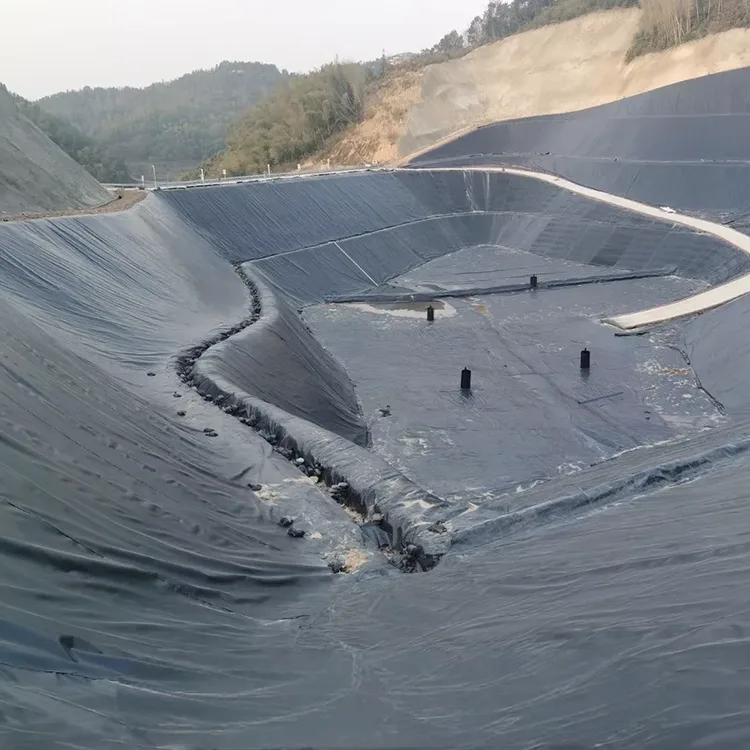
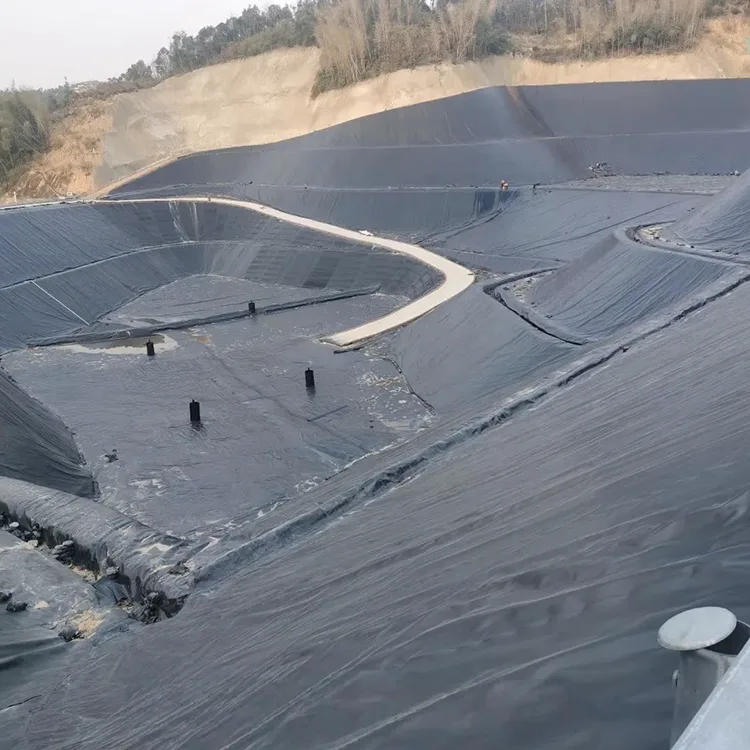
- Pond bottoms: Provides an integrated protective layer where seepage control is required.
- Drainage channels: Helps protect channels from erosion and water-related deterioration.
- Water intake and discharge areas: Provides a hardened surface in locations exposed to concentrated water flow.
- Pond renovation: Can be used when existing ponds require reinforcement without relying entirely on conventional cast-in-place construction.
- Curved pond structures: Flexible dry installation helps accommodate non-linear surfaces.
For projects combining aquaculture water containment with a separate geomembrane system, engineers can also evaluate Tongfu's aquaculture fish pond geomembrane according to the required waterproofing and structural design.
How Is the Concrete Blanket Installed?
Although the material simplifies construction, installation still requires proper preparation and sequencing. A typical process includes the following steps:
- Prepare the substrate: Remove sharp objects, loose debris, vegetation, and unstable soil that could damage or prevent proper contact with the blanket.
- Level the surface: Reduce excessive depressions and protrusions so the blanket can sit closely against the foundation.
- Unroll the material: Position the blanket according to the planned installation direction without excessive stretching.
- Manage overlaps and edges: Follow the engineering design for overlapping adjacent sections and secure exposed edges.
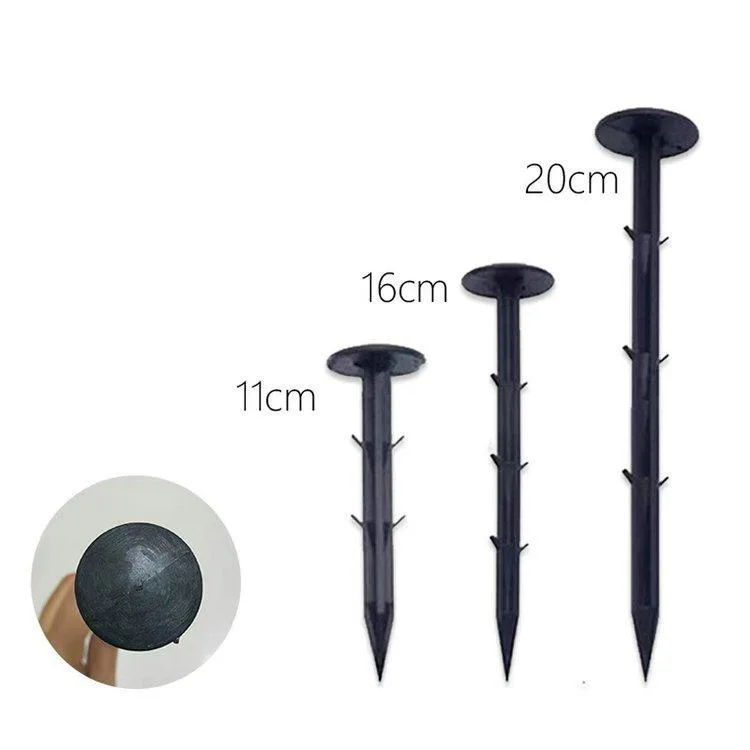
- Anchor where necessary: Sloped areas may require appropriate anchoring to prevent movement before curing.
- Hydrate evenly: Apply water or mist according to the installation procedure so the cementitious layer hydrates uniformly.
- Allow curing: Protect the newly hydrated material from premature disturbance and allow it to develop the required strength.
Outdoor installation should be carefully scheduled. Strong winds or heavy rain during the uncured stage can interfere with positioning, hydration, and surface quality. Proper substrate preparation and curing protection are therefore essential to achieving the intended performance.
Concrete Blanket vs. Traditional Pond Protection Methods
Different pond protection materials have different engineering characteristics. Selection should be based on the project's required combination of waterproofing, erosion resistance, installation speed, flexibility, and maintenance.
| Factor | Concrete Blanket | Cast-in-Place Concrete | Geomembrane |
|---|---|---|---|
| Dry-State Flexibility | High | Low | High |
| Formwork Requirement | Generally not required | Usually required | Not normally required |
| Concrete Mixing | Not required on site | Required | Not applicable |
| Hard Surface After Installation | Yes | Yes | No |
| Irregular Surface Adaptability | High | Lower | High |
| Erosion Protection | High after curing | High when properly designed | Requires additional protection |
| Installation Approach | Lay and hydrate | Form, pour and cure | Lay, weld and anchor |
This comparison does not mean one material is universally suitable for every pond. Project designers should consider water chemistry, aquatic species, soil conditions, hydraulic loading, mechanical requirements, and local construction standards before specifying a system.
What Does a Real Engineering Application Show?
Tongfu reports a field application at the Renhe Farmland Irrigation Canal Renovation Project in Shandong Province. The project involved approximately 2,300 meters of trapezoidal farmland water-diversion channel. The original earthen channel experienced soil erosion, water leakage, seepage, and periodic collapse during rainy seasons.
A 10 mm thick product was selected for the project. According to the published case information, the installation did not require conventional concrete mixing or brick construction. After laying and watering, the channel developed an integrated protective surface.
Tongfu reports that the project duration was shortened by approximately two-thirds compared with the previous construction approach. The company also reports that after three years of seasonal temperature changes, rain, snow, and freeze-thaw exposure, the surface remained intact without reported collapse, hollowing, cracking, or delamination.
This case illustrates why flexible cement-based materials can be considered for water-management projects where construction speed, erosion protection, and reduced maintenance are major requirements. Actual results, however, depend on project-specific design and installation conditions.
How Should You Select the Right Specification?
Choosing the correct thickness is one of the most important decisions when planning an aquaculture pond protection project. Tongfu's published guidance provides a practical starting point:
- 6–8 mm: Suitable for shallow ponds, temporary enclosures, small-scale slope protection, and lighter-duty applications.
- 10–12 mm: Commonly selected for standard fish pond slopes, agricultural canals, and ordinary water-management applications.
- 15–18 mm: Better suited to deeper water environments, high-flow areas, main drainage channels, and locations exposed to stronger erosion.
- Anti-freezing reinforced versions: Worth considering in regions exposed to significant freeze-thaw cycles or frost heave.
In addition to thickness, buyers should evaluate the pond's foundation condition, expected water velocity, seasonal temperature range, installation access, curing conditions, and required service life. A professional supplier can help match the material specification to the actual project rather than selecting solely by price or nominal thickness.
FAQ About Aquaculture Pond Concrete Blankets
1. Is a concrete blanket suitable for fish and shrimp ponds?
According to Tongfu's published product information, the material uses dry cement aggregate and three-dimensional fibers without toxic admixtures or heavy-metal additives. After curing, the company states that it is designed not to release harmful substances that would adversely affect aquaculture water. Project owners should still verify product testing and applicable local aquaculture safety requirements before large-scale use.
2. What thickness should be used for an aquaculture pond?
There is no single thickness for every pond. Tongfu lists 6–8 mm for lighter-duty applications, 10–12 mm for standard pond slopes and related water projects, and 15–18 mm for deeper or higher-erosion conditions. Cold regions may require an enhanced freeze-resistant specification.
3. Can the blanket be installed on curved pond slopes?
Yes. One of the material's principal advantages is its flexibility before hydration. It can be rolled, positioned, bent, and cut to accommodate curved edges, corners, slopes, and irregular pond surfaces. Proper substrate preparation and anchoring remain important for successful installation.
4. How long does the concrete blanket take to cure?
Tongfu's published specifications indicate that the material begins setting approximately 30 minutes after hydration, reaches about 70% strength within 24 hours, and reaches design strength after approximately seven days. Heavy loading or demanding hydraulic conditions should be controlled until the required curing period has been achieved.
5. How long can an aquaculture pond concrete blanket last?
Tongfu states an outdoor service life of more than 30 years under its specified conditions. Actual service life depends on substrate movement, water exposure, temperature cycles, installation quality, mechanical loading, and maintenance conditions.
Conclusion
An Aquaculture Pond Concrete Blanket provides a practical combination of flexibility during installation and a hardened protective surface after hydration. Its ability to conform to irregular pond geometry, resist erosion, support seepage control, and reduce the need for conventional concrete equipment makes it a useful option for aquaculture pond renovation and related water-management projects. With different thicknesses available for varying conditions, project owners can select a configuration based on water flow, soil stability, climate, and expected service requirements. If you are planning a pond protection, slope stabilization, or anti-seepage project and need help selecting the appropriate specification, contact us at Tongfu for product consultation, customized requirements, technical guidance, and a project-specific quotation.