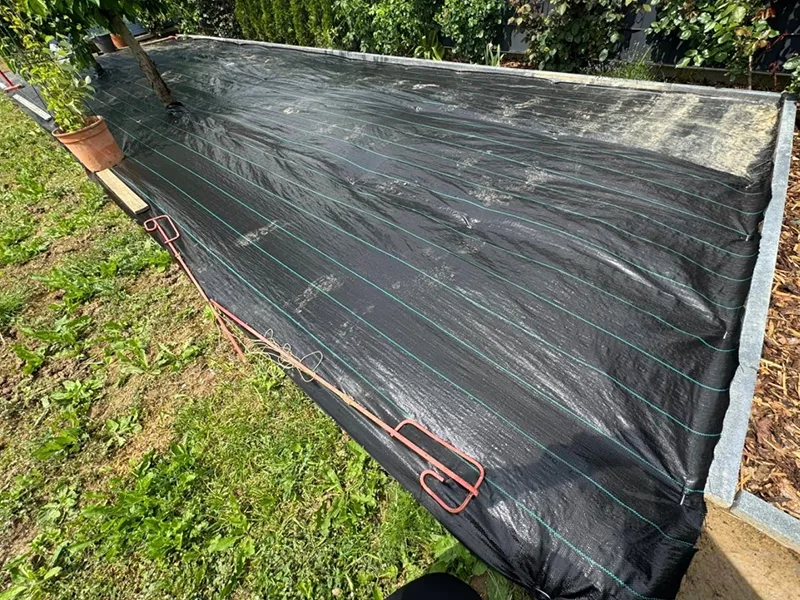
Traditional plastic weed barrier fabrics require manual collection after their service life ends; residual fragments persist in the soil, damaging soil vitality. Meanwhile, herbicides pose risks of excessive chemical residues, and standard plastic mulch films—which lack breathability—can suffocate crop roots. These issues have long plagued orchards, medicinal herb farms, and landscape nurseries.
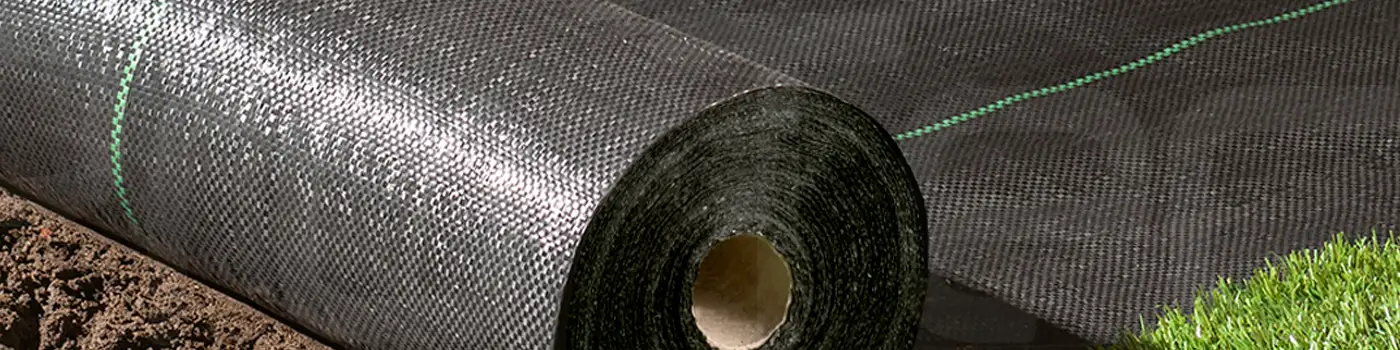
Unlike non-recyclable PE fabrics, this Biodegradable Weed Barrier Fabric is woven from eco-friendly, naturally degradable raw materials and a long-lasting UV-resistant formula. It suppresses weeds physically by blocking light, allows water and air to reach the roots (preventing soil compaction), and naturally decomposes in the soil after use—eliminating the need for manual cleanup of film remnants. It balances the dual needs of increasing yield/quality and maintaining soil ecology, making it ideal for high-standard green cultivation scenarios such as organic medicinal herbs, premium orchards, and ornamental gardens.
Tongfu is a manufacturer and supplier of professional Weed Barrier Fabric, Geomembrane Liner, and Concrete Blanket Mat in China. Welcome to come for consultation and purchase.
What is Biodegradable Weed Barrier Fabric?
1. Product Definition
Also known as eco-friendly horticultural weed control fabric, this product is an agricultural ground-protection material. It is woven from virgin, eco-friendly, degradable polymer materials blended with UV-stabilizing additives. It is an environmentally friendly weed suppression solution designed specifically for green and organic farming.
2. Comparison with Traditional Weed Control Methods
Chemical herbicides leave residues on crops, failing to meet procurement standards for medicinal herbs and organic produce. Manual weeding is labor-intensive and costly, driving up operational expenses year after year. Standard plastic mulch films are airtight, causing root oxygen deprivation and rot, while discarded plastic fragments pollute the soil for years.
3. Unique Core Features
Beyond the basic functions of blocking light to suppress weeds and allowing water/fertilizer retention, its standout feature is natural biodegradability. No manual cleanup of film remnants is required after the growing cycle, and degradation products do not pollute the soil. Long-term use helps sustain soil fertility, making it suitable for various open-field and greenhouse cultivation sites.
4. Key Application Scenarios
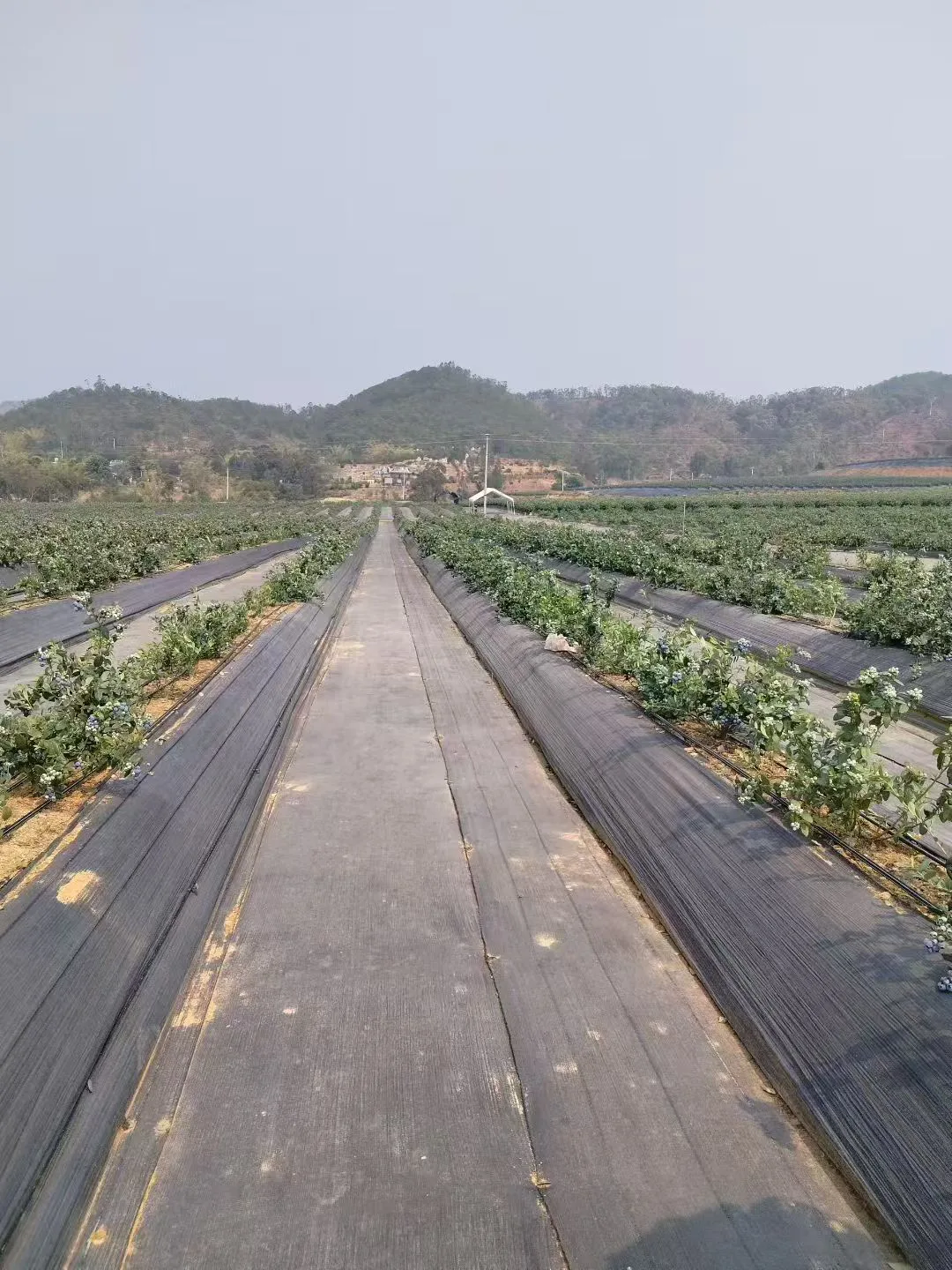
Widely used in premium orchards, medicinal herb farms, landscaped gardens, seedling nurseries, and eco-tourism tea plantations—settings that prioritize zero chemical residues and the elimination of plastic pollution.
How to Identify Inferior Biodegradable Ground Cover Fabric?
Low-priced, imitation biodegradable weed barrier fabrics on the market vary greatly in quality. Many merely feature a biodegradable surface coating while containing recycled plastic in the core; consequently, they crumble into fragments after just six months of use without fully degrading. They also suffer from issues such as inadequate light blocking, poor tensile strength, and rapid degradation under sun exposure, necessitating frequent re-installation. When selecting high-quality biodegradable weed barrier fabric, consider the following criteria:
1. Check the base material: Ensure it is manufactured from a fully biodegradable substrate rather than being an inferior product with only a surface coating and a recycled plastic core; this guarantees complete natural decomposition without residue by the end of its service life.
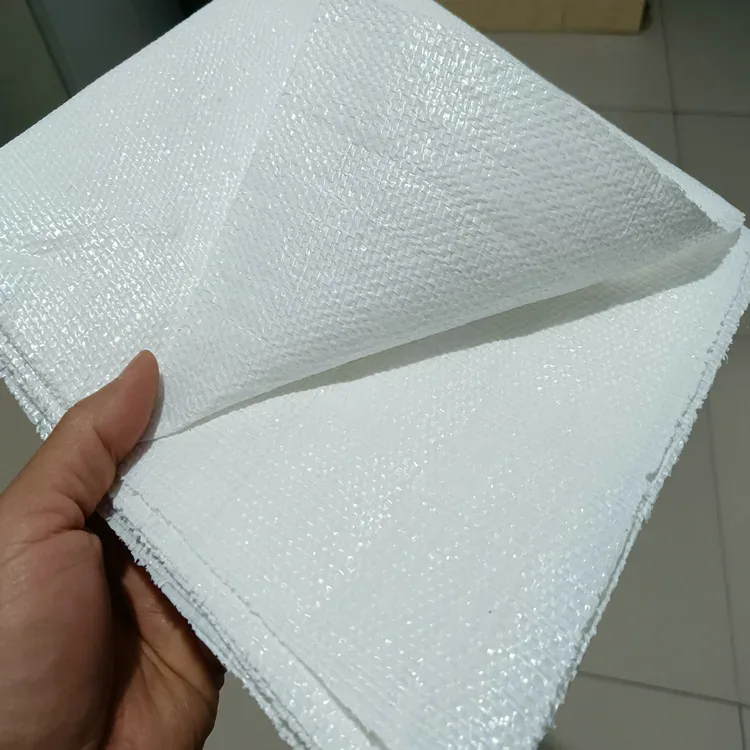
2. Verify weave density: The warp and weft should be woven tightly and evenly with no gaps or holes, ensuring consistent light-blocking capabilities that prevent weeds from growing through the fabric.
3. Check the weather-resistance formula: Adequate UV-stabilizing and antioxidant additives ensure the fabric maintains its structural integrity under outdoor exposure to sun and rain until the crop harvest cycle concludes, preventing premature fragmentation or failure.
4. Test tensile toughness: The fabric should exhibit stable tensile performance in both wet and dry conditions, resisting tearing from foot traffic, light machinery, or wind, thereby meeting the demands of daily field maintenance.
Our Factory's Product Range and Key Features
We manufacture three main categories of biodegradable weed barrier fabric: standard full-roll fabric, customized pre-punched fabric, and thickened, long-lasting, sun-resistant horticultural fabric. All products have passed third-party testing for eco-friendly agricultural materials and meet standards for organic farming and ecological landscaping. Key features distinguishing them from standard PE weed barrier fabrics include:
1
Physical light-blocking for weed suppression with zero pesticide residue
The high-density woven structure achieves a light-blocking rate of up to 98%, suppressing weed germination by blocking light. This eliminates the need for herbicides, ensuring medicinal herbs, fruits, and vegetables remain free of pesticide residues and easily pass organic certification tests and quality inspections by pharmaceutical companies.
2
Permeable woven structure prevents root rot from suffocation
Unlike airtight plastic mulch, the finely woven gaps ensure rapid rainwater infiltration and proper soil aeration. This prevents waterlogging-induced root rot and soil compaction, making it ideal for the rainy climate of the South and the high-humidity environments of enclosed greenhouses.
3
Weather-resistant formula ensures durability throughout the growing cycle
Formulated with specialized anti-UV and anti-aging additives, the material withstands intense summer sun, winter frost, and prolonged rain exposure without premature crumbling or disintegration. Standard versions offer 3 years of stable use, while thickened, long-lasting versions last up to 5 years, perfectly matching the growth cycles of perennial crops.
4
High-toughness bi-directional weave resists damage during field operations
Featuring a reinforced bi-directional weave (warp and weft), the fabric maintains stable tensile strength in both wet and dry conditions. It resists tearing from foot traffic, small agricultural machinery, or tension on slopes, making it highly suitable for mechanized orchard maintenance and reducing costs associated with mid-season repairs or replacements.
5
Channels rainwater and stabilizes soil to minimize nutrient and water loss
Rapidly drains surface water during the rainy season to prevent waterlogging damage to fruit trees and medicinal crops. The fabric conforms to the ground, preventing rainwater runoff from washing away fertile topsoil; this minimizes soil erosion in hillside orchards and nurseries, resulting in higher soil nutrient retention.
6
Blocks dust and moisture to reduce crop disease incidence
Prevents soil splashes from contaminating fruit and foliage, thereby reducing the need for washing produce. It also blocks rising ground moisture, significantly inhibiting soil-borne diseases like root rot and gray mold, which reduces the need for chemical plant protection agents.
7
Customizable pre-punched holes for direct planting and labor savings
Hole size, plant spacing, and row spacing can be customized to meet the specific planting requirements of crops such as grapes, blueberries, Paris polyphylla, and Polygonatum. No on-site digging or cutting is required upon delivery; seedlings can be planted immediately after laying the fabric, saving significant labor costs during field installation.
8
Naturally and fully biodegradable; eliminates "white pollution" at the source
The product is non-toxic and releases no harmful substances. After the crop harvest, it gradually degrades naturally in the soil, eliminating the need for manual film recovery and leaving no plastic fragments in the farmland. Post-degradation, it helps improve soil structure, aligning with green agricultural and environmental policies.
Application Scenarios
1. Cultivation bases for premium Traditional Chinese Medicines (TCM): Open-field or greenhouse cultivation of perennial medicinal plants sensitive to pesticide residues and soil contamination, such as Paris polyphylla (Chonglou), Bletilla striata (Baiji), Panax notoginseng (Sanqi), ginseng, and Astragalus. 2. Premium orchards: Full-coverage application (around tree bases and between rows) for pick-your-own or agritourism orchards growing citrus, grapes, cherries, blueberries, apples, etc. 3. Landscaping and seedling nurseries: Weed suppression and moisture retention for courtyard landscaping, municipal "pocket parks," greening seedling greenhouses, and flower seedling beds. 4. Ecological cultivation of cash crops: Large, contiguous open-field plots for crops such as tea, Sichuan pepper, and figs, providing both weed suppression and soil/water conservation. 5. Ecological agriculture demonstration projects: High-standard supporting material for organic farms, ecological pick-your-own orchards, and green agriculture experimental bases.
Maintenance and Usage Recommendations
1. Clear debris before installation: Remove stones, sharp branches, and tough root stumps from the plot beforehand to prevent hard protrusions from puncturing or abrading the fabric over time, thereby avoiding premature damage.
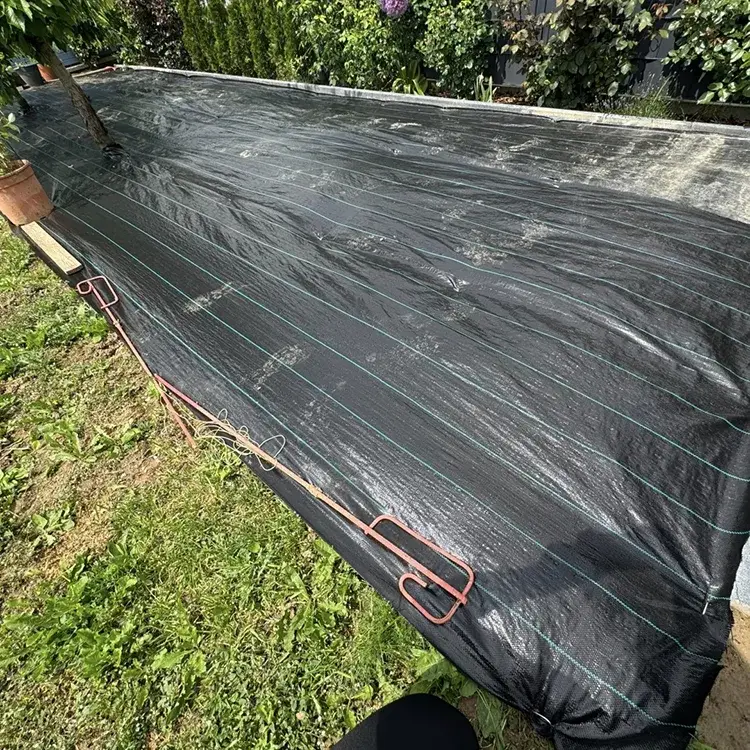
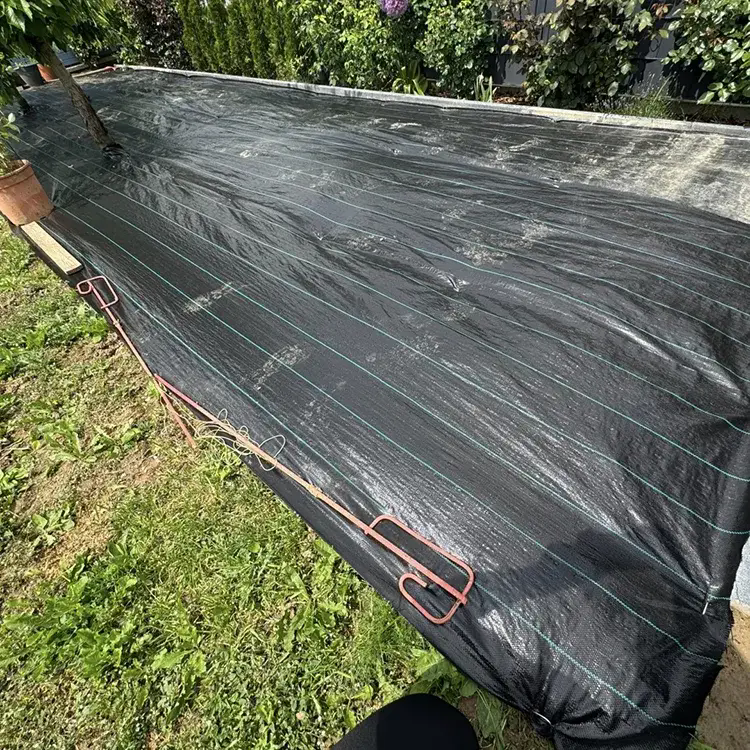
2. Secure the edges: Anchor the fabric edges firmly with ground pegs after installation. This prevents the fabric from lifting, shifting, or exposing soil to light during high winds, ensuring consistent weed suppression across the entire area.
3. Avoid sharp tools during field operations: Minimize direct contact between the fabric surface and hard, sharp tools—such as shovels or pruning shears—during pruning, fertilizing, or soil turning to reduce the risk of accidental damage.
4. Regularly clear surface debris: Promptly sweep away accumulated dead branches and silt. Long-term accumulation can foster moss growth and clog water-permeable pores, so clearing debris ensures continued breathability and water permeability. 5. Simple Maintenance for Crop Rotation Plots: Check the fabric's integrity between seasons or after harvest; plots where the fabric remains intact and undamaged can be reused in the short term. Expired fabric does not need to be collected—it can simply be tilled into the soil to decompose naturally.
FAQ
Q1: What is the key difference between biodegradable weed barrier fabric and standard black PE weed barrier fabric?
The main difference lies in post-use disposal and soil compatibility. Standard PE fabric is non-biodegradable and requires manual removal after harvest; residual film fragments can damage soil aggregate structure. In contrast, biodegradable weed barrier fabric decomposes naturally at the end of the crop cycle—eliminating the need for manual removal and preventing "white pollution"—while offering comparable weed suppression, water permeability, and weather resistance. It is better suited for organic farming and the long-term development of ecological landscapes.
Q2: Will the biodegradable fabric degrade prematurely, breaking apart or failing before harvest?
Made from properly modified biodegradable raw materials with added UV stabilizers, the degradation cycle is controlled to ensure the fabric remains intact throughout the entire crop growth cycle. It will not prematurely pulverize under open-air sun exposure or frost; thickened versions offer stable use for up to five years. Degradation begins gradually only after harvest and tilling into the soil, ensuring weed suppression and root protection remain effective throughout the season.
Q3: Will using biodegradable fabric in rainy areas cause water accumulation or suffocate the roots?
The fabric's woven structure features built-in channels for water permeability, allowing rainwater to quickly penetrate the soil and maintaining soil aeration. This differs significantly from airtight, impermeable standard plastic mulch, making it safe for use in rainy southern regions and high-humidity greenhouse environments.
Q4: Will using this fabric for medicinal herbs or organic orchards affect crop quality or safety testing results?
Not at all. The raw materials contain no heavy metals or toxic leachable substances. Weed suppression is achieved entirely through physical means without herbicides, ensuring that harvested herbs, fruits, and vegetables meet safety standards for pesticide residues. The degradation process releases no harmful substances to contaminate the soil or produce, fully complying with organic farming certification standards.
Q5: For which planting scenarios is biodegradable weed barrier fabric highly recommended?
Premium options are best suited for sites with strict requirements regarding soil environmental safety and the absence of pesticide residues—such as organic medicinal herb bases, orchards for sightseeing and picking, eco-agricultural demonstration parks, municipal landscape gardens, and long-term crop-rotation nurseries. For short-term annual vegetable crops or simple greenhouses, standard PE versions may be selected to reduce investment costs.