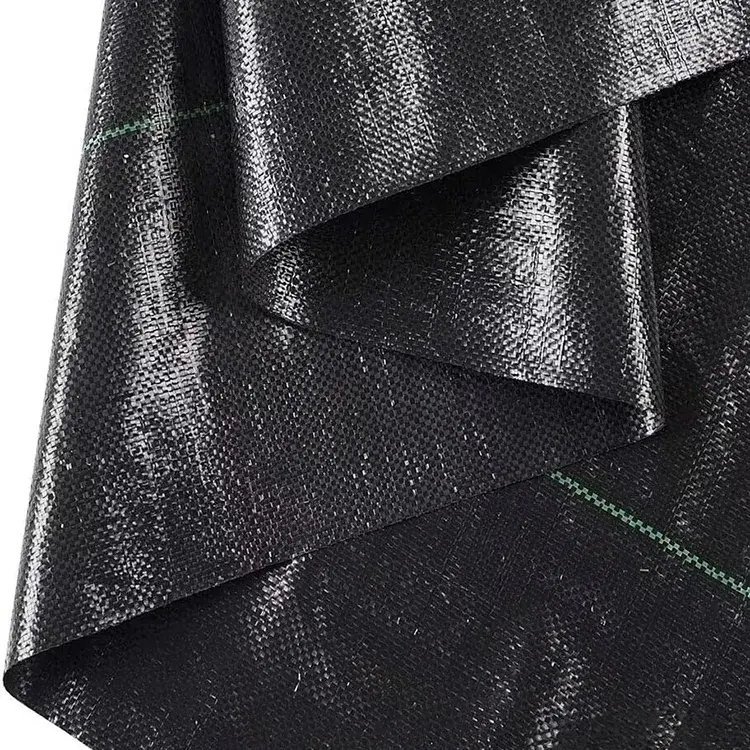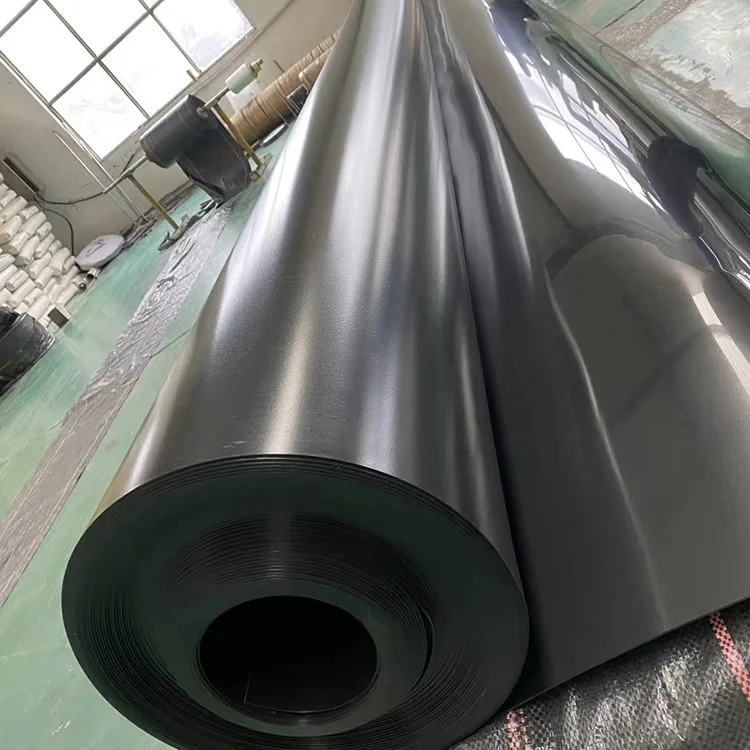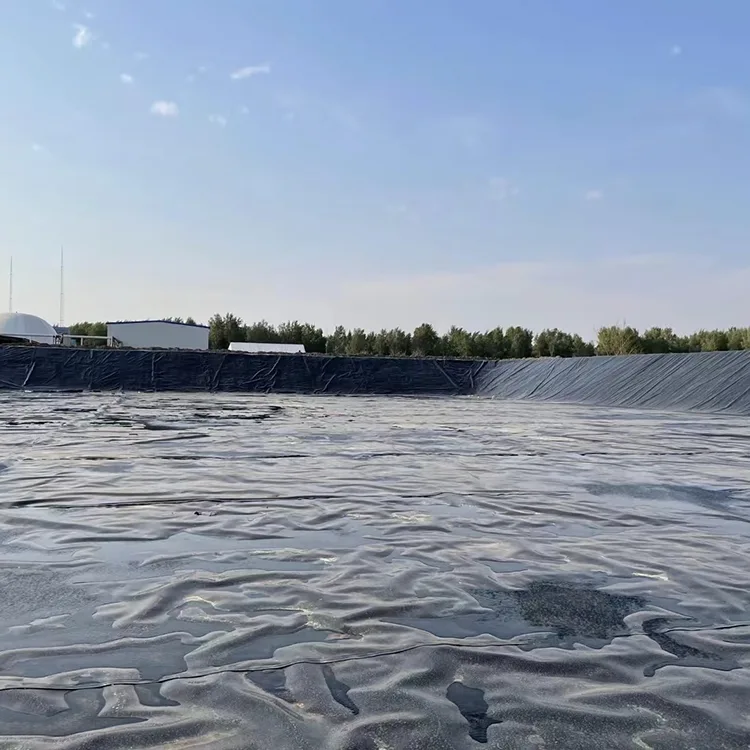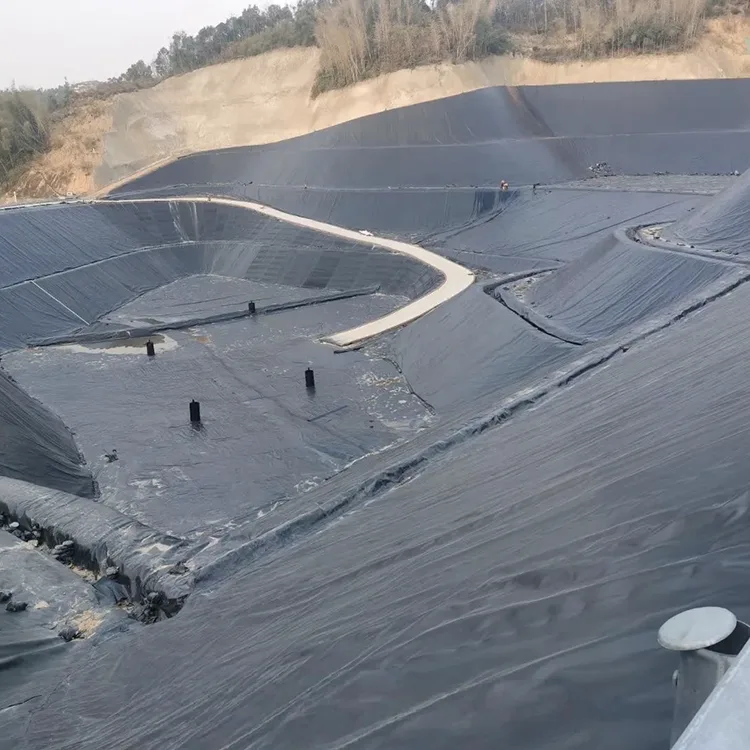

Article Summary: A reliable Tailings Pond Geomembrane Liner is an essential part of modern mine containment systems. Tongfu provides industrial-grade HDPE geomembrane solutions designed for demanding tailings environments involving corrosive leachate, sharp mineral particles, heavy loading, settlement, UV exposure, and temperature fluctuations. With customized thickness options from 1.0 mm to 3.0 mm and specialized exposed-use formulations, the liner can support new construction, expansion, closure, remediation, and related mine wastewater containment applications.
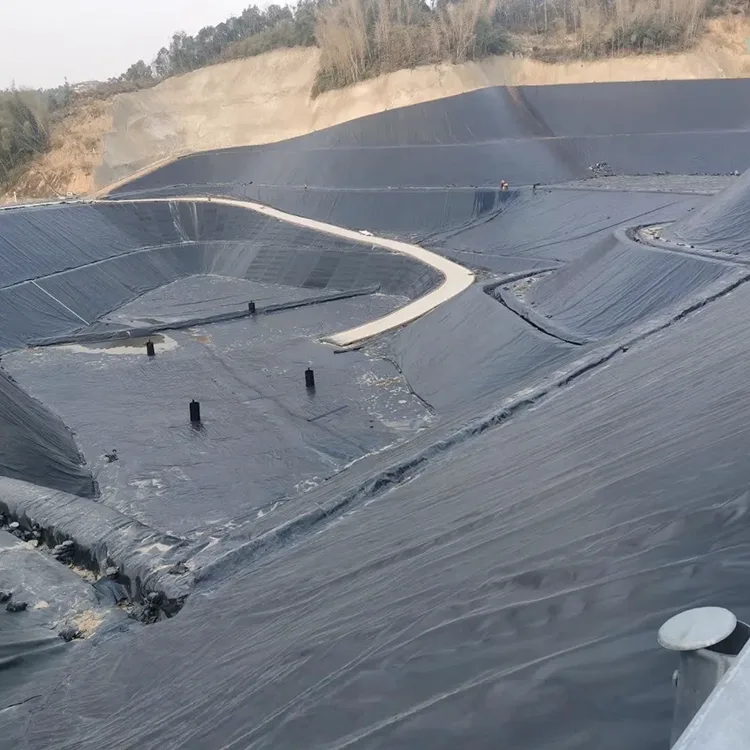
Table of Contents
- Why Is a Tailings Pond Liner Important?
- What Makes HDPE Suitable for Tailings Containment?
- How Should Geomembrane Thickness Be Selected?
- What Performance Features Matter in Mining Applications?
- Where Can Tailings Pond Geomembranes Be Used?
- What Does a Real Mining Project Demonstrate?
- What Should Be Considered During Installation?
- Frequently Asked Questions
Why Is a Tailings Pond Liner Important?
Tailings ponds store large quantities of mineral residues and associated water or leachate. Depending on the ore and processing method, the stored material may contain acidic or alkaline liquids, dissolved salts, heavy metals, and abrasive mineral particles. If seepage is not properly controlled, contaminants can migrate into surrounding soil and groundwater.
A geomembrane creates a low-permeability barrier between the stored tailings and the underlying foundation. For mining projects, however, seepage control is only one part of the engineering requirement. The membrane must also tolerate mechanical stress, settlement, sharp particles, chemical exposure, weathering, and installation-related forces.
This is why industrial-grade geomembranes designed specifically for mining conditions are different from lightweight membranes intended for relatively mild applications such as ornamental ponds or general water storage.
- Reduces the risk of leachate migration into soil and groundwater.
- Provides a continuous impermeable barrier over pond bottoms and slopes.
- Supports containment systems exposed to corrosive tailings liquids.
- Helps accommodate foundation settlement and slope deformation.
- Can be integrated with geotextiles and other protective layers.
What Makes HDPE Suitable for Tailings Containment?
High-density polyethylene, commonly known as HDPE, is widely used for demanding containment applications because its material structure combines low permeability with mechanical and chemical resistance. For tailings applications, the formulation can incorporate UV stabilizers, antioxidants, carbon black, and additives intended to improve resistance to aggressive environments.
Tongfu's product information specifies the use of new HDPE resin rather than recycled waste material. The membrane is produced through an extrusion blow-molding process designed to provide consistent thickness and a dense membrane structure.
For buried applications, the membrane can be selected for long-term protection where direct sunlight is limited. For exposed closure areas, an enhanced anti-aging formulation can be used to address continuous UV exposure and temperature fluctuations.
| Material / Design Factor | Role in Tailings Applications | Engineering Benefit |
|---|---|---|
| New HDPE resin | Forms the primary impermeable membrane structure | Consistent material performance |
| Carbon black and UV stabilizers | Protect exposed membrane surfaces | Improved weathering resistance |
| Antioxidants | Help slow material degradation | Better long-term durability |
| Anti-corrosion additives | Address aggressive mine liquids | Greater resistance to chemical exposure |
| Dense membrane structure | Controls liquid migration | Reliable seepage containment |
How Should Geomembrane Thickness Be Selected?
Thickness should be determined according to the actual operating conditions rather than treating every tailings pond as the same. Important factors include tailings loading, foundation conditions, slope geometry, expected settlement, sharp aggregate content, chemical characteristics, construction traffic, and whether the membrane will remain exposed.
| Recommended Thickness | Typical Application | Main Considerations |
|---|---|---|
| 1.0–1.2 mm | Temporary drainage channels and smaller collection structures | Lower loading and simpler containment requirements |
| 1.5–2.0 mm | Conventional tailings pond bottoms and slopes | General settlement, loading, and moderate chemical exposure |
| 2.5–3.0 mm | Large, high-load, highly corrosive or sharp-tailings environments | Higher puncture and mechanical resistance requirements |
| Customized anti-aging model | Exposed closure and sealing areas | Long-term sunlight and temperature exposure |
For projects with angular slag or sharp mineral fragments, thickness selection should also be considered together with foundation preparation and protective geotextile layers. A thicker membrane alone cannot compensate for poor subgrade preparation or inadequate installation practices.
What Performance Features Matter in Mining Applications?
Low Permeability
The membrane specification supplied by Tongfu lists a permeability coefficient of ≤ 1 × 10-13 cm/s. Low permeability is fundamental to preventing tailings water and leachate from migrating downward through the containment structure.
Mechanical Strength
Tailings storage areas experience continuous loading and may undergo foundation settlement or slope movement. A suitable membrane therefore needs adequate tensile, tear, and puncture resistance to reduce the possibility of damage during construction and operation.
Chemical Resistance
Mining liquids can vary significantly according to ore type and processing chemistry. A properly selected geomembrane should be compatible with the expected acids, alkalis, salts, and other chemical constituents present in the tailings environment.
UV and Aging Resistance
Membranes used in exposed closure systems face direct sunlight, rainfall, and repeated temperature changes. UV-resistant formulations can help maintain membrane performance during extended outdoor service.
Low-Temperature Performance
Cold-region mining sites may experience repeated freeze-thaw cycles. Tongfu's tailings-specific membrane information states that its low-temperature formulation can withstand temperatures down to -40°C without cracking or splitting, subject to appropriate application conditions.
Where Can Tailings Pond Geomembranes Be Used?
A properly engineered geomembrane system can serve multiple stages of a mining site's lifecycle, from initial construction to closure and environmental remediation.
- New tailings ponds: lining for pond bottoms and slopes to create an impermeable containment barrier.
- Tailings pond expansion: additional lining for newly developed storage areas.
- Leachate collection ponds: containment of collected mine wastewater before treatment.
- Drainage and diversion systems: seepage control in supporting channels and water-management structures.
- Closure projects: exposed sealing and surface protection during tailings facility closure.
- Environmental remediation: isolation of contaminated areas where seepage control is required.
- Industrial waste storage: containment applications involving slag, residue, and other industrial waste materials.
The same material concept can also support related environmental projects such as wastewater regulation ponds, emergency containment ponds, sedimentation ponds, and chemical waste collection areas.
What Does a Real Mining Project Demonstrate?
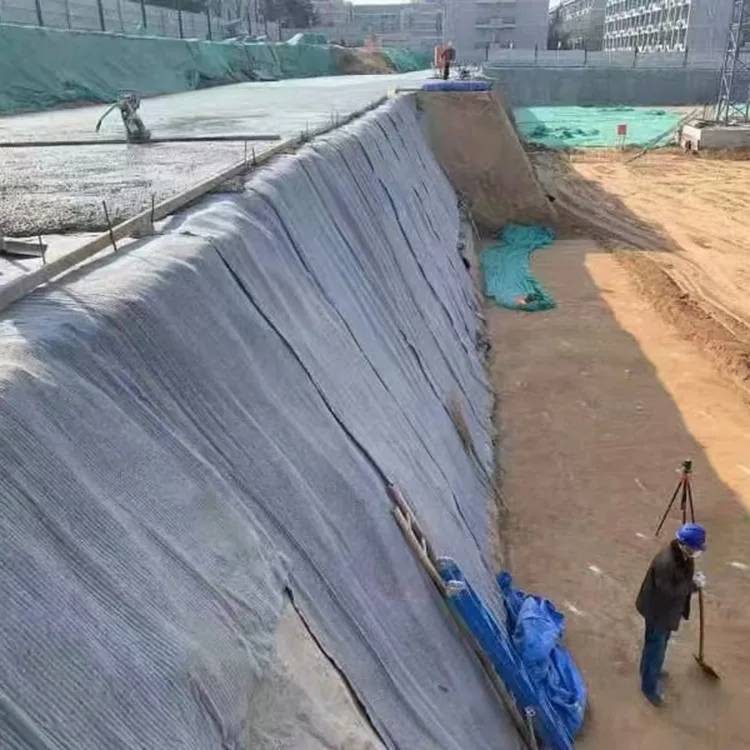
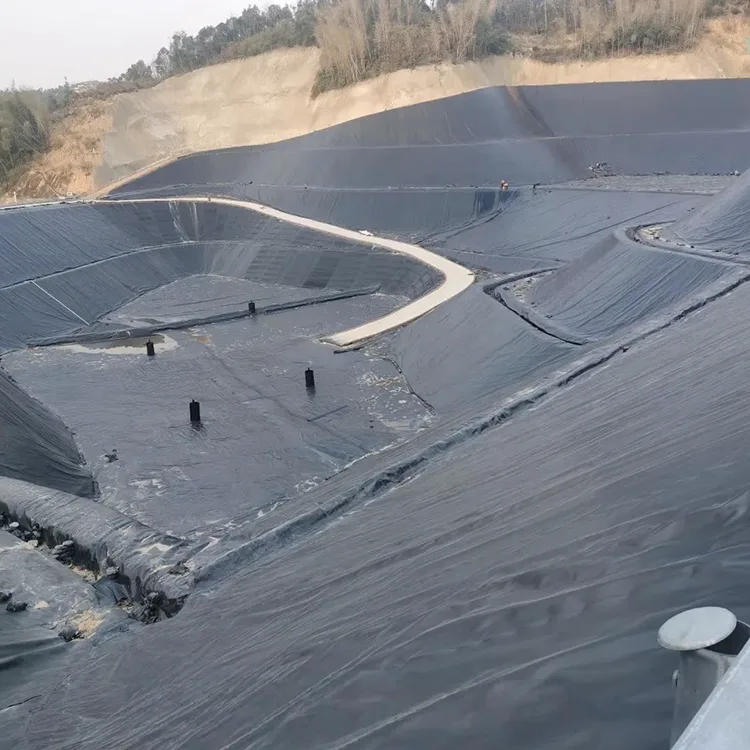
A project described by Tongfu involved a metal mine tailings facility in Yantai, Shandong Province. Construction was completed in April 2022, covering approximately 180 acres and incorporating a main tailings storage area, leachate collection ponds, interception channels, and drainage systems.
The project used a 2.0 mm anti-aging HDPE membrane together with filament geotextile protective layers and a bentonite waterproofing blanket. The site experienced summer temperatures up to approximately 38°C, winter temperatures down to around -15°C, rainfall exposure, and mildly acidic and alkaline media in the tailings water.
According to Tongfu's reported three-year project observations, the membrane showed no reported cracking, powdering, perforation, or significant aging, while the welded seams remained intact. The company also reports that wastewater treatment agent and equipment energy costs decreased by 32% compared with the previous year.
These results are project-specific rather than a guarantee for every mine. Actual performance depends on material selection, chemical compatibility, subgrade conditions, drainage design, welding quality, protective layers, and operating conditions.
What Should Be Considered During Installation?
Even a high-performance geomembrane requires careful installation. Most field problems originate not only from material selection but also from subgrade conditions, handling, welding, protection, and construction sequencing.
- Prepare the subgrade: Remove sharp stones, oversized particles, roots, voids, and other objects that could damage the membrane.
- Check the foundation: Confirm that the surface is sufficiently stable and smooth before deployment.
- Plan panel layout: Minimize unnecessary seams while considering slopes, corners, penetrations, and drainage structures.
- Control welding conditions: Maintain suitable welding temperature, pressure, and speed according to the selected membrane and equipment.
- Inspect seams: Test welded joints using appropriate field quality-control procedures before covering the membrane.
- Protect the liner: Use suitable geotextile or other protective layers where sharp aggregate and mechanical loading create additional puncture risks.
- Coordinate drainage: Integrate the liner with leachate collection and surface-water management systems.
For high-risk tailings containing angular particles, a composite protection system can be particularly important. Material thickness, geotextile protection, subgrade preparation, and controlled construction should be treated as interconnected parts of the containment design.
Frequently Asked Questions
Why can't ordinary fish pond geomembranes be used for tailings ponds?
Tailings facilities can involve corrosive liquids, sharp mineral particles, heavy loads, settlement, and severe outdoor exposure. These conditions generally require an industrial-grade membrane with appropriate mechanical, chemical, puncture, and aging resistance rather than a membrane designed primarily for relatively mild freshwater applications.
What thickness is suitable for a tailings pond liner?
The appropriate thickness depends on the project. Tongfu lists 1.0–1.2 mm for simpler supporting structures, 1.5–2.0 mm for conventional tailings pond applications, and 2.5–3.0 mm for heavier loads, aggressive corrosion, and high puncture-risk conditions. Engineering assessment should determine the final specification.
Can the geomembrane be used for exposed tailings pond closure?
Yes. Exposed closure areas require stronger UV and aging resistance than buried applications. A customized anti-aging formulation can be selected for areas exposed to sunlight, rainfall, and repeated temperature fluctuations.
How can puncture risks from sharp tailings be reduced?
Start with proper subgrade preparation, remove sharp oversized materials, and consider a protective geotextile layer. For particularly demanding conditions, a 2.5 mm or 3.0 mm membrane can be considered together with a suitable composite protection system.
How long can a tailings pond geomembrane last?
Service life depends on exposure, chemical conditions, installation quality, mechanical loading, and maintenance. Tongfu states that buried or shaded applications can exceed 30 years, while exposed anti-aging applications are specified at approximately 10–18 years under the stated conditions.
Choose a Tailings Containment Solution for Your Project
A reliable tailings containment system requires more than simply selecting a waterproof membrane. Material formulation, thickness, chemical resistance, puncture protection, welding quality, drainage design, and long-term exposure conditions all influence the final performance of the system. Tongfu supplies HDPE geomembrane solutions for tailings pond construction, expansion, closure, remediation, and related industrial containment applications, with thickness and formulation options matched to different operating conditions. If you are evaluating material specifications, project quantities, or customized engineering requirements, contact us for technical guidance, customized geomembrane options, and a project-specific quotation.