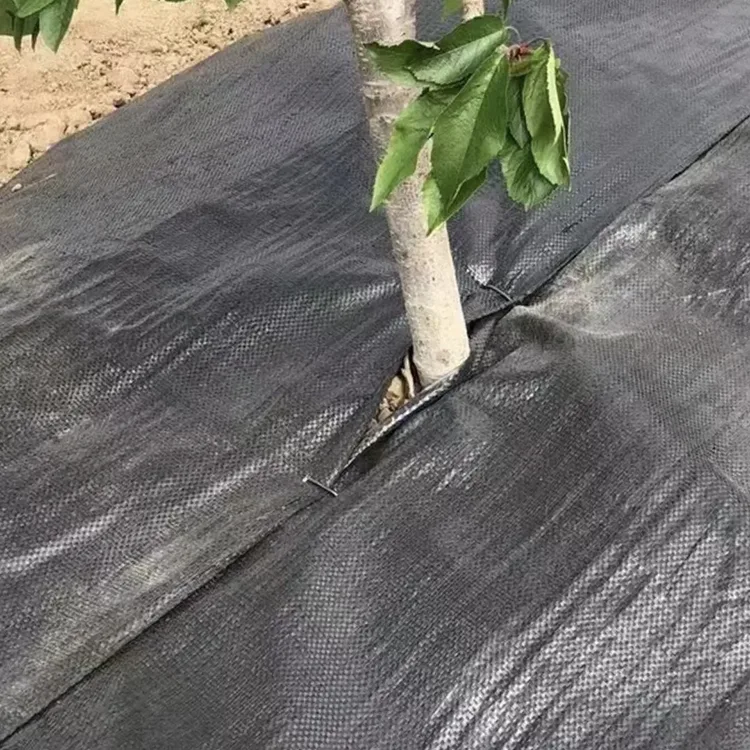
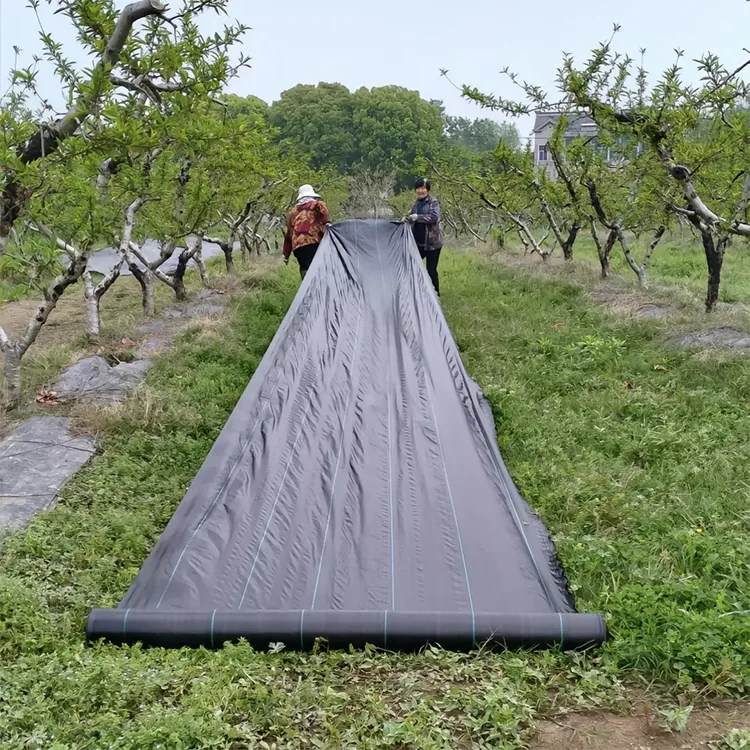
Herbal Plant Weed Barrier Fabric
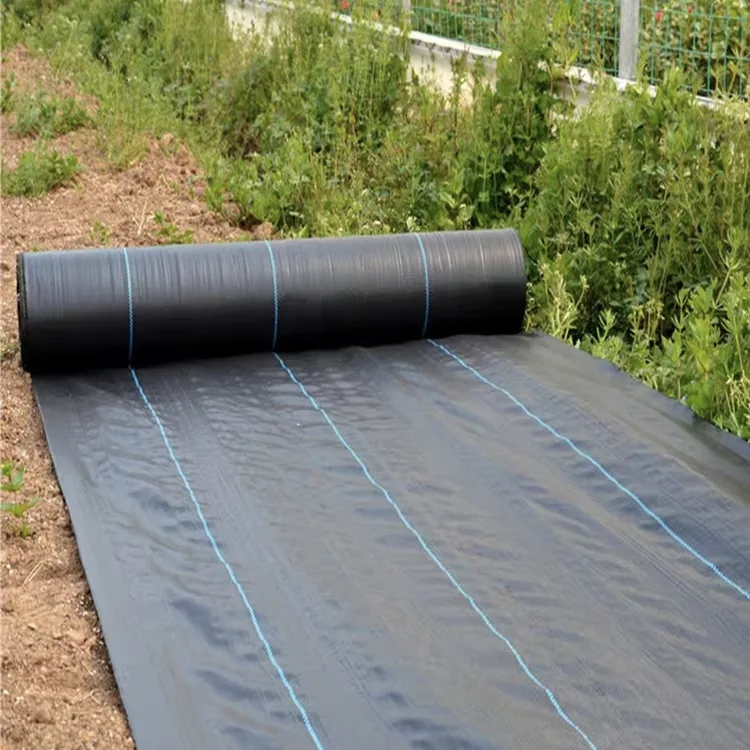
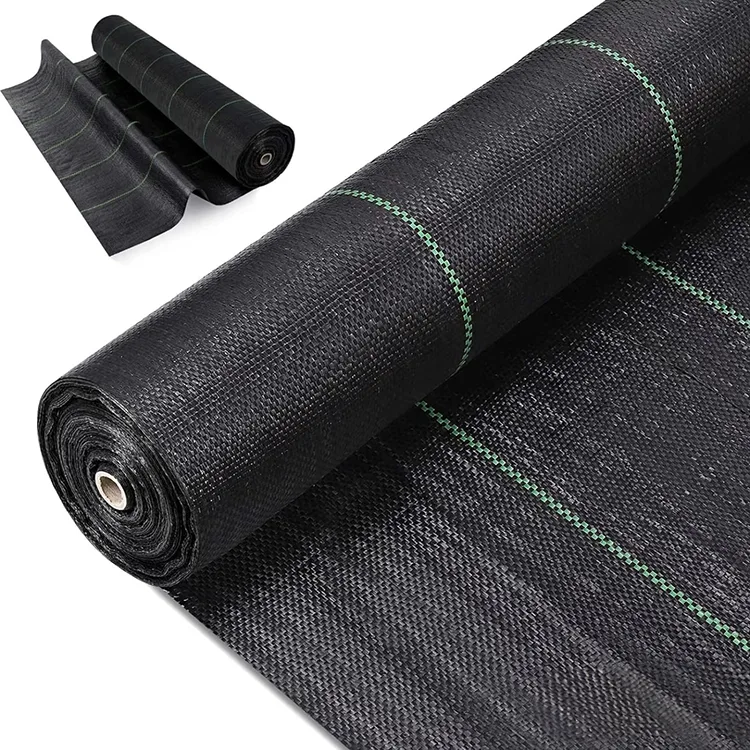
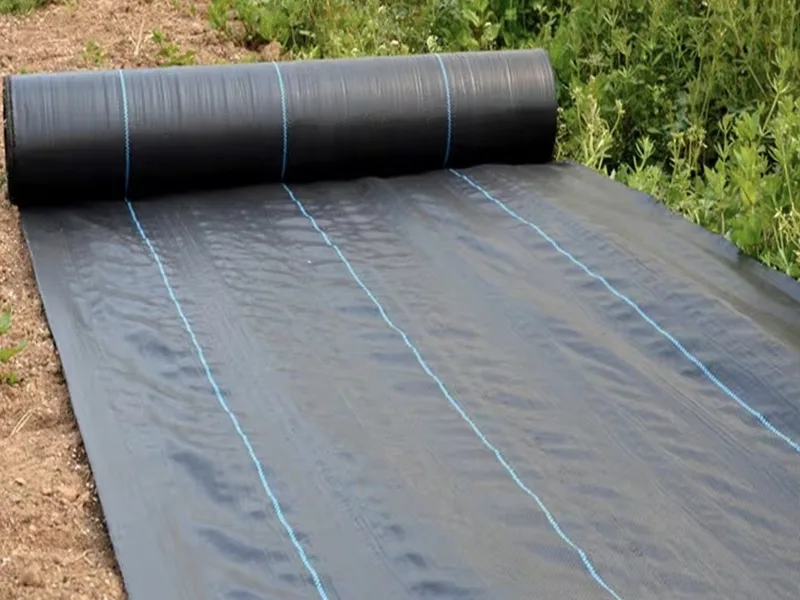
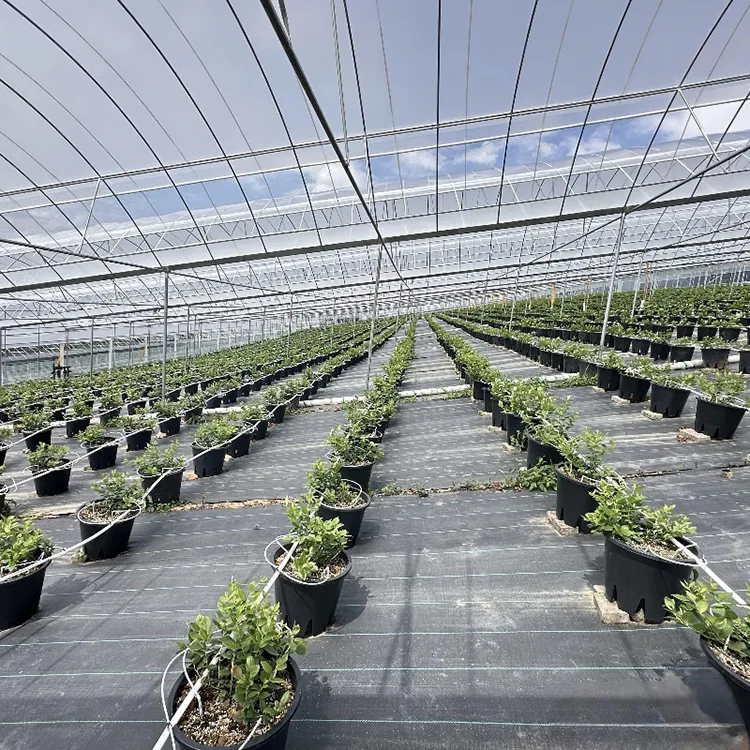
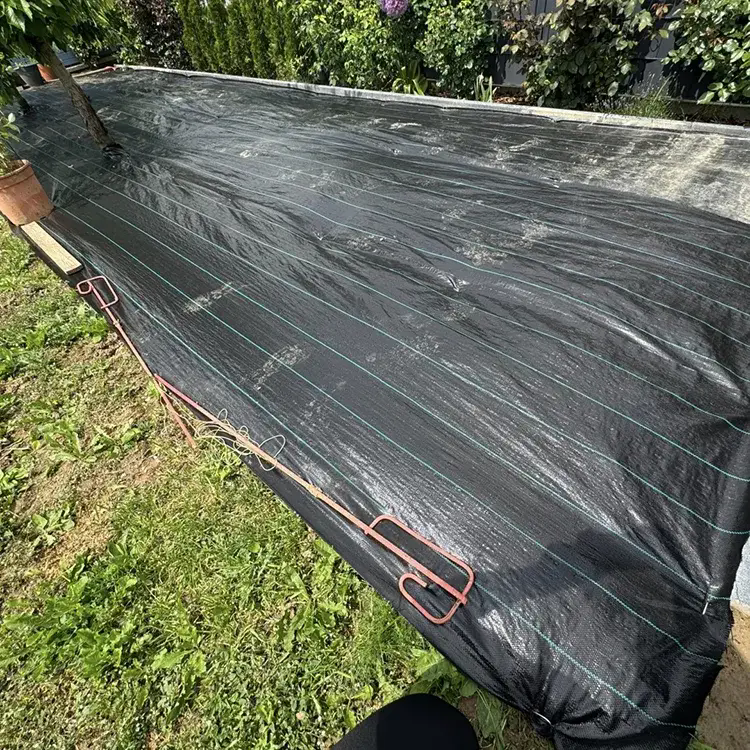
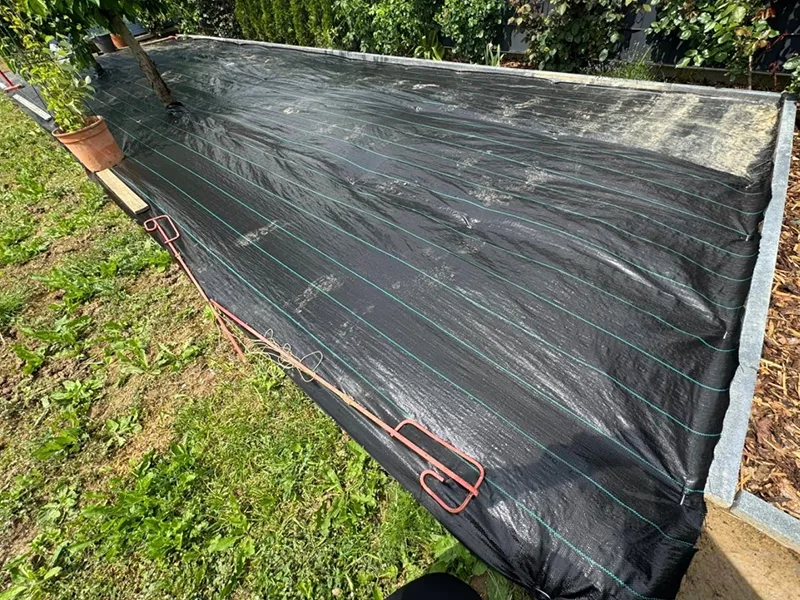
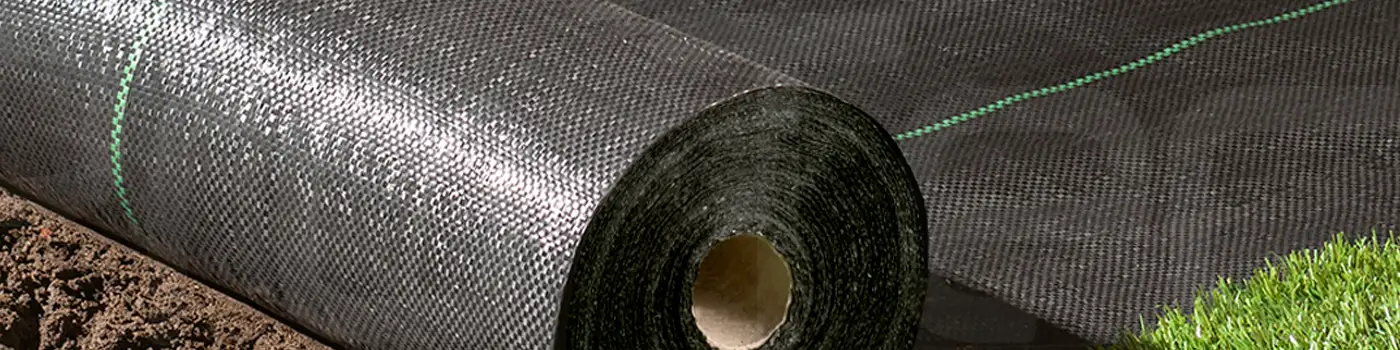
Tongfu specializes in supplying high-quality Herbal Plant Weed Barrier Fabric in China. Our factory focuses on custom production of protective materials for medicinal herb cultivation. This weed barrier fabric is made from natural PE eco-friendly raw materials, resistant to aging and sun exposure. It features no pesticide residues, good water permeability, prevention of root rot, and enhancement of plant quality. It is suitable for various root and stem medicinal herb cultivation scenarios and supports multi-sized customization and mechanized planting operations.
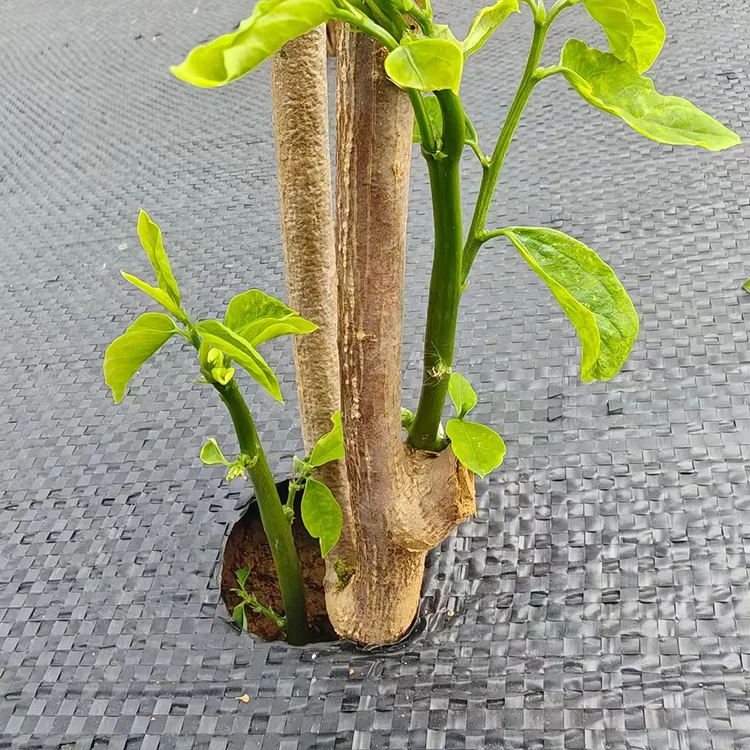
Herbal Plant Weed Barrier Fabric strictly refuses to use recycled waste materials or secondary recycled materials. It is entirely made of 100% brand-new virgin PE polyethylene resin as the base material. It is compounded with food-grade anti-ultraviolet and anti-aging special modified additives. The overall fabric surface is pure and free of impurities, non-toxic, and pollution-free. It fully complies with the safety standards for the green cultivation of Chinese medicinal materials for medicinal use. It adopts a precise mechanical fixed-hole punching process, with uniform and regular hole diameters, plant spacing, and row spacing.
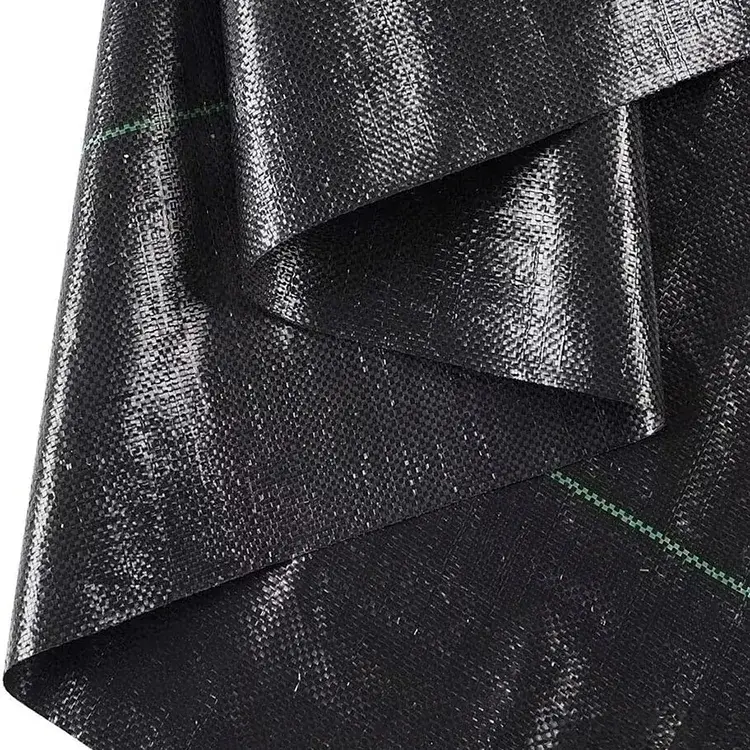
This is different from ordinary random punching and inferior fabric materials with uneven sizes. The fabric weaving structure is tight and wear-resistant, with moderate flexibility. It also combines the anti-tensile and anti-tear performance with the softness for root protection. It is not prone to powdering, cracking, or damage in open-air mountainous areas or greenhouse exposure environments, and is suitable for the long-term and perennial cultivation needs of Chinese medicinal plants.
What are the pain points in traditional herbal plant cultivation?
The problems in traditional herbal plant cultivation include high costs of manual weeding, excessive use of herbicides leading to excessive pesticide residues in the herbs, root rot caused by waterlogging during rainy seasons, weak growth of herbs due to competition from weeds for water and nutrients, damage to the roots and stems of herbs during plowing, and soil compaction caused by long-term cultivation. These issues directly affect the yield of high-quality herbs and the pass rate of drug enterprises during warehousing and inspection. Ordinary agricultural weed barrier fabric has defects such as poor water permeability, hard texture, no precise planting holes, and easy aging and damage. It cannot meet the needs of refined herbal plant cultivation.
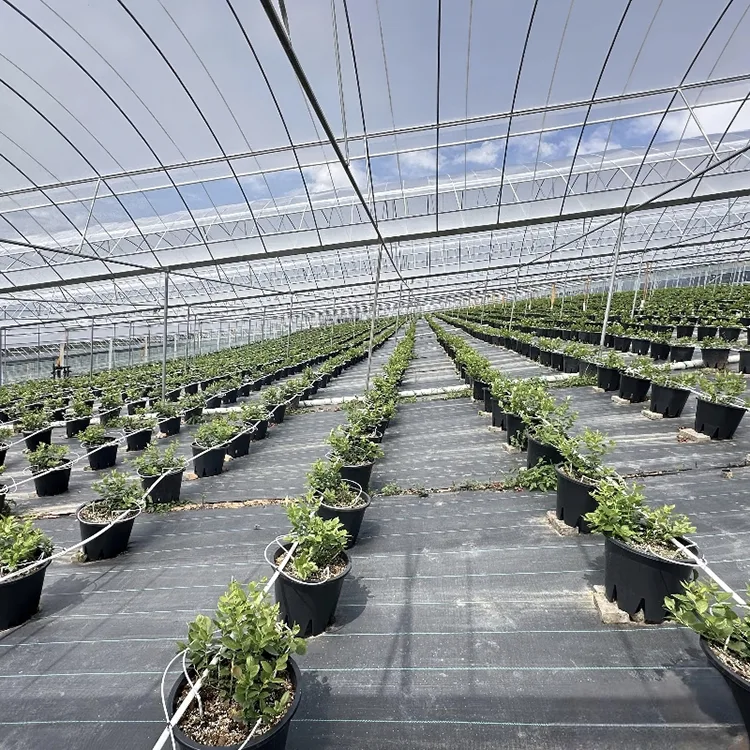
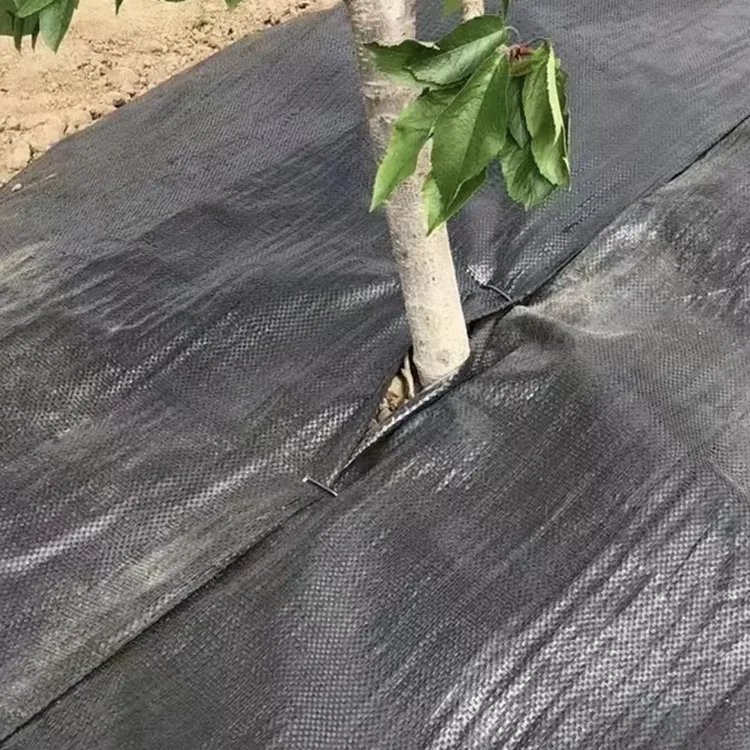
Herbal Plant Weed Barrier Fabric is a specialized protective material specifically designed for herbal plant cultivation. It is produced using a new raw material of natural PE and food-grade anti-UV additives. It contains no heavy metals or harmful substances. Different from ordinary agricultural fabric, it has unique features such as precise drilling, rapid water permeability, high air permeability, flexible root protection, and long-term durability. It can be adapted to all scenarios of herbal plant cultivation, including open fields, greenhouses, forest areas, ridge planting, and flat land. It is compatible with mechanized film laying and harvesting operations. Once laid, it can be used for many consecutive years. It is a core supporting material for achieving green and ecological herbal plant cultivation, reducing costs, increasing income, and meeting compliance standards.
Technical Test Parameter Table
|
Test Item |
Technical Standard |
Measured Parameter |
Application & Advantage Description |
|
Unit Weight |
90g/㎡, 100g/㎡, 120g/㎡ |
Full weight, uniform thickness, no material shortage |
Light weight suits annual herbal plants; thickened version is ideal for perennial deep-root medicinal herbs |
|
Warp & Weft Tensile Strength |
≥750N/50mm |
Standard compliant with high toughness |
Resists agricultural machinery rolling and field trampling, not easy to tear during harvesting |
|
Water Permeability & Air Breathability |
Fast water drainage, no water accumulation |
Custom round hole design with maximum water permeability |
Effectively avoids root soaking and rot in rainy seasons, specially suitable for rhizome medicinal herbs |
|
UV Aging Resistance |
Outdoor service life standard |
3-5 years outdoor service life |
One-time laying, long-term reuse, perfect for perennial medicinal planting |
|
Environmental Heavy Metal Content |
Agricultural & medicinal planting grade |
Zero heavy metal, no harmful substance precipitation |
No soil pollution, zero pesticide residue, fully compliant with herbal inspection standards |
|
Punching Specification |
Customizable aperture and hole spacing |
3cm conventional aperture, plant spacing 15/20/25cm optional |
Direct seedling planting without manual digging, greatly saving labor cost |
Exclusive core performance advantages
1. Physical shading and weed suppression
Relying on a high-density woven shading structure, it blocks the photosynthesis of weeds through the principle of physical shading, with an inhibition rate of over 96%. No pesticides or herbicides need to be sprayed throughout the process. It completely eliminates the risk of excessive pesticide residues in medicinal herbs, perfectly aligning with the standards for drug companies' warehouse inspections and market spot checks for medicinal herbs. It is the core material selection for ecological and green medicinal herb cultivation.
2. Rapid water and air permeability
Exclusive customized uniform perforation structure, breaking through the problem of water accumulation and root rot caused by ordinary weed barriers. It can quickly drain water during rainy days and avoid water accumulation and stagnation in the ridges. The soil air can freely circulate, maintaining a permeable growth environment for the root system, significantly reducing the occurrence rate of frequent soil-borne diseases such as root rot and stem base rot. Especially suitable for planting areas with frequent rainfall and humidity in the south.
3. Locking water and maintaining fertilizer
The shading design completely isolates weed growth, eliminating the competition of weeds for soil moisture, organic matter and nutrients, allowing all the soil water and fertilizer to be directed to the growth of medicinal herb roots. Effectively helping root and stem medicinal herbs to expand and shape, improving the weak growth and uneven size of medicinal herbs. The actual measurement shows that the proportion of high-quality medicinal herbs can be increased by more than 20%.
4. Flexible protection for roots without harming the seedlings
The fabric surface is smooth and flexible, without hard edges. During the growth period, it will not scratch or wear the surface of medicinal herbs, and after harvesting, the roots and stems of the medicinal herbs are intact and smooth, with a significant reduction in the proportion of inferior medicinal herbs, effectively increasing the overall income of the growers.
5. Maintaining soil structure
After laying the Herbal Plant Weed Barrier Fabric, there is no need for annual plowing or manual weeding. It maximally protects the soil aggregate structure, avoiding frequent cultivation-induced soil compaction, loss of fertility, and continuous maintenance of a loose and breathable quality soil layer environment, suitable for the growth habits of various precious medicinal herbs.
6. Compatible with mechanized operations
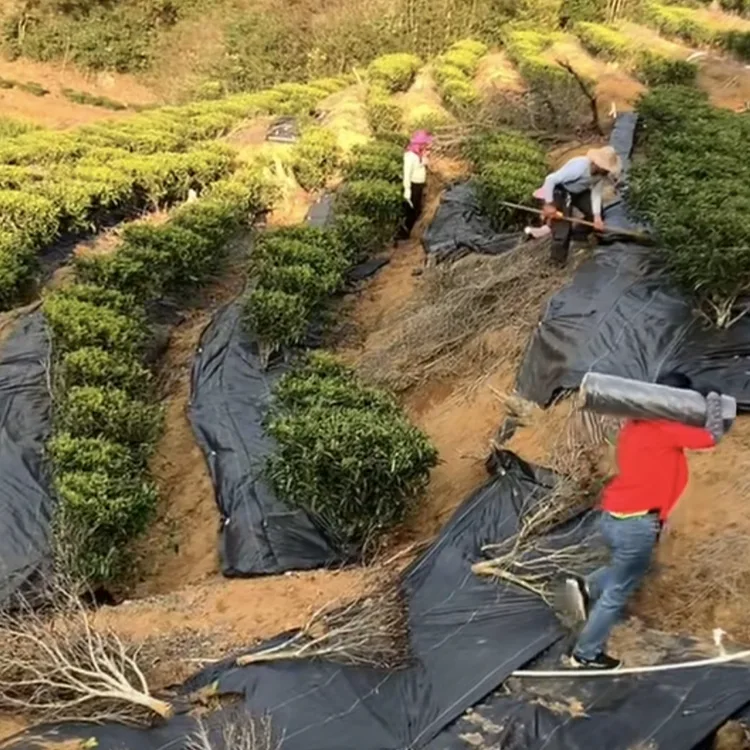
The fabric surface is flat, resistant to stretching and wear, and can directly be adapted to mechanized film laying and mechanized harvesting equipment. Prefabricated precise planting holes do not require manual digging of holes for planting, simultaneously saving two types of labor costs of manual weeding and manual planting. Suitable for reducing costs and increasing efficiency in large-scale contiguous medicinal herb bases.
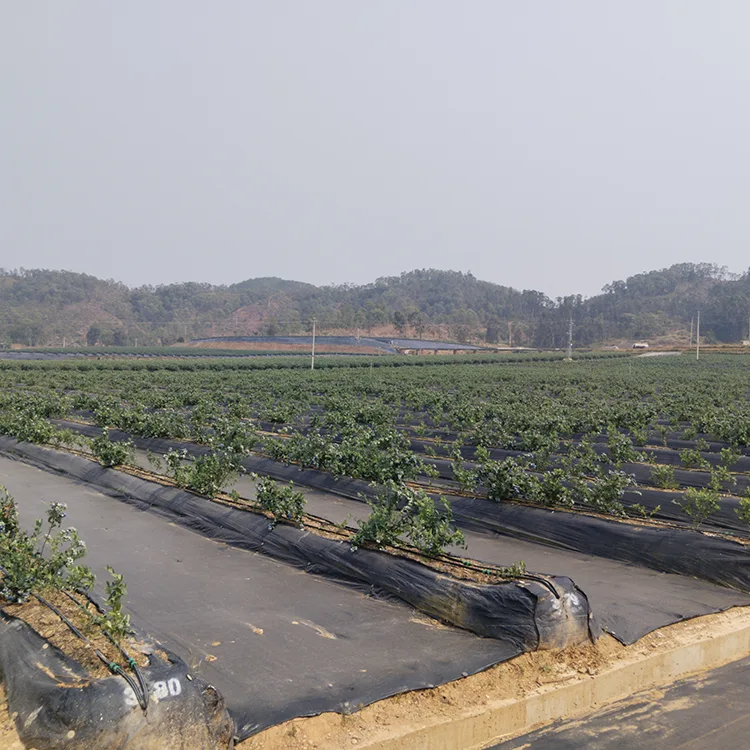
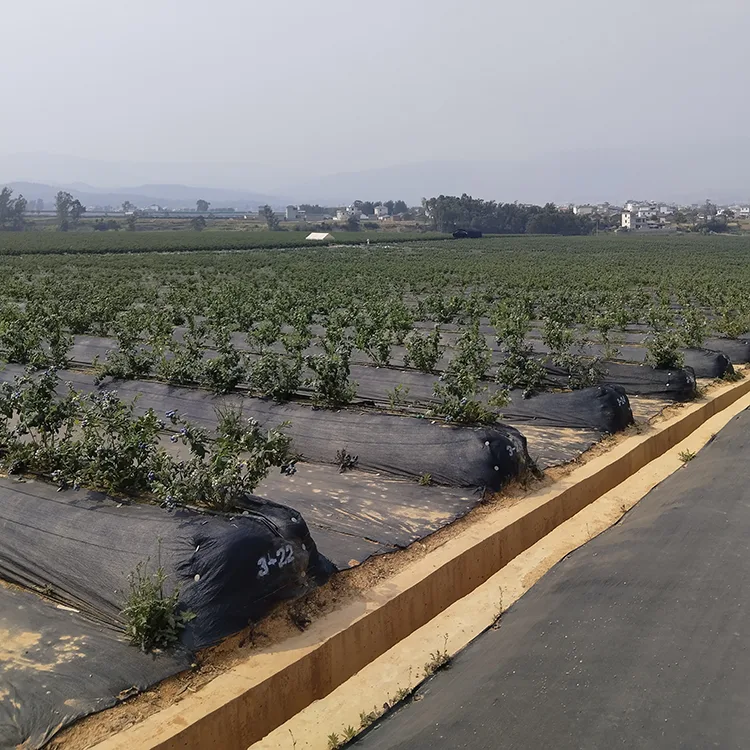
Adaptation of medicinal herb categories and planting scenarios
1. Main root and stem medicinal herbs
Targeted adaptation for major root and stem medicinal herbs such as polygonatum, bupleurum, salvia miltiorrhiza, astragalus, panax, angelica sinensis, platycodon, red peony, white peony, astragalus membranaceus, yushu, and polyporus umbellatus. Perfectly adapted to the growth characteristics of root and stem expansion and fear of waterlogging and root damage.
2. High-end shade-loving precious medicinal herbs
Adapted for medicinal herbs grown in greenhouses and in forest understories, such as notoginseng, ginseng, epimedium, magnolia, radix aconiti, and dendrobium. The sterile and non-toxic material properties can meet the high planting standards of precious medicinal herbs, and are suitable for weak light and high humidity forest greenhouse environments.
3. All-round economic medicinal herb planting scenarios
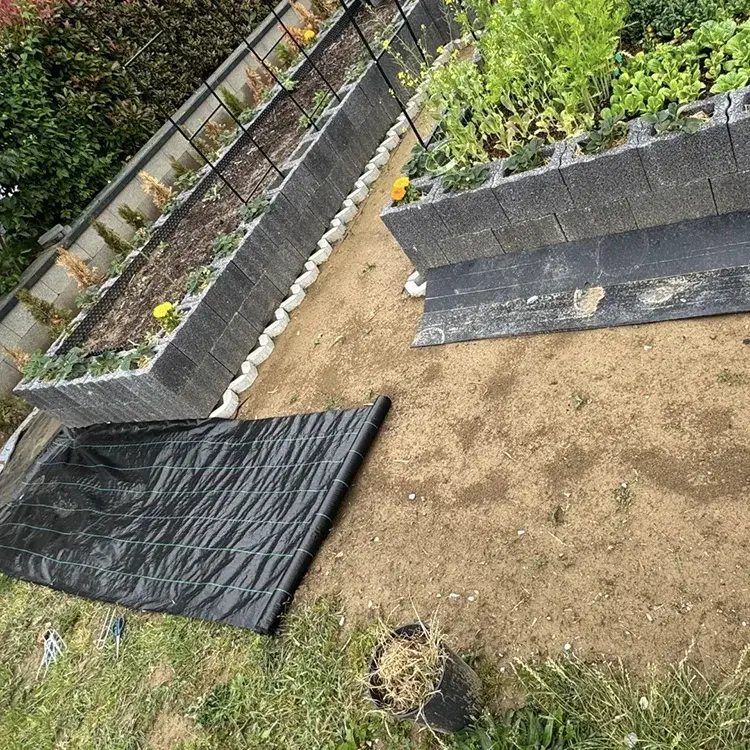
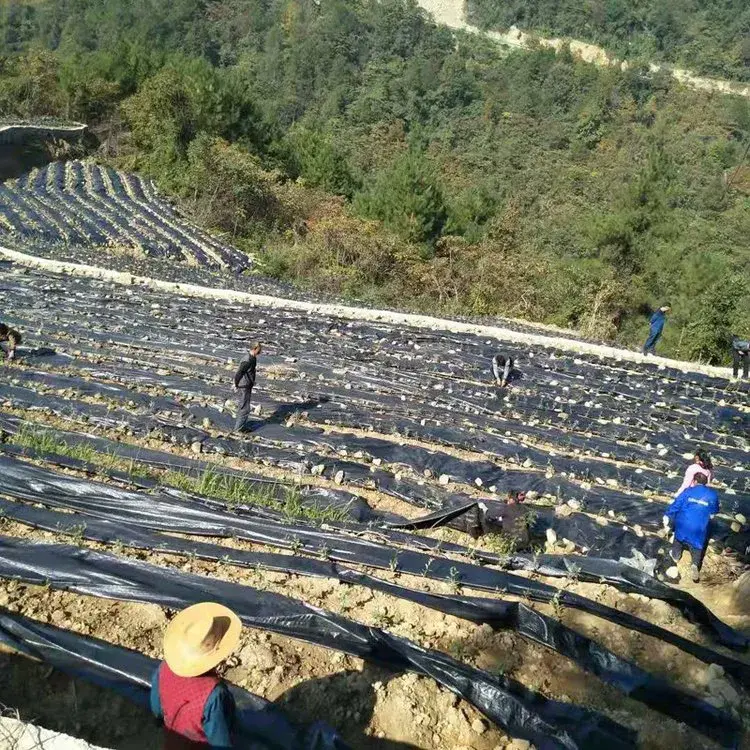
Can be used for open-field contiguous medicinal herb bases such as glycyrrhiza, Scutellaria baicalensis, curculigo, and scutellaria baicalensis; also suitable for medicinal herb seedling beds, full coverage of greenhouse ridges, and mountain and slope planting, with dual functions of suppressing weeds and soil and water conservation, suitable for different planting conditions in different regions of the north and south.
Multi-specification Customization Selection Guide
1. Weight Specification Selection
90g Regular Model: Suitable for short-term annual medicinal plant cultivation, with high cost-effectiveness and meeting basic weed control and protection needs; 100g General Model: Suitable for most open-field and greenhouse medicinal plant cultivation, being the mainstream selection specification for the base; 120g Thickened Model: Specifically customized for perennial precious medicinal plants, with stronger tensile and anti-aging performance, and can be used continuously for 3-5 years.
2. Width and Style Customization
The regular in-stock widths include 1m, 1.2m, 1.5m, and 2m, which can be cut according to the width of the ridge surface; The products are divided into pre-drilled finished products and whole roll non-drilled customized products. They can be customized for hole diameters, row spacings, and plant spacings according to the planting interval, planting mode, meeting the planting needs of all types of medicinal plants.
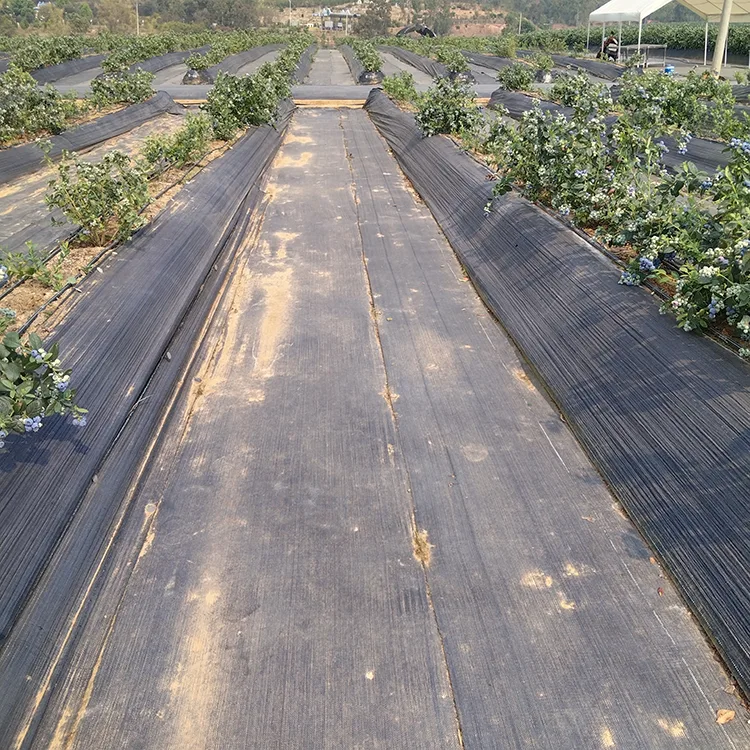
Actual measurement of the landing effect of the base
After long-term field tests conducted by multiple large-scale cultivation bases of Codonopsis pilosula, Polygonatum odoratum, Salvia miltiorrhiza, and Astragalus membranaceus across the country, the physical weed suppression effect of the Herbal Plant Weed Barrier Fabric is stable. The overall weed suppression rate can reach over 96%. Throughout the process, no pesticide spraying is carried out, and the drug residue indicators meet the standards completely. After laying, the soil remains loose and breathable for a long time, without waterlogging or compaction problems. The incidence of root diseases in the medicinal herbs is significantly reduced, the root and stem expand evenly, the surface is intact, the quality rate of medicinal herbs is significantly improved, and it is also compatible with mechanized operations, greatly saving the cost of manual management. It is a standardized supporting material for modern ecological Chinese medicinal herb cultivation.
Daily Maintenance and Planting Usage Suggestions
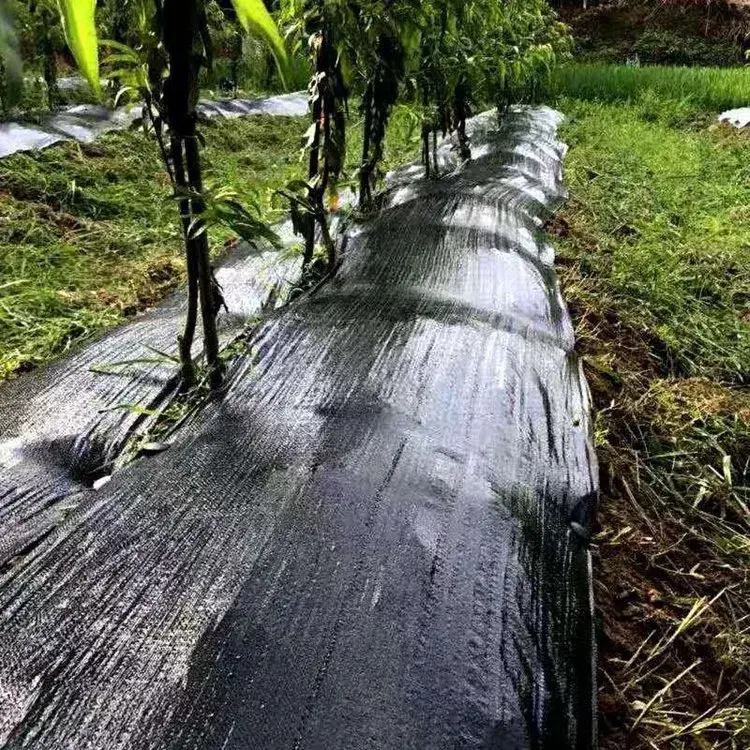
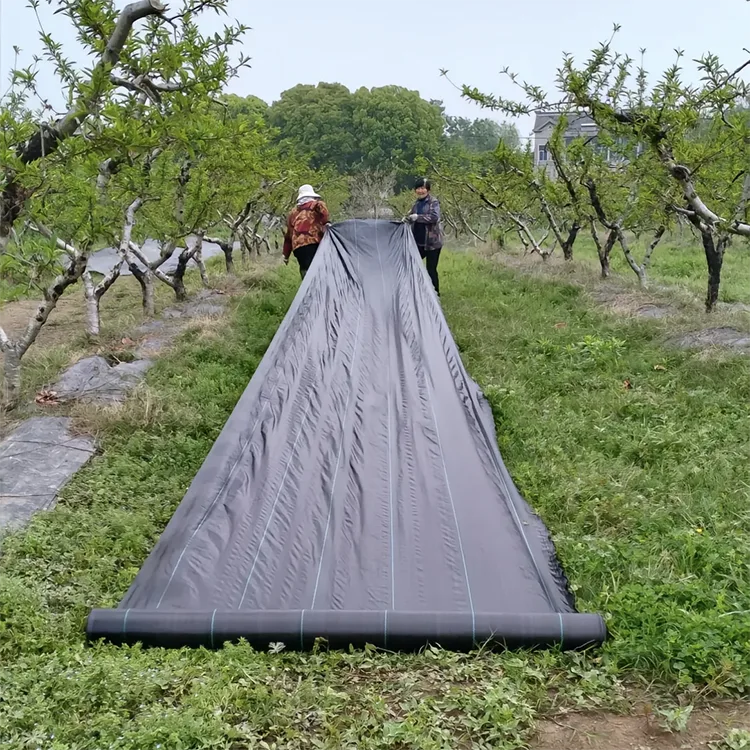
During the laying process, try to lay it smoothly and evenly. Avoid strong pulling and sharp tools scratching the fabric surface. Ensure that the fabric is closely attached to the soil layer to enhance the weed suppression effect. For open-field planting, there is no need to frequently remove the film. The material has inherent UV resistance and anti-aging properties, and can withstand all-weather exposure and wind erosion throughout the year. For perennial medicinal plant cultivation plots, simply clear away the dead branches and debris at the end of each season, and there is no need to frequently replace the fabric. In forest and greenhouse planting areas, maintain normal ventilation management, which can further extend the service life of the fabric materials. During harvesting operations, use compatible machinery for low-speed operation to avoid violent wear and ensure recyclable reuse.
FAQ
Q1: Will the perforated weed prevention fabric allow weeds to grow through the holes and affect the weed suppression effect?
No. The Herbal Plant Weed Barrier Fabric uses a precise point perforation process. Only the necessary holes for planting medicinal herbs are left, while the rest of the area is densely shaded and completely sealed off, providing no light conditions for weed growth. Weeds can only fail to take root and sprout on the fabric surface. The narrow area around the planting holes will not have large-scale weed growth. The overall weed suppression rate remains stable at over 96%, fully meeting the planting requirements of medicinal herb bases.
Q2: What are the essential differences between the medicinal herb-specific weed prevention fabric and the ordinary agricultural weed prevention fabric?
The core difference lies in planting adaptability and safety standards. Ordinary agricultural weed prevention fabrics are mostly made from recycled materials, which may release harmful substances, easily causing excessive heavy metals in medicinal herbs, and have poor water permeability and air permeability, as well as being hard and prone to damaging roots and stems. The medicinal herb-specific model uses food-grade raw materials, which are non-toxic and residue-free. It is custom-perforated for water permeability and flood prevention, with a flexible fabric surface to protect roots, adapted to the growth habits and medicinal detection standards of medicinal herbs, and can be adapted to mechanized operations. It is an ecological planting material that cannot be replaced by ordinary agricultural fabrics.
Q3: Will using the perforated weed prevention fabric in rainy areas cause problems such as root nutrient leakage or nutrient loss?
There will be no problem of nutrient loss. This product has a point-permeable structure, only quickly draining excess water and increasing oxygenation. The water and nutrients inside the soil can be firmly locked by the soil layer and will not quickly seep away with rainwater. Instead, due to the complete isolation of weeds from competing for nutrients, the soil nutrients can be fully supplied to the medicinal herbs for growth, effectively achieving soil conservation and increased yield. It is suitable for planting areas with frequent rainy and humid conditions in the south.
Q4: Can perennial medicinal herbs be reused? How long is their normal service life?
They can be recycled. The 90g and 100g specifications can be used stably for 2-3 years. The 120g thick anti-aging model is suitable for perennial precious medicinal herbs. Under normal maintenance conditions, it can be continuously used for 3-5 years. The material is resistant to sun exposure, weathering, and tearing. As long as there is no artificial damage, it can be adapted for multi-season medicinal herb planting, significantly reducing the cost of base materials.
Q5: In forested, greenhouse, or weak light environment for planting, is it necessary to change the specific model?
No, the model does not need to be changed. This product covers various scenarios such as open-air strong light, forested weak light, and greenhouse sealed environments. In weak light environments, it still maintains excellent weed suppression and oxygenation and water permeability performance. It will not cause mold or decay due to insufficient light. At the same time, the non-toxic material will not affect the forest environment. It is suitable for the cultivation of shade-loving precious medicinal herbs such as ginseng, ligusticum, and dendrobium.
Hot Tags: Herbal Plant Weed Barrier Fabric
Send Inquiry
Contact Info
-
Address
Lingcheng District, Dezhou City, Shandong Province, China
-
Tel
-
E-mail
Welcome global engineering companies, agricultural planting bases and foreign trade distributors to send product consultation, customized processing and wholesale cooperation inquiries. We provide accurate quotation, free technical guidance, customized specification service and efficient after-sales support for Weed Barrier Fabric, Geomembrane Liner and Concrete Blanket Mat.