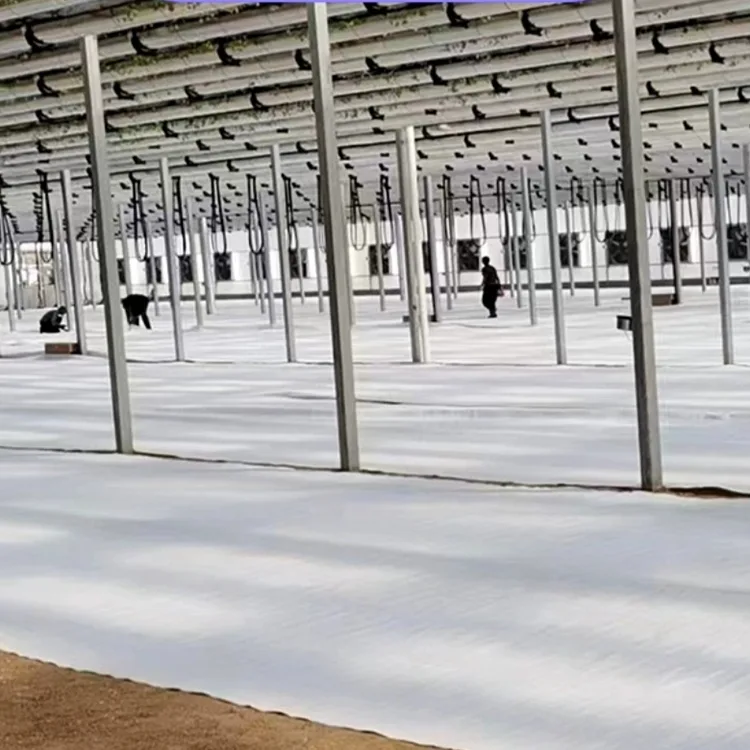
Reflective Silver Weed Barrier Fabric
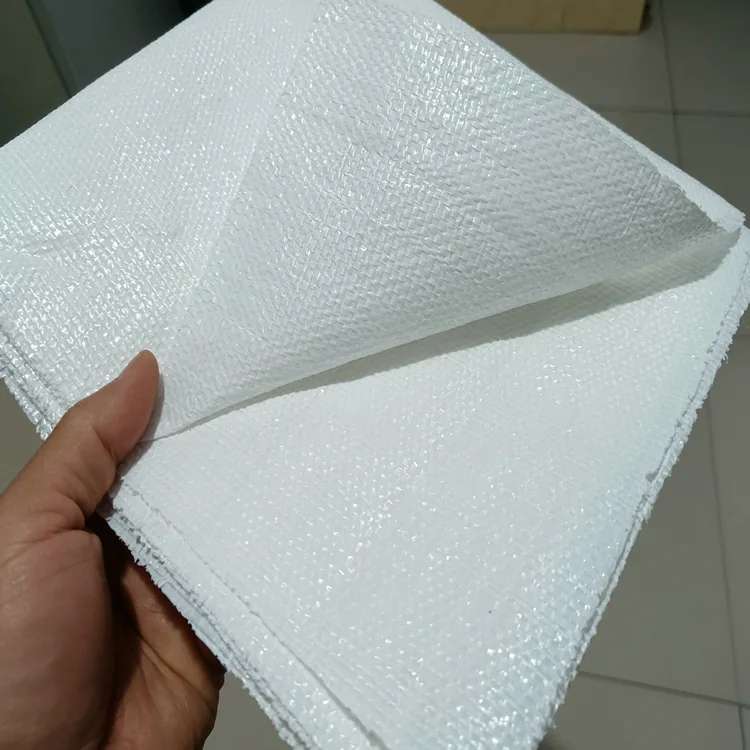
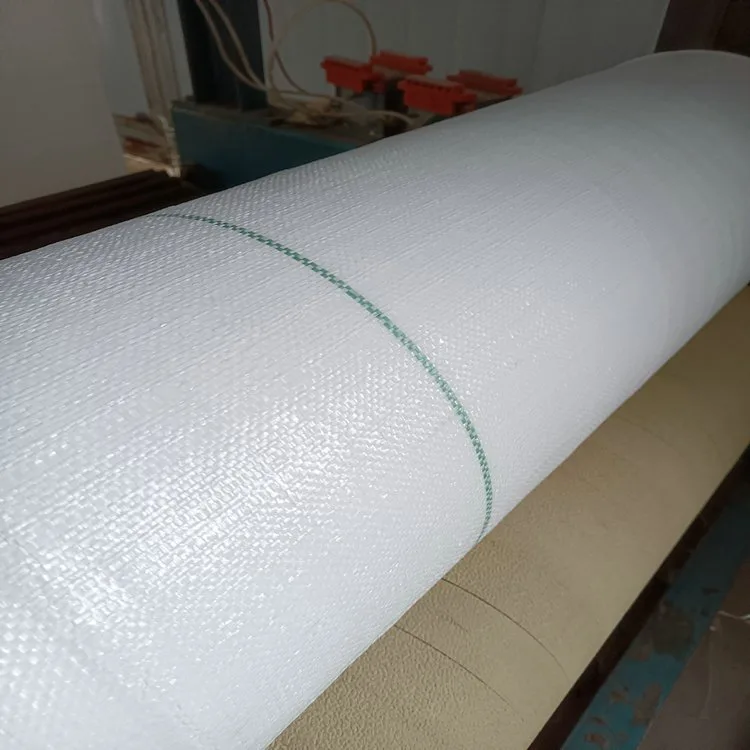
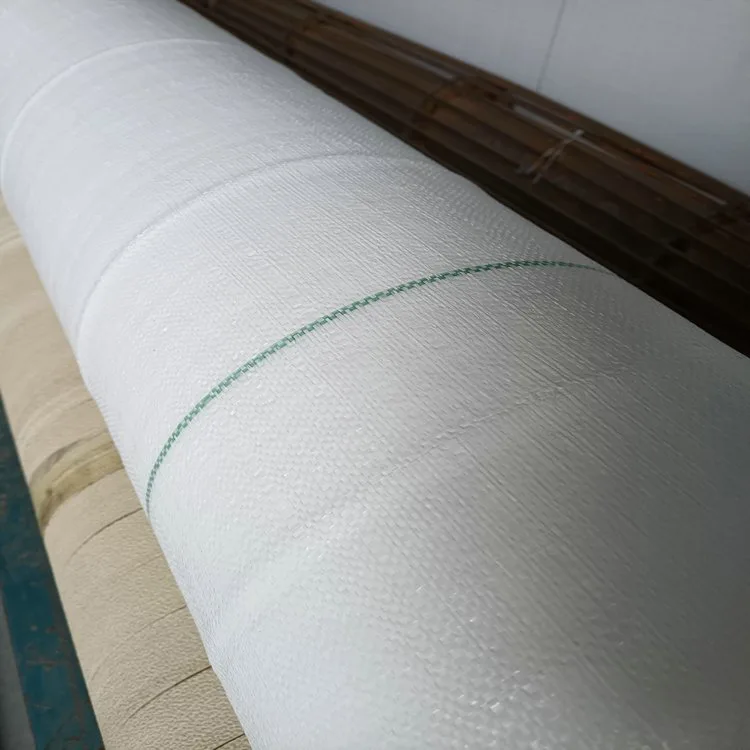
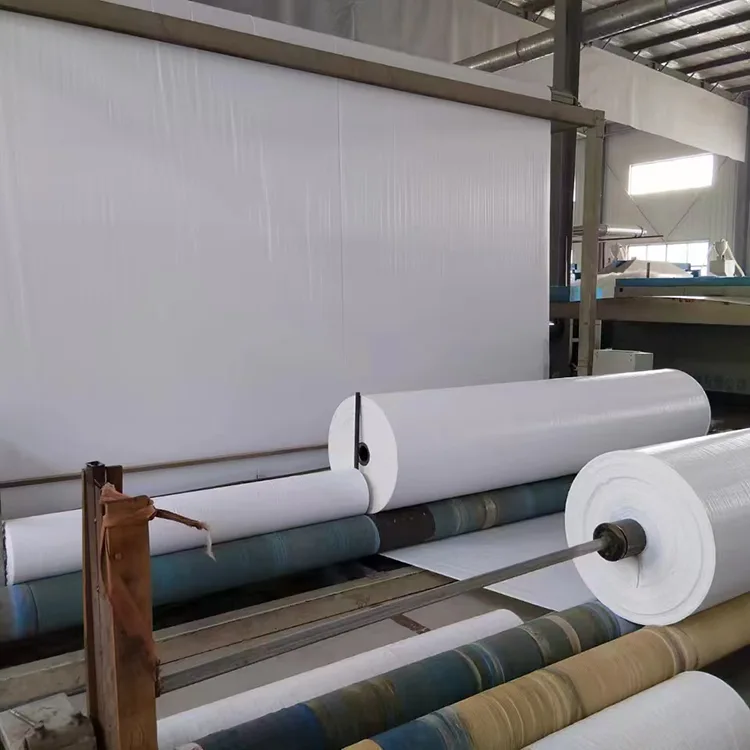
As a professional manufacturer and supplier, Tongfu offers a Reflective Silver Weed Barrier Fabric that integrates multiple functions: shading for weed suppression, light reflection for supplemental illumination, and temperature regulation for cooling. Crafted from virgin PE/PP raw materials combined with weather-resistant additives, this product is ideally suited for applications such as greenhouse cultivation, premium fruit and vegetable farming, and floral nursery operations.
During the daily management and maintenance of greenhouses, premium orchards, and floral nurseries, many growers frequently encounter a variety of challenges. Standard black weed barrier fabrics typically serve only to suppress weeds; they lack the ability to regulate light levels or soil temperatures, making them inadequate for meeting the rigorous demands of high-end cultivation.
Tongfu’s Reflective Silver Weed Barrier Fabric distinguishes itself from conventional black weed control products by adding reflective properties and thermal insulation capabilities—for temperature control—to its core function of physical weed suppression. Simultaneously, it retains essential performance characteristics such as water permeability, breathability, and insect resistance. Characterized by robust materials, meticulous craftsmanship, and a clean aesthetic, the product is aging-resistant and non-polluting. It aligns perfectly with the high standards of modern cultivation models—including agri-tourism, organic farming, and smart greenhouses—by optimizing the growing environment across multiple dimensions to help growers enhance crop quality and boost yields.
Core Functionality
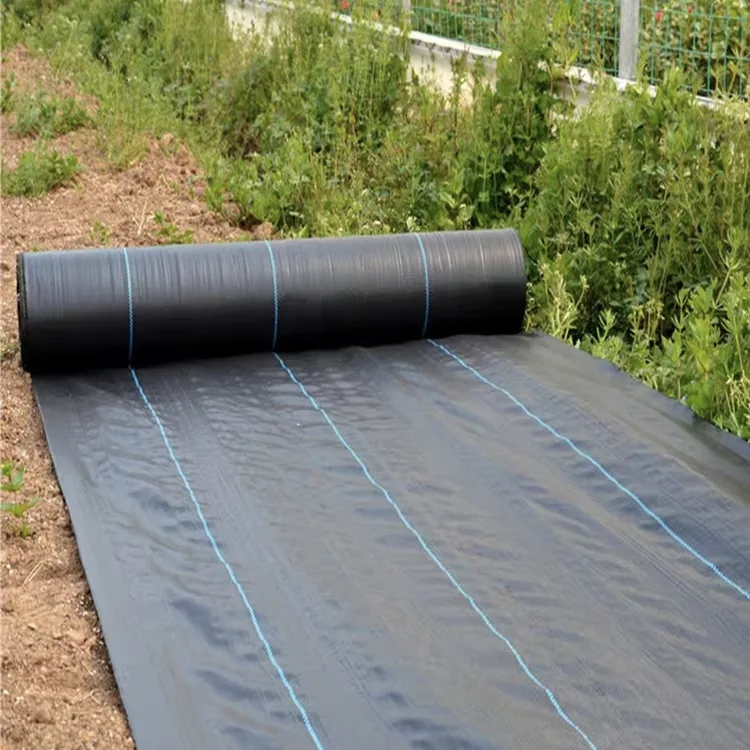
Also known as greenhouse reflective weed barrier fabric, white horticultural ground cover, or light-permeable weed control fabric, this reflective weed barrier is a woven protective material specifically engineered for greenhouses, premium fruit and vegetable cultivation, and floral nursery operations.
The Reflective Silver Weed Barrier Fabric centers on the core objectives of shading for weed suppression, light reflection for enhanced illumination, and temperature control for seedling protection. A single material solution enables the simultaneous execution of multiple tasks: weed control, supplemental lighting, soil temperature regulation, soil moisture retention, water drainage, and pest deterrence. It is widely applicable in settings such as precision agriculture farms, high-end greenhouses, and horticultural tourism sites, offering targeted solutions to common cultivation challenges—including uneven greenhouse lighting, poor fruit coloration, excessive soil temperatures during summer, and rampant weed growth.
Process Features
Raw Material Composition
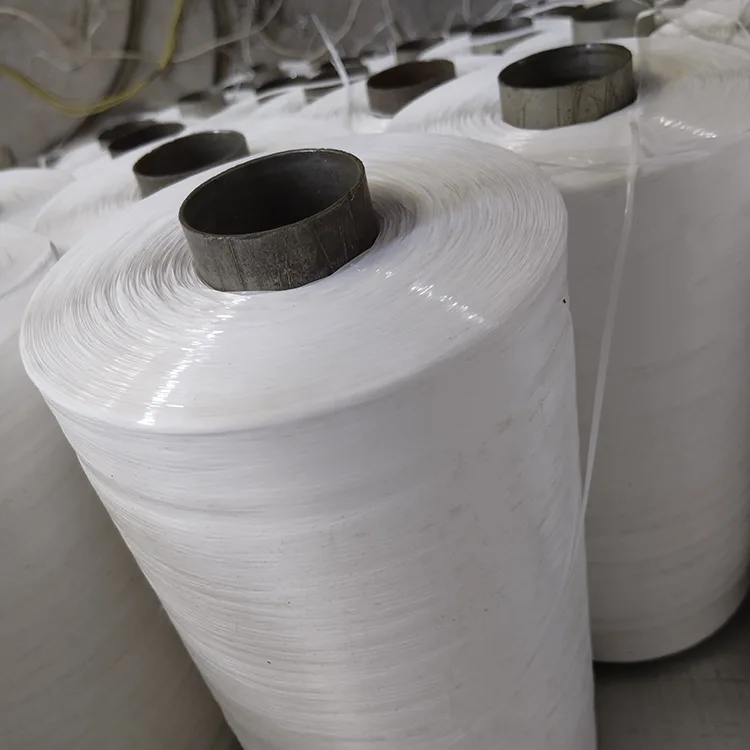
We utilize exclusively virgin, high-density polyethylene (PE) and polypropylene (PP) raw materials for production. Throughout the entire manufacturing process, absolutely no recycled materials are added, ensuring the resulting fabric is free of dust, impurities, and odors. During the manufacturing process, food-grade anti-UV additives, antioxidants, and high-temperature stabilizers are compounded into the material. The raw material components are safe and reliable, ensuring the product's eco-friendliness and operational stability right from the source.
Manufacturing Process
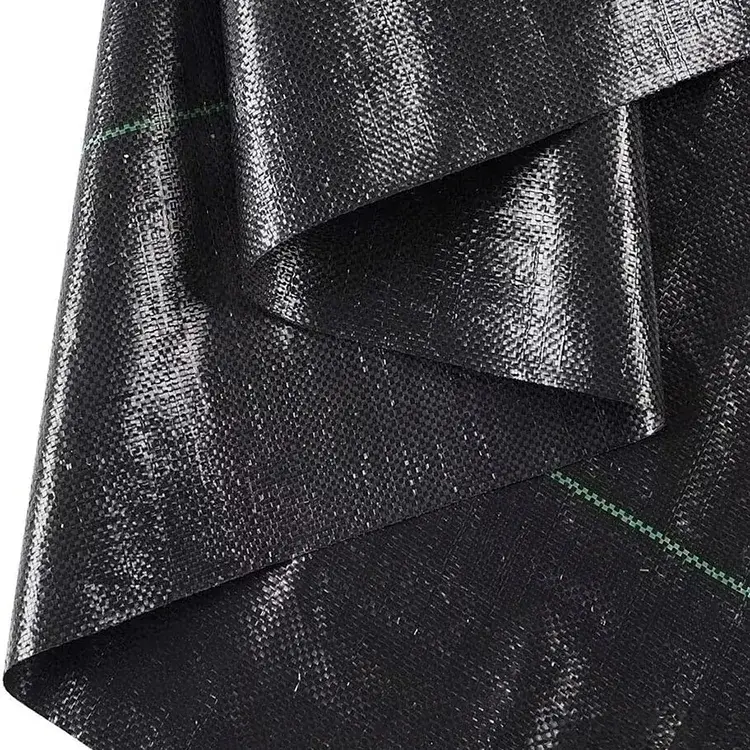
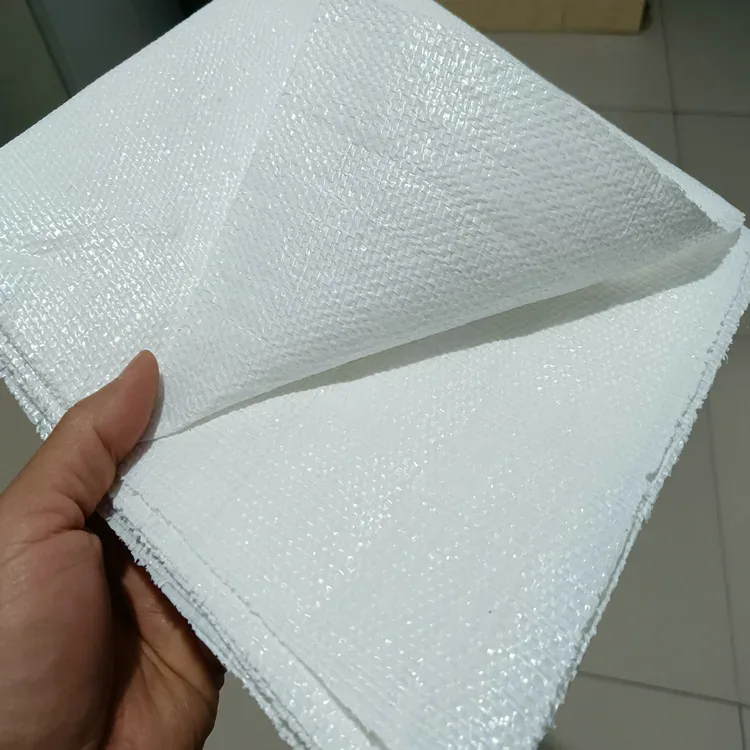
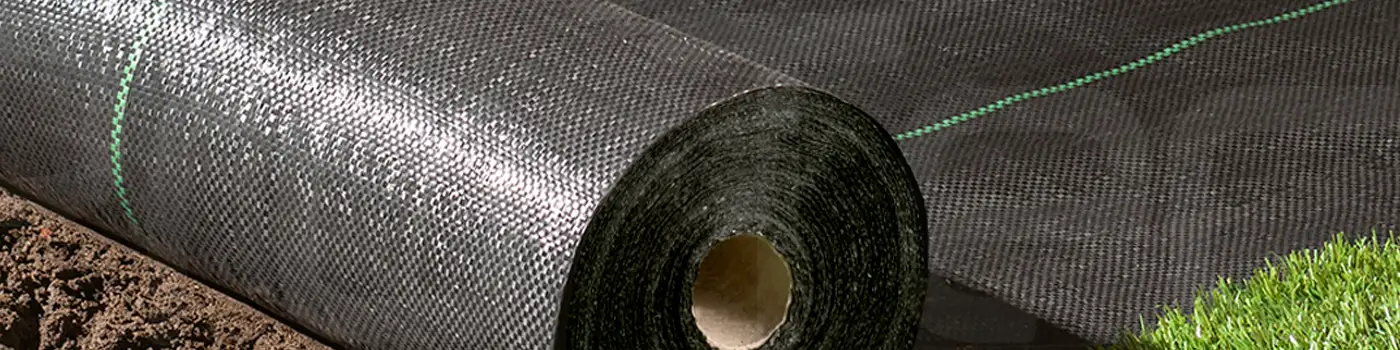
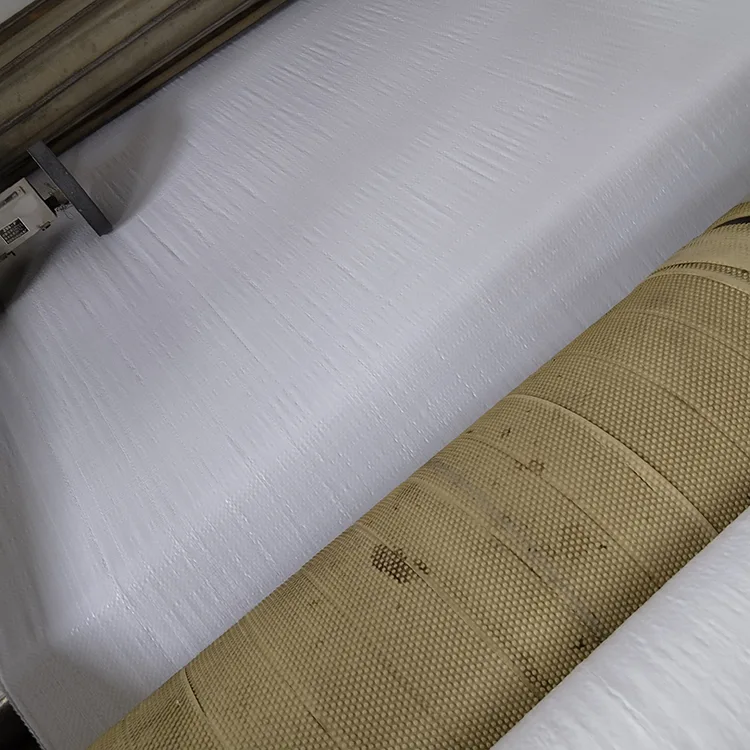
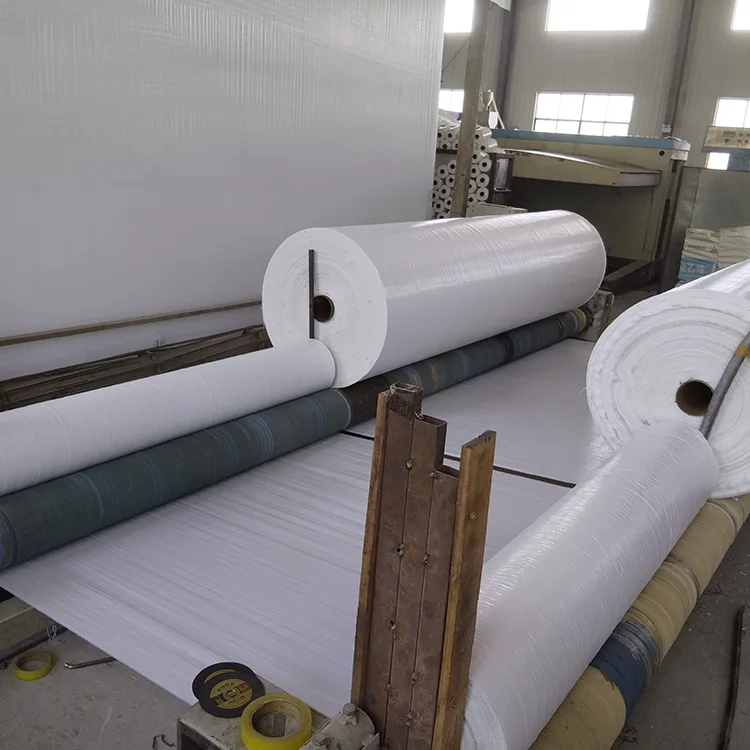
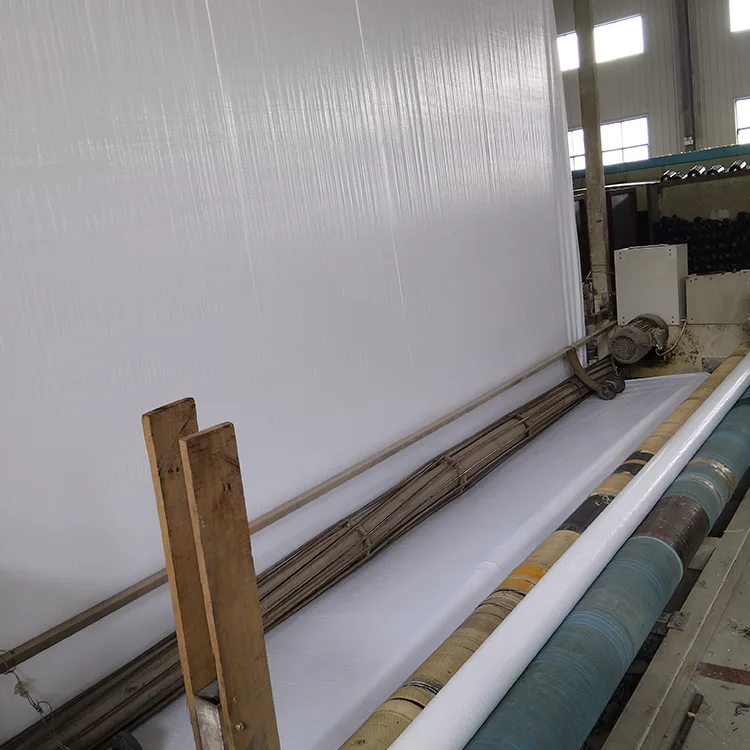
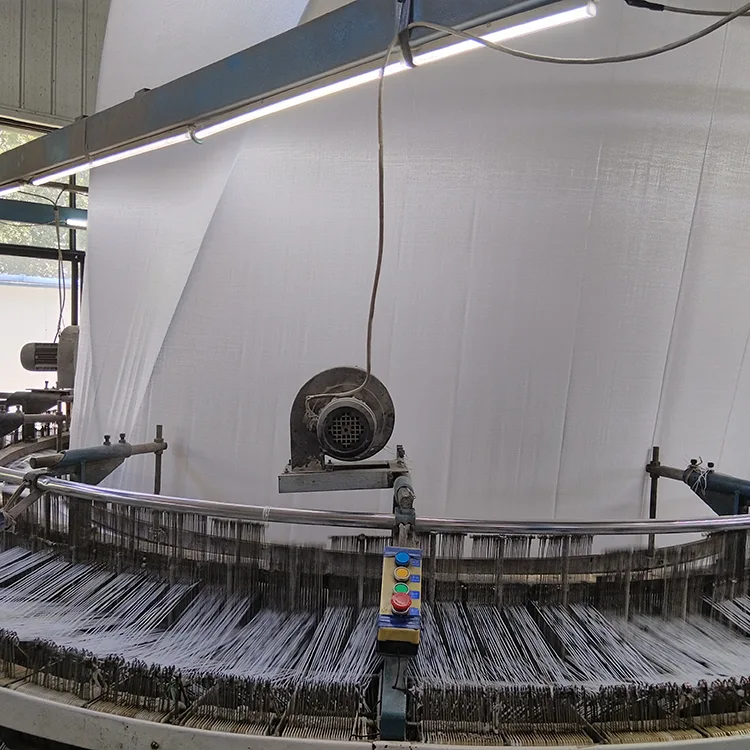
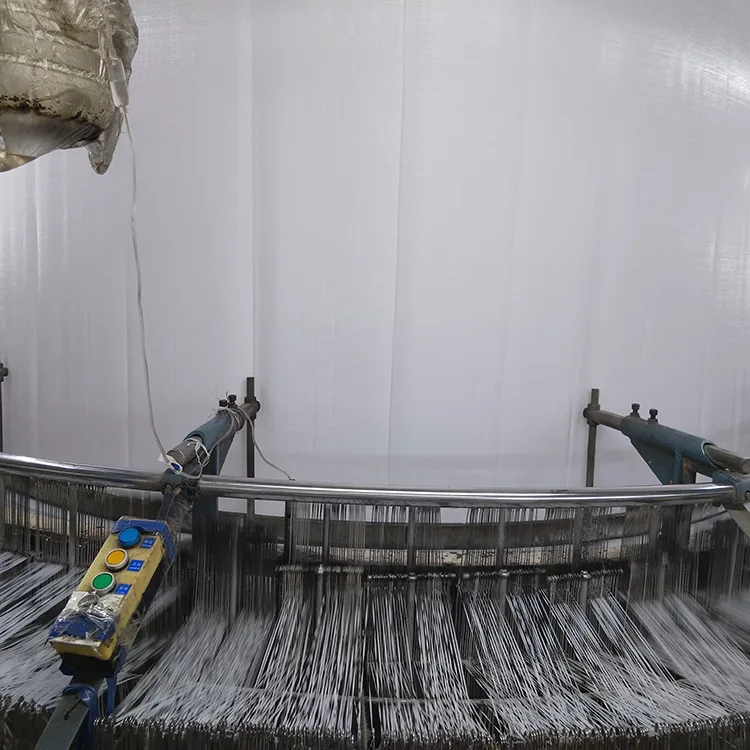
1. Utilizing a precision flat-wire warp-and-weft weaving technique, the fabric is produced as a single integrated unit. The cloth features a dense texture and a smooth surface; the warp and weft yarns are tightly interwoven, preventing issues such as unraveling or loosening during use.
2. Compared to common non-woven fabrics found on the market, this woven ground cover demonstrates significant improvements in tensile strength, abrasion resistance, anti-aging performance, and dimensional stability, making it ideally suited for long-term installation in greenhouses.
Material Characteristics
1. Chemically stable, the material is capable of withstanding the consistently high-humidity environment typical of greenhouses throughout the year. It also resists corrosion from soil acidity and alkalinity, as well as mold growth; whether buried in the soil for extended periods or laid out within the greenhouse, it will not rot or disintegrate into powder.
2. Enhanced with specialized heat-resistant additives, the fabric can withstand the high-temperature environments found in greenhouses during the summer months. It resists deformation and accelerated aging when exposed to heat, making it suitable for the continuous, year-round operational demands of greenhouse cultivation.
Environmental Attributes
The fabric itself is non-toxic and harmless; it does not leach harmful substances and poses no risk of contamination to the soil or crops. It fully complies with the standards for pollution-free, green, and organic farming practices. The Reflective Silver Weed Barrier Fabric can be reused multiple times; upon disposal, it leaves behind no residual pollution, making it a truly green and eco-friendly product.
Core Performance Indicators
|
Parameter |
Standard Specification |
Notes |
|
Grammage (Weight per Unit Area) |
90–120 g/m² |
Conventional specification for greenhouse planting scenarios |
|
Fabric Width |
1–6 Meters |
Customizable cutting available according to actual construction needs |
|
Weed Control Performance |
Light Shading Rate ≥93% |
Physically blocks weed photosynthesis, achieves high-efficiency weed inhibition, and prevents weeds from competing for soil water and fertilizer nutrients |
|
Light Reflection & Brightening Performance |
High-reflective white surface layer with excellent light reflectivity |
Uniformly reflects diffused light in the greenhouse, improves illumination on the back of crop leaves and at the bottom of plants, and solves the problems of uneven fruit coloring and slow ripening |
|
Temperature Control & Heat Insulation Performance |
Effectively reduces soil surface temperature in summer |
Buffers direct sunlight on the soil, avoids high-temperature root stewing and burning, stabilizes root growth temperature, and improves crop stress resistance |
|
Water & Air Permeability Performance |
Uniform and permeable woven pore structure |
Rainwater and irrigation water infiltrate quickly, no surface water accumulation or root rot; ensures normal soil air circulation and prevents soil compaction |
|
Anti-Aging & Weather Resistance Performance |
Conventional type: 2–4 years service life |
Added high weather-resistant UV additives, adapts to long-term high temperature and high humidity environment in the greenhouse, not easy to become brittle, crack or powder |
|
Physical Strength |
Warp and weft bidirectional tensile, tear and puncture resistant |
Wear-resistant and trampling-resistant, not easy to be damaged by daily farming operations or slight friction of farm tools |
Key Product Advantages
1. Comprehensive Weed Suppression: Its high-density, light-blocking structure effectively suppresses weed growth across the entire covered area. This eliminates the need for repetitive manual weeding or the application of herbicides, thereby saving on labor and agricultural input costs while simultaneously avoiding the phytotoxicity and chemical residues associated with pesticide use.
2. Reflective Light Supplementation: Leveraging its inherent reflective properties, the Reflective Silver Weed Barrier Fabric provides uniform supplementary lighting to the crops. This allows plants to maximize photosynthesis, resulting in fruits and vegetables with uniform coloring and vibrant hues. Furthermore, it promotes earlier crop maturation, effectively enhancing the commercial value of the agricultural produce.
3. Cooling and Root Protection: The fabric acts as a buffer against direct sunlight exposure to the soil during the intense summer months, thereby lowering surface temperatures. This safeguards the health of the crop root systems, mitigates issues such as root rot and premature plant senescence caused by high heat, and ultimately boosts the summer survival rate of greenhouse-grown crops.
4. Permeability and Moisture Retention: The breathable and water-permeable structure allows for the rapid drainage of excess water while simultaneously reducing soil moisture evaporation and locking in water and nutrients. With long-term use, it maintains a loose soil structure, preventing soil compaction and salinization.
5. Neat and Tidy Appearance: The fabric surface is flat, clean, and visually refreshing. When used in settings such as agri-tourism picking gardens or high-end seedling nurseries, it helps maintain a neat and standardized environment, thereby enhancing the overall aesthetic and image of the facility.
6. Pest and Disease Control: It acts as a physical barrier, preventing insect eggs and pathogens within the soil layer from migrating upward. This reduces the incidence of soil-borne diseases and pest infestations, keeps crop root zones dry and clean, and makes cultivation management significantly more hassle-free.
7. Robust and Durable: Resistant to high temperatures, humidity, and aging, it is ideally suited for the enclosed, high-humidity environments typical of greenhouses. It is resistant to mold and tearing; once laid, it can remain in use for many years, offering a lower cost of ownership over the long term.
8. Wide Range of Applications: The fabric features a soft texture and lightweight design, allowing it to be cut to size as needed. It easily adapts to irregularly shaped areas—such as greenhouse corners, seedling beds, and planting ridges—and is simple to lay and secure, enabling even beginners to complete the installation quickly and efficiently.
Key Application Scenarios
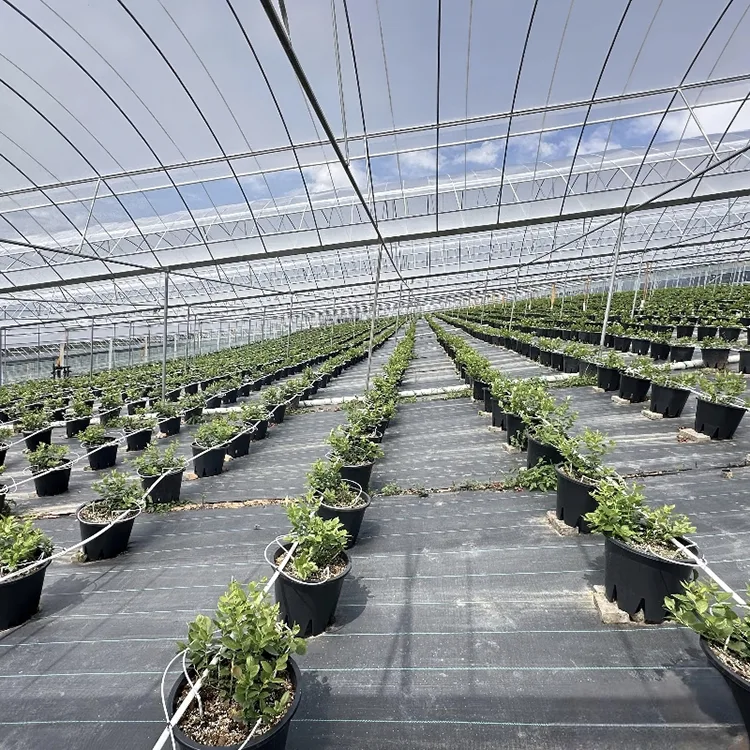
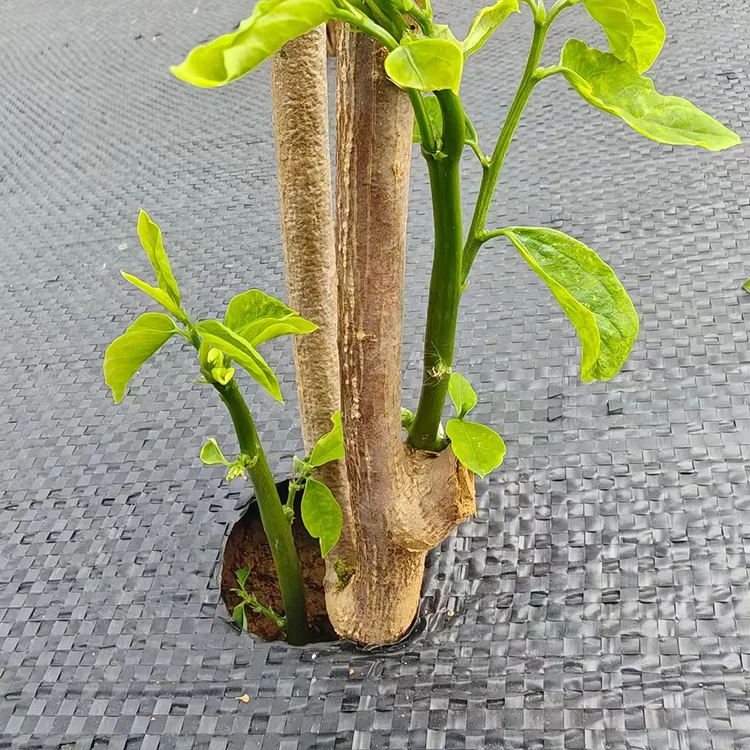
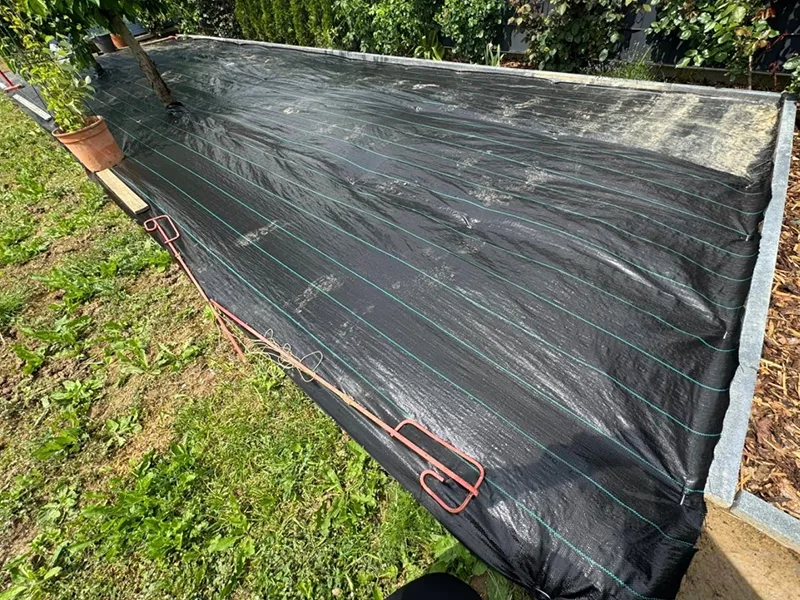
1. Greenhouse Cultivation: Suitable for various vegetable greenhouses, fruit-growing structures, multi-span greenhouses, and smart greenhouses. When laid over planting ridges or between rows, it serves multiple functions: weed suppression, light reflection to boost illumination, and temperature regulation to protect root systems.
2. Premium Fruit and Vegetable Production: Ideal for plots dedicated to high-value crops such as strawberries, grapes, cherries, tomatoes, peppers, and melons. It promotes uniform fruit coloration and earlier maturation, thereby increasing the yield ratio of premium-grade produce.
3. Flower and Nursery Stock Propagation: Deployed in flower seedling beds, beneath potted plants, and in cutting propagation zones. It suppresses weeds and retains soil moisture while supplementing light exposure, fostering robust seedling growth and boosting overall propagation survival rates.
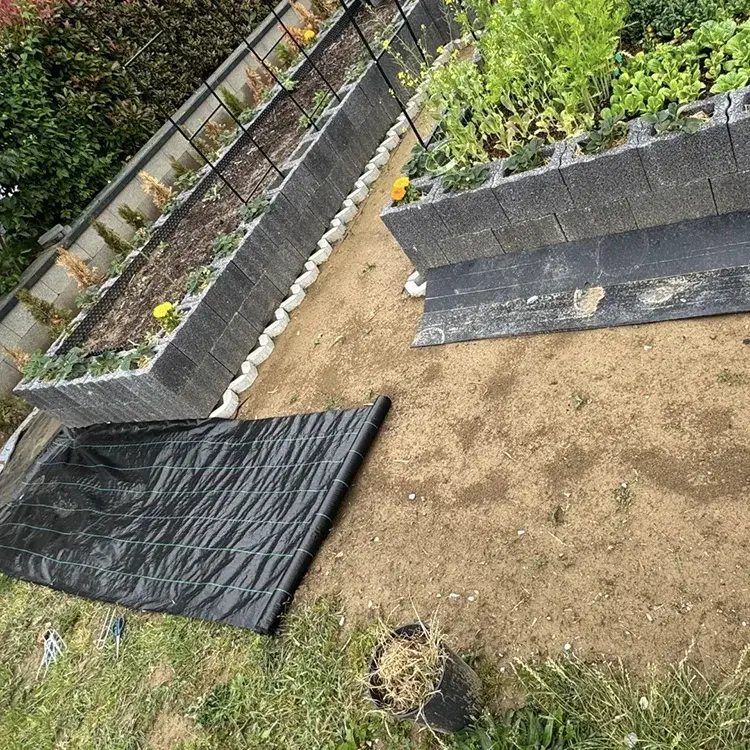
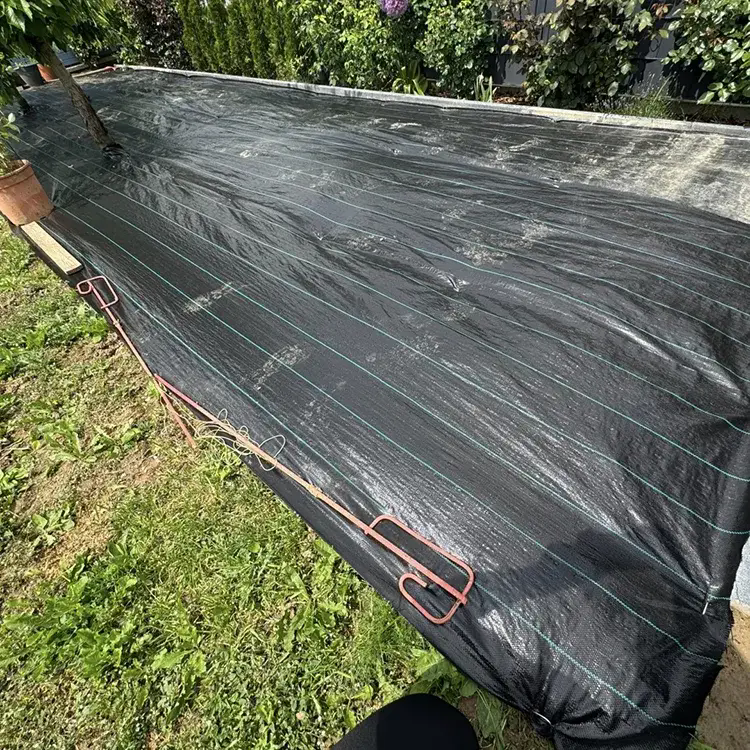
4. High-End Landscaping and Horticulture: Perfect for agri-tourism picking gardens, private courtyards, expansive floral landscapes, and premium bonsai gardens. It effectively combines weed suppression and dust control with aesthetic enhancement, creating a clean, beautiful, and well-maintained landscape environment.
5. Organic and Ecological Cultivation: Ideal for green organic farms and pesticide-free cultivation bases, adhering to pesticide-free and herbicide-free planting standards to safeguard the ecological integrity of the growing environment.
6. Integrated Farming Applications: Suitable for installation in greenhouse cultivation zones, around seedling nurseries, and along visitor walkways; serves to suppress weeds and prevent moisture accumulation, thereby maintaining site cleanliness and minimizing insect breeding.
Usage Guidelines
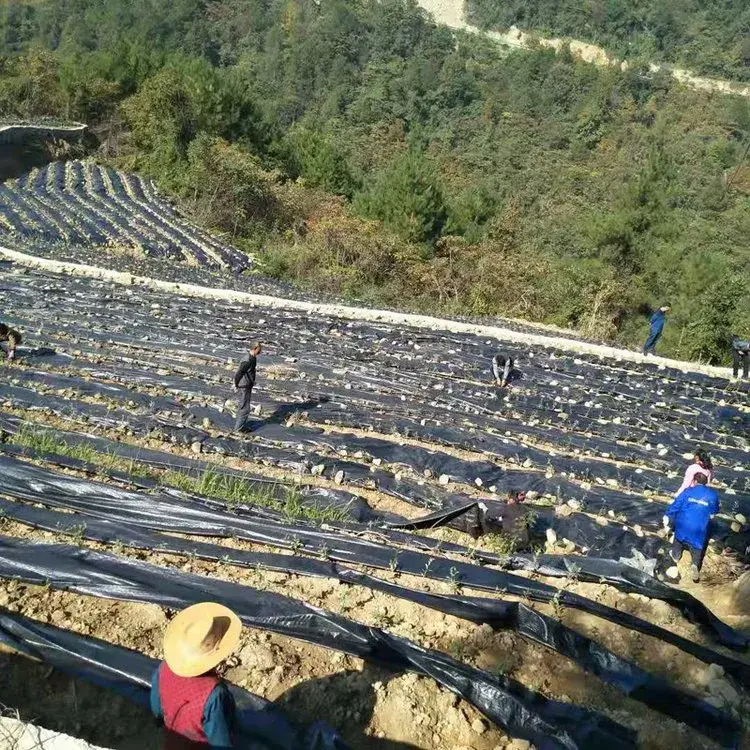
1. Pre-installation Preparation: Before formal installation, thoroughly clear the ground of sharp debris—such as gravel, thorns, and tree roots—to prevent hard objects from puncturing the fabric and damaging its structural integrity.
2. Installation Process: During installation, pull the fabric taut and flat to avoid wrinkles. Secure the edges using ground stakes or by covering them with compacted soil to prevent wind uplift or curling.
3. Routine Use: During daily operations, avoid intentionally cutting the fabric with sharp tools or subjecting it to forceful dragging to maximize its service life.
4. High-Temperature Environments: For greenhouse settings subject to prolonged high temperatures during the summer, we recommend selecting the thickened, anti-aging variant to further enhance product durability.
5. Storage: When storing the Reflective Silver Weed Barrier Fabric, keep it in a dry, well-ventilated area. Avoid subjecting it to prolonged heavy pressure or direct exposure to the elements (sunlight/rain).
Hot Tags: Reflective Silver Weed Barrier Fabric, China, Manufacturer, Supplier, Factory
Send Inquiry
Contact Info
-
Address
Lingcheng District, Dezhou City, Shandong Province, China
-
Tel
-
E-mail
Welcome global engineering companies, agricultural planting bases and foreign trade distributors to send product consultation, customized processing and wholesale cooperation inquiries. We provide accurate quotation, free technical guidance, customized specification service and efficient after-sales support for Weed Barrier Fabric, Geomembrane Liner and Concrete Blanket Mat.