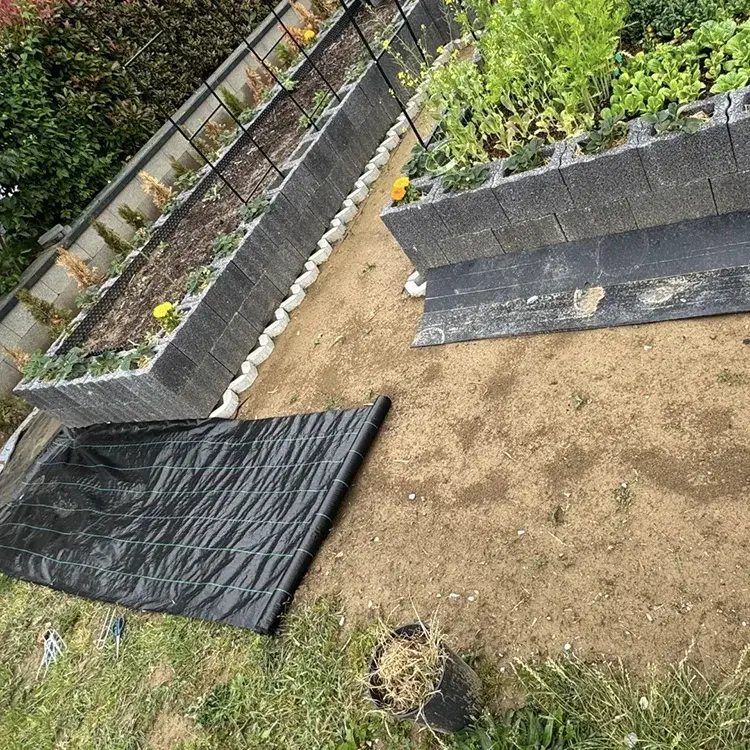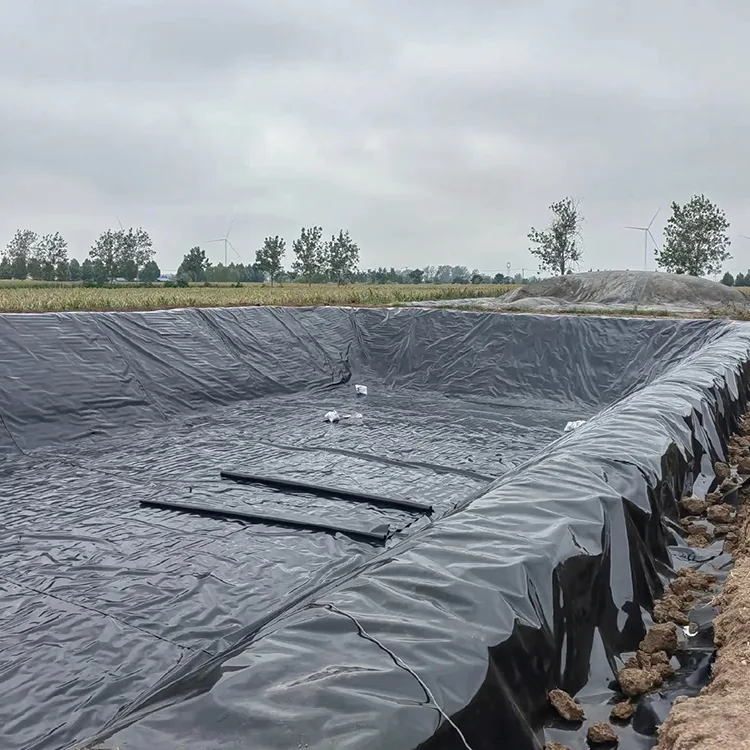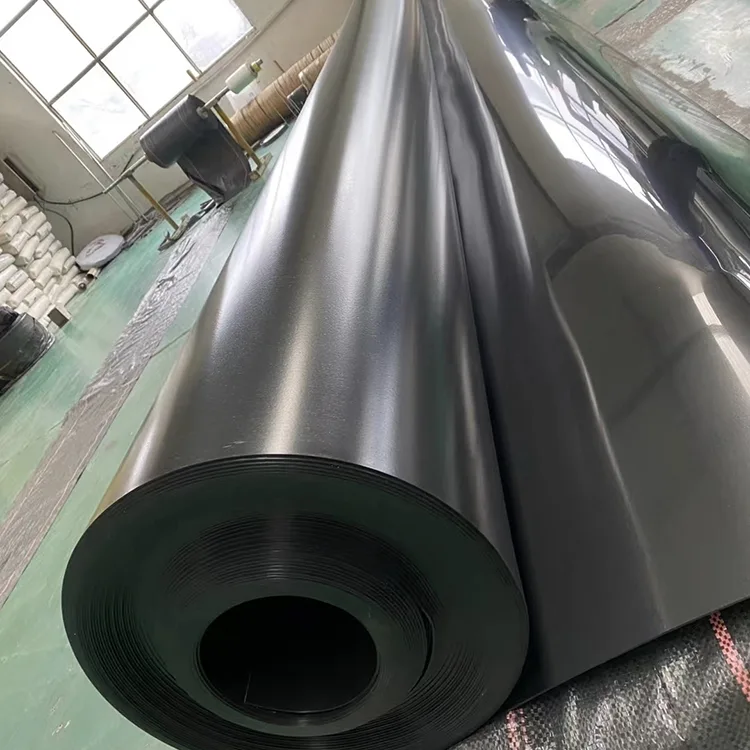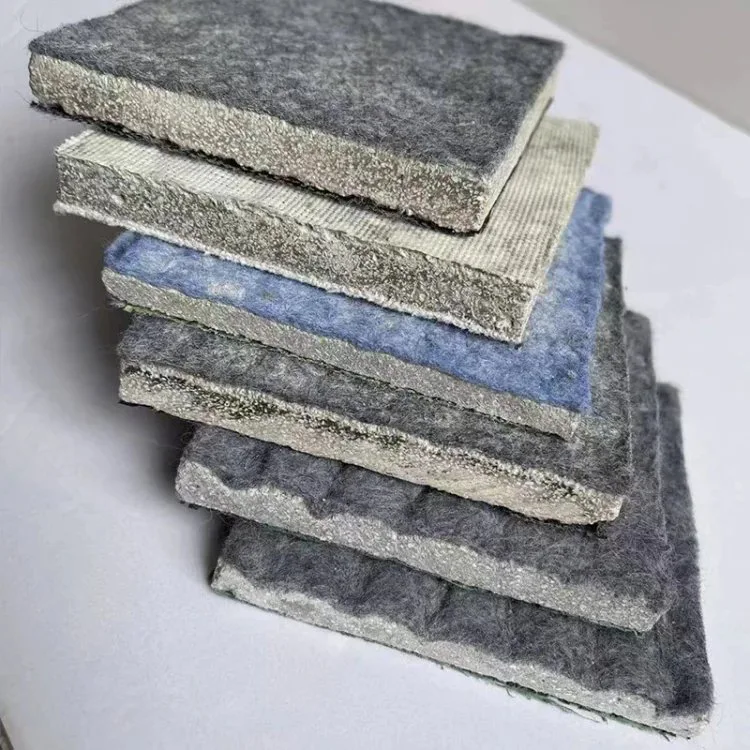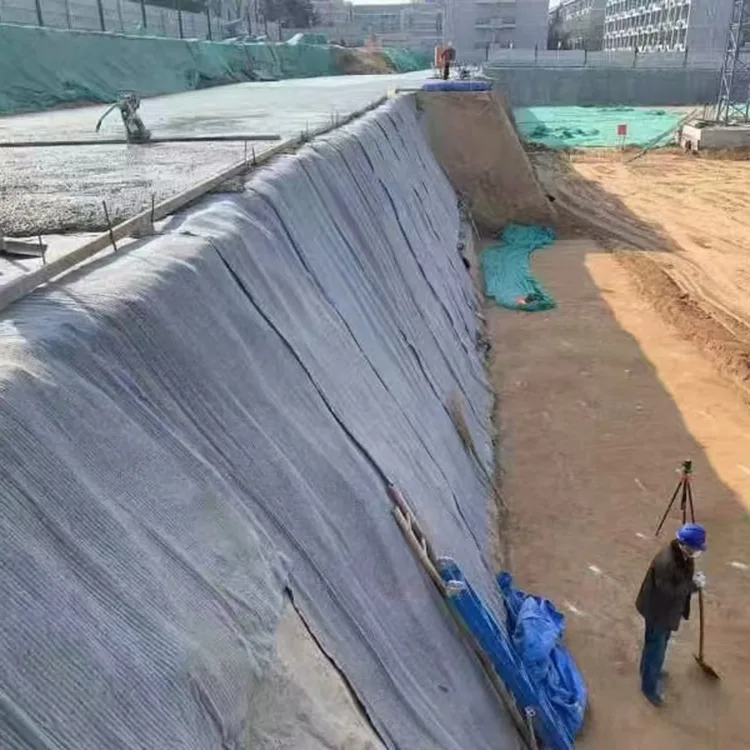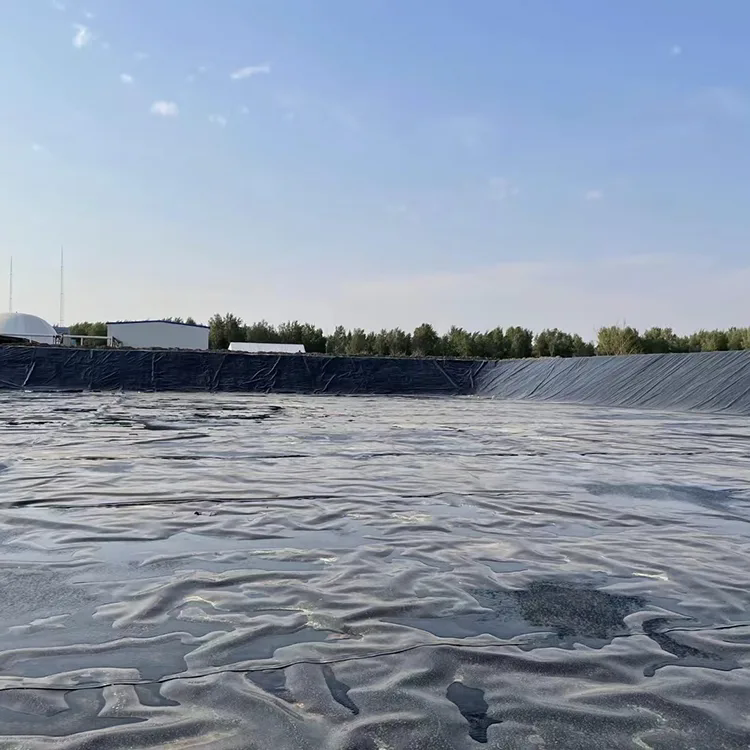

Article Summary: Tongfu’s Hillside Protection Concrete Blanket is a flexible cement-based slope protection solution designed for steep mountains, bare slopes, roadside embankments, mining areas, and other erosion-prone terrain. By combining a reinforced fiber structure with fast-hardening cement, it can be rolled, transported, laid, and hydrated directly on site, providing a continuous protective surface against rain erosion, water infiltration, shallow landslides, and weathering.
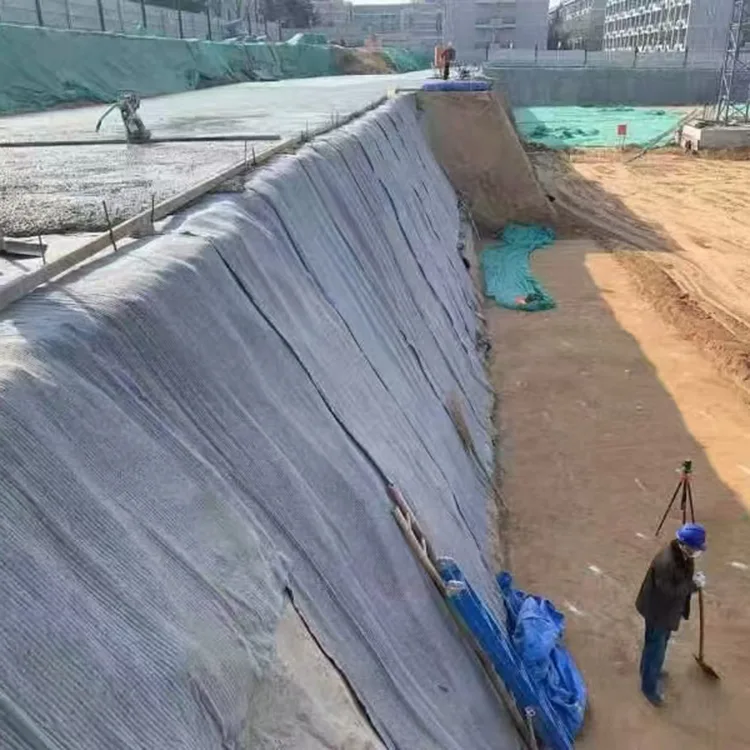
Table of Contents
What Is a Hillside Protection Concrete Blanket?
Why Is It Needed for Modern Slope Protection?
What Are the Key Performance Benefits?
How Should the Right Specification Be Selected?
How Is It Installed on a Hillside?
What Does a Real Project Demonstrate?
What Is a Hillside Protection Concrete Blanket?
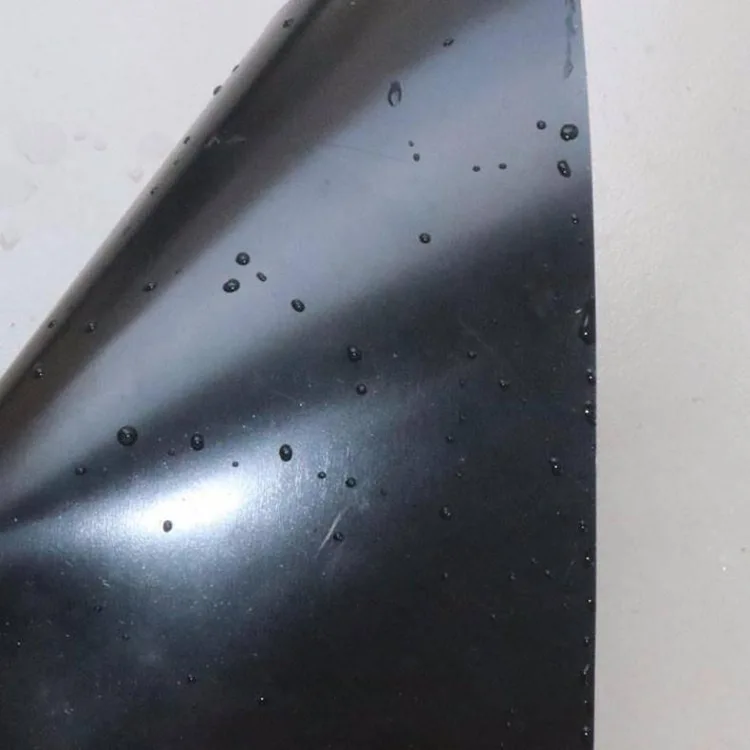
A Hillside Protection Concrete Blanket is a flexible composite material engineered to protect slopes from erosion, water penetration, weathering, and surface instability. Unlike conventional cast-in-place concrete, it is supplied as a flexible sheet that can be transported and positioned on irregular terrain before being activated with water.
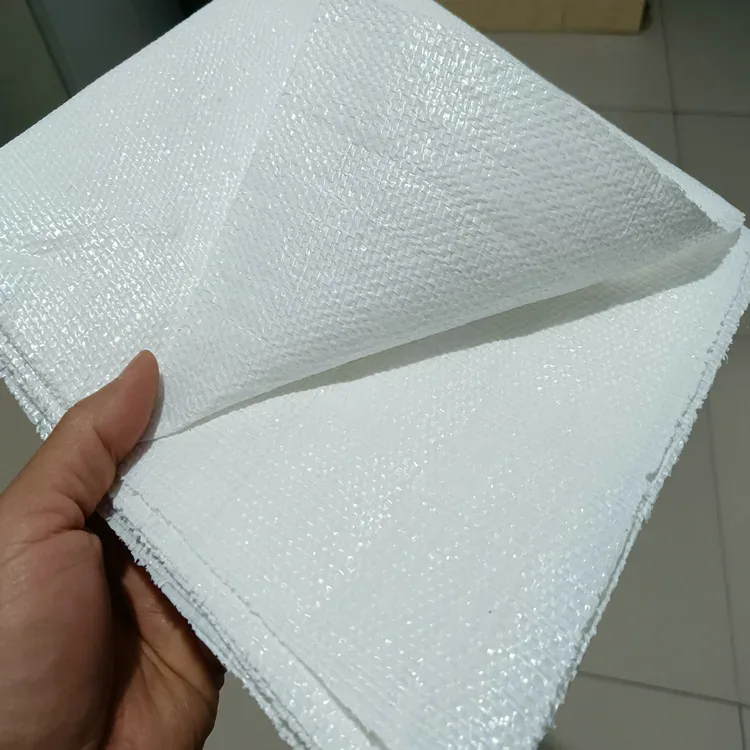
The product combines a high-strength multi-layer reinforcement structure with a specially formulated dry cement-based material. In its dry state, the blanket can be rolled and handled relatively easily. After installation and controlled watering, the cement component hydrates and hardens into a continuous protective layer.
This construction concept is particularly useful where steep terrain makes conventional formwork, concrete mixing, and heavy machinery difficult to use. According to Tongfu, its concrete blanket has been developed for mountain slopes, bare slopes, mining embankments, roadside slopes, and other challenging environments where rapid installation and long-term erosion resistance are important.
Why Is It Needed for Modern Slope Protection?
Mountain and hillside projects are exposed to several interacting risks. Heavy rainfall can wash away surface soil, concentrated runoff can create gullies, and repeated wetting and drying can weaken exposed slope materials. In colder regions, freeze-thaw cycles can further increase surface deterioration.
Traditional slope protection methods can require substantial preparation. Cast-in-place concrete generally involves formwork, material transportation, mixing, placement, and curing. These processes become more difficult when access is restricted or when the slope contains irregular surfaces.
A flexible concrete blanket provides an alternative approach by moving much of the construction complexity away from the slope itself. The material can conform to irregular terrain before hardening, reducing the need for conventional formwork.
- Reduced dependence on large machinery: Useful where access roads or working platforms are limited.
- Fast surface protection: Water activation allows the cement layer to begin setting rapidly.
- Adaptation to irregular terrain: The flexible blanket can follow uneven slope profiles before curing.
- Continuous protection: Once hardened, it forms a dense surface layer that limits direct exposure of the underlying soil.
- Reinforced structure: The internal reinforcement helps distribute stresses associated with minor ground movement.
What Are the Key Performance Benefits?
Rapid Setting for Time-Sensitive Projects
One of the main advantages is construction speed. Tongfu states that the material can initially set after approximately 30 minutes of watering, reach basic slope protection strength within 24 hours, and achieve its stated design strength after approximately seven days under appropriate curing conditions.
This characteristic can be valuable for emergency slope reinforcement, roadside maintenance, and projects that need to reduce exposure to approaching rainy seasons.
Reinforcement and Crack Resistance
The multi-layer reinforced structure is designed to distribute tensile stress generated by minor settlement or displacement of the slope surface. This is important because rigid protective layers may be vulnerable when the underlying ground moves unevenly.
Rather than relying solely on a rigid cement layer, the reinforced composite structure combines flexibility during installation with structural integrity after curing.
Resistance to Rain and Surface Erosion
After hardening, the blanket creates a dense protective surface that limits direct contact between rainfall, runoff, and exposed soil. This helps reduce common problems such as surface washout, erosion channels, and soil loss.
Reduced Water Infiltration
For slopes where rainfall infiltration contributes to soil weakening, a continuous cement-based surface can help reduce water entering the protected slope. This can be particularly relevant for shallow erosion and surface instability caused by repeated rainfall.
Long-Term Outdoor Performance
Mountain slopes are exposed to sunlight, wind, rain, temperature fluctuations, and sometimes freezing conditions. Tongfu provides reinforced and anti-freeze options for demanding high-altitude environments and states that its product can be designed for a service life exceeding 30 years under normal outdoor conditions.
How Should the Right Specification Be Selected?
Choosing a concrete blanket should not be based on thickness alone. Slope angle, surface material, erosion intensity, climate, and project duration should all be considered before selecting a specification.
| Slope Condition | Typical Slope Angle | Recommended Thickness | Typical Application |
|---|---|---|---|
| Gentle soil slope | Below 30° | 8–10 mm | Bare land restoration and basic soil fixation |
| Regular steep slope | 30°–60° | 12–15 mm | Roadside slopes, highways, mine restoration |
| Steep gravel or rocky slope | Above 60° | 18–20 mm | High-risk slopes and areas with stronger impact exposure |
| High-altitude or freeze-thaw area | Project dependent | Customized | Cold climates and severe mountain environments |
The table provides a practical starting point rather than a substitute for engineering assessment. For demanding slopes, the final specification should be determined according to actual geological conditions, drainage requirements, erosion intensity, and project standards.
Where Can It Be Used?
The flexibility of this material allows it to address multiple slope protection requirements across transportation, mining, water conservancy, and municipal construction.
Roadside and Highway Slopes
Roadside mountain slopes can experience heavy rainfall, runoff, weathering, and falling debris. A continuous protective layer can help stabilize exposed surfaces and reduce erosion-related maintenance requirements.
Mining and Ecological Restoration
Abandoned mining slopes, waste rock areas, and exposed surfaces can be particularly vulnerable to soil loss. Concrete blankets can provide an engineered surface during restoration and water-and-soil conservation projects.
Mountain Flood Prevention
Slopes close to mountain reservoirs, drainage routes, and flood-prone areas can experience strong water flow during heavy rainfall. A hardened protective layer can improve resistance to surface scour.
Municipal and Landscape Projects
The material can also be considered for irregular slopes around parks, infrastructure sites, foundation pits, and other areas where conventional concrete construction is difficult.
How Is It Installed on a Hillside?
Correct preparation is essential to achieving reliable performance. A typical installation process includes several practical stages.
- Prepare the slope: Remove loose materials, sharp stones, vegetation, and unstable surface debris.
- Level uneven areas: Fill significant depressions and eliminate sharp protrusions that could damage the blanket.
- Position the blanket: Unroll the material across the prepared slope and ensure appropriate alignment and contact.
- Secure the material: Use suitable anchors or fixing systems according to slope geometry and engineering requirements.
- Manage overlaps and edges: Pay particular attention to joints, boundaries, drainage points, and transitions.
- Activate with water: Apply sufficient water so that the cementitious layer hydrates throughout the required thickness.
- Allow curing: Protect the newly formed surface from conditions that could interfere with proper curing.
Installation should be adjusted according to local weather and engineering conditions. Heavy rainfall during the initial curing stage can affect surface quality, so construction scheduling is an important part of project planning.
What Does a Real Project Demonstrate?
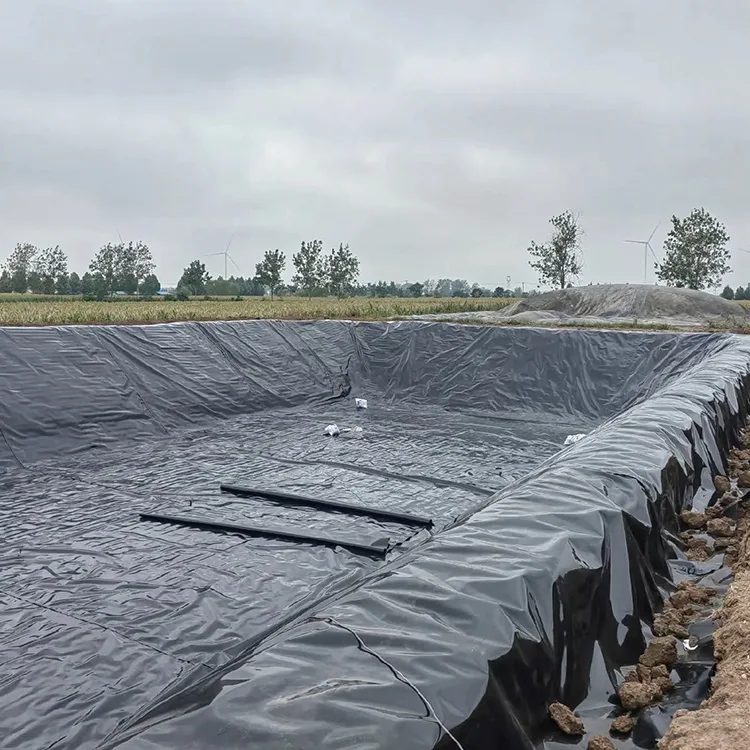
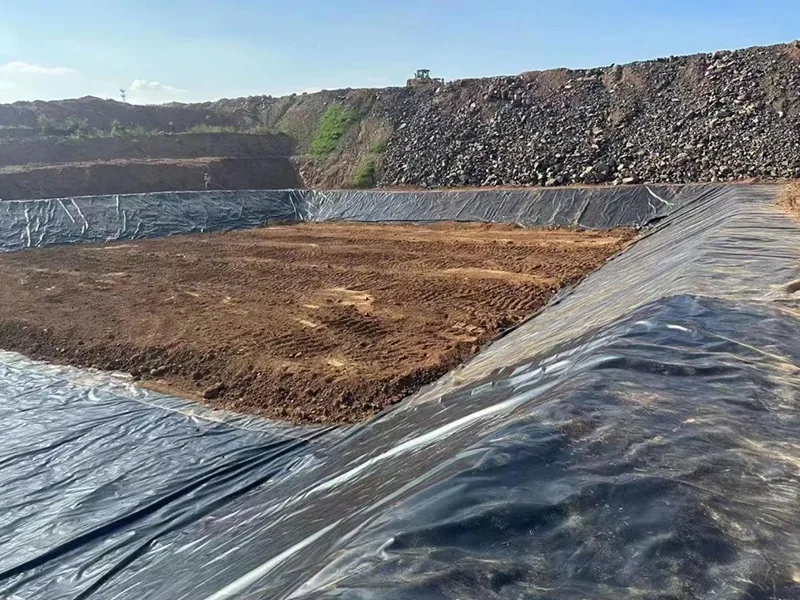
Tongfu reports a national-road hillside protection project in Tai'an, Shandong Province, China. The project began in May 2023 and involved approximately 1,420 meters of slope with an average angle of 48°. The site contained a mixture of soil and gravel, while steep terrain limited the use of large construction machinery.
For this project, a 15 mm Hillside Protection Concrete Blanket was selected based on the slope angle, soil conditions, and flood-control requirements. The installation relied on laying, fixing, watering, and curing rather than conventional formwork and cast-in-place concrete procedures.
According to the project information provided by Tongfu, the construction period was reduced by approximately 60% compared with the project's traditional concrete slope-protection approach. The company also reports that after multiple flood seasons, the protected surface showed no new gullies, hollowing, or major cracking in the reported project area.
This example illustrates why installation method matters alongside material performance. For remote or steep sites, reducing the amount of equipment and wet concrete work required on the slope can have a significant influence on project logistics and construction efficiency.
Frequently Asked Questions
1. Can a concrete blanket be installed on a rocky hillside?
Yes, but the slope should be properly prepared first. Sharp rocks and angular protrusions should be removed or leveled to reduce puncture risks. For steep rocky slopes above 60°, thicker 18 mm or 20 mm options may be considered based on actual site conditions.
2. Can it be used in freezing mountain environments?
Standard products are generally intended for suitable construction temperatures. For high-altitude regions with repeated freeze-thaw cycles, an anti-freeze reinforced specification should be considered. Low-temperature installation also requires appropriate curing and insulation measures.
3. How quickly can the blanket withstand rainfall?
Tongfu states that initial setting can occur approximately 30 minutes after watering, with basic slope protection strength developing within 24 hours. For concentrated heavy rainfall or flood exposure, allowing the material to reach full curing strength, stated as approximately seven days, provides a more appropriate protection window.
4. Will minor hillside settlement cause the entire protective layer to crack?
The reinforced structure is designed to distribute tensile stresses caused by minor settlement and slope movement. However, significant ground displacement may require localized inspection, repair, or additional reinforcement. Concrete blankets should not be treated as a substitute for correcting major geotechnical instability.
5. How should the thickness be selected?
Thickness should be selected according to slope angle, surface composition, erosion intensity, climate, and project requirements. As a general reference, Tongfu recommends 8–10 mm for gentler slopes, 12–15 mm for regular steep slopes, and 18–20 mm for particularly steep gravel or rocky slopes.
Conclusion
A well-designed hillside protection system must address more than surface appearance. It needs to control erosion, limit water infiltration, accommodate appropriate levels of ground movement, and remain practical to install under difficult site conditions. A Hillside Protection Concrete Blanket combines a flexible installation format with a hardened cement-based protective layer, making it a useful option for steep slopes, road infrastructure, mining restoration, mountain flood-control works, and other erosion-prone projects.
For engineering teams comparing slope protection solutions, the most important factors are slope geometry, geological conditions, rainfall exposure, required service life, drainage design, and installation accessibility. If you are planning a hillside reinforcement project and need help selecting the appropriate thickness or customized specification, learn more about Tongfu's Hillside Protection Concrete Blanket and contact us for project-specific technical guidance, specification recommendations, and a quotation.