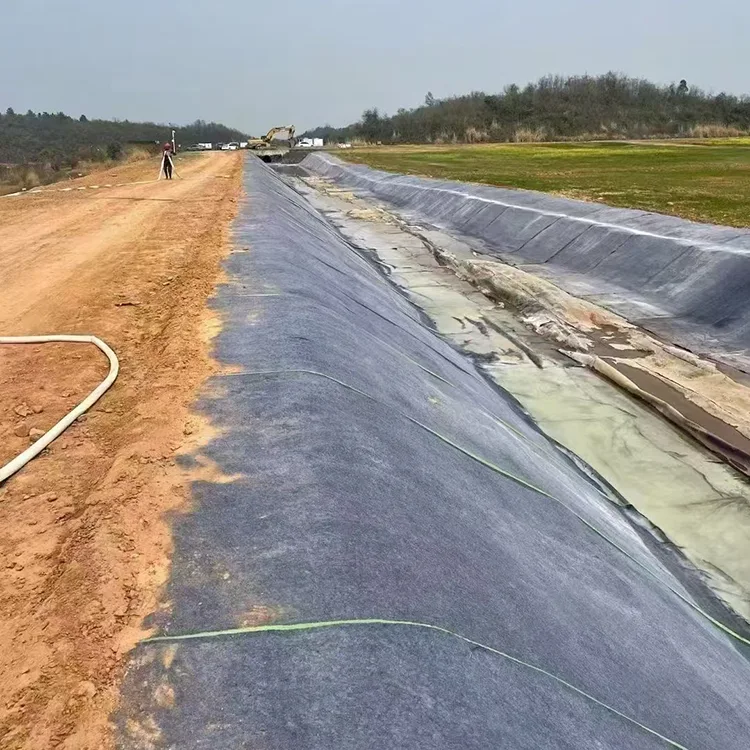
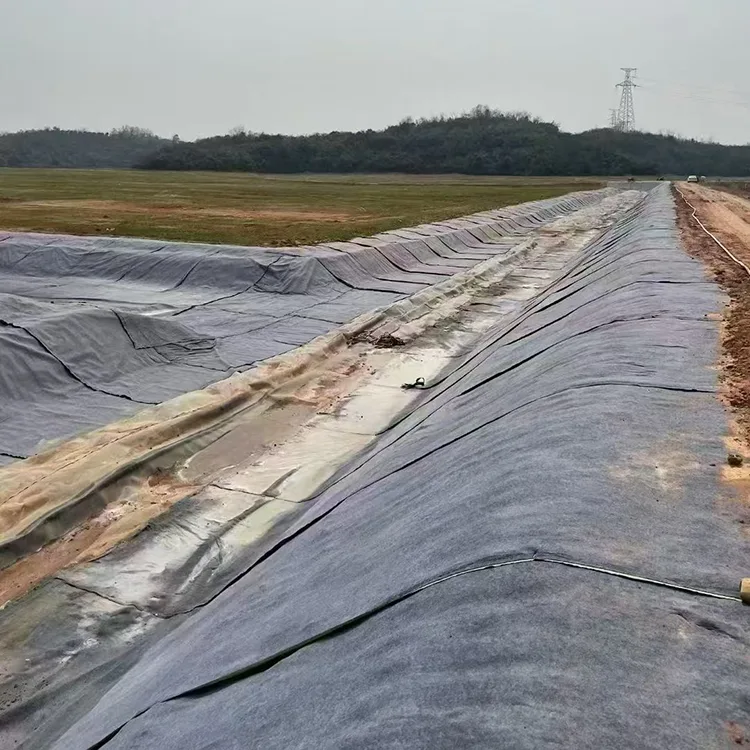
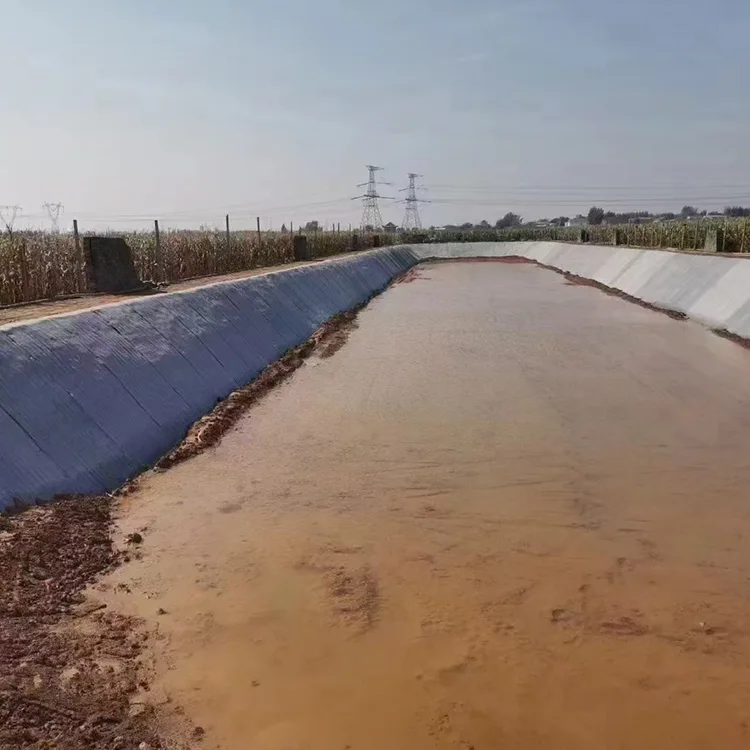
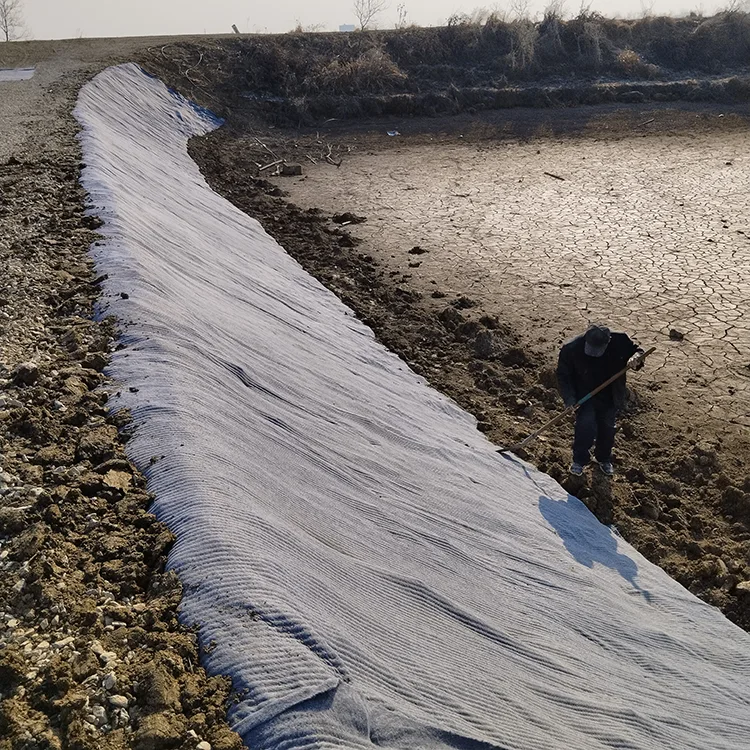
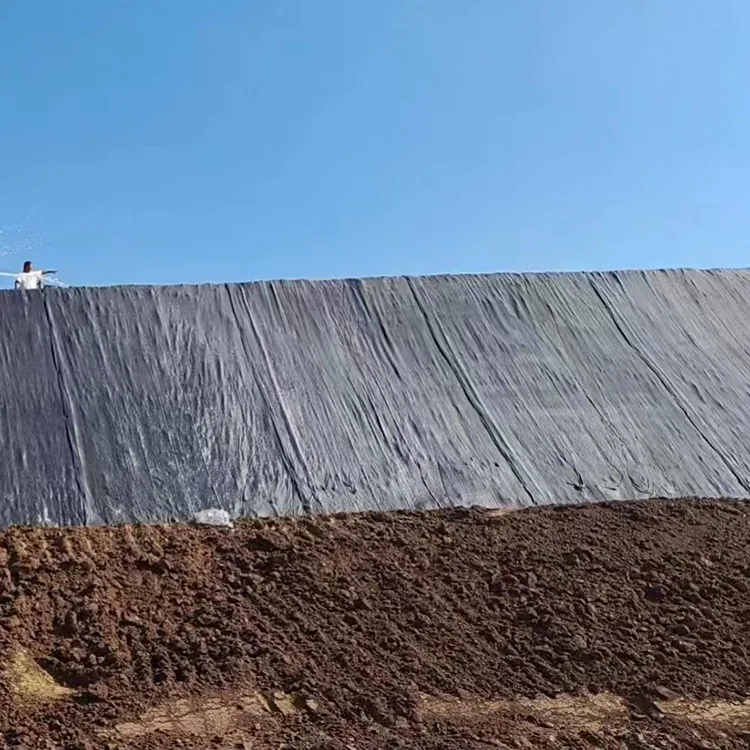
Fish Pond Protection Concrete Blanket
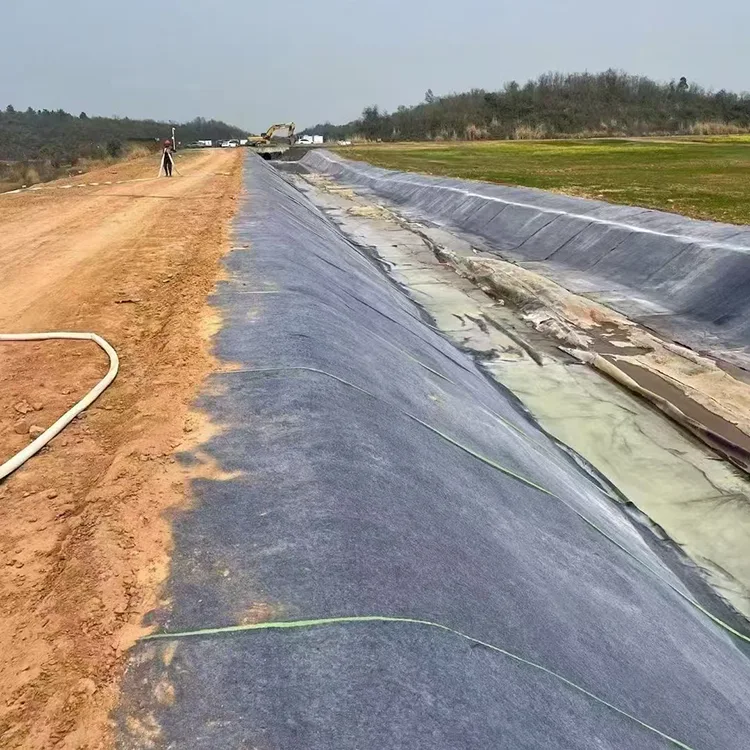
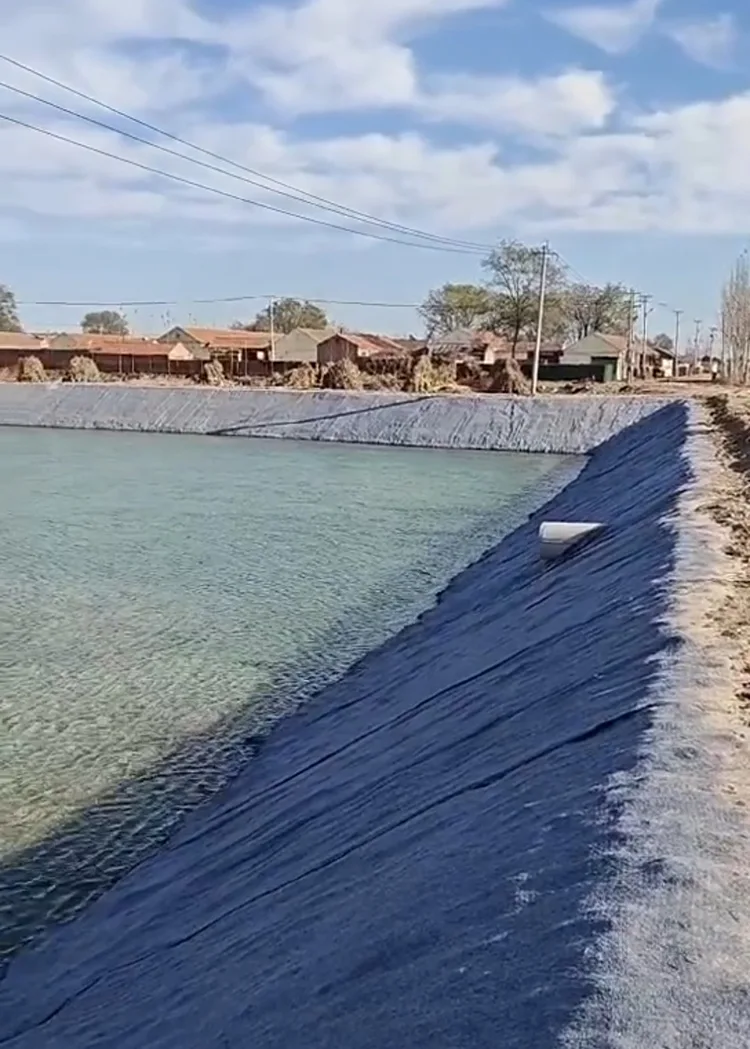
Tongfu is a specialized manufacturer offering direct shipment of full rolls of Fish Pond Concrete Blankets in China, custom cutting for irregular pond slopes, and on-site technical guidance. Designed for long-term submersion, Fish Pond Protection Concrete Blanket is suitable for soft pond-bottom foundations and curved slopes. It effectively addresses issues such as slope collapse, bottom seepage, soil erosion on pond walls, and silt contamination, while meeting non-toxic, eco-friendly standards for aquaculture water.
Traditional pond slope protection methods—such as red brick masonry, cast-in-place concrete, and geomembranes—often suffer from issues like seepage through joints and moss growth. Cast-in-place concrete, in particular, fails to conform to curved slopes and is prone to extensive cracking caused by foundation settlement. In contrast, the Fish Pond Protection Concrete Blanket features process parameters optimized for on-site pond conditions, including water temperatures of 5–40°C, soft silt substrates, and cycles of wetting and drying.
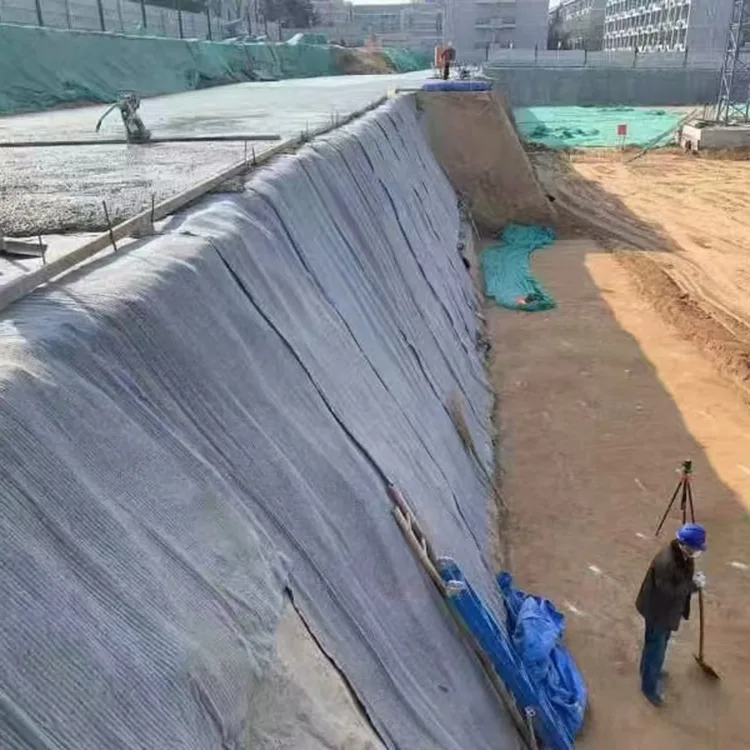
It utilizes standardized installation procedures for slopes and bottom overlaps, requiring neither large-scale excavation nor heavy machinery. It hardens upon hydration (via misting or spraying) into a seamless, monolithic structure that prevents seepage and water loss without leaching harmful substances that could endanger aquatic life. Additionally, it offers slope stability and resistance to erosion from water and sediment. It is currently a leading lightweight protective material for fish and shrimp farming, elevated pond retrofitting, and the reinforcement/seepage-proofing of aging ponds.
Key Product Advantages
1. Adaptation to Soft Foundation Deformation
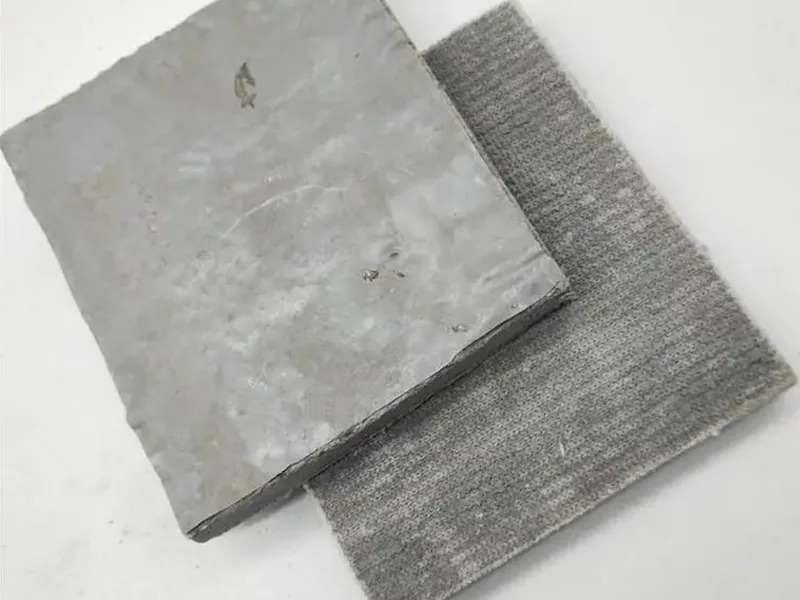
Utilizing a three-layer quilted fiber framework that allows for flexible expansion and contraction, the blanket adapts to pond slopes and soft, high-moisture silt foundations. It deforms in sync with fluctuating water levels and soil settlement, avoiding the through-cracks and localized fractures common in cast-in-place concrete. It is suitable for the two primary types of pond foundations: silt-rich ponds in the south and freeze-thaw prone ponds in the north.
2. Seamless Fit for Curved Slopes
The fabric's flexibility is optimized for the curved slopes of fish ponds, allowing it to conform to the curvature without forced stretching or secondary cutting. When paired with a standardized top-down installation process, this eliminates issues such as suspended edges or internal water pooling.
3. Structural Stability During Long-Term Submersion
Formulated with additives specifically designed to resist silt corrosion, the material ensures no internal dry spots when hydrated via uniform misting. Once cured, it withstands year-round underwater submersion without surface dusting or powder shedding that could contaminate the water. Dense quilting stitches prevent underwater delamination, resulting in a stable underwater service life of up to 12 years—far exceeding that of standard engineering concrete blankets.
4. Non-Toxic Material for Aquaculture
The Fish Pond Protection Concrete Blanket contains no heavy metals or harmful additives. Once cured, it does not leach free alkalis or alter water quality parameters such as ammonia-nitrogen and pH levels. It causes no stress-induced mortality in fish, shrimp, snails, or shellfish upon contact, meeting all relevant aquaculture safety standards.
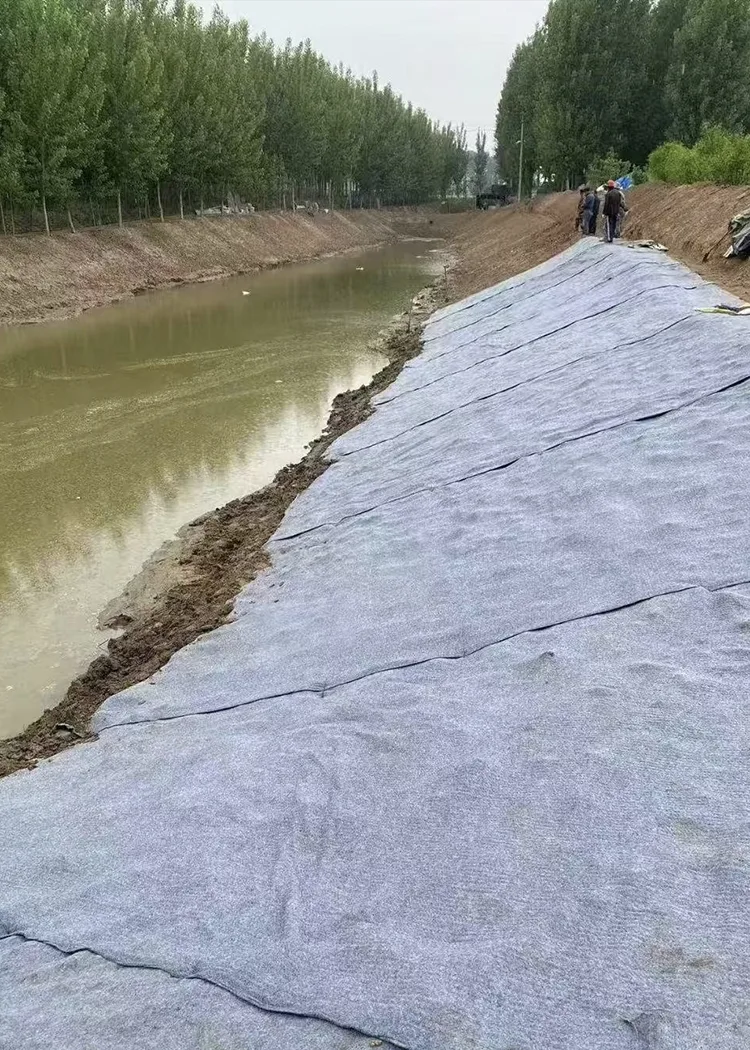
Pre-Construction Preparation
1. Site Leveling and Clearing: Thoroughly clear the installation surface of gravel, sharp objects, tree roots, protruding soil clumps, and construction debris to prevent hard objects from puncturing the concrete blanket's impermeable backing membrane. Loose soil layers require light compaction and leveling to ensure a flat, dense surface free of large pits or bumps; this prevents voids, suspension, or uneven stress distribution that could lead to cracking later.
2. Site Layout and Marking: Pre-cut the concrete blankets based on the dimensions of the construction area, prioritizing full-width installation to minimize overlap seams. For irregularly shaped slopes or curved channels, measure and cut materials beforehand to avoid material waste caused by repeated dragging or trimming on-site.
3. Environmental Inspection: The recommended ambient temperature for installation is between 5°C and 40°C. Curing slows significantly below 5°C. In high-temperature, exposed environments, avoid installation during peak midday sun. Outdoor installation is prohibited during strong winds or heavy rain to prevent the blanket from being blown away or damaged by washout before curing is complete.
4. Material Inspection: Before construction, inspect the concrete blanket for damage, unraveling, delamination, or moisture-induced clumping. Verify that the thickness and width meet project specifications; prioritize thicker specifications for slope protection and areas subject to deep-water scouring.
Complete Construction Process
Overall Workflow: Base surface preparation → Roll laying and straightening → Overlap treatment → Anchoring and compaction → Hydration/curing → Finished product protection
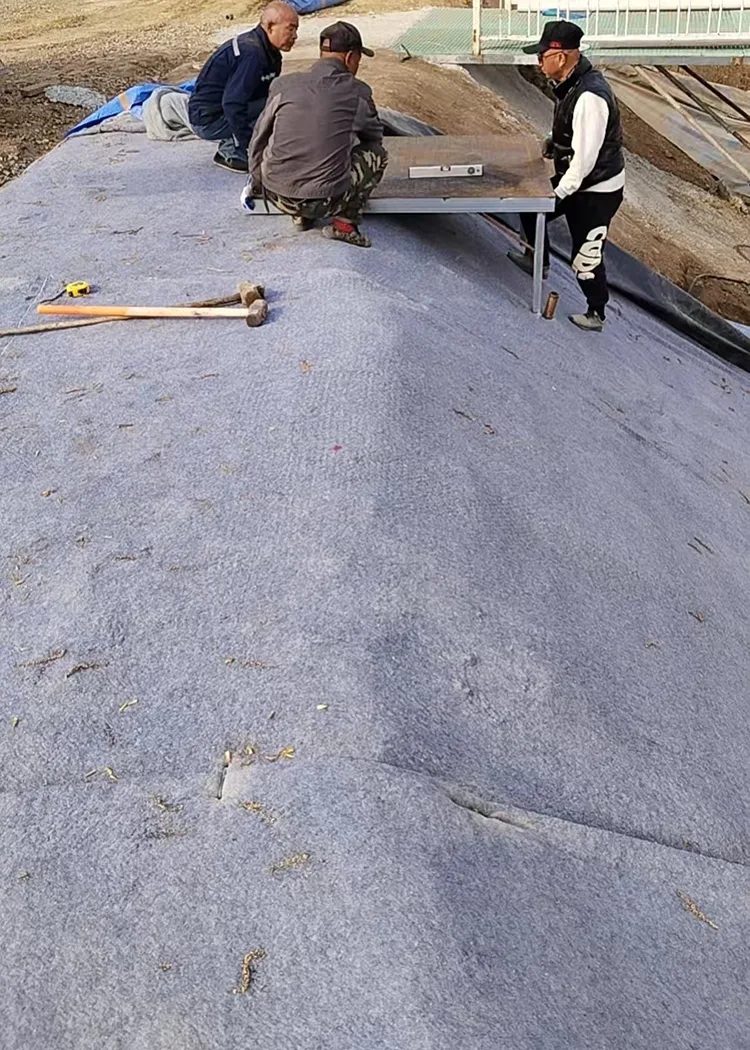
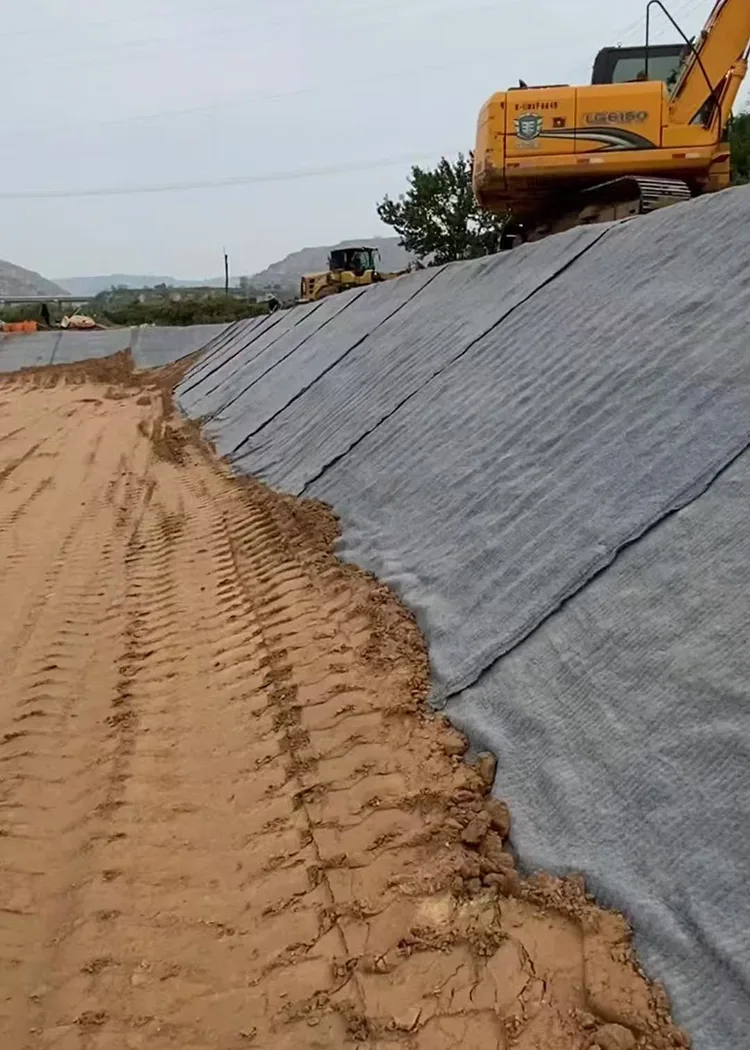
1. Laying and Flattening: Unroll and lay the concrete blanket flat on the prepared surface, with the impermeable membrane side facing down and the fabric side facing up. Ensure the material is straightened and allowed to relax naturally; do not pull or stretch it forcefully. Leave allowance for thermal expansion and contraction, and prevent wrinkles, bulges, or bridging (gaps between the blanket and the substrate). For slopes, lay the material from top to bottom, following the slope's contour.
2. Overlap Treatment: Adjoining blanket sections must be overlapped correctly. The standard overlap width is ≥10 cm for flat surfaces, and ≥15 cm for slopes, areas subject to water scouring, and ditch bottoms. Compact and bond the upper and lower layers at the overlap; ensure there are no gaps or curled edges to prevent water from seeping between layers and causing delamination or voids.
3. Edge Anchoring: After laying, secure the edges, overlaps, and corners using ground anchors, pressure strips, or compacted soil cover. Space anchors evenly to prevent the material from lifting, shifting, or separating from the substrate due to wind before it cures. Anchor the edges at both the top and toe of the slope to prevent overall slippage.
4. Hydration and Curing (Critical Step): Apply water using a misting or uniform spray method. Water slowly and continuously to ensure the blanket is thoroughly saturated—wetting the entire material without leaving dry spots or causing pooling/runoff. High-pressure jets or direct, heavy water flow are strictly prohibited, as they can wash away internal cement powder, leading to material loss and insufficient strength. Follow the principle of "frequent, light applications for uniform saturation" to ensure complete hydration of the internal cement.
5. Curing and Setting: At ambient temperature, initial setting occurs 2–4 hours after watering; basic functional strength is reached in 24 hours, and maximum design strength is achieved in 7 days. Keep the surface slightly moist during the curing period to prevent cracking caused by drying out.
6. Finishing: After full curing, remove surface laitance and inspect overlaps, edges, and corners for hollow spots, cracks, or gaps. Promptly repair any defects to ensure the integrity and seal of the protective layer.
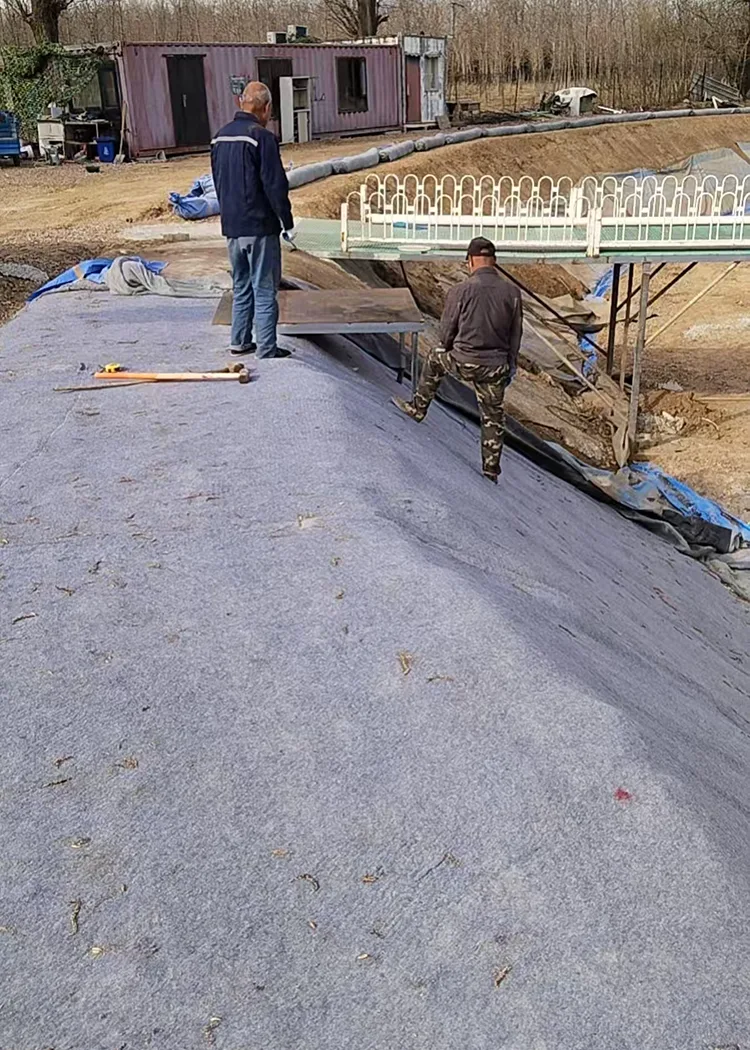
Key Construction Precautions
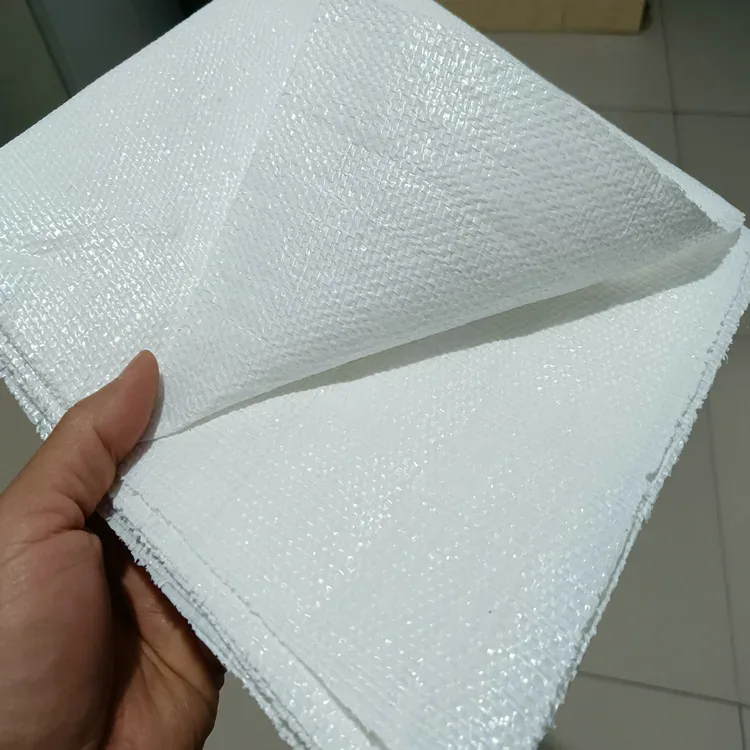
1. Strict Orientation: The Fish Pond Protection Concrete Blanket must be laid with the geotextile side facing up and the woven film side facing down (woven side against the soil, geotextile side exposed to air). Reverse installation will prevent curing and lead to water seepage, delamination, and total system failure.
2. Avoid Dry Spots During Curing: Uneven watering or localized dry areas result in incomplete cement hydration, leading to issues such as surface dusting, powdering, insufficient strength, and surface spalling—common quality defects in this type of construction.
3. No Disturbance During Curing: From the time watering begins until full curing is achieved, the material must not be subjected to foot traffic, heavy loads, vehicle passage, or water erosion. Disturbance before the material sets can cause internal structural fractures and lead to cracking or damage later on.
4. Proper Overlapping: Insufficient overlap width or loose/curled edges can easily lead to seepage, water ingress between layers, and delamination; water flow can then cause direct failure. Areas subject to significant water flow require wider overlaps and more frequent anchoring points.
5. Solid and Level Substrate: Laying the material directly over soft, loose, or uneven soil without preparation can lead to foundation settlement, causing the concrete blanket to crack, fracture, or detach (hollow spots).
6. No Construction in Adverse Weather: Do not lay or water the material during rain, high winds, or freezing conditions. Rain washing over uncured material can wash away cement components and damage the structure, while freezing temperatures halt hydration and result in permanently insufficient strength.
Post-Installation Curing and Finished Product Protection Guidelines
1. Curing Period: The first three days constitute the critical curing phase. Keep the surface of the Fish Pond Protection Concrete Blanket moist; in hot, dry weather, apply water promptly to prevent rapid moisture loss and surface cracking.
2. Avoid Mechanical Damage: Once cured and set, do not strike or cut the material with sharp tools or subject it to heavy impacts, as localized damage could create leakage points.
3. Phased Introduction of Water and Traffic: Normal water flow, water retention, and light loads are permitted after the material reaches standard strength (following a 7-day curing period). Operations involving heavy loads or high-velocity water flow should be deferred until 15 days after installation.
4. Defect Repair: In the event of minor cracks or localized damage, cut a small piece of the same concrete blanket to overlap and patch the area. Re-apply water to cure the patch, ensuring the integrity of the sealed surface.
Hot Tags: Fish Pond Protection Concrete Blanket, Manufacturer, Supplier, Wholesale
Related Category
Send Inquiry
Contact Info
-
Address
Lingcheng District, Dezhou City, Shandong Province, China
-
Tel
-
E-mail
Welcome global engineering companies, agricultural planting bases and foreign trade distributors to send product consultation, customized processing and wholesale cooperation inquiries. We provide accurate quotation, free technical guidance, customized specification service and efficient after-sales support for Weed Barrier Fabric, Geomembrane Liner and Concrete Blanket Mat.