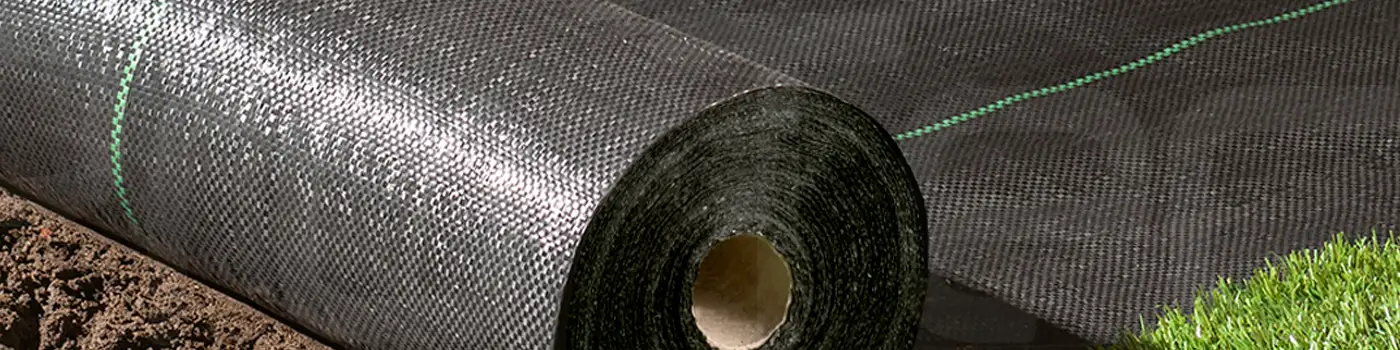
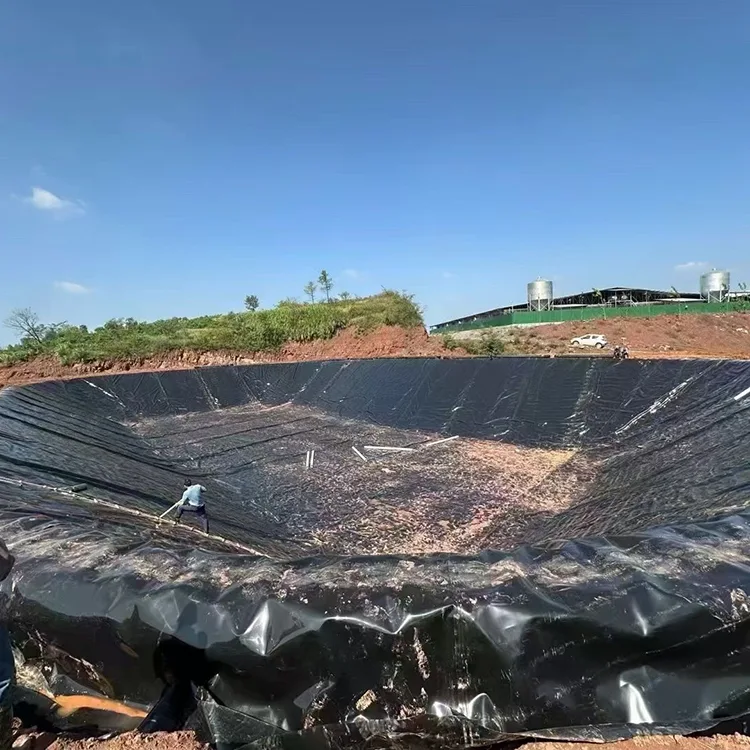
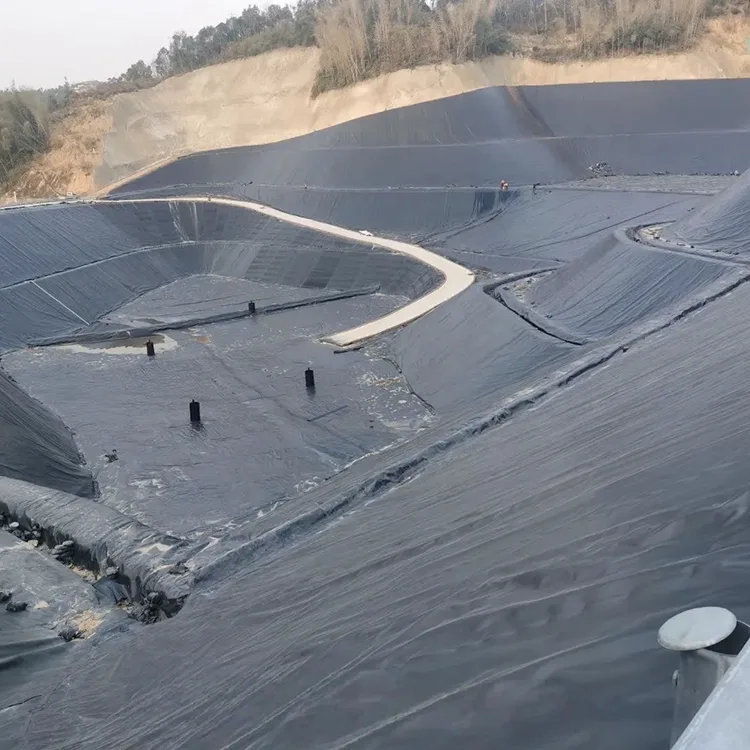
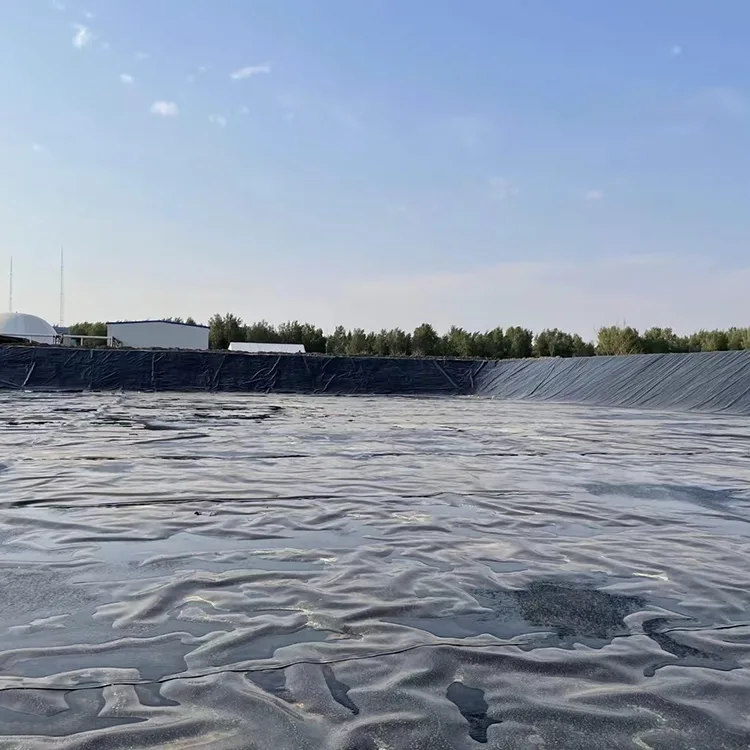
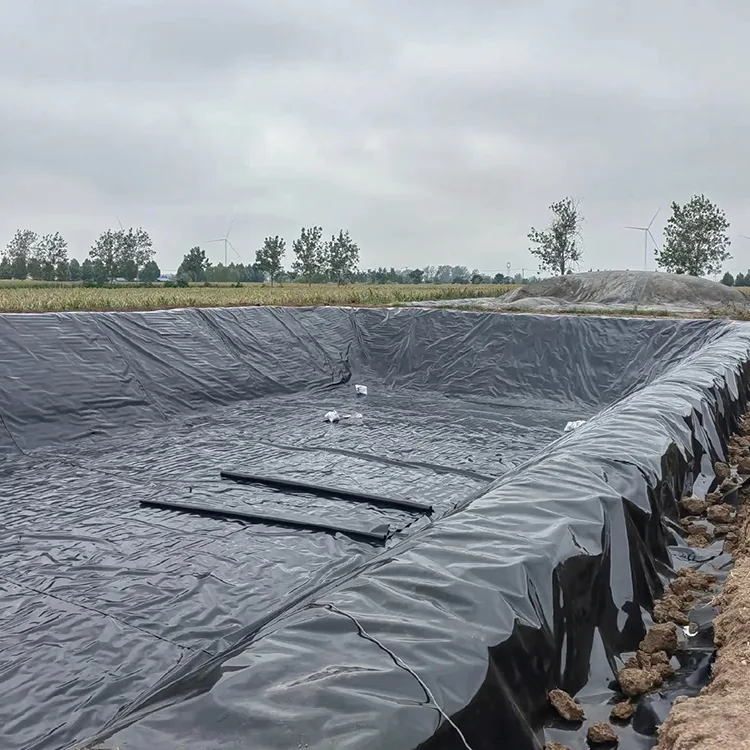
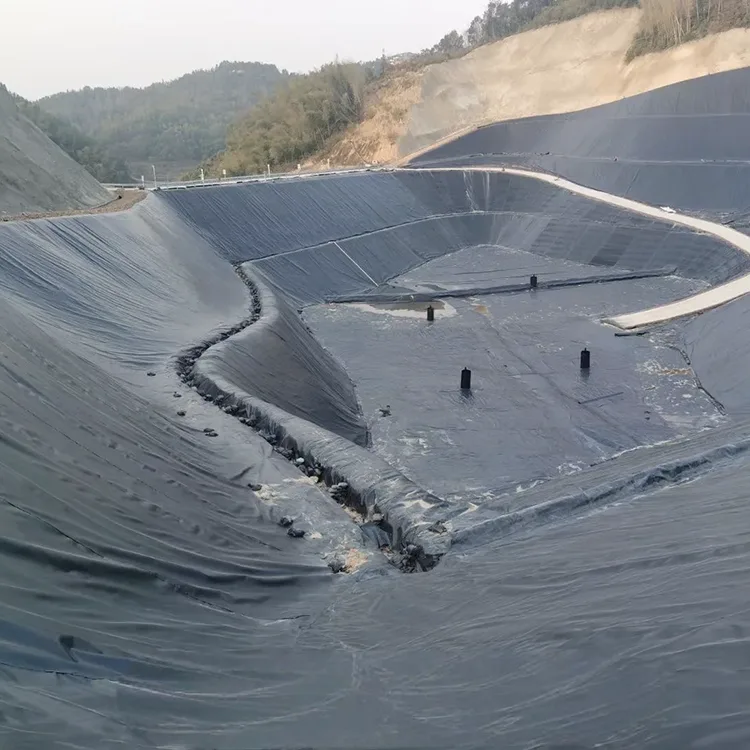
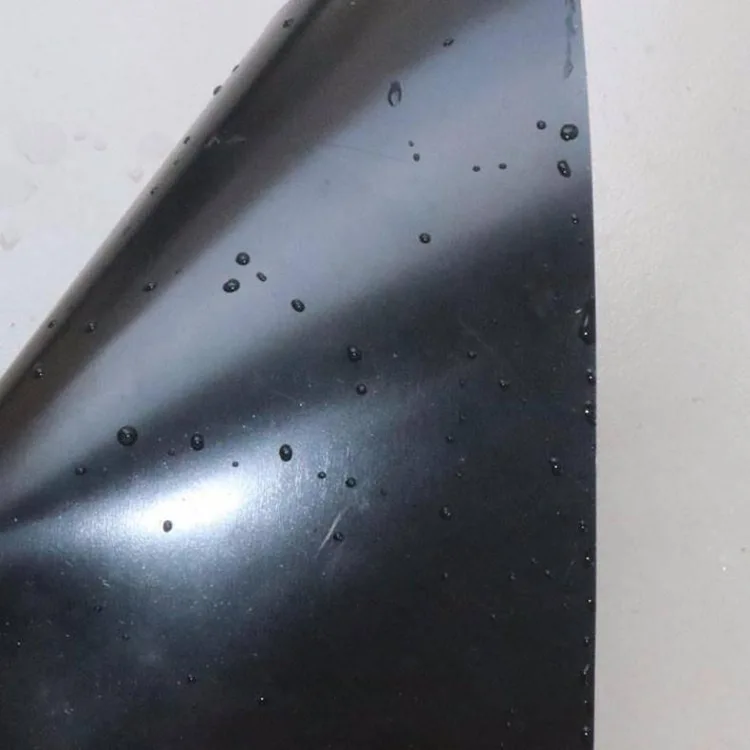
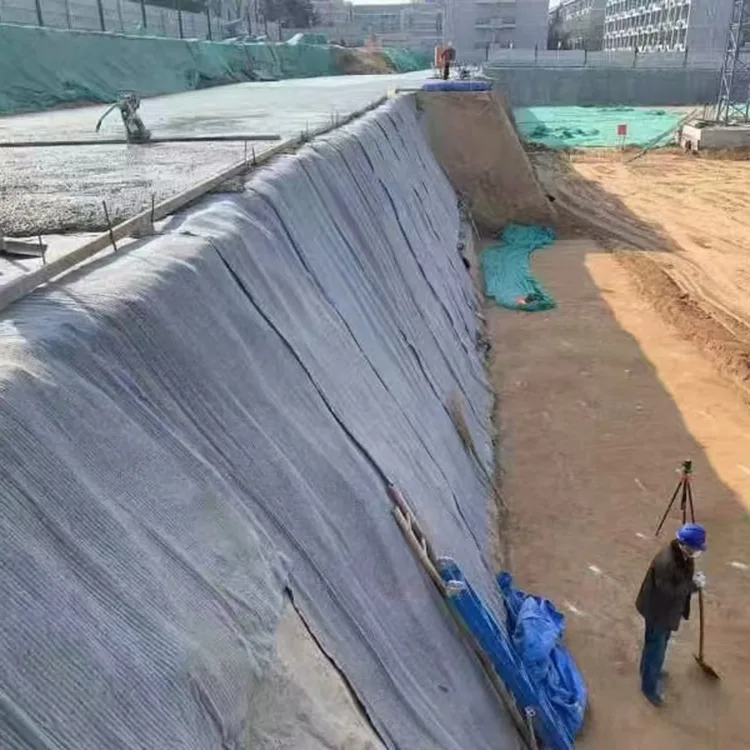
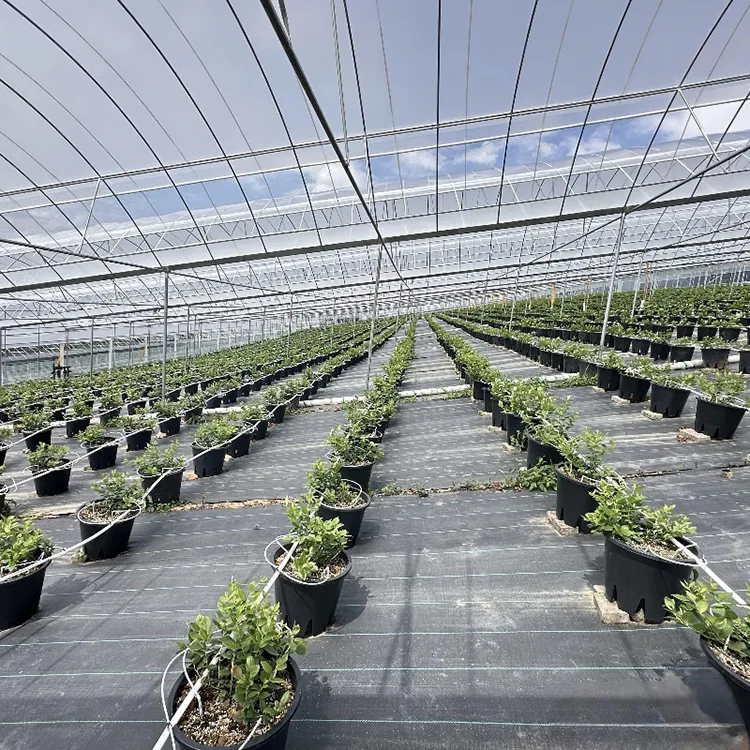
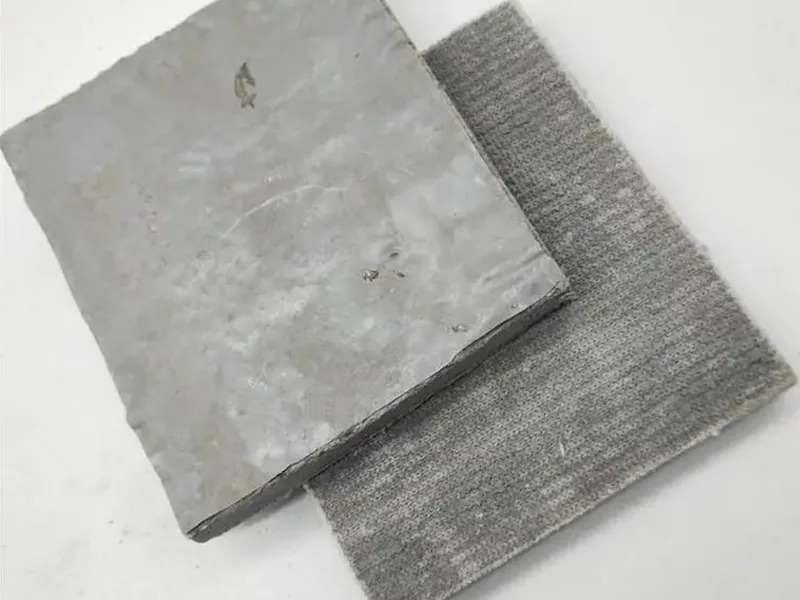
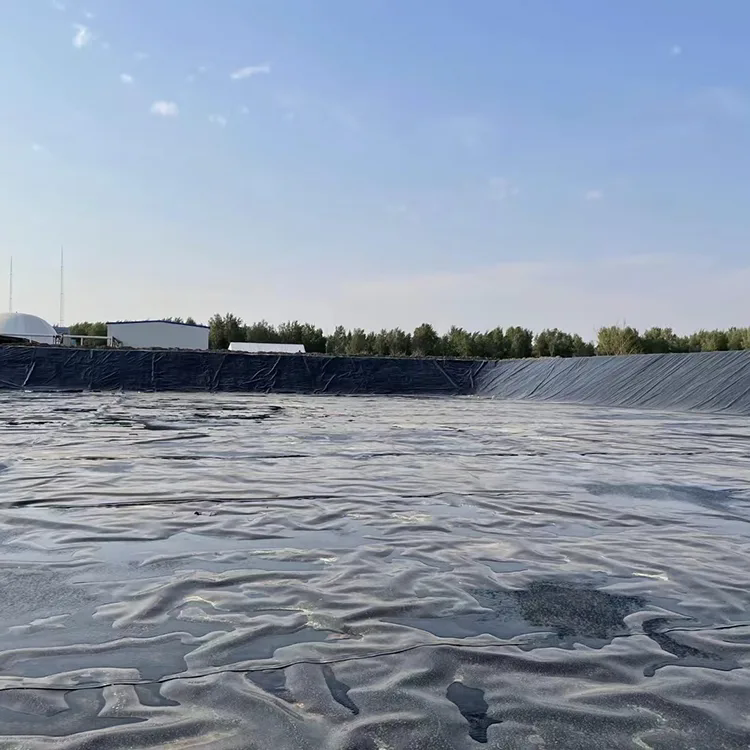
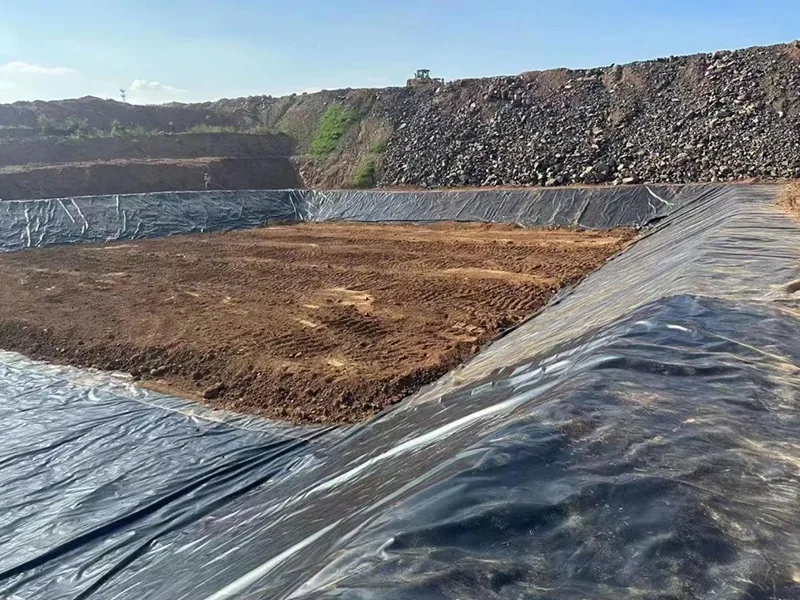
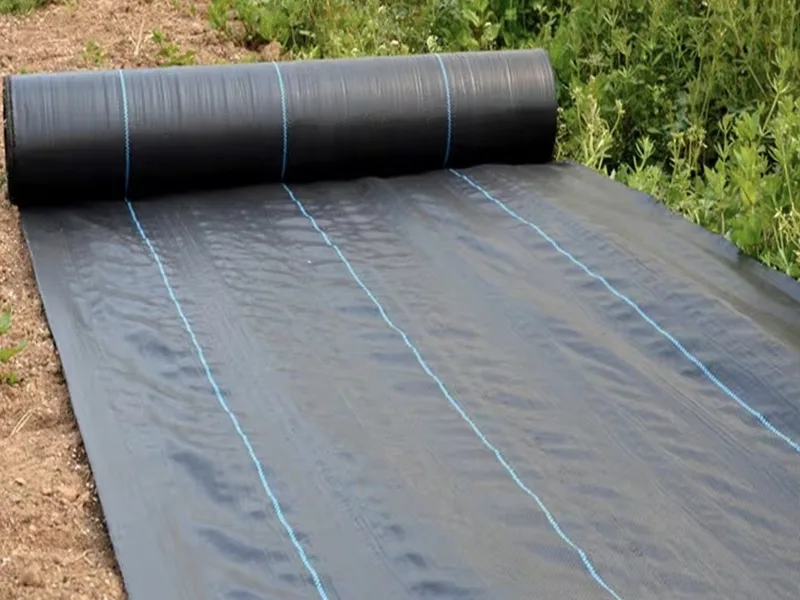
Leakage, premature aging or tearing of the membrane, and punctures caused by sharp objects in the subgrade are the most troublesome issues faced by purchasers of aquaculture, environmental protection, and water conservancy projects. Inferior geomembranes made from recycled materials—often with exaggerated thickness specifications and substandard aging resistance—frequently crack and leak within just a few months of use, leading to exorbitant labor and material costs for remedial work. Tongfu’s Geomembrane Liner (also known as an impermeable liner or fish pond liner) is manufactured using virgin high-density polyethylene (HDPE) resin combined with functional additives via a high-temperature molding process. It offers a comprehensive range of properties, including impermeability, corrosion resistance, puncture resistance, and weatherability. Available in smooth, textured, and composite varieties, it is suitable for a wide range of impermeability projects, including aquaculture, tailings landfills, water features, and chemical wastewater ponds. Tongfu is a professional manufacturer and supplier of weed barrier fabrics, geomembrane liners, and concrete curing blankets; we welcome your inquiries and orders.
What is an HDPE geomembrane? How does it solve engineering impermeability challenges?
1. Basic Definition
Often referred to by customers as HDPE impermeable liners or fish pond liners, these geomembranes are primary flexible geosynthetic materials for impermeability. They are manufactured using virgin high-density polyethylene (HDPE) resin blended with UV-resistant and antioxidant carbon black additives, processed through an integrated high-temperature extrusion and calendering method.
2. Core Functions
Leveraging a high-density, airtight polymer structure, the material achieves zero water permeability. It serves five key functions: impermeability, soil-water separation, acid/alkali corrosion resistance, moisture/water barriers, and resistance to puncture by sharp objects.
3. Advantages Over Traditional Impermeability Materials
Compared to red brick, concrete, or bentonite-based impermeability methods, this geomembrane is lightweight and easy to install on-site. It offers lower permeability and a longer outdoor service life, making it suitable for complex, highly corrosive environments involving acids, alkalis, slag, and wastewater.
4. Mainstream Application Scenarios
Widely used in geotechnical impermeability projects—such as aquaculture ponds, municipal solid waste landfills, biogas digesters, artificial lakes and reservoirs, chemical wastewater equalization tanks, tunnels, and basements—it is currently the core material with the broadest range of applications in the field of impermeability.
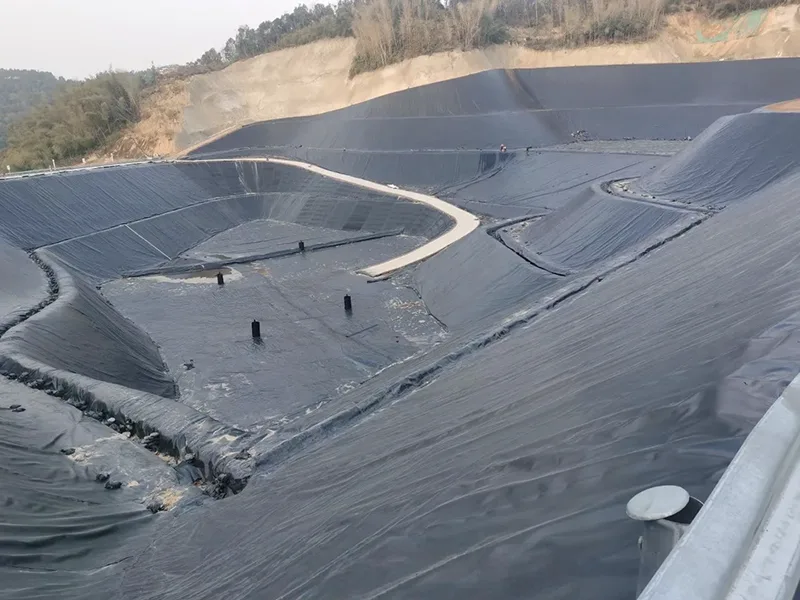
How to identify inferior materials and select a compliant, durable geomembrane liner?
1. Common defects in inferior geomembranes: Low-priced geomembranes on the market are often manufactured using recycled waste materials. They frequently feature overstated thickness specifications and poor puncture and tensile strength. Exposure to outdoor elements for just six months can cause them to pulverize and crack, leading to a total failure of their impermeability function. When installed in fish ponds or tailings dams, they are highly prone to large-scale leakage, resulting in exorbitant costs for remedial work.
2. Check the raw materials: Prioritize products made from virgin HDPE resin pellets and strictly avoid low-cost membranes containing mixed recycled materials; virgin resin offers far superior toughness, weather resistance, and corrosion resistance compared to recycled material.
3. Verify thickness: Select products that meet national standards regarding actual thickness and specifications without inflated claims. The use of thin, non-standard membranes is strictly prohibited for high-load projects such as large-scale water conservancy, tailings storage, and chemical facilities.
4. Check aging resistance specifications: The product must contain sufficient carbon black and anti-UV additives to withstand year-round, uncovered outdoor exposure and prevent premature aging or damage.
5. Test mechanical properties: Verify biaxial tensile strength and puncture resistance metrics to ensure the material does not tear or puncture during installation, under pressure from sharp foundation gravel, or during soil settlement.
What types of geomembrane liners does our factory offer?
Our factory’s geomembrane lineup comprises four major series: smooth HDPE geomembranes, textured (single or double-sided) anti-slip geomembranes, specialized aquaculture geomembranes, and composite geomembranes. All products comply with the GB/T17643-2011 national standard and are eligible for comprehensive third-party sampling and testing.
1
Ultra-low permeability for long-lasting, airtight seepage control
The dense molecular structure leaves no voids, preventing water molecule penetration; with a permeability coefficient of ≤1×10⁻¹³ cm/s, it far outperforms traditional methods, effectively solving issues such as pond leakage, wastewater pool seepage, and groundwater saline-alkali intrusion, while offering a stable service life of 20 to 50 years.
2
High toughness, puncture resistance, and tear strength for complex foundations
Made from virgin resin, the material is highly resilient against punctures from sharp objects like gravel, branches, and slag; a biaxial stretching process enhances overall tensile strength, preventing cracking or damage during installation or minor foundation settlement, ensuring stable construction on uneven terrain such as mountainous or wasteland areas.
3
Chemically stable and resistant to acid/alkali corrosion
The HDPE substrate resists degradation and corrosion from aquaculture waste, chemical wastewater, and acidic or alkaline mining effluents; it does not age or deteriorate during long-term immersion, making it suitable for highly corrosive environments like landfills, biogas digesters, and tailings ponds.
4
High UV-resistance formula for durability across a wide temperature range
Formulated with ample carbon black and antioxidant masterbatch, the material resists hardening, embrittlement, and powdering under prolonged outdoor exposure; it operates within a temperature range of -70°C to 110°C, requiring no additional protective covering despite seasonal temperature fluctuations.
5
Textured surface for increased friction and slope stability
The textured surface pattern significantly boosts friction on slopes, preventing slippage or wrinkling during installation on reservoir dam faces or mountain slopes, thereby enhancing the overall stability of the seepage control system.
6
Seamless integrity via hot-melt welding
Professional hot-welding equipment creates joints stronger than the membrane material itself, resulting in a completely sealed, seamless barrier that eliminates leakage risks at seams and establishes a comprehensive, impermeable isolation system.
7
Made from virgin, eco-friendly materials; safe and harmless for aquaculture
Free from heavy metals and harmful volatile substances, the liner does not pollute the water or interfere with the growth and breeding of fish, shrimp, sea cucumbers, or crayfish when installed in aquaculture ponds, fully complying with environmental standards for the industry.
8
Full range of specifications available from stock and customizable for projects of any scale
Thicknesses range from 0.2mm to 3.0mm, with roll widths of 2m to 8m, significantly reducing the number of on-site welded seams. Sizes can be cut to order, and composite impermeable styles can be customized to meet requirements ranging from small fish ponds to large solid waste landfills.
What advantages does a direct manufacturer offer over a trader?
With 12 years of experience in the impermeable geosynthetics industry and 12 fully automated extrusion-calendering production lines, we maintain independent control over the entire process—from raw material processing and calendering to performance testing, slitting, and packaging—as a direct manufacturer:
1. Production using 100% virgin raw materials; no recycled waste added
Low-cost liners on the market often contain recycled plastic, resulting in poor toughness and susceptibility to aging. We exclusively use virgin HDPE granules from Sinopec for our geomembrane liners, ensuring uniform color and thickness, with physical properties that far surpass products made from recycled materials.
2. Ample stock of 8m wide rolls to minimize leakage risk
We specialize in wide-format geomembranes, effectively reducing the number of on-site welds and lowering the probability of seam leakage. Popular thicknesses (0.3mm to 2.0mm) are always in stock; we prioritize urgent projects and handle orders of all sizes.
3. Comprehensive testing for every batch with third-party verification supported
Before leaving the factory, every batch undergoes full-spectrum testing—including tensile strength, elongation at break, puncture resistance, aging resistance, and impermeability coefficients. Shipments include a certificate of conformity, test reports, and warranty documentation, fully meeting requirements for project bidding and on-site sampling inspections.
4. Factory-direct sales eliminate intermediary markups, resulting in lower overall procurement costs
With our own manufacturing facilities and full production lines, we bypass multiple layers of distributor price hikes. For products matching national standards in thickness and virgin raw material quality, our prices are approximately 20% lower than those of market distributors. Long-term partners and distributors enjoy exclusive base pricing, helping to reduce overall project budgets.
5. Comprehensive free technical support and customized installation plans
We provide free guidance on standard laying procedures, overlap specifications, hot-melt welding parameters, and anti-seepage treatments for corners and joints. We issue tailored anti-seepage installation guidelines for specific scenarios—such as fish ponds, tailings dams, and sewage lagoons—and offer online Q&A support. For major projects, we can dispatch technical personnel to the site to supervise welding and installation.
Suitable for which project scenarios?
1. Aquaculture: Fish and shrimp ponds, crayfish ponds, loach and rice-field eel breeding ponds, and sea cucumber ponds; serves to retain water, prevent seepage, and isolate the liner from saline-alkali soil. 2. Solid waste & environmental protection: Municipal solid waste landfills, metal and non-metal tailings dams, industrial ash/slag yards, and anti-seepage isolation for various smelting solid waste sites. 3. Water conservancy & landscaping: Municipal artificial lakes, ornamental ponds, reservoir lining, and anti-seepage protection for river embankments and dam slopes. 4. Wastewater treatment: Chemical sewage sedimentation tanks, biogas digesters, remediation projects for malodorous/polluted water bodies, and industrial wastewater equalization tanks. 5. Infrastructure waterproofing: Tunnel waterproofing and moisture protection, rooftop garden liners, and basement moisture/water barriers.
The service life of an anti-seepage project depends entirely on the quality of the geomembrane material; using non-standard products made from recycled materials often leads to early-stage leakage, resulting in high costs for excavation, rework, and re-installation. Tongfu has specialized in the production of various HDPE geomembranes (smooth, textured, and composite) for over a decade, strictly adhering to national production standards throughout the process. We offer free samples for material comparison and support third-party sampling and testing, providing a one-stop solution for anti-seepage needs in geotechnical, aquaculture, and environmental projects. Please feel free to contact us at any time regarding sample requests, construction plan designs, or precise price quotations.