
Abstract · This article provides a detailed technical examination of Herbal Plant Weed Barrier Fabric, exploring its material composition, structural design, and functional role in cultivated gardens and herb production. The discussion covers woven and non-woven geotextile technologies, permeability and breathability, UV stability, and the agronomic benefits that support healthy plant growth while suppressing weeds.
01. Material Composition and Fabric Structure
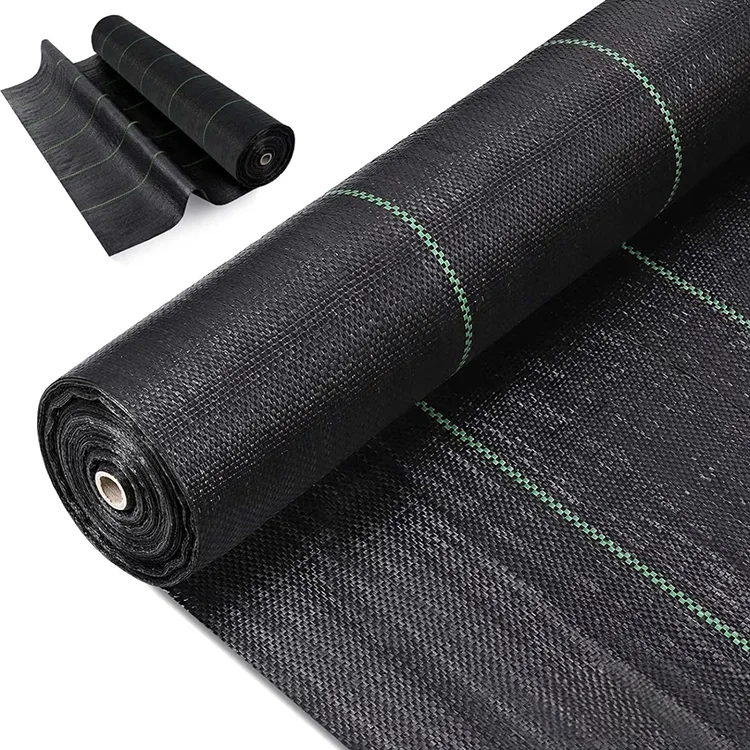
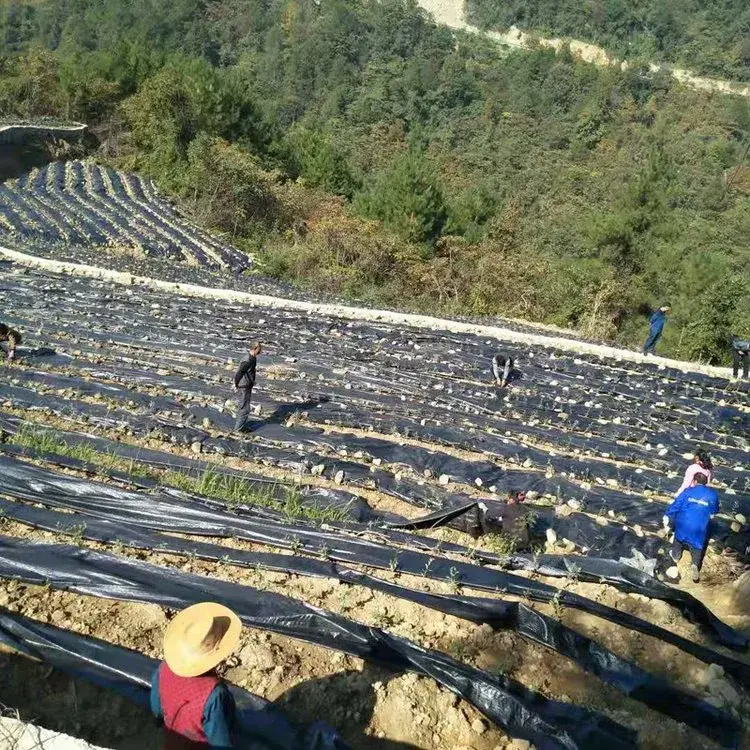
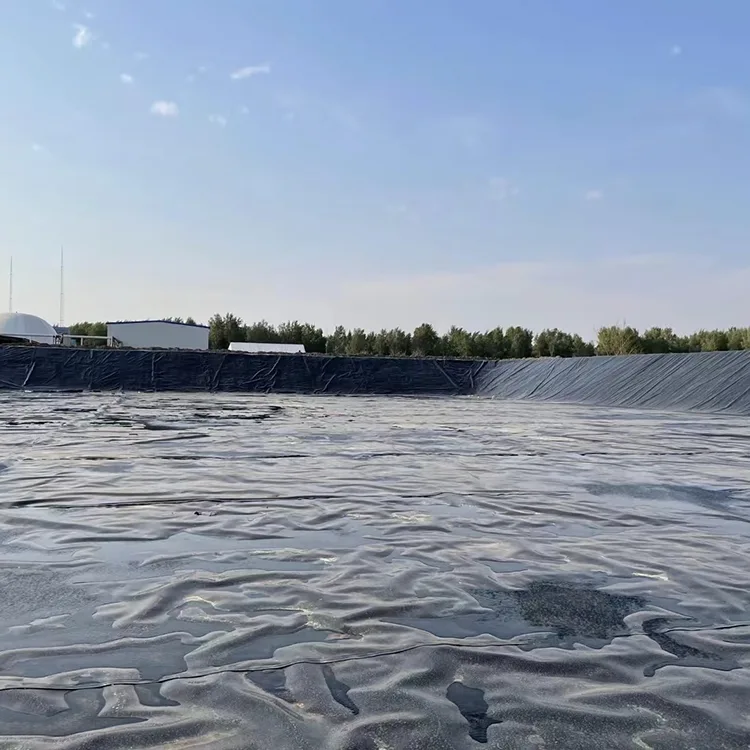
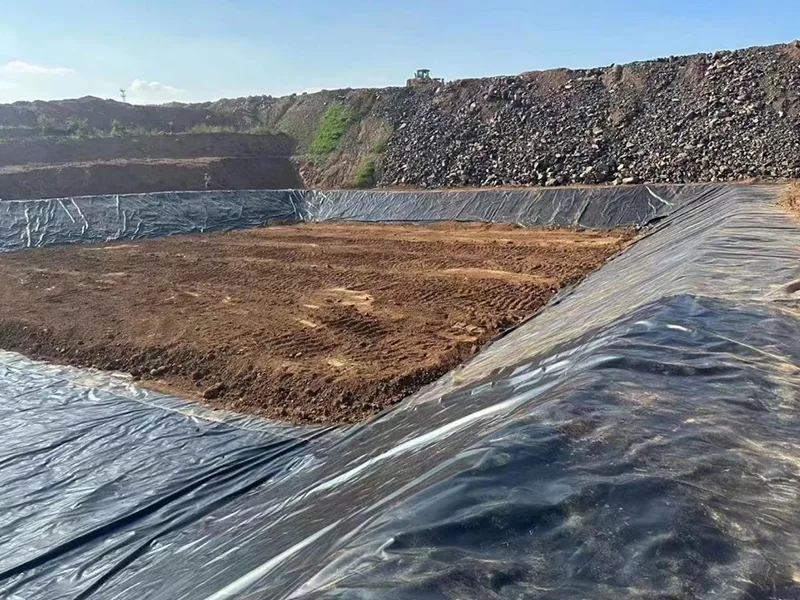
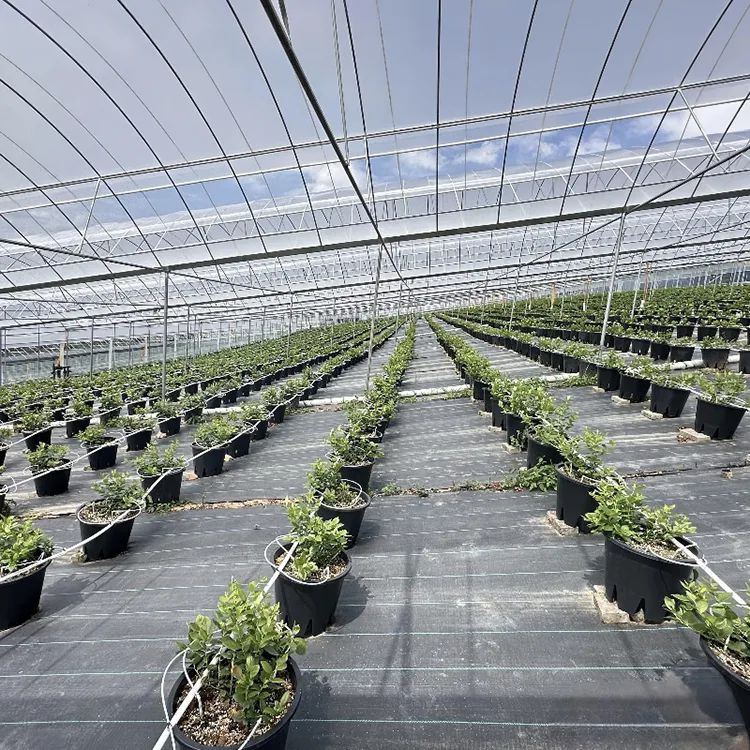
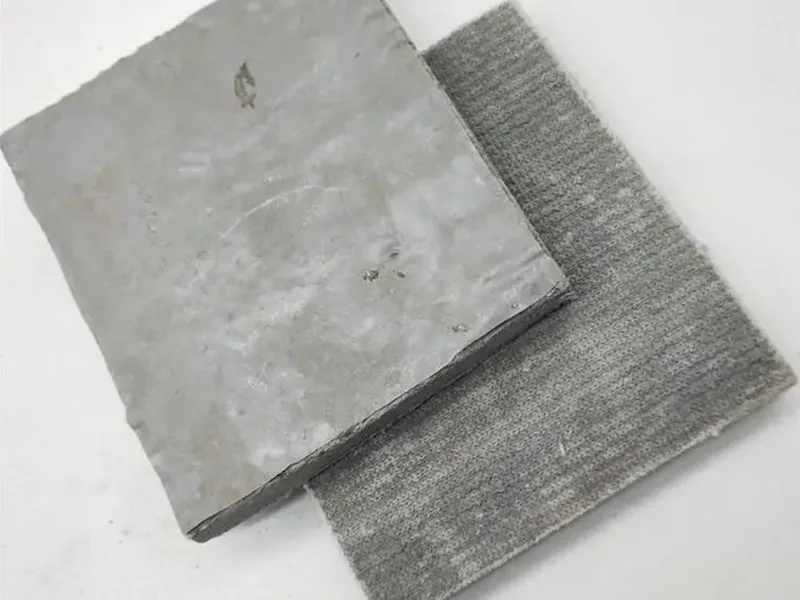
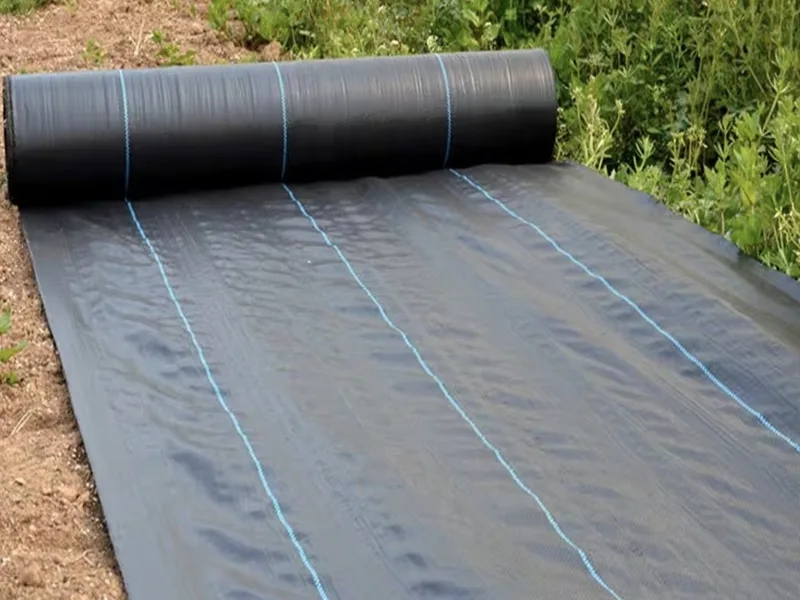
Herbal Plant Weed Barrier Fabric is a geotextile material specifically designed for use in cultivated herb gardens and agricultural planting beds. The fabric is typically manufactured from polypropylene or polyethylene fibers, woven or non-woven into a durable sheet that is permeable to water and air.
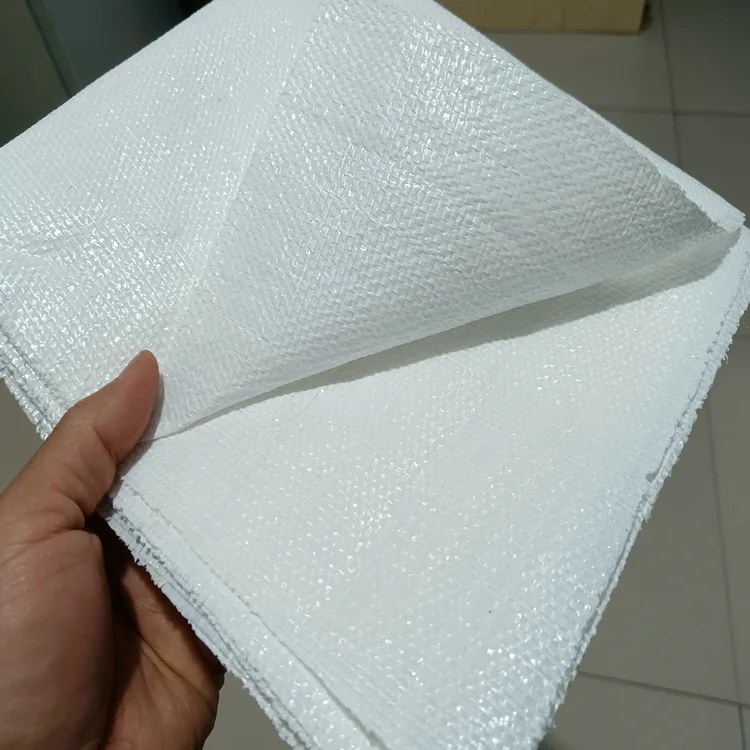
The structure of the fabric determines its performance. Woven fabrics offer high tensile strength and dimensional stability, making them suitable for large-scale installations. Non-woven fabrics provide excellent permeability and conformability, allowing them to contour to uneven ground. The fabric is usually black or dark-colored to maximize light blocking, and it may be coated or treated to enhance UV resistance and extend service life.
Polypropylene or polyethylene fibers
Woven or non-woven geotextile
Black or dark for light blocking
02. Weed Suppression Mechanisms and Light Blocking
Dark fabric prevents sunlight from reaching weed seeds, inhibiting germination
Dense fabric structure prevents weed roots from penetrating to the surface
Can be covered with organic mulch for a natural appearance and additional suppression
Minimizes reliance on chemical weed control, supporting organic cultivation
The primary mechanism by which Herbal Plant Weed Barrier Fabric suppresses weeds is light deprivation. Weed seeds require light to germinate, and the opaque fabric blocks the light that would otherwise trigger germination. The physical barrier of the fabric also prevents established weed roots from emerging. Together, these mechanisms significantly reduce weed pressure in the garden, allowing herb plants to grow without competition for water, nutrients, and sunlight.
Mechanism Note: The fabric should be installed with adequate overlap between sheets and secured with landscape staples to prevent gaps that could allow light to reach weed seeds. Proper installation is essential for effective weed suppression.
03. Permeability, Breathability, and Soil Health
Unlike plastic sheeting, Herbal Plant Weed Barrier Fabric is designed to be water-permeable and breathable. This is essential for maintaining soil health and supporting plant growth.
- Water Permeability: The fabric allows rainwater and irrigation water to pass through to the soil, preventing runoff and ensuring that plants receive adequate moisture.
- Air Exchange: The permeable structure allows air to circulate in the soil, supporting aerobic microbial activity and root respiration.
- Nutrient Flow: Dissolved nutrients can move through the fabric with the water, ensuring that fertilizers and organic matter reach the root zone.
- Soil Temperature Moderation: The fabric helps to moderate soil temperature by reducing evaporation and providing insulation.
- Erosion Control: The fabric stabilizes the soil surface, reducing erosion from wind and water.
These properties distinguish weed barrier fabric from impermeable plastic sheeting, which can cause waterlogging, anaerobic soil conditions, and poor plant growth. The breathability of the fabric supports a healthy soil ecosystem, which is particularly important for herb cultivation, where soil quality directly affects the flavor and medicinal properties of the plants.
04. UV Stability and Service Life in Outdoor Conditions
Herbal Plant Weed Barrier Fabric is exposed to sunlight, weather, and temperature fluctuations throughout its service life. UV stability is therefore a critical performance requirement.
| Parameter | Typical Specification | Significance |
|---|---|---|
| UV Stabilization | 0.3% to 1.0% carbon black or HALS | Protects against UV degradation |
| Service Life | 3 to 10 years | Depends on exposure and material quality |
| Tensile Strength | 10 kN/m to 30 kN/m | Resists tearing and puncturing |
| Weight | 90 g/m² to 200 g/m² | Affects durability and permeability |
| Permeability | 1 × 10⁻³ to 1 × 10⁻¹ m/s | Allows water and air to pass through |
Based on typical specifications for agricultural weed barrier fabrics.
The UV stabilization of the fabric is achieved through the addition of carbon black or hindered amine light stabilizers (HALS) during manufacture. These additives absorb or dissipate UV energy, preventing the polymer chains from breaking down. The service life of the fabric depends on the level of UV stabilization, the intensity of sunlight, and the installation conditions.
05. Installation Methods and Garden Integration
Proper installation of the Herbal Plant Weed Barrier Fabric is essential for achieving effective weed suppression and long service life.
- Site Preparation: Clear the area of existing vegetation, rocks, and debris. Level the ground and compact the soil to provide a smooth surface.
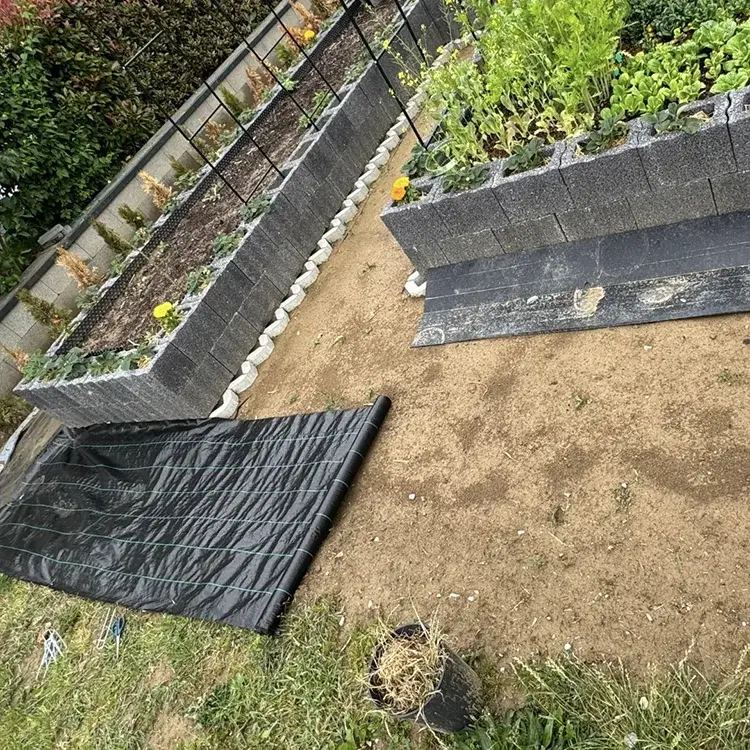
- Fabric Placement: Unroll the fabric and position it over the prepared area. Allow for adequate overlap (typically 10–15 cm) between adjacent sheets.
- Securing: Use landscape staples or pins to secure the fabric to the ground. Space staples at intervals of 30–50 cm along the edges and overlaps.
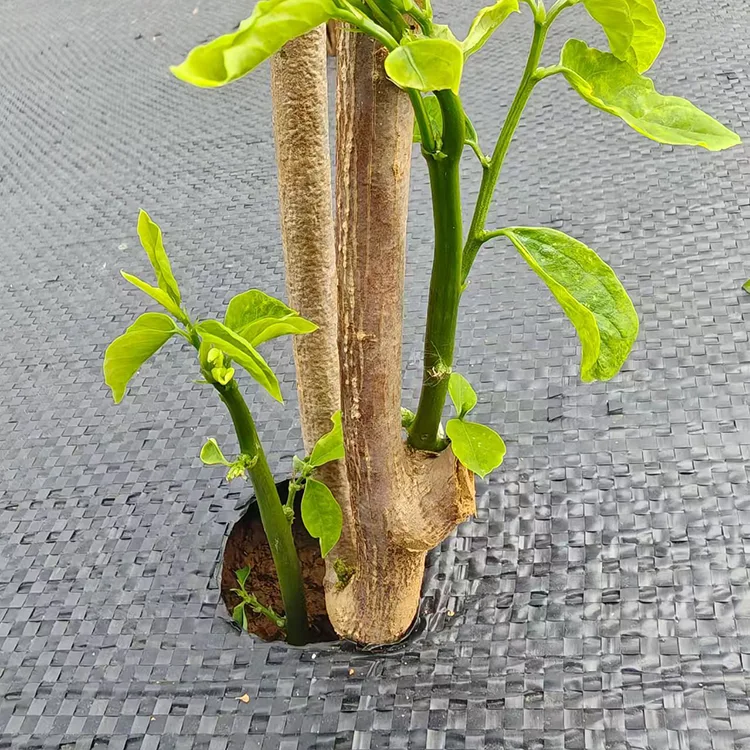
- Planting: Cut holes in the fabric at the desired planting locations. Fold back the edges of the holes and plant the herbs, ensuring that the fabric is snug around the stems.
- Mulch Covering (Optional): Cover the fabric with a layer of organic mulch to improve appearance, reduce UV exposure, and provide additional weed suppression.
These installation practices ensure that the fabric remains in place, performs effectively, and supports the healthy growth of herb plants.
06. Agronomic Benefits for Herb Cultivation
The use of Herbal Plant Weed Barrier Fabric offers several agronomic benefits that are particularly relevant to herb cultivation.
- Reduced Competition: By suppressing weeds, the fabric reduces competition for water, nutrients, and light, allowing herbs to grow more vigorously.
- Improved Soil Moisture: The fabric reduces evaporation from the soil surface, helping to maintain consistent moisture levels.
- Cleaner Harvest: The fabric keeps the soil surface clean and reduces mud splash onto the herb leaves, improving harvest quality.
- Reduced Labor: Weed suppression reduces the time and effort required for manual weeding.
- Support for Organic Production: The fabric reduces reliance on herbicides, aligning with organic certification requirements.
These benefits make weed barrier fabric a valuable tool for herb growers seeking to improve productivity and sustainability.
Frequently Asked Questions
Product specifications and availability may vary. Always consult the manufacturer's documentation for your specific application requirements.