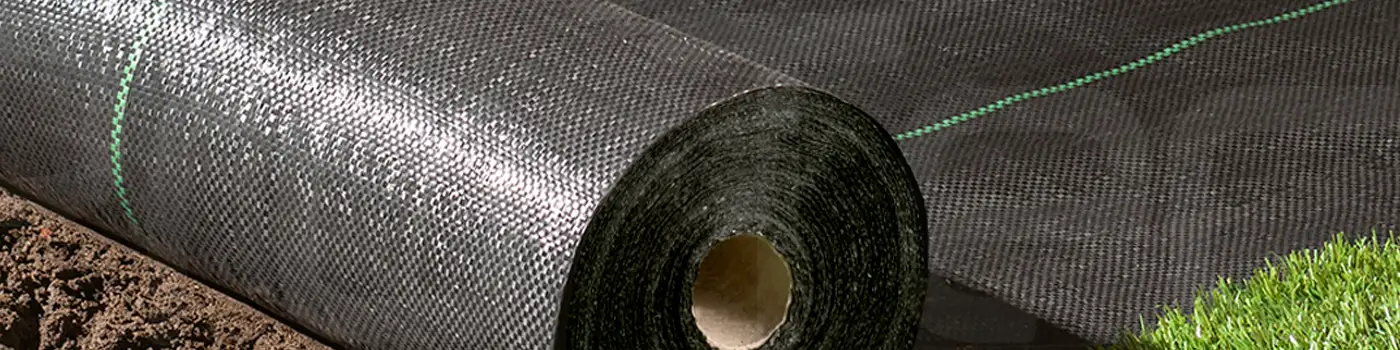
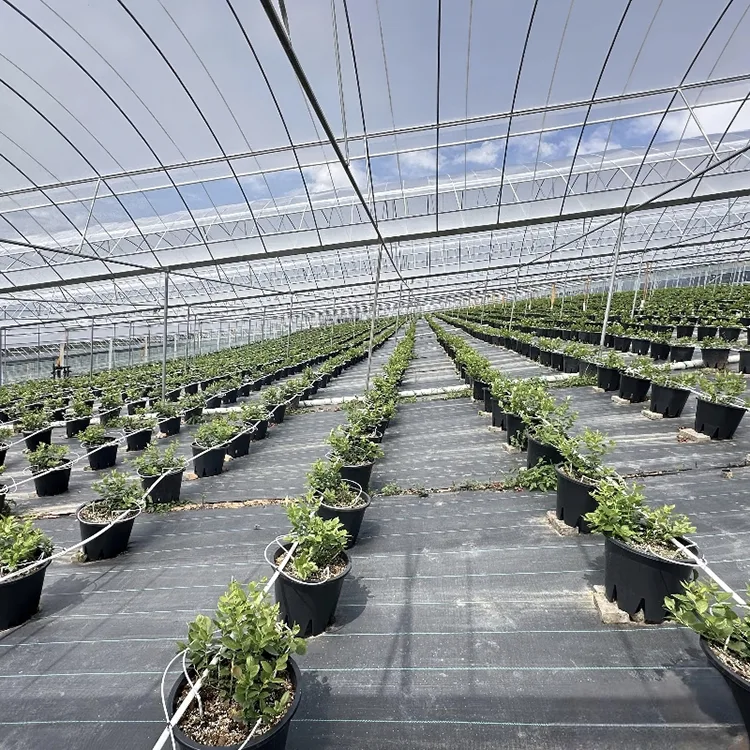
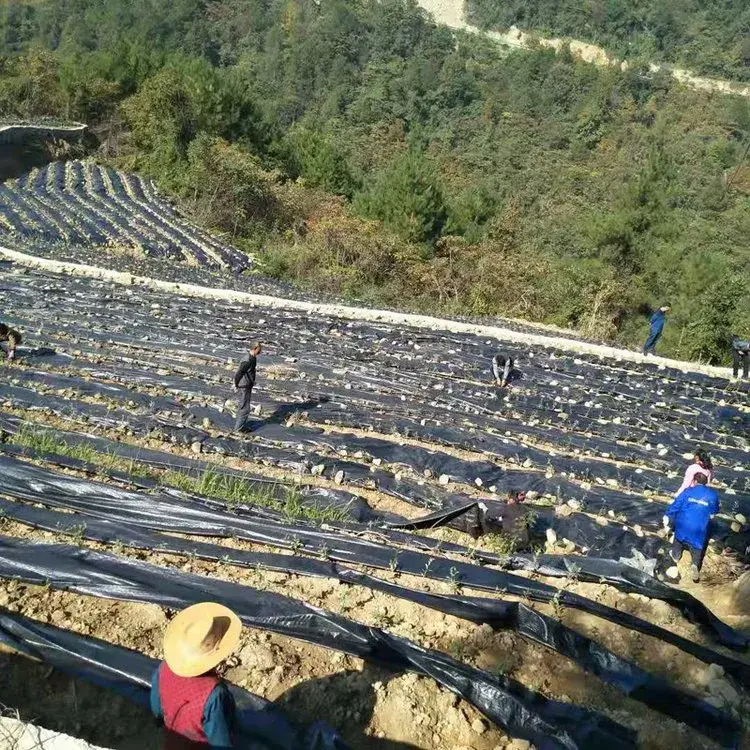
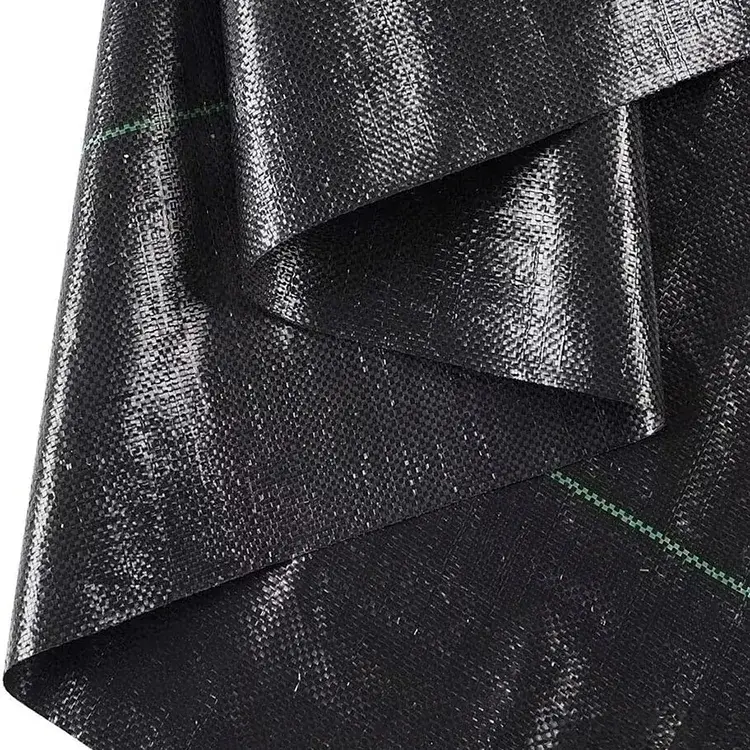
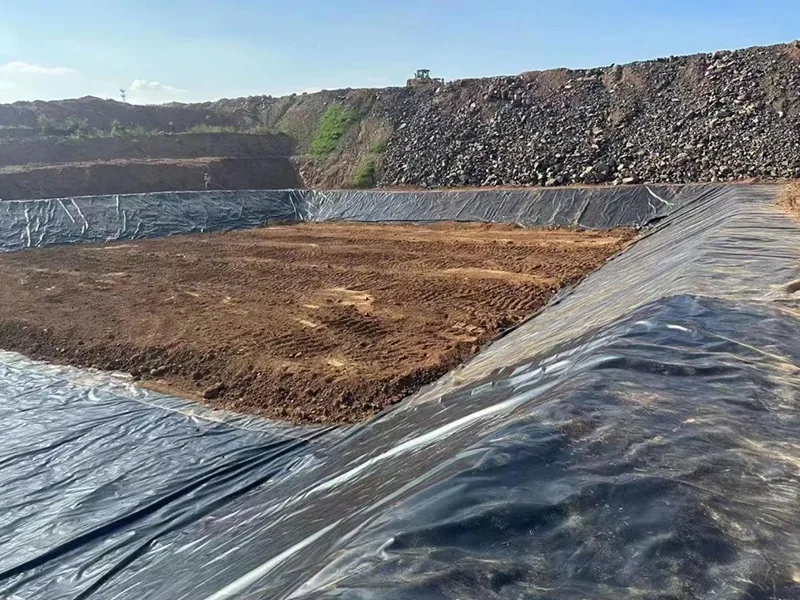
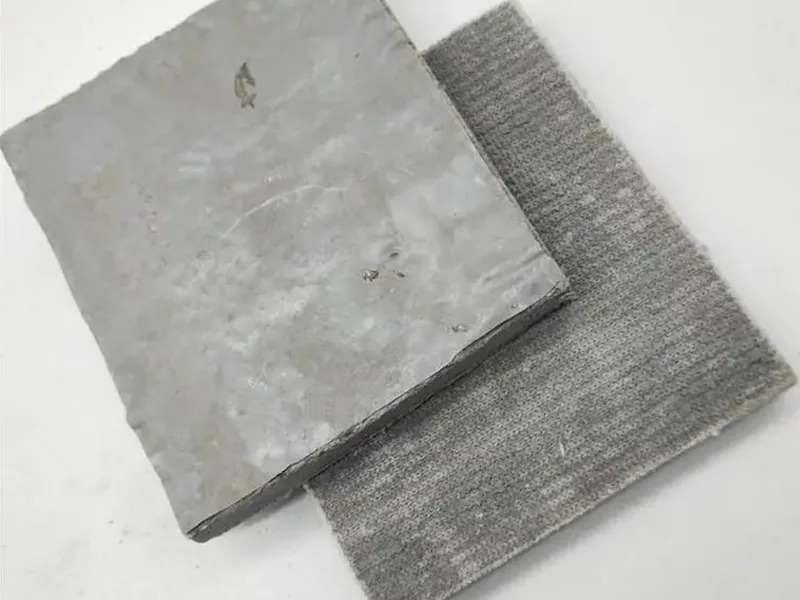
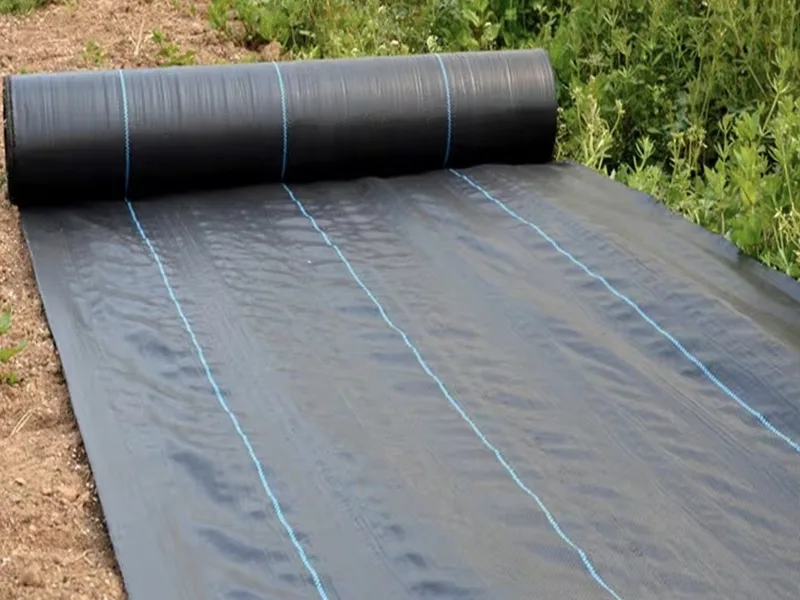
In landscaping, orchard management, and greenhouse seedling cultivation, growers have long faced core challenges such as rampant weed growth, loss of water and nutrients, soil compaction, and high labor costs for weeding. Traditional herbicides risk leaving chemical residues; manual weeding is time-consuming and labor-intensive; and standard plastic mulch films lack breathability, often leading to root suffocation and rot. Consequently, these methods struggle to meet the demands of large-scale, eco-friendly cultivation. Landscape Weed Barrier Fabric is a specialized woven protective material designed for modern ecological farming. Precision-woven from virgin polymer raw materials and anti-aging additives, it utilizes physical light-blocking to safely suppress weeds while offering permeability (air and water), nutrient retention, soil protection, and weather resistance. Suitable for a wide range of applications—including orchards, tea plantations, nurseries, residential landscapes, and greenhouses—it serves as a key agricultural material for replacing traditional weeding methods, reducing costs, and improving crop quality. Tongfu is a professional manufacturer and supplier of weed barrier fabrics, geomembrane liners, and concrete curing blankets, welcome your inquiries and orders!
What is landscape weed barrier fabric? What advantages does it offer over traditional weeding methods?
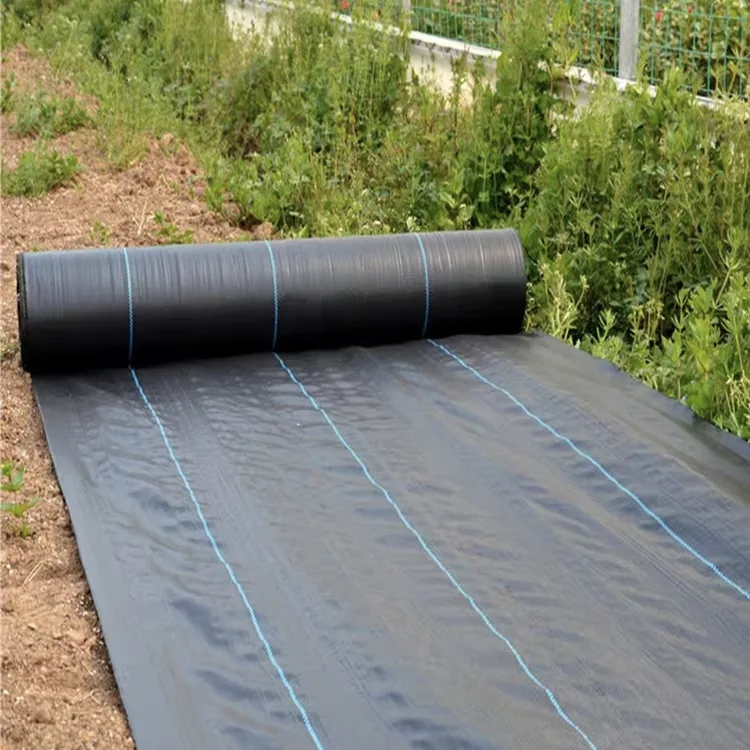
Landscape Weed Barrier Fabric—also known as weed control fabric or horticultural ground cover—is an agricultural ground protection fabric. It is precision-woven from virgin polyethylene (PE) or polypropylene (PP) granules, blended with specialized anti-UV masterbatches and antioxidant additives. It has become an essential, mainstream material for ecological cultivation and landscaping.
Compared to traditional weeding and soil management techniques, it offers significant practical advantages that precisely address common cultivation pain points:
1. Eliminates chemical weeding risks: It uses physical light-blocking principles to suppress weeds without the need for herbicides, preventing pesticide residues at the source and supporting high-standard organic and eco-friendly farming models.
2. Replaces inefficient manual weeding: A single installation provides long-term weed suppression, eliminating the tedious, repetitive labor of manual weeding and drastically reducing annual maintenance costs.
3. Superior to standard plastic mulch: Its woven structure features inherent pores for air and water permeability; it does not seal off the soil or cause root suffocation and rot, maintaining a loose, well-aerated soil environment ideal for plant growth.
How do you choose a reliable landscape weed barrier fabric?
The quality of weed barrier fabrics currently on the market varies significantly. Low-priced products made from large amounts of recycled materials suffer from common flaws: they disintegrate or crack after just six months of use, age rapidly under intense sunlight, tear easily under tension, and offer poor water and air permeability. Frequent damage and the need for re-installation after laying actually increase overall cultivation costs.
When sourcing professional-grade horticultural weed barrier fabrics for engineering or agricultural projects, simply focus on four key screening criteria to effectively avoid inferior products:
1. Check the raw material: Prioritize fabrics woven from 100% virgin plastic granules; avoid low-cost products containing mixed recycled or reclaimed materials to ensure toughness and weather resistance right from the source.
2. Check the weave density: Look for a uniform, tight weave pattern with no missing threads or gaps. This ensures a high shading rate, effectively preventing weeds from growing through the fabric.
3. Check anti-aging properties: Ensure the raw material contains sufficient professional-grade anti-UV and anti-oxidation additives. This allows the fabric to withstand long-term outdoor exposure to sun, rain, and seasonal temperature fluctuations without premature aging or damage.
4. Check overall toughness: Ensure stable tensile strength in both wet and dry conditions. The fabric should withstand foot traffic, the weight of small agricultural machinery, and wind stress, ensuring it does not easily tear during routine field operations.
What product categories does our factory offer?
We specialize in the production of landscape weed barrier fabrics, offering three main categories: general-purpose woven weed barrier fabric, custom pre-punched weed barrier fabric, and thickened, sun-resistant horticultural ground cover. Our entire product line has passed third-party testing for agricultural materials and fully complies with national standards for agricultural geotextiles. These products are suitable for various cultivation scenarios—including ornamental plants, fruits, vegetables, and medicinal herbs—and feature eight core performance characteristics tailored to real-world planting needs:
1
High-shading physical weed suppression; zero pesticide residue for greater safety
The high-density woven structure achieves a 98% shading rate, blocking photosynthesis and causing weeds to wither naturally. No chemical agents are used, ensuring zero pesticide residue and meeting testing standards for organic farming as well as the cultivation of premium fruits, vegetables, and medicinal herbs.
2
Permeable and Breathable; Protects Roots and Prevents Soil Compaction
Specially designed woven pores ensure rapid infiltration of rainwater and irrigation water while facilitating soil aeration. This prevents root hypoxia and rot, effectively alleviates soil compaction, and supports the growth of crops sensitive to "suffocated" roots.
3
Sun and Rain Resistant; Durable for Long-Term Outdoor Use
Formulated with imported UV-resistant and antioxidant additives, it withstands high-temperature exposure, freezing temperatures, and prolonged rain. The standard version lasts 3 years outdoors, while the thickened, sun-resistant version lasts up to 5 years—far outperforming inferior, low-quality weed mats.
4
High Toughness and Tear Resistance; Suitable for Field Operations
Features a reinforced bi-directional (warp and weft) weave for stable toughness. It withstands daily foot traffic, pressure from small agricultural machinery, and wind stress without easily cracking or tearing, making it ideal for mechanized planting and maintenance.
5
Water Drainage and Soil Stabilization; Prevents Erosion
Rapidly drains surface water during the rainy season to prevent waterlogging damage to crops. It fits snugly against the ground to stabilize the soil layer, effectively preventing erosion caused by rainfall runoff—ideal for hillsides, slopes, and open-air nurseries.
6
Clean, Dust-Free, and Moisture-Proof; Reduces Crop Diseases
Blocks surface dust to keep fruit and leaves clean, simplifying the cleaning process for produce. It also blocks rising ground moisture, significantly reducing the incidence of soil-borne diseases like root rot and gray mold, thereby lowering the need for chemical plant protection.
7
Custom Perforation; Ready-to-Use and Labor-Saving
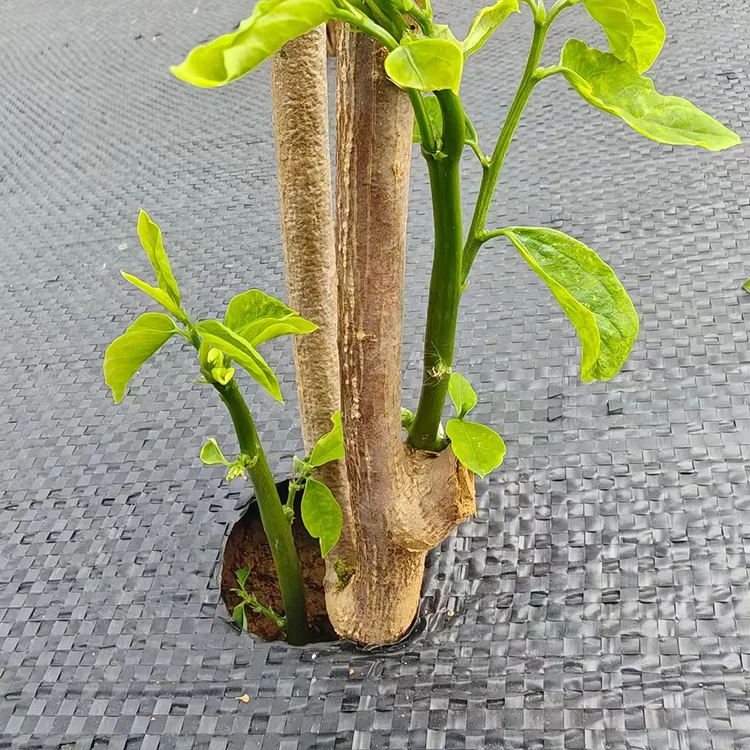
Hole size, spacing, and row intervals can be customized to suit the planting requirements of various crops such as citrus, blueberries, grapes, and medicinal herbs. It is ready to lay down and plant immediately upon arrival, eliminating the need for on-site punching or cutting.
8
Eco-Friendly and Biodegradable; Pollution-Free
Made from non-toxic, odorless materials that do not leach harmful substances during use. It naturally weathers and degrades after disposal without polluting soil or groundwater, aligning with green agricultural and environmental standards.
Maintenance and Care Recommendations
Proper installation and routine care of the landscape weed barrier fabric can significantly extend its service life and ensure consistent weed suppression:
1. Level the ground before installation: Clear the area of stones, branches, and sharp debris before laying the fabric to prevent hard protrusions from causing long-term friction or punctures, thereby avoiding potential damage.
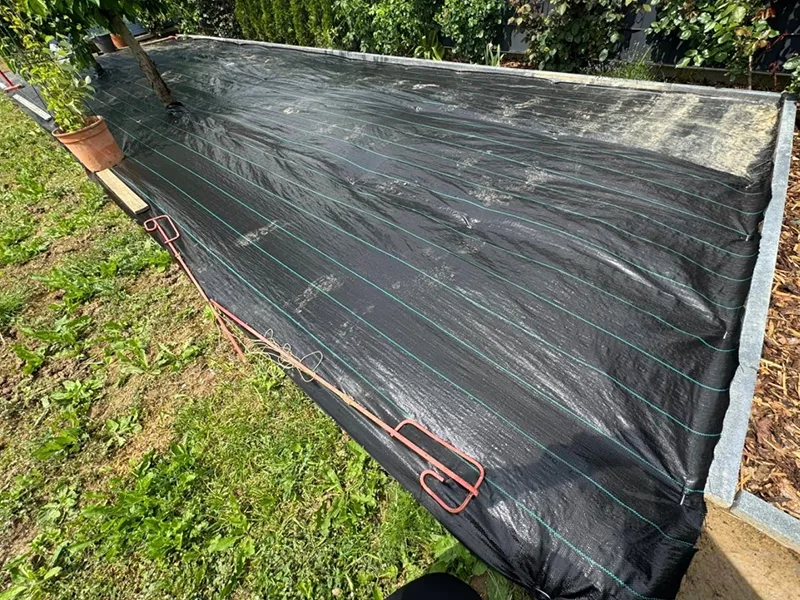
2. Secure properly: After installation, anchor the edges using ground staples or securing strips to prevent the fabric from being lifted by strong winds or stretched out of shape; this prevents shifting and weed breakthrough, ensuring effective weed suppression across the entire area.
3. Avoid damage from sharp tools: During routine tasks such as pruning, fertilizing, or soil loosening, avoid scraping the fabric surface forcefully with sharp tools to minimize accidental damage.
4. Regularly clear surface debris: Promptly remove accumulated fallen leaves, mud, and dead branches from the fabric surface; long-term accumulation can trap moisture, foster moss growth, and impair water/air permeability and service life.
5. Seasonal inspections: Inspect the fabric for damage and gaps at overlap points during seasonal transitions; promptly repair minor tears and re-secure loose seams to prevent weeds from growing through the gaps.
Applications
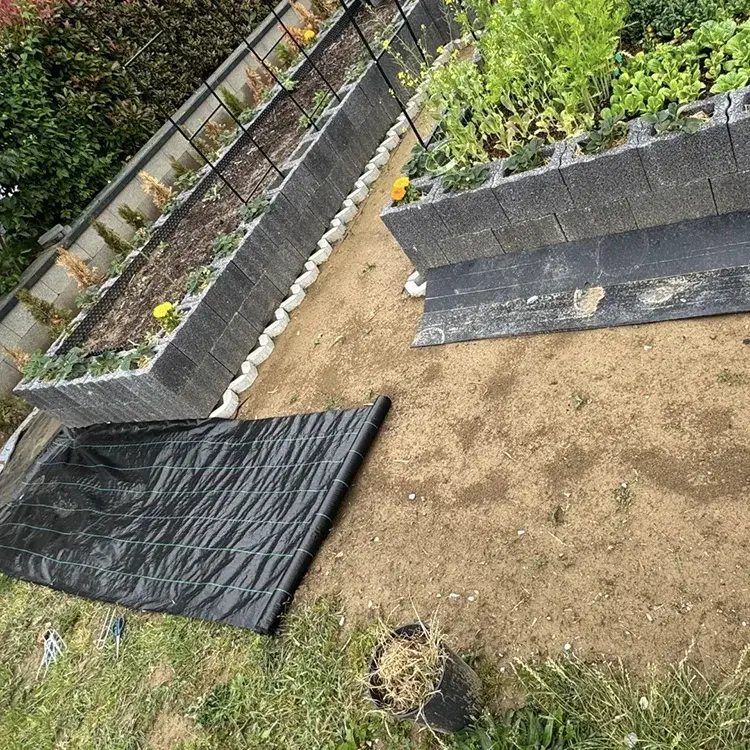
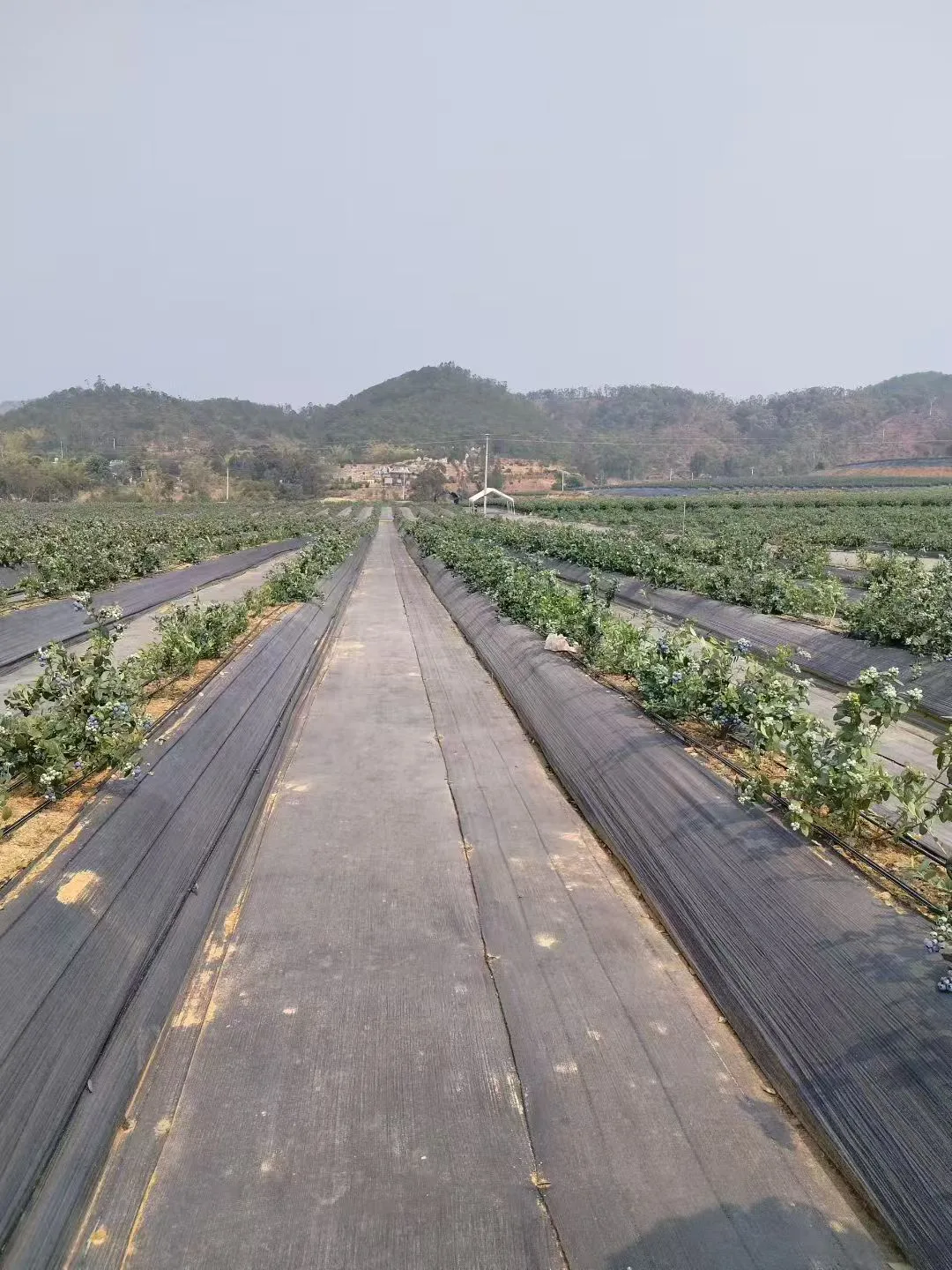
1. Orchards: Weed suppression and root protection for various fruit trees (e.g., citrus, grape, blueberry, apple, and cherry), covering both the tree basins and the spaces between rows. 2. Landscaping: Weed control and moisture retention for courtyard greenery, municipal landscaping, ornamental nursery stock, flower beds, lawns, and slope greening projects. 3. Greenhouse cultivation: Weed suppression on planting beds for vegetable greenhouses, flower seedling nurseries, and medicinal herb greenhouses; serves as a replacement for traditional, short-lived plastic mulch. 4. Outdoor nurseries: Outdoor cultivation of ornamental and commercial seedlings; prevents soil erosion and nutrient loss while protecting young plants.
FAQ
Q1: What is the key difference between landscape weed barrier fabric and ordinary plastic mulch?
Standard plastic mulch films are airtight and impermeable, often causing root suffocation, waterlogging, rot, and soil compaction; they are suitable only for short-term use. In contrast, our Landscape Weed Barrier Fabric features a breathable woven structure with excellent water and air permeability. It effectively retains soil moisture and nutrients while protecting crop roots. Designed for multi-year outdoor use, it offers the combined benefits of weed suppression, soil protection, and increased yields, making it ideal for long-term landscaping and orchard cultivation.
Q2: Is manual weeding still required after laying the weed barrier fabric?
Frequent weeding is not necessary. With a light-blocking rate of up to 98%, the fabric inhibits weed germination and growth at the source. Once properly installed and secured, the area remains virtually weed-free, requiring only occasional clearing of sporadic weeds along the edges—significantly reducing the labor required for weeding throughout the year.
Q3: Will weeds grow through the holes in the pre-punched fabric and compromise its effectiveness?
No. Custom pre-punched holes are created solely for planting crops, while the rest of the surface remains fully sealed and light-proof. Deprived of sunlight, weeds cannot grow; the holes are used exclusively for seedlings, so there is no risk of weeds spreading or proliferating through them, ensuring the overall weed-suppression performance remains intact.
Q4: Will the fabric cause water accumulation and root rot during the rainy season?
No, it will not cause root rot. The woven structure features fine, permeable pores that allow rainwater to seep through quickly and evenly, preventing pooling or puddles. It maintains soil aeration and breathability, making it perfect for cultivation in rainy, humid regions and effectively preventing waterlogging damage to crops.
Q5: Is the fabric prone to aging or damage from low winter temperatures or intense summer sun?
Our products are manufactured with ample UV-resistant, antioxidant, and low-temperature-resistant additives. Field-tested for outdoor durability, they withstand intense summer sunlight and freezing winter temperatures without easily chalking, cracking, or degrading. Standard and heavy-duty versions offer stable service lives of 3–5 years, respectively, making them suitable for year-round outdoor cultivation.
Q6: Will laying the weed barrier fabric affect soil fertility or crop growth?
Not only does it avoid negative impacts, but it also improves the soil environment. Weed control fabric retains soil moisture and nutrients, minimizing loss while preventing weeds from competing for resources; this ensures that soil nutrients are fully dedicated to crop growth, helps loosen the soil, reduces disease, and effectively enhances crop vigor, yield, and quality.