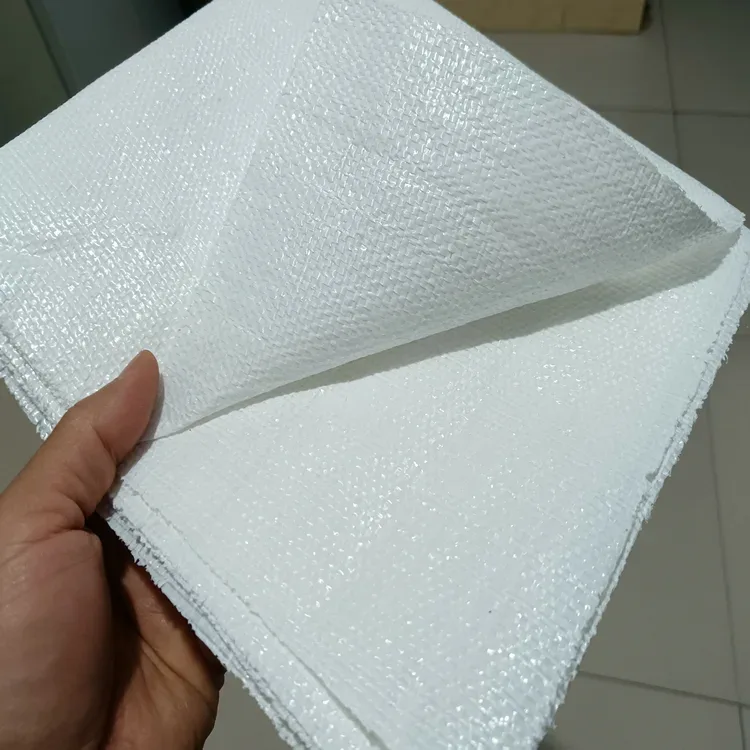
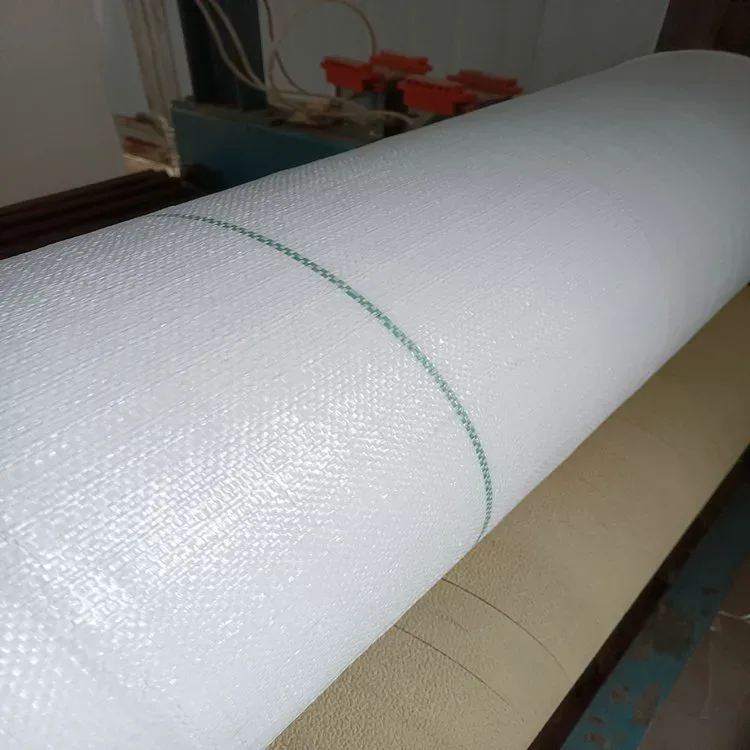
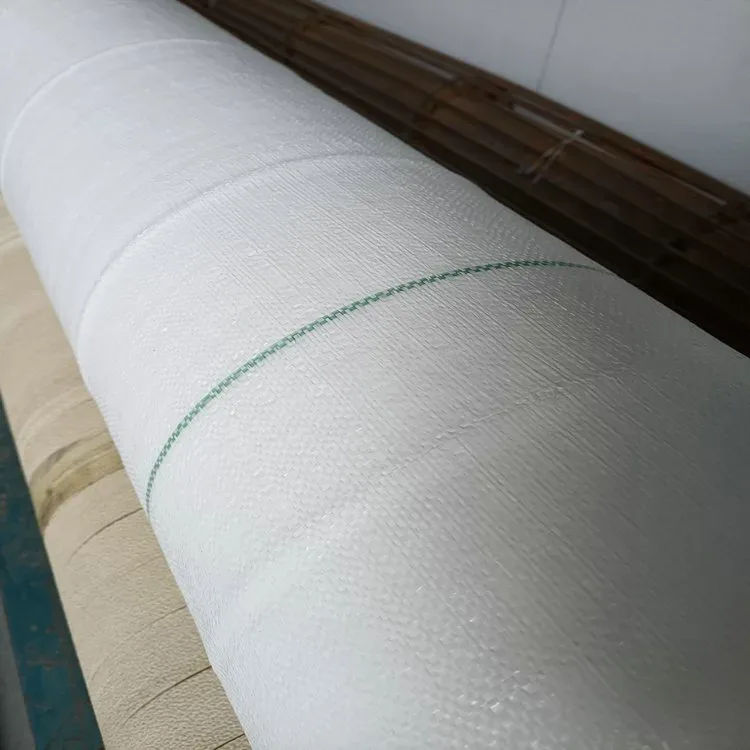
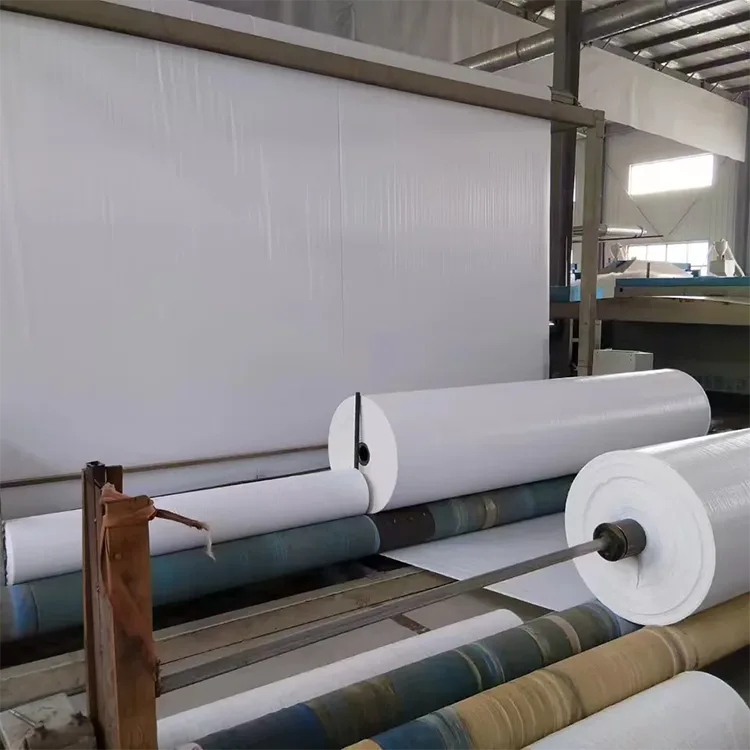
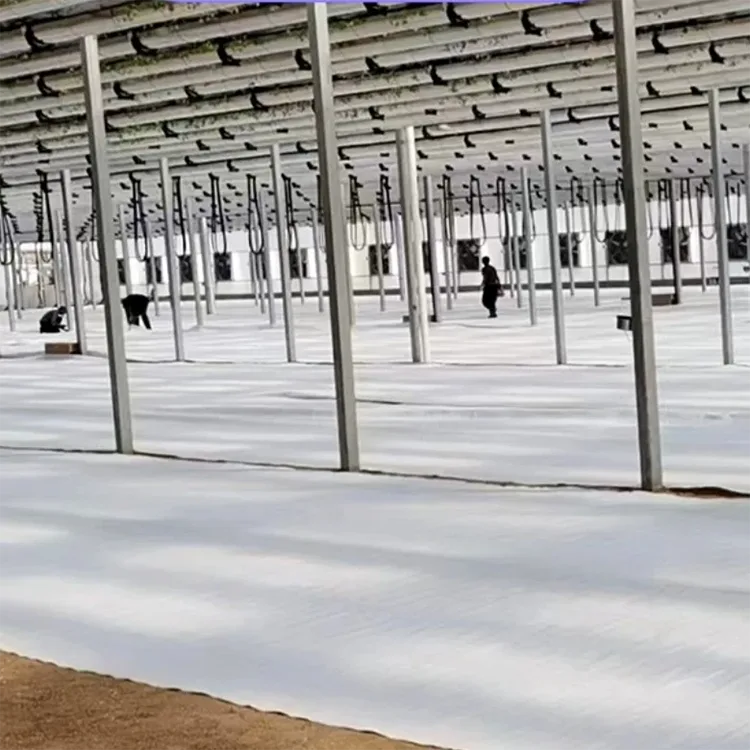
White Biodegradable Weed Barrier Fabric
As a primary manufacturer of agricultural biodegradable ground cover, Tongfu supports stock purchasing, custom sizing, and bulk orders for its White Biodegradable Weed Barrier Fabric. Building upon the traditional white weed barrier's benefits—such as light reflection for cooling and light blocking for weed suppression—this fully biodegradable woven fabric adds the attribute of natural soil degradation. It is made from a biodegradable PE/PP copolymer base combined with food-grade, weather-resistant additives; after its service life, it decomposes naturally in the soil without leaving residues.
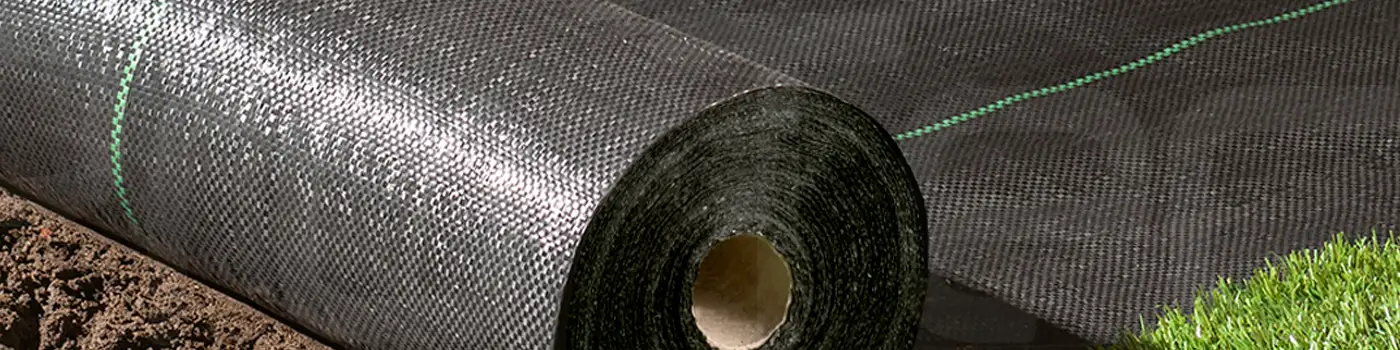
Domestic growers of premium fruits and vegetables, as well as export-oriented greenhouse operators, commonly face a dual compliance challenge. On one hand, black weed barriers absorb excessive heat; in summer, high soil temperatures inside the greenhouse can cause premature root senescence and fruit sunburn in crops like tomatoes and strawberries. Furthermore, black fabric fails to provide supplemental light to shaded fruit surfaces, often resulting in a premium-grade fruit yield of less than 60%. On the other hand, conventional white PE/PP weed barriers are non-biodegradable. Removing the fabric after harvest incurs high labor costs, and residual fragments left in the soil can jam cultivation machinery, preventing farms from obtaining organic certification or passing soil inspections for agricultural exports.
While most white weed barriers on the market focus solely on light reflection and weed suppression—ignoring regulations regarding "white pollution" (plastic waste) on agricultural land—Tongfu’s White Biodegradable Weed Barrier Fabric specifically addresses these shortcomings. It utilizes a copolymer biodegradation modification process that retains the high strength, permeability, and reflectivity of woven flat-yarn fabrics without compromising temperature control, light supplementation, or pest-prevention capabilities. Additionally, the degradation cycle is engineered to match the single-season growth cycle of fruit and vegetable crops. Eliminating the need for manual fabric removal, this product aligns with domestic policies on controlling agricultural plastic pollution and EU environmental standards for soil regarding imported produce. It is also an essential material for agritourism gardens and organic farming parks seeking to improve their environmental impact assessment approval rates.
What is the difference between white biodegradable reflective weed barrier fabric and ordinary white weed barrier fabric?
1. Differences in raw material formulation
Ordinary white weed barrier fabric is made from pure virgin PE/PP; it cannot biodegrade naturally and remains intact even after being buried in the soil for ten years. This White Biodegradable Weed Barrier Fabric is manufactured using virgin PE/PP raw materials and compliant, food-grade oxidative biodegradation masterbatches. It incorporates UV-resistant, antioxidant, and heat-resistant additives, ensuring a composition entirely free from recycled materials, industrial impurities, and irritating volatile compounds. The additives have passed pesticide residue testing; they do not transfer to fruit or alter soil microbial communities, meeting the standards for pollution-free cultivation.
2. Distinctive Degradation Mechanism
Unlike inferior, rapidly degrading fabrics on the market—which often disintegrate and fail after just one month of water exposure—this product features controlled, time-sequenced degradation. It maintains its structural integrity throughout the service life (2–6 years) without any loss in tensile strength, reflectivity, or water permeability. Once its service life ends, it gradually decomposes into carbon dioxide and organic matter through the combined action of soil light, moisture, and microorganisms, leaving no microplastic residues and preserving soil aggregate structure.
3. Distinctive Application Scenarios
Standard white weed barrier fabrics are typically suitable only for domestic greenhouses and cannot be used in export-registered farms, certified green/organic plots, or ecological agritourism parks. This biodegradable version is suitable for export-oriented crop cultivation, government-standard high-quality ecological farmland, and zero-waste "pick-your-own" orchards; it eliminates the need for labor-intensive fabric recovery, resulting in lower compliance costs.
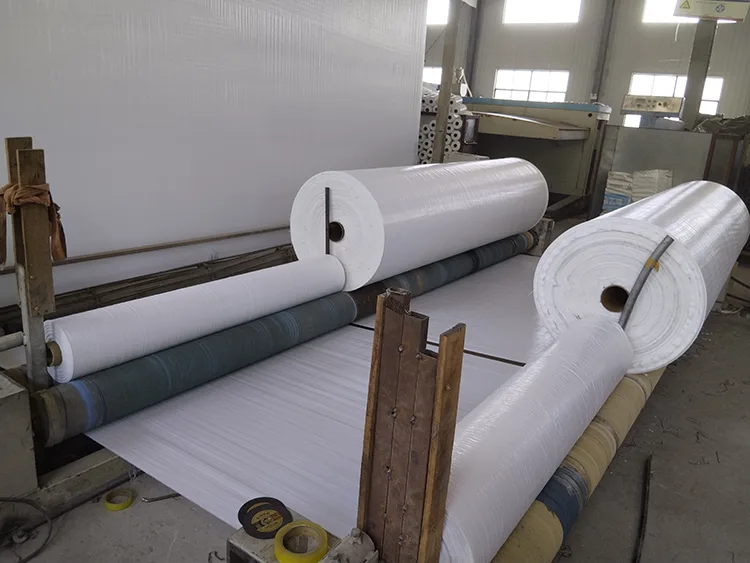
Weaving Technology and Material Specifications
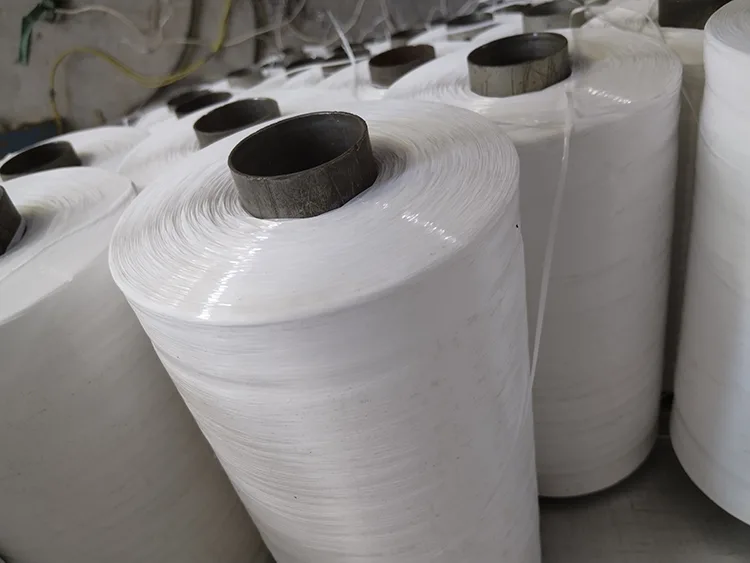
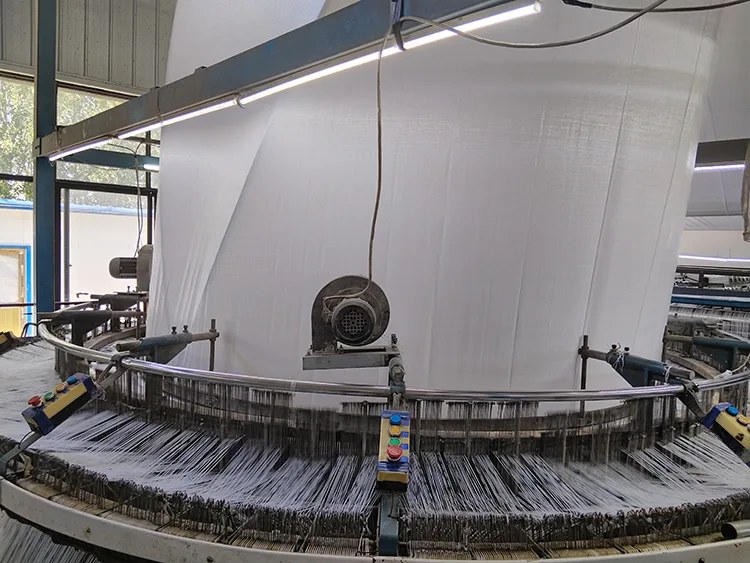
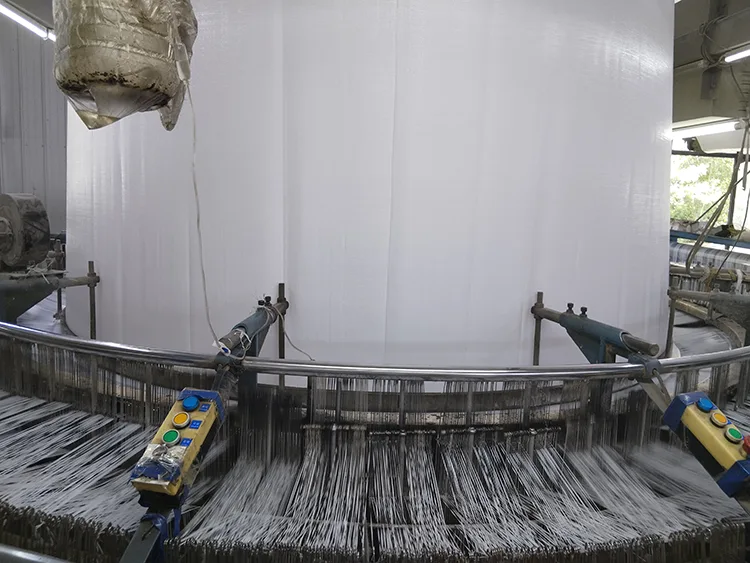
1. Precision Bi-directional Flat-Yarn Weaving
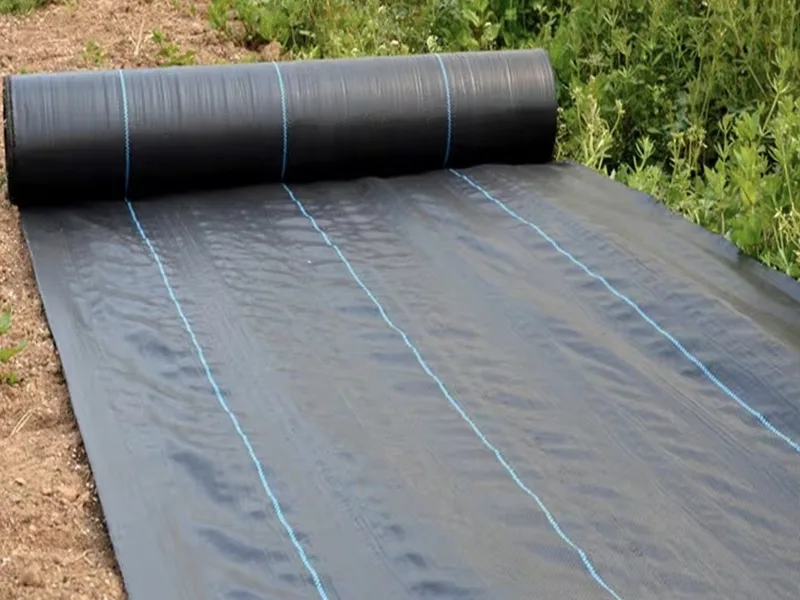
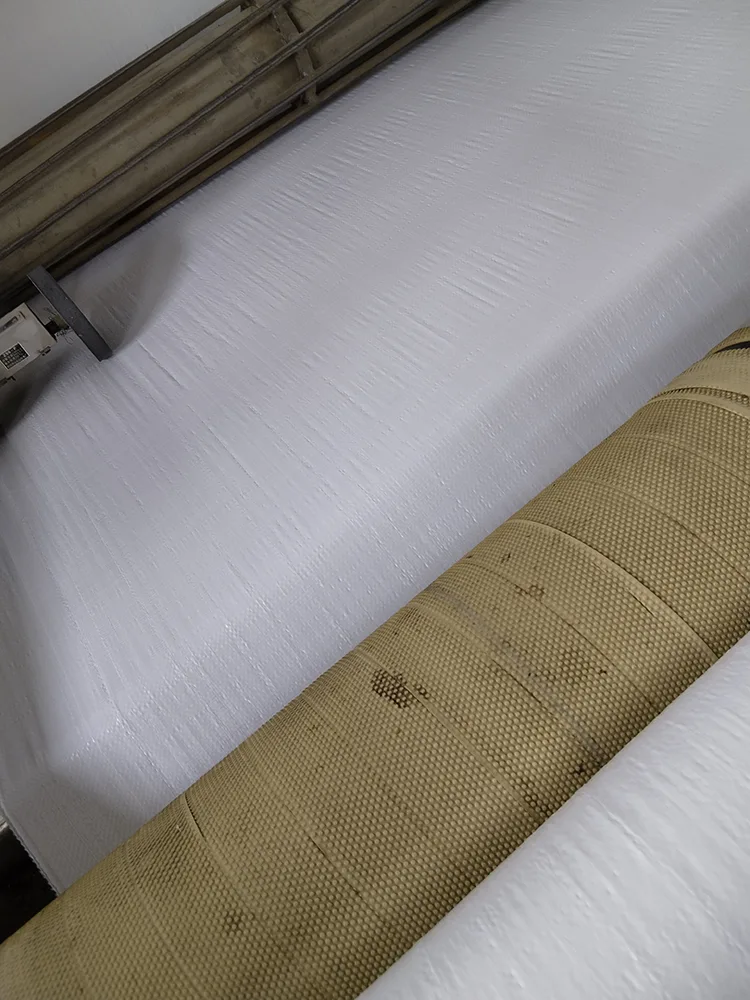
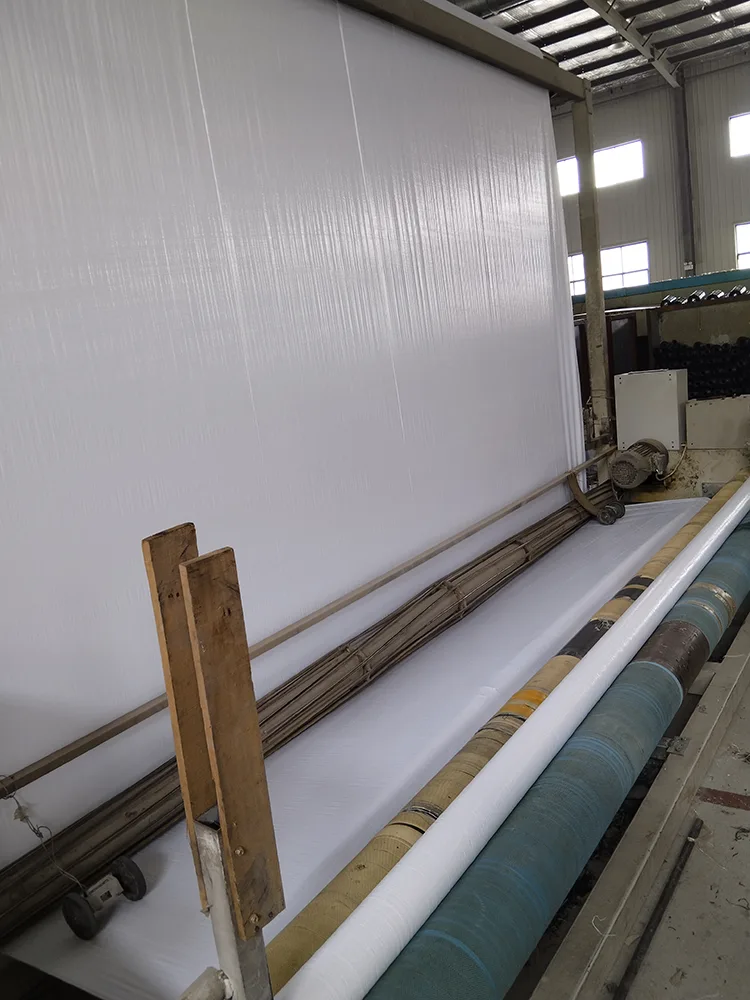
This White Biodegradable Weed Barrier Fabric is produced using high-density weaving with 120D ultra-fine flat yarns. The warp and weft intersections are thermally bonded, distinguishing it from the physical bonding structures found in standard non-woven fabrics. The finished fabric features a smooth, tight texture with no loose gaps in either the horizontal or vertical directions; it resists snagging or unraveling caused by routine use of farm tools or foot traffic. Compared to non-woven ground covers, it offers 42% greater dimensional thermal stability, ensuring it does not shrink or buckle in high-temperature greenhouse environments (up to 45°C).
2. Greenhouse-Optimized: Corrosion and Moisture Resistant
The material is optimized for the enclosed, high-humidity, and high-salinity irrigation environments typical of greenhouses. It withstands soil pH levels ranging from 5.2 to 8.9 and resists mold growth or localized powdering even during prolonged exposure to condensation and dampness. Specialized high-temperature stabilizers allow it to endure extreme summer surface temperatures of 55°C without the reflective layer peeling or the fabric becoming brittle.
3. Comprehensive Eco-Friendly Compliance
The product releases no chemicals throughout its lifecycle; no plasticizers leach out during drip irrigation or rainwater leaching. It can be reused for 2–3 planting seasons before naturally degrading, balancing economic efficiency with end-of-life environmental responsibility.
Core Performance Specifications Table
|
Performance Item |
Standard Parameter |
Field Practical Description |
|
Unit Weight |
90-120g/㎡ |
90g for seasonal seedling beds, 120g for perennial fruit greenhouses |
|
Fabric Width |
1-6m, custom cuttable |
Suitable for ridge spacing and greenhouse aisle customized layout |
|
Light Shading Rate |
≥93% |
Block weed photosynthesis, weed control rate over 96% |
|
Light Reflectivity |
≥68% |
Improve backlight leaf illumination, balance fruit coloring |
|
Soil Cooling Effect |
3-6℃ surface temperature drop |
Avoid root burning under strong summer sunlight |
|
Service Life & Degradation Cycle |
Regular: 2-4 years, Degradation 8-12 monthsThickened: 4-6 years, Degradation 12-18 months |
Degradation starts after service life, no manual recycling needed |
|
Bidirectional Tensile Strength |
Warp ≥720N/50mm, Weft≥610N/50mm |
Resist puncture, trampling and farm tool friction |
|
Water Permeability |
2.1-3.2 L/(m²·s) |
Fast infiltration, prevent root waterlogging and soil hardening |
What cultivation pain points does it solve?
1. Herbicide-Free Weed Control: Avoids Organic Certification Penalties
With a shading rate exceeding 93%, it physically blocks photosynthesis, preventing weeds from sprouting between rows or on ridges throughout the year—eliminating the need for herbicides like glyphosate. By preventing excessive herbicide residues at the source, it ensures compliance with annual inspections for "Green Food" and organic produce, resolving the conflict many growers face between effective weed control and regulatory compliance.
2. Uniform Diffuse Reflection: Eliminates Color Discrepancies (Sun-Side vs. Shade-Side)
Standard white ground covers often cause localized glare that scorches fruit surfaces; this product utilizes a micro-porous weave of flat filaments to create diffuse reflection, preventing direct-light scorching. It supplements light to the shaded undersides of strawberries, grapes, and cherries, shortening the coloring period by 5–8 days and ensuring uniform coloration, thereby increasing the yield of premium-grade fruit by over 23%.
3. Surface Temperature Regulation: Prevents Premature Plant Senescence in Summer
Black weed-control fabrics can raise soil temperatures by 4–7°C in summer, often causing root suffocation and premature senescence in shallow-rooted crops. This product’s white surface reflects short-wave infrared radiation, effectively lowering surface soil temperatures by 3–6°C. This maintains the root zone within the optimal 22–28°C growth range, enhancing the plant's resilience against disease, drought, and heat stress during the hot season.
4. Microporous permeability for moisture retention and soil salinization mitigation
The evenly woven microporous structure allows for rapid drainage of accumulated rainwater, preventing waterlogging and root rot on the ridges. Simultaneously, it reduces surface soil moisture evaporation by approximately 35%, thereby decreasing the frequency of irrigation. Excess salts leach out of the cultivation layer along with irrigation water; long-term use helps alleviate secondary soil salinization in greenhouses.
5. Barrier against soil-borne pests and reduced disease incidence
The white biodegradable weed barrier fabric provides full coverage of the soil surface, blocking root-knot nematodes and Rhizoctonia solani (damping-off fungus) from rising with soil moisture. It keeps the base of the stems and roots dry, lowering the risk of outbreaks of gray mold and root rot, and can reduce fungicide usage by over 20%.
6. Pure white appearance suits agritourism and pick-your-own operations
The fabric contains no fluorescent whitening agents and features a matte, pure white finish that does not produce glaring reflections, ensuring a pleasant experience for visitors. It creates a neat, tidy visual aesthetic suitable for "Instagrammable" agritourism spots, thereby enhancing the site's premium appeal.
7. No need for fabric recovery; reduced labor costs at the end of the cycle
Conventional weed barrier fabrics require manual collection and centralized disposal after harvest, costing 120–180 RMB per mu in labor. This product biodegrades automatically, eliminating the need for manual recovery; a large-scale 100-mu facility can save over ten thousand RMB annually in disposal costs.
8. Flexible and easy to cut; suitable for irregularly shaped greenhouse layouts
Compared to rigid biodegradable mulching films, this woven material offers superior flexibility. It can be easily cut to fit curved greenhouse corners or irregular gaps around seedbeds, ensuring a snug fit against the ground without gaps. Two people—even novices—can cover one mu of land using U-shaped ground staples, doubling installation efficiency.
Application Scenarios
1. Multi-span smart greenhouses
Specifically designed for greenhouses registered for fruit and vegetable exports to Japan and Europe; soil testing confirms no microplastic residues, ensuring smooth customs clearance and origin verification. Suitable for high-value facility cultivation of crops such as tomatoes, colored bell peppers, and netted melons. 2. Premium Cultivation of Low-Growing Berries
For trailing berries such as strawberries, blueberries, and raspberries, the fabric reflects light onto the undersides of the fruit. This prevents the bottom surfaces from turning pale or becoming deformed, stops the fruit from rotting due to soil contact, and reduces crop loss.
3. Sterile Cutting Propagation Beds for Flowers
White biodegradable weed barrier fabric is used for rose, hydrangea, and succulent cutting beds. It suppresses weeds while improving light uniformity across the bed, preventing seedlings from becoming leggy. The fabric does not harbor pathogens, thereby reducing the incidence of seedling damping-off disease.
4. Eco-Tourism Flower Fields and Garden Landscapes
Used for surfacing flower field walkways and garden planter bases, the fabric suppresses weeds and controls dust, creating a neat appearance. It degrades naturally over time without damaging the soil structure, eliminating the need for post-season soil tilling or fabric removal.
5. Eco-Friendly Livestock and Poultry Farming Corridors
Installed in sightseeing paths around livestock sheds and manure diversion zones, the fabric prevents moisture buildup and weed growth, reduces insect habitats, and—upon degradation—does not contaminate the soil with pollutants, meeting environmental assessment standards for integrated crop-livestock farming.
Guidelines for On-Site Use and Storage
1. Pre-installation Preparation
Clear the ridge surface of gravel, broken tree roots, and stiff crop stalks. Sharp protrusions can tear the fabric's weave, causing premature localized damage and disrupting the degradation timeline.
2. Installation and Anchoring Standards
Smooth out the fabric and leave a 2cm allowance for expansion and contraction to prevent wrinkling caused by heat shrinkage. Overlap seams by at least 10cm and secure with plastic ground pegs every 50cm; the use of metal nails is prohibited to prevent rust contamination of the soil.
3. Specification Selection Recommendations
For short-term (1–2 year) seedling cultivation: use the standard 90g biodegradable version. For perennial fruit trees (4+ years): use the thickened, UV-resistant biodegradable version. In high-rainfall or humid regions, the thickened version is recommended to prevent premature degradation.
4. Storage Requirements for Unused Material
Store unused rolls in a sealed, ventilated warehouse away from direct light. Do not stack or store outdoors exposed to the sun, as this could trigger premature degradation and shorten the fabric's service life in the field.
FAQ
1. Will it degrade prematurely and affect usability?
The White Biodegradable Weed Barrier Fabric utilizes a formula with controlled degradation timing; degradation is triggered by prolonged soil burial combined with microbial activity, so surface-level installation in open fields or greenhouses will not result in premature degradation. It decomposes slowly only after reaching its rated service life; field tests across various production regions have shown no reports of premature failure.
2. Will the degradation byproducts affect the next crop?
No. The decomposition byproducts are water, carbon dioxide, and soil organic matter. The product leaves no microplastics or heavy metal residues, has passed third-party agricultural soil testing, and does not inhibit root growth for subsequent vegetable or fruit crops.
3. What are the advantages compared to paper-based biodegradable ground covers?
Paper-based covers tend to tear after 7–15 days of exposure to rain, making them unsuitable for multi-season use. In contrast, this woven biodegradable fabric is resistant to rain erosion and foot traffic, allowing for reuse across 2–3 planting seasons, resulting in a significantly lower overall cost compared to paper versions.
4. Can custom widths and pre-cut holes be accommodated?
Yes. We offer customization options such as irregular cutting for ridge surfaces and pre-cut holes for seedling planting. The edges of the holes are heat-sealed to prevent premature tearing or degradation starting from the cut sites.
Hot Tags: White Biodegradable Weed Barrier Fabric, China, Manufacturer, Supplier, Factory
Send Inquiry
Contact Info
-
Address
Lingcheng District, Dezhou City, Shandong Province, China
-
Tel
-
E-mail
Welcome global engineering companies, agricultural planting bases and foreign trade distributors to send product consultation, customized processing and wholesale cooperation inquiries. We provide accurate quotation, free technical guidance, customized specification service and efficient after-sales support for Weed Barrier Fabric, Geomembrane Liner and Concrete Blanket Mat.