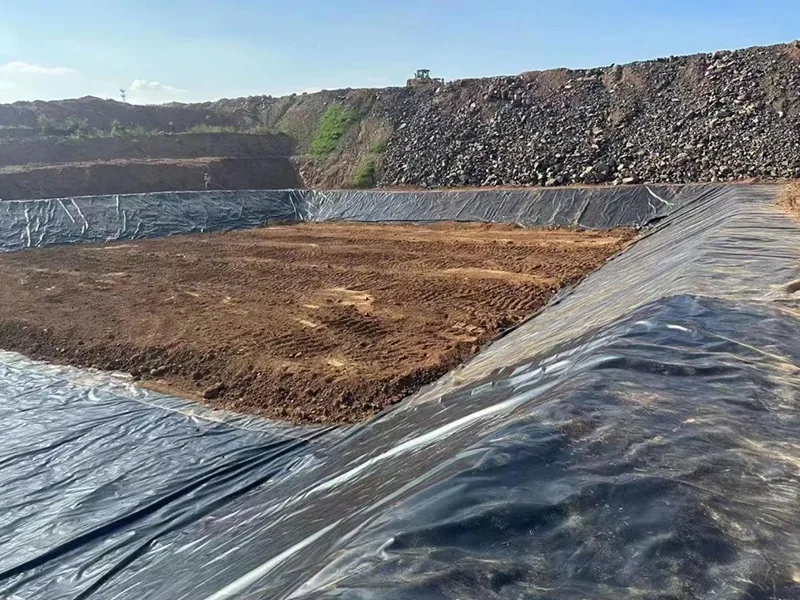
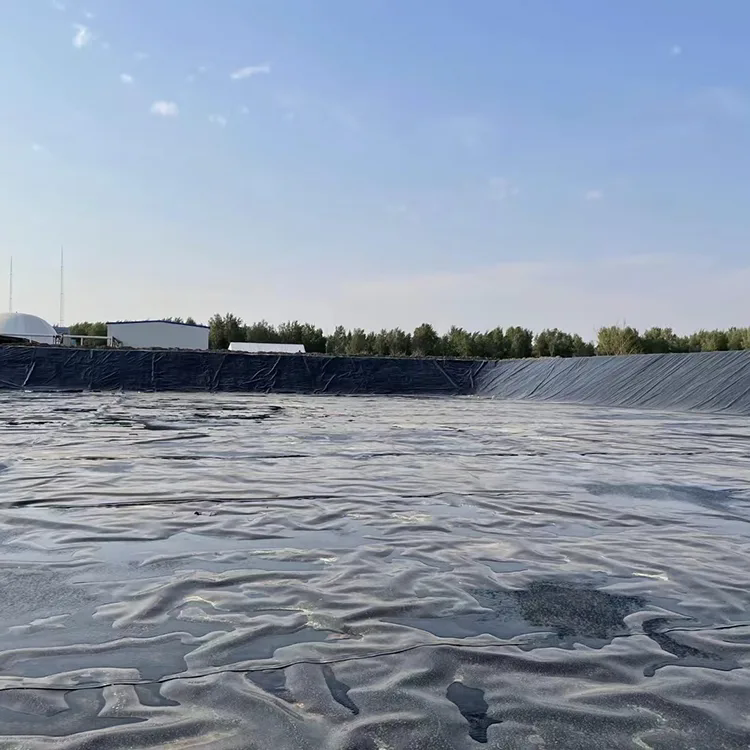
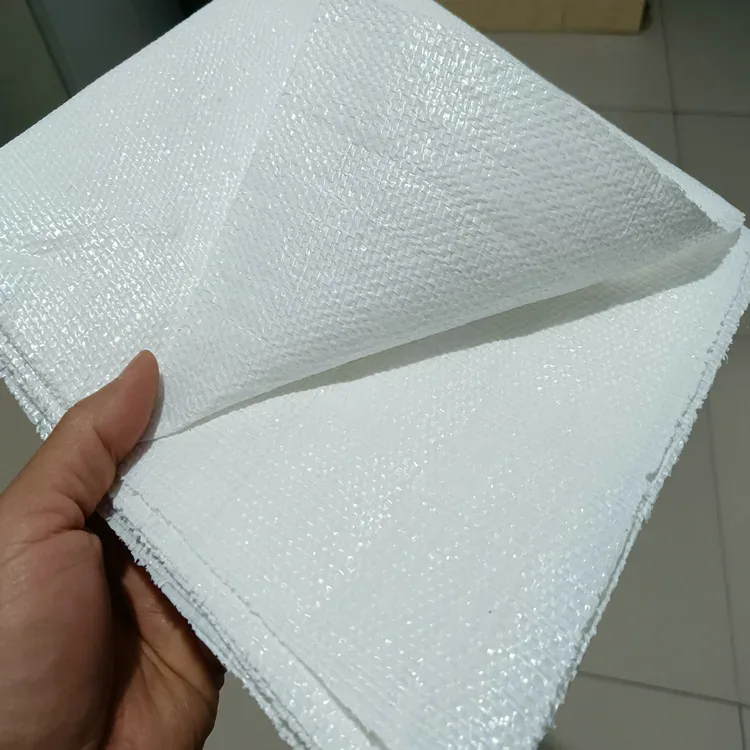
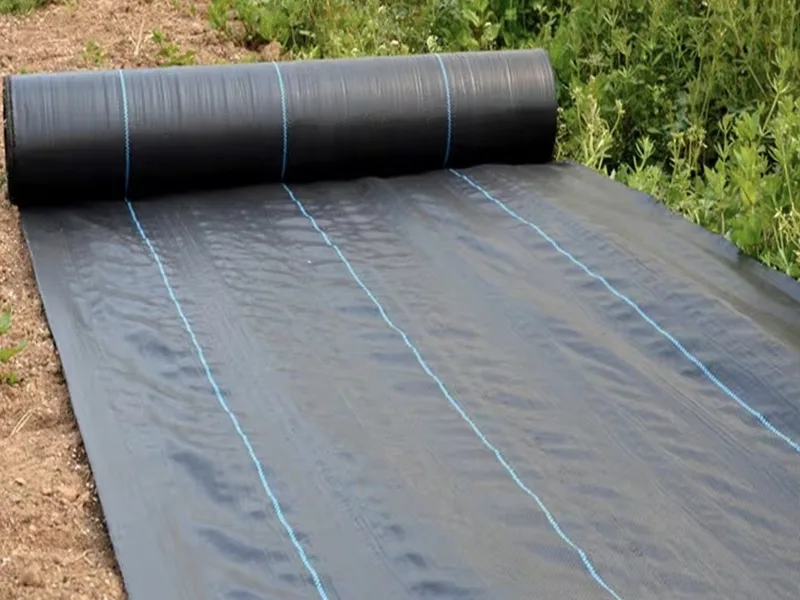
Tongfu is a professional manufacturer and supplier of geomembrane liners in China. Our reservoir water storage geomembranes address four major aquaculture challenges—pond leakage, water quality deterioration, slope collapse, and pond-bottom contamination—helping farmers stabilize water quality, reduce operational costs, and achieve stable, high yields.
Why are professional geomembrane liners essential for aquaculture ponds?
Aquaculture ponds frequently face persistent challenges: severe soil seepage leading to high daily water replenishment costs; sediment leakage causing high turbidity and increased stress-related mortality among fish and shrimp; the leaching of soil salts, alkalis, and heavy metals into the water, which degrades the aquatic environment and impacts survival rates and product quality; and slope collapses and soil erosion during the rainy season, driving up maintenance and repair expenses year after year. Aquatic species—such as fish, shrimp, crayfish, and soft-shelled turtles—have extremely high requirements for water level and quality stability. Persistent leakage and deteriorating water quality not only incur significant costs for water replenishment but also directly lead to reduced yields and frequent disease outbreaks, drastically squeezing the farmer's profit margins.
To meet the specific anti-seepage and water-retention needs of freshwater ponds, elevated ponds, and shrimp/crab farming ponds, our company has leveraged over a decade of expertise in the geosynthetic industry to develop specialized reservoir water storage geomembranes. These liners are suitable for a wide range of aquaculture scenarios—including standard earthen ponds, slope-reinforced ponds, elevated ponds, fry rearing ponds, and lotus root ponds with integrated aquaculture—offering zero-leakage water retention, resistance to corrosion from acidic or alkaline aquaculture water, and high puncture and damage resistance.
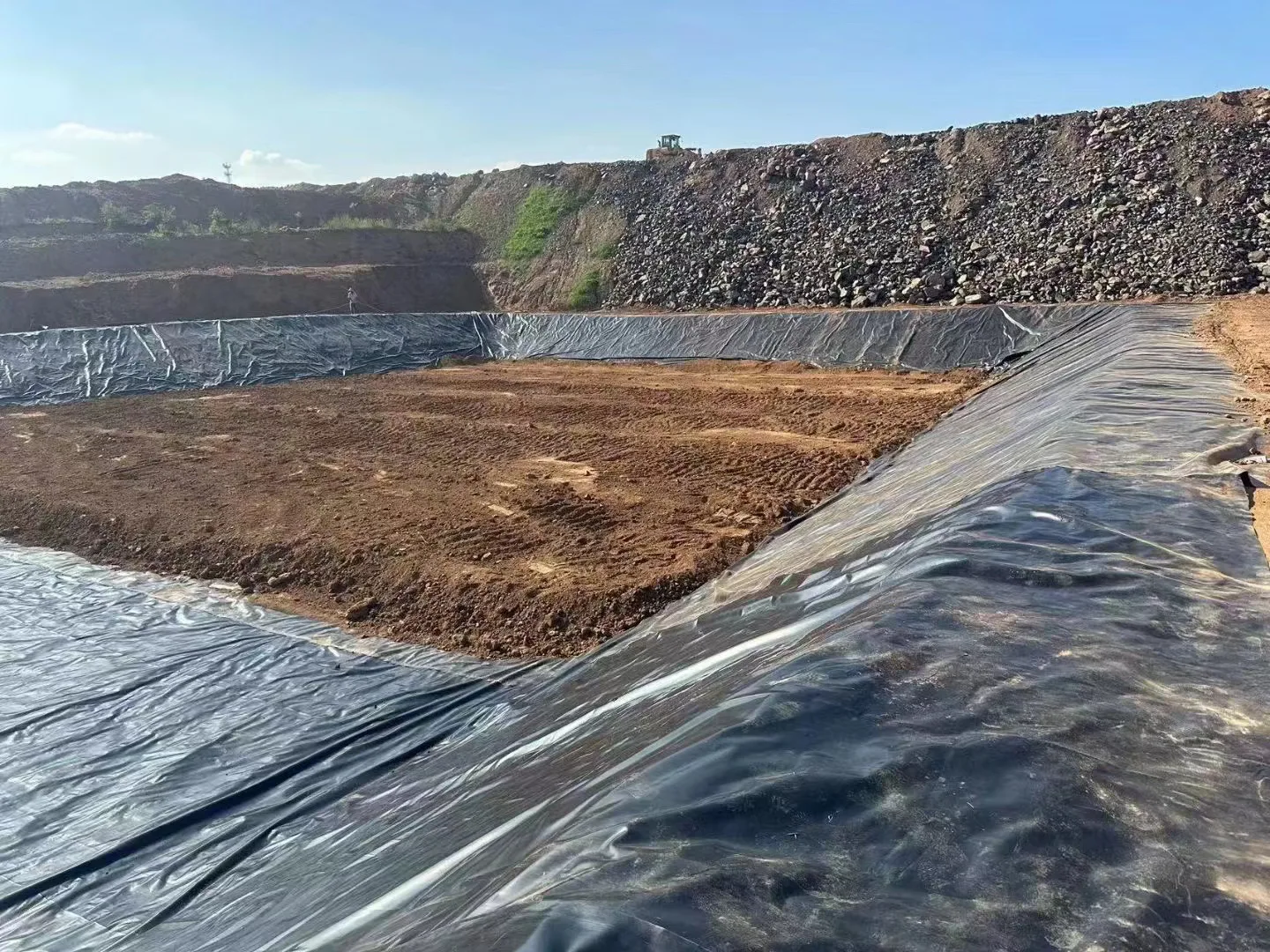
What is an anti-seepage geomembrane for fish ponds?
This geomembrane is a flexible, impermeable geosynthetic material manufactured from virgin high-density polyethylene (HDPE) resin, enhanced with specialized additives for UV, aging, and chemical (acid/alkali) resistance via high-temperature extrusion and calendering. Unlike standard liners used in landfills or chemical storage ponds, this product is specifically optimized for three key performance areas: resistance to corrosion from aquatic animal waste, resistance to punctures from sharp objects (such as fish/shrimp spines), and durability during prolonged water immersion. Its dense molecular structure ensures 100% physical impermeability, effectively preventing groundwater leakage and the exchange of water between the pond and the surrounding environment. Additionally, the material is flexible enough to conform to the pond's contours, blocking soil salinity, pests, and weed roots from contaminating the water, thereby purifying the aquaculture environment. It is an essential foundation material for modern, large-scale ecological aquaculture.
How do you choose a high-quality anti-seepage liner for fish ponds?
Many farmers opt for cheap liners made from recycled materials, leading to issues such as premature cracking, leakage, weathering, and the leaching of toxic substances that can kill fish and shrimp. When selecting a high-quality liner specifically designed for fish ponds, look for the following features:
• 100% Virgin Raw Materials: Made from new HDPE resin without recycled waste or impurities; it does not leach toxic substances and is safe for fish and shrimp fry.
• Superior Puncture Resistance: Withstands punctures from pond-bottom debris (gravel, tree roots, sharp snail shells) and fish/shrimp activity, ensuring the liner remains intact after installation.
• Long-lasting Durability and Aging Resistance: Resists aging and cracking despite prolonged underwater immersion and outdoor sun exposure; the underwater service life can reach 8–10 years.
• Resistance to Chemical Corrosion: Withstands corrosion from acidic or alkaline substances (such as those produced by decomposing waste) and aquaculture disinfectants, maintaining stable performance over the long term.
Low-cost geomembranes made from recycled materials often contain impurities and lack toughness; within six months of submersion, they become brittle, develop pinhole leaks, and leach harmful substances like plasticizers. This contaminates the pond water and triggers widespread disease among fish and shrimp. Aquaculture is a long-term investment; do not compromise your operation's future by chasing short-term savings on cheap materials.
What advantages does it offer over standard agricultural plastic film?
Standard agricultural plastic film is thin and extremely fragile; it tears easily against gravel on the pond bottom and disintegrates after just one or two months of submersion, failing to provide effective seepage control. Furthermore, standard film has poor corrosion resistance; exposure to aquaculture disinfectants or fish and shrimp waste causes rapid degradation, releasing toxins that can lead to mass die-offs. In contrast, our HDPE Reservoir Water Storage Geomembrane offers superior toughness and a stable molecular structure. It maintains its performance during long-term submersion and is non-toxic and odorless, meeting environmental standards for aquaculture. It ensures complete water retention and seepage prevention without disrupting the aquatic ecosystem—which is why large-scale aquaculture facilities are phasing out standard films in favor of specialized HDPE geomembranes.
Key Product Features
1
Airtight, zero-leakage water retention that significantly cuts refilling costs
The membrane is free of pinholes and voids, featuring a completely sealed molecular structure that achieves 100% impermeability. It effectively solves the problem of water seeping into the soil at the pond bottom and slopes. By eliminating continuous daily leakage and the need for 24-hour refilling, it cuts water and pumping electricity costs by over 60%. It also stabilizes water levels, preventing the frequent fluctuations that cause stress, loss of appetite, and reduced immunity in fish and shrimp, thereby minimizing the risk of disease at the source.
2
Non-toxic, eco-friendly, and safe for the aquatic growth environment
Manufactured entirely from food-grade, virgin HDPE resin, the product contains no recycled plastics or inferior additives. It is free from heavy metals and toxic plasticizers, leaching no harmful substances into the water, and fully complies with safety standards for aquaculture. It prevents underground silt, insect eggs, weed seeds, and saline-alkali impurities from entering the water, maintaining long-term water clarity and stability. This reduces the frequency of water changes and the need for water quality treatment chemicals, while improving the survival rates and market quality of fish, shrimp, crabs, and shellfish.
3
High toughness, puncture resistance, and tear strength; adaptable to complex pond-bottom terrain
The liner features high tensile strength and excellent toughness—with longitudinal tensile strength ≥27 MPa and transverse tensile strength ≥25 MPa—making it resistant to punctures from sharp stones, tree roots, and shells on the pond bottom. It also withstands the manual pulling and tool friction associated with pond cleaning and netting operations. It conforms perfectly to irregular pond bottoms and sloping banks without bulging or leaving air pockets after installation, making it suitable for various complex terrains, including natural earthen ponds, deep-excavated ponds, and ponds with sloped embankments.
4
Corrosion, frost, and UV resistant; durable for long-term, all-weather use
The formulation includes ample UV stabilizers, hydrolysis inhibitors, and acid/alkali resistance additives, providing dual protection for both exposed areas above the water and submerged areas. It withstands intense summer heat, low-temperature cracking in winter, and year-round water corrosion. With a service life of 8–10 years in open-air ponds, a single installation eliminates the need for repeated repairs or replacements, significantly lowering long-term maintenance costs.
5
Convenient installation and easy welding; customizable specifications
The material is manufactured as a continuous roll with wide-format options (e.g., 6m, 7m, 8m), drastically reducing the number of on-site seams and shortening construction time. On-site hot-melt welding using specialized equipment creates seams stronger than the liner material itself, ensuring zero leakage. Customization is available for thickness (0.3mm–2.0mm) and roll length, allowing specifications to be tailored to fry ponds, grow-out ponds, shrimp/crab ponds, and elevated ponds. Installation is simple and can be quickly completed by standard construction teams.
About Us
1. Direct-from-Factory Geomembrane Production – No Middleman Markups
We operate eight fully automated HDPE impermeable membrane extrusion lines and have specialized in the R&D and production of geotechnical impermeable materials for over a decade. We maintain full control over the entire process—from sourcing virgin raw materials and high-temperature melt extrusion to additive blending, modification, and final product testing and slitting. By supplying directly to aquaculture bases, cooperatives, construction contractors, and agricultural distributors, we eliminate all middlemen, offering bulk purchasing value that far exceeds what is available through standard market distributors.
2. Custom Formulations Tailored for Aquaculture
Unlike manufacturers of general-purpose engineering geomembranes, we collaborate with aquaculture research institutes to address specific industry challenges: prolonged underwater immersion, chemical corrosion (pH fluctuations), and exposure to harsh outdoor elements and temperature swings. We specifically adjust additive ratios and reinforce anti-puncture and anti-aging layers—avoiding the generic formulas used for landfills or artificial lakes. Our products are precision-engineered for the rigorous demands of aquaculture, ensuring superior performance and peace of mind.
3. Rigorous End-to-End Quality Control
Every roll of geomembrane undergoes individual testing for tensile strength, elongation at break, impermeability, hydrolysis resistance, and environmental safety (non-toxicity) before leaving the factory. We strictly control for defects such as pinholes, uneven thickness, and impurities, ensuring no inferior recycled-material membranes reach the market. We welcome on-site sampling by authoritative third-party agencies and provide comprehensive test reports, environmental compliance certificates, and aquaculture safety certifications to meet the acceptance standards of large-scale farming projects and government-led aquaculture initiatives.
4. Comprehensive One-Stop Service and Technical Support
We offer free samples of varying thicknesses so you can compare texture and toughness. We also provide free fishpond layout plans, slope installation schemes, and instructional videos on welding techniques. With large-scale warehouse inventory across the country, we ensure rapid dispatch within 48 hours. Professional geotechnical engineers provide one-on-one remote guidance on welding, and we offer on-site surveys and planning for complex pond terrains, enabling even novice farmers to successfully complete the installation.
Applicable Scenarios
Aquaculture: Freshwater fish ponds, crayfish and crab farming ponds, soft-shelled turtle ponds, fish fry nurseries, and elevated ponds for Pacific white shrimp; Integrated Crop-Aquaculture Systems: Lotus root ponds, leech farming ponds, and ponds for loach and Asian swamp eel; Other Seepage Control Applications: Artificial landscape lakes, water storage reservoirs, agricultural water ponds, and small sedimentation tanks for wastewater treatment.
In aquaculture, water quality determines profitability, while seepage control determines costs. Leaky, turbid ponds inevitably slash farming returns, and inferior lining materials pose hidden risks to your operation. Choose our Reservoir Water Storage Geomembrane to maintain pond water levels through durable physical barriers and protect the aquatic ecosystem with non-toxic, eco-friendly materials. By minimizing the costs associated with refilling, water changes, pond repairs, and disease management, our product makes pond maintenance simple and hassle-free. With years of expertise in the geosynthetic lining industry and a focus on the genuine needs of aquaculture farmers, we create durable, safe, and cost-effective products that ensure peace of mind and stable income growth. We welcome inquiries, sample requests, factory visits, and discussions regarding long-term partnerships.