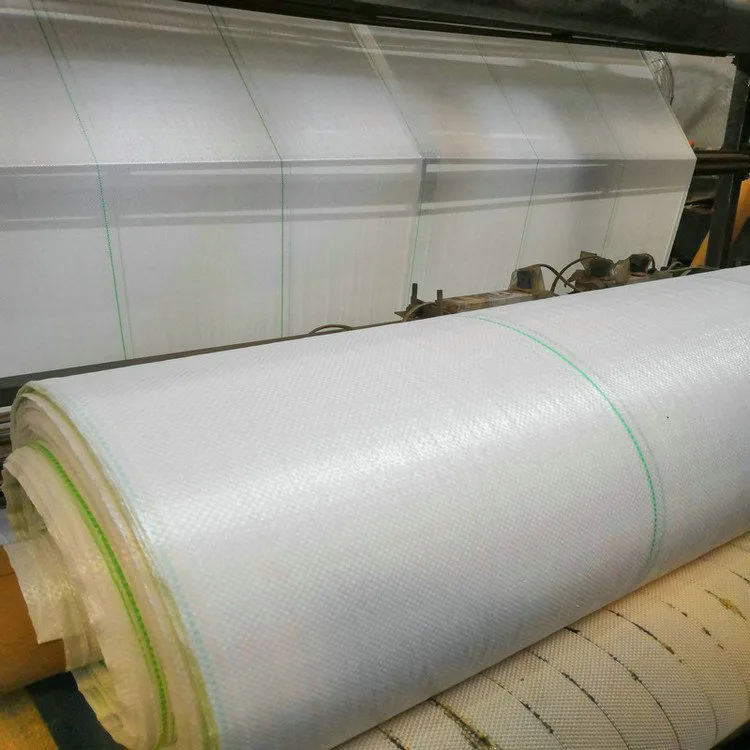
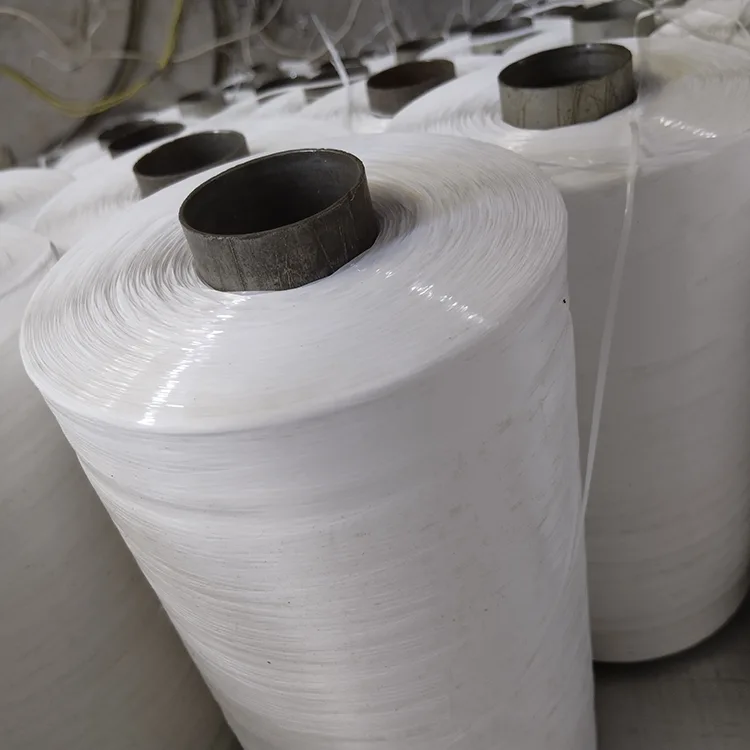
Weed Barrier Fabric With Planting Lines
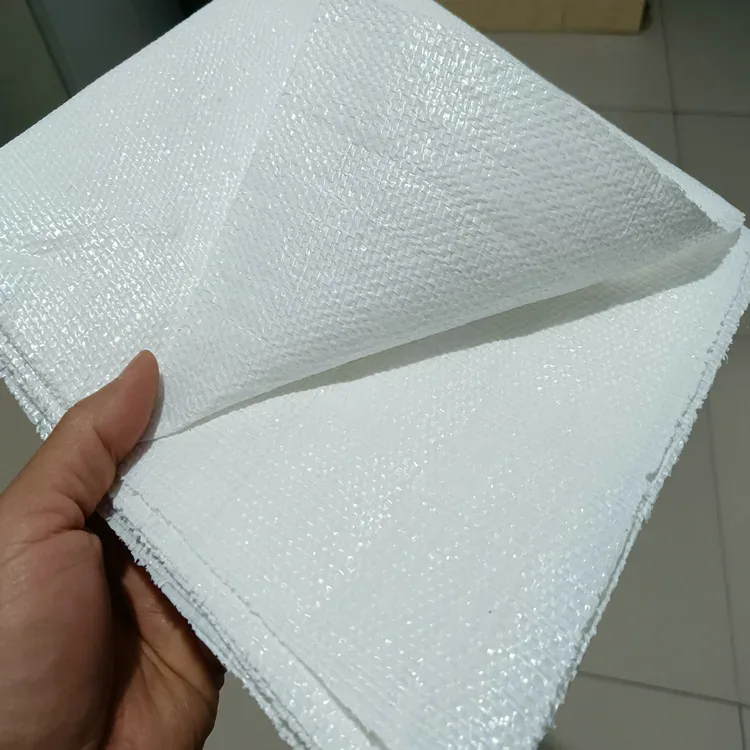
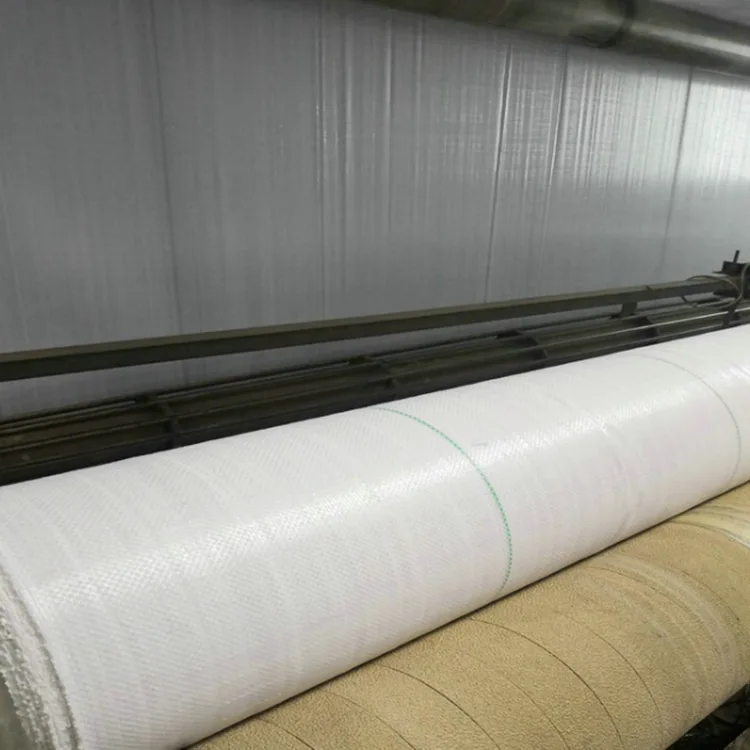
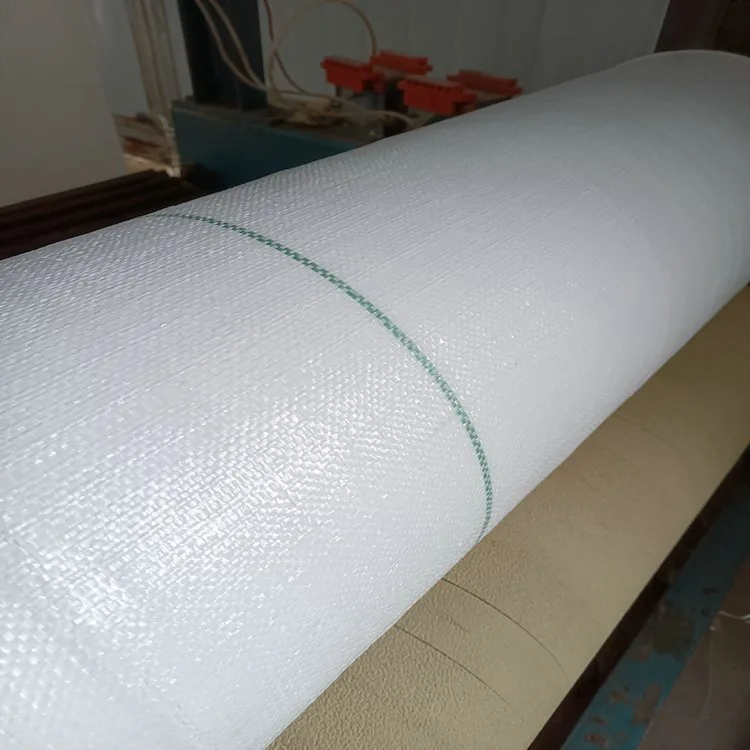
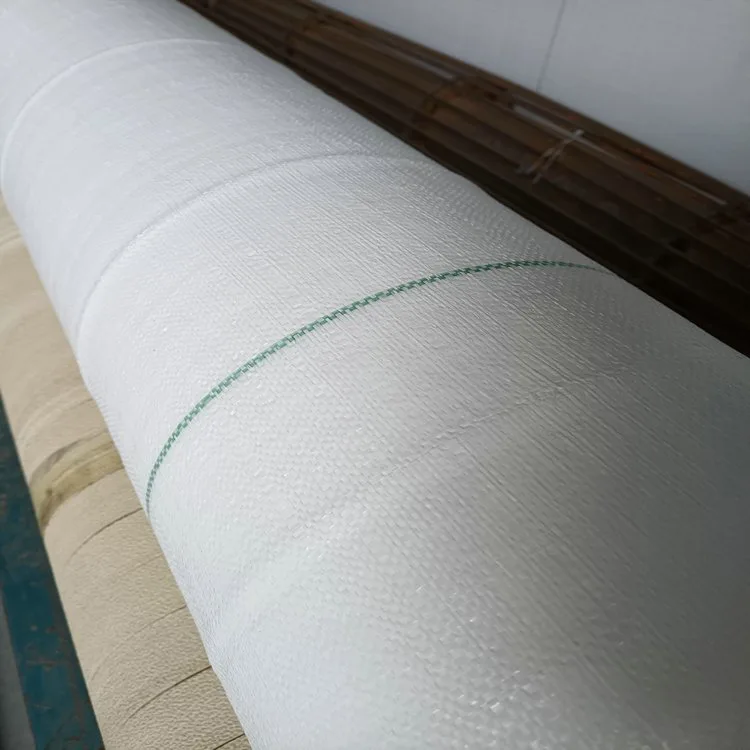
Tongfu is a manufacturer and supplier of China's professional Weed Barrier Fabric With Planting Lines. We use a new raw material of natural PE and a high sun-resistant and UV-resistant formula. Our products mainly feature reflective cooling and heat protection for roots. They are suitable for high-temperature cultivation of precious medicinal herbs, greenhouse seedling raising, and open-air exposed plots. They can effectively lower ground temperature, prevent root scorching and burning, achieve green and pesticide-free cultivation, and support customized hole punching in multiple specifications.
Weed Barrier Fabric With Planting Lines is an upgraded protective material specially developed for high-temperature planting scenarios. Unlike ordinary black anti-grass fabric, this product uses the optical reflection principle of the white surface to solve the problem of soil heat accumulation at the source. It also integrates a complete set of functions such as physical grass suppression, water and air permeability, water and fertilizer retention, root protection, and yield increase. The fabric contains no recycled materials and no heavy metal leaching, fully meeting the green planting standards for Chinese medicinal herbs. The pre-fabricated precise planting holes can be adapted to mechanized and manual planting operations, and is a dedicated upgraded material for the summer planting of precious and cool-loving medicinal herbs such as Pseudostellaria heterophylla, Bletilla striata, Panax notoginseng, and Dendrobium.
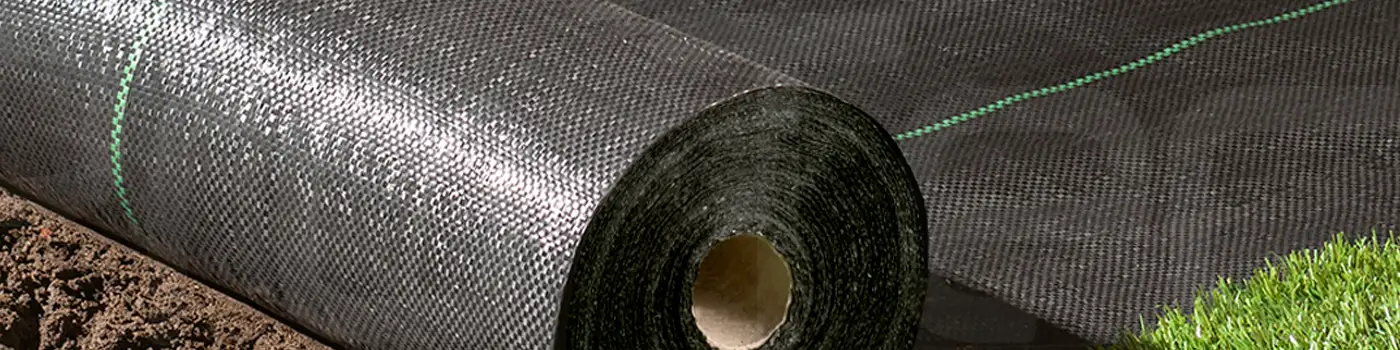
What are the shortcomings of traditional black weed-blocking fabric?
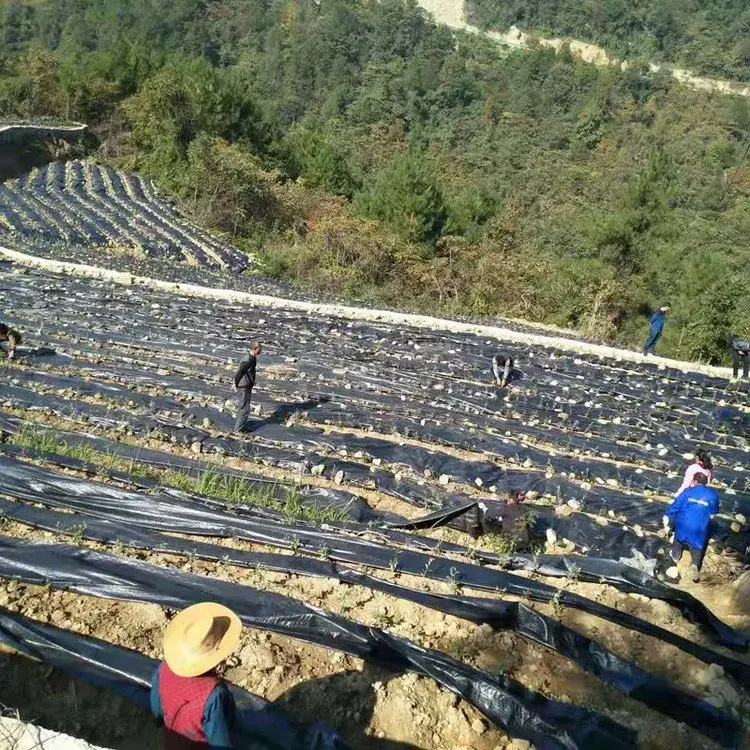
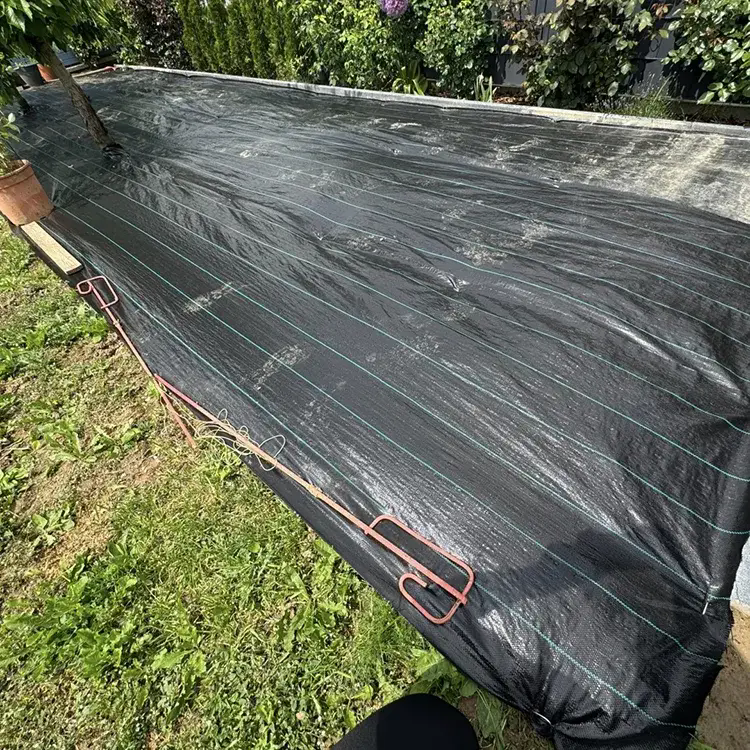
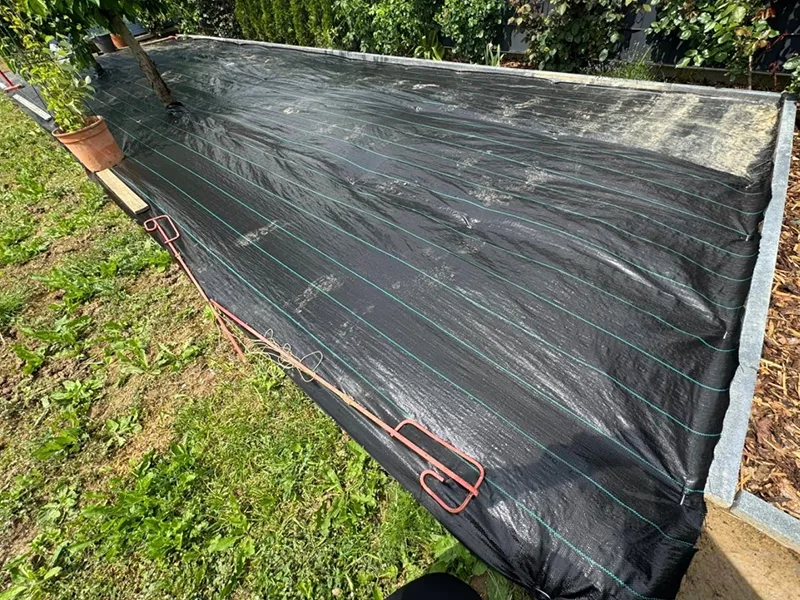
The black fabric has a high heat absorption rate. Under strong sunlight exposure in summer, it will quickly accumulate heat on the surface of the soil, causing the soil temperature to rise sharply. This can easily lead to root burns of herbs that prefer cool conditions, high-temperature dormancy, yellowing of leaves, rotting of roots and death of seedlings. Especially in closed environments of greenhouses, high-altitude open-air areas with strong sunlight, and hot-growing regions in the south, the problems of reduced yield and diseases are particularly prominent, seriously affecting the quality rate and planting income of precious medicinal herbs.
Differentiated production process
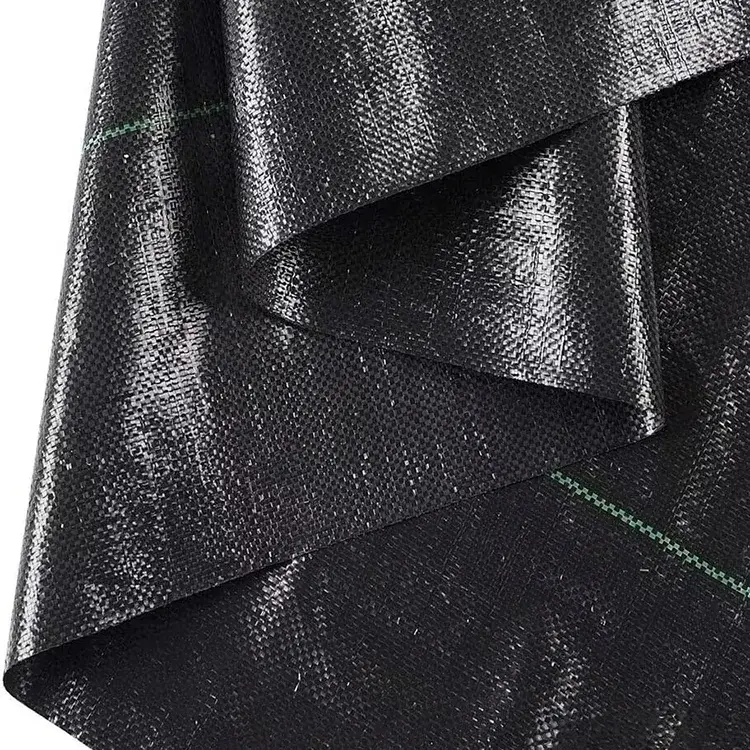
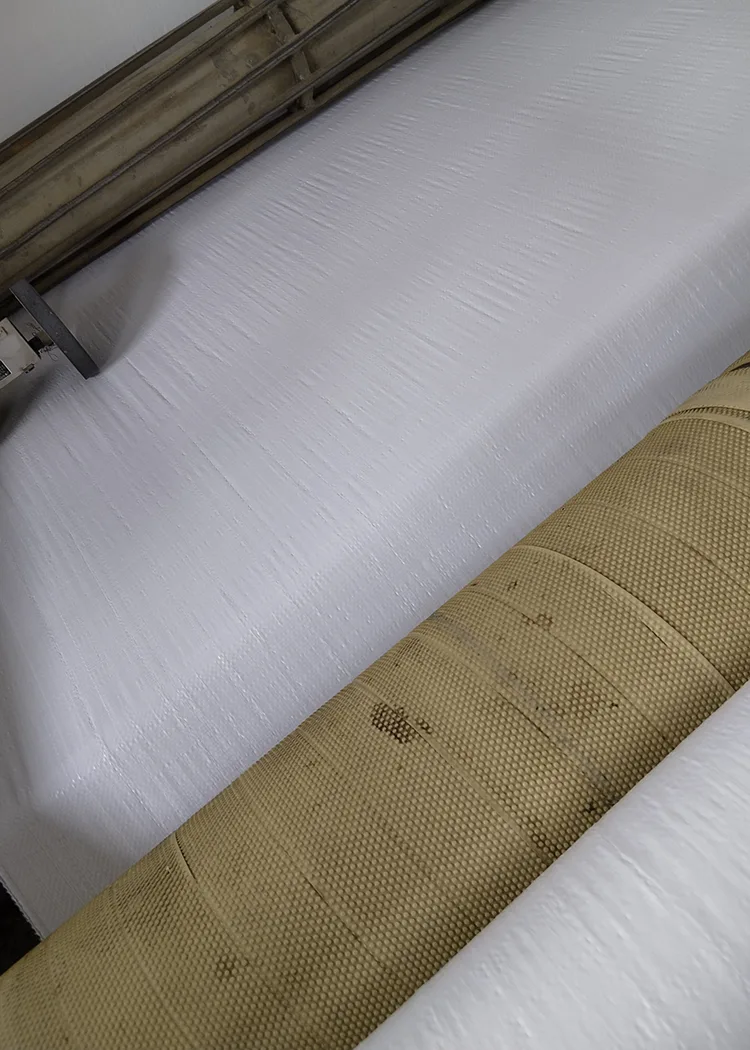
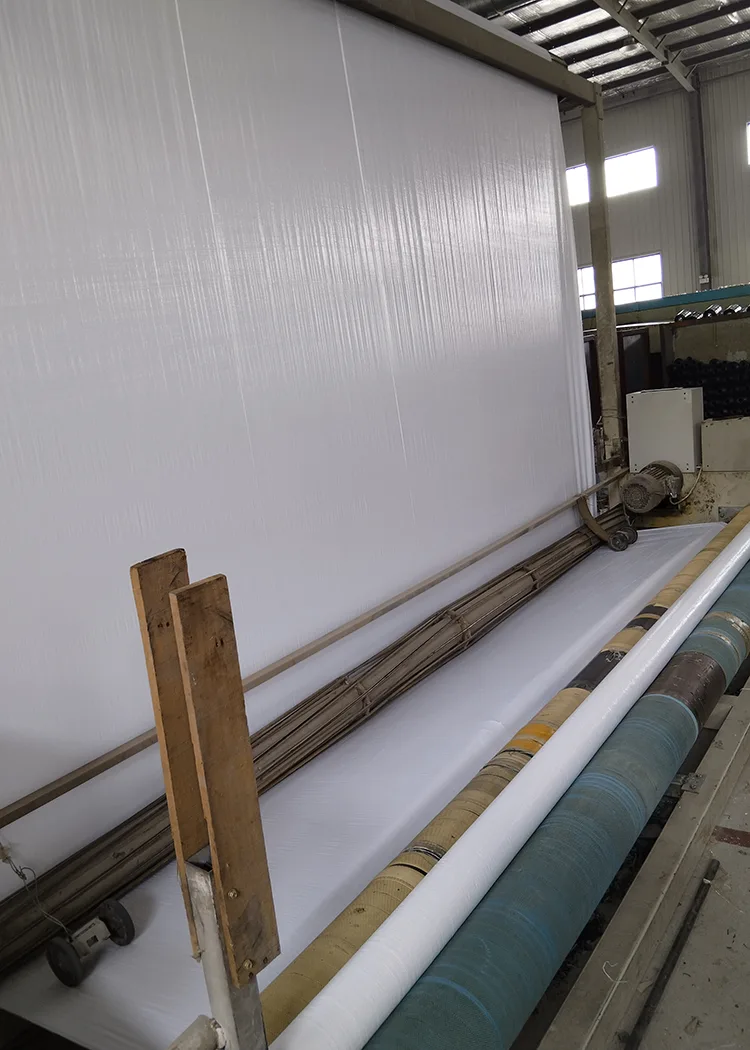
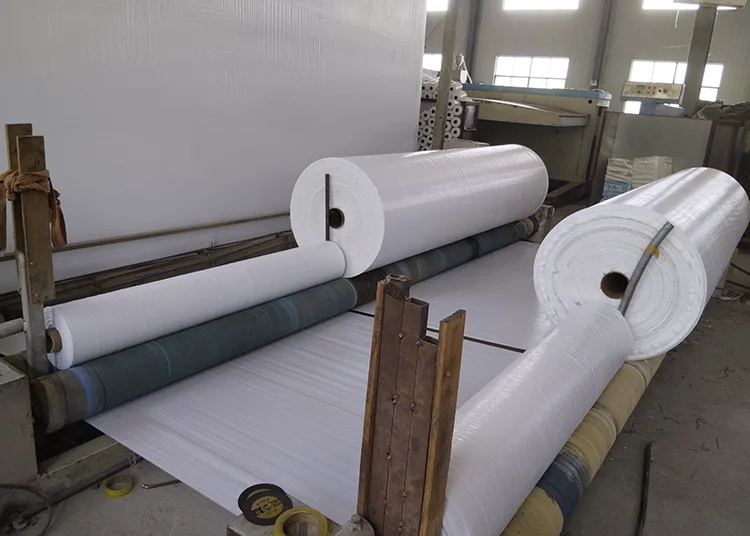
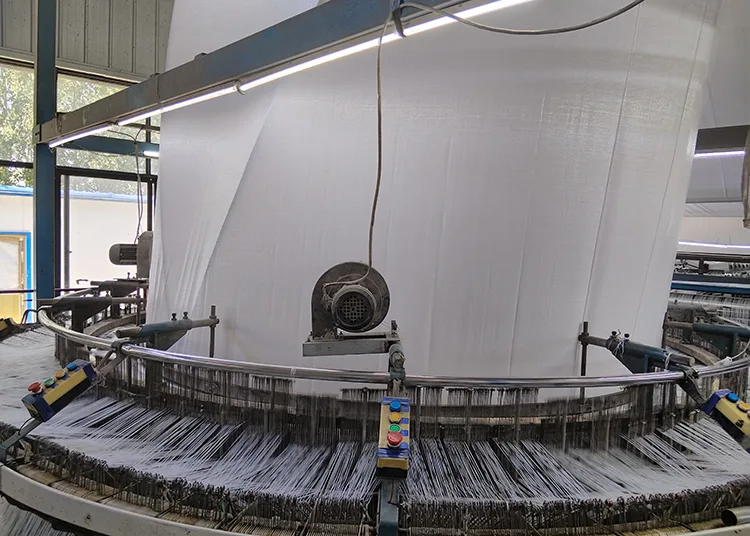
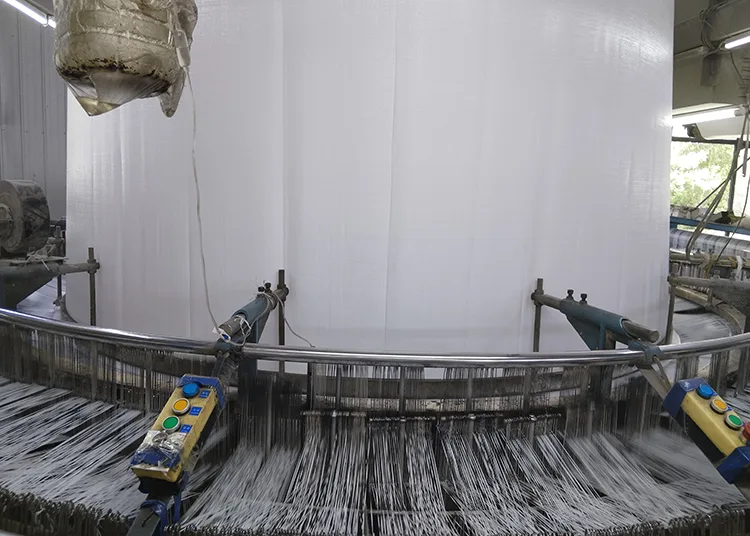
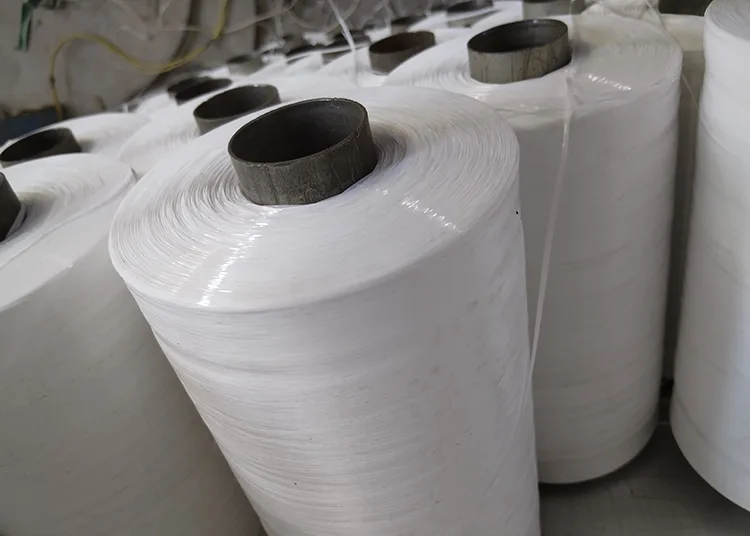
Weed Barrier Fabric With Planting Lines: Select 100% brand-new original PE polyethylene raw materials, refusing recycled impurities and recycled materials. It is modified through high-multiplication UV-resistant and anti-aging masterbatch production. The fabric surface is clean without dust, odor, and no harmful substances are released, meeting the zero-residue detection standards for medicinal herbs. Different from the ordinary black weed barrier fabric with heat-absorbing weaving process, this product adopts a high-density white plain weaving process. The surface reflective material is uniform and dense, with stable sunlight reflection performance, and is not prone to yellowing, powdering, or aging.
The product supports mechanized precise pre-drilling process, with regular and uniform hole spacing and diameters, eliminating the cumbersome manual digging process; the fabric body has moderate flexibility, good tensile and wear resistance, possessing excellent outdoor weather resistance, and can adapt to the growth characteristics of medicinal herb roots and stems, without harming the seedlings or peeling the skin. It is suitable for various complex working conditions such as open-air high-temperature plots, greenhouse sheds, and forest-underground simulated wild cultivation. The stable service life outdoors can reach 3-4 years.
Core Technical Parameter Table
|
Test Item |
Technical Standard |
Measured Parameter |
Functional Advantage |
|
Unit Weight |
90g/㎡, 100g/㎡, 120g/㎡ |
Full weight, uniform thickness, no material shortage |
Light weight for annual herbs; thickened version for perennial cold-precious medicinal materials |
|
Warp & Weft Tensile Strength |
≥750N/50mm |
High toughness and tear resistance |
Resists field trampling and agricultural machinery rolling, not easy to break during harvesting |
|
Heat Reflection & Cooling Performance |
Sunlight reflectivity ≥65% |
Surface soil temperature reduced by 3-8℃ |
Effectively avoid root burning and growth dormancy caused by high soil temperature in summer |
|
Water & Air Permeability |
Smooth water drainage without water accumulation |
Double drainage of woven gaps and customized holes |
Quickly drain rainwater in rainy seasons and reduce root rot disease |
|
UV Aging Resistance |
Outdoor weather resistance standard |
3-4 years outdoor stable service life |
High sun-resistant formula, not easy to yellow and pulverize under strong light exposure |
|
Environmental Heavy Metal Index |
Zero-residue standard for Chinese medicinal planting |
No heavy metals and harmful precipitation |
Ensure soil safety and meet medicinal material pesticide residue detection standards |
|
Punching Specification |
Customizable aperture and spacing |
3cm conventional aperture, 15/20/25cm plant spacing optional |
Pre-planting holes save manual digging cost and improve planting efficiency |
Differential Core Advantages
1. Optical reflective cooling
Compared with the drawback of black anti-grass fabric that absorbs heat and accumulates heat, the white fabric surface of Weed Barrier Fabric With Planting Lines can efficiently reflect solar light and infrared heat, blocking the downward accumulation of heat. During the summer high-temperature period, it can stably reduce the surface temperature by 3-8℃, eliminating the problems of excessive soil temperature causing root burn, leaf yellowing, high-temperature dormancy, and growth stagnation of medicinal herbs. It is the exclusive cooling protection material for heat-sensitive and cool-loving precious medicinal herbs.
2. Physical weed control with zero pesticide residues
Based on the high-density weaving structure, it achieves full shading treatment. Through physical means, it blocks the photosynthesis of weeds, causing them to naturally die. No pesticides are sprayed throughout the process. This eliminates the problems of pesticide residues and heavy metal pollution at the source. The medicinal herbs have a green and safe appearance, fully meeting the standards for drug enterprises' storage, market inspection, and green planting acceptance.
3. Constant temperature and moisture retention for soil protection
The fabric can effectively reduce the daytime evaporation of soil moisture and prevent water and fertilizer loss during rain. It maintains the balanced and stable temperature and moisture of the soil, avoiding sudden changes in soil dryness and wetness caused by high-temperature drought and heavy rainwater accumulation. It protects the stable growth of medicinal herb roots and promotes the expansion and fullness of roots and stems, reducing the output of abnormal medicinal herbs.
4. Dual water permeability and ventilation
It adopts a double drainage and ventilation structure of woven gaps for water permeability and prefabricated planting holes. Rainwater can quickly infiltrate and drain away, eliminating the risk of water accumulation. The soil air can freely circulate, completely solving the problems of root rot and stem base rot caused by high-temperature and high-humidity environments. It is suitable for complex planting climates in both the north and south.
5. Flexible and smooth protection for roots
The fabric surface is flat and soft, without hard edges. During the growth period, it will not scratch or wear the epidermis of medicinal herbs' roots. The surface of the harvested medicinal herbs is intact and smooth, with excellent appearance, significantly reducing the proportion of defective medicinal herbs and effectively increasing the overall shipping income of growers.
6. Greenhouse supplementary lighting and efficiency improvement
In greenhouse planting scenarios, the white fabric surface can reflect the light from the bottom layer, supplementing the light in the lower back-lit areas of medicinal plant stems, improving the shade and weak light environment inside the greenhouse, reducing yellow leaves and weak seedlings problems, and significantly improving the overall photosynthetic efficiency of the plants, accelerating the growth rate of medicinal herbs.
Suitable for Planting Categories and Application Scenarios
1. Cold-loving and heat-sensitive precious medicinal herbs
The Weed Barrier Fabric With Planting Lines is specifically designed for high-quality medicinal herbs such as Rehmannia glutinosa, Panax notoginseng, Panax quinquefolius, Panax ginseng, Codonopsis pilosula, Huanglian, Fritillaria, and Dendrobium, which are prone to dormancy, rotting roots, and burns under high temperatures. It solves the problems of reduced yields due to high temperatures in summer and frequent diseases.
2. Exclusive greenhouse planting scenarios
Suitable for medicinal herb cultivation in greenhouses such as Salvia miltiorrhiza, Astragalus membranaceus, Codonopsis pilosula, Yudzi, and Radix Isatidis, specifically improving the disadvantages of closed greenhouses with excessive heat, poor ventilation, and excessively high soil temperature, and optimizing the soil ecology inside the greenhouse.
3. Open-air strong light and high-temperature plots
Suitable for various root and stem medicinal herbs in high-altitude open-air bases, plains without shading and exposed to direct sunlight, and areas with long-term high temperatures in summer. It provides long-term protection from sun exposure without aging and continuous cooling to protect roots.
4. General horticultural planting scenarios
Can be used for medicinal herb seedling beds, forest-based imitation wild medicinal herb cultivation, tourist medicinal herb parks, seedling cultivation, and cooling and weeding for flower and garden horticulture. This one machine can be used for multiple purposes and is suitable for diverse green planting needs.
Specification Selection and Customization Services
1. Weight Specification Selection Guide
90g Regular Model: Suitable for short-term annual medicinal herbs and temporary protection of seedling beds, with excellent cost-effectiveness; 100g General Model: Suitable for most conventional medicinal herb cultivation in open fields and greenhouses, the mainstream available specifications on the market; 120g Thick and Sun-resistant Model: Specifically customized for perennial precious medicinal herbs, with stronger anti-aging and anti-sun exposure performance, and longer service life.
2. Width and Style Customization
The regular in-stock widths include 1m, 1.2m, 1.5m, and 2m. Any length can be cut, suitable for various ridge surfaces and bed planting specifications; The products are divided into two styles: complete roll without holes pure white anti-weed fabric and finished anti-weed fabric with planting lines pre-drilled. Customization can be done with 3cm standard hole diameter and 15/20/25cm plant spacing according to the planting category and planting density.
Real Base Implementation Case
1. Project Overview
Project Location: 26-acre high-quality Chinese medicinal herb cultivation base in Shangluo, Shaanxi Province
Construction Time: April 2023
Planting Conditions: The base is located in an open area without any shading. The surface temperature in summer can reach 42℃. Previously, traditional black weed barrier fabric was used, resulting in severe soil heat accumulation, frequent occurrence of root burn, yellow leaves, rotting roots, and diseases, as well as stagnation of growth during the hot season, and a continuous decline in yield.
Selected Product: 120g white pre-drilled reflective cooling and weed-blocking fabric
2. Project Actual Measurement and Usage Effect
The entire base adopted a physical weed suppression mode without applying any herbicides. The medicinal herbs had no pesticide residues and met quality standards. The Weed Barrier Fabric With Planting Lines efficiently reflected strong light, successfully stabilizing the soil temperature within 22-28℃, completely solving the problems of root burn and root damage caused by high temperatures. After laying, the overall weed suppression rate reached over 95%, completely eliminating the competition for water and nutrients among weeds, and ensuring that all soil nutrients were fully supplied to the medicinal herbs. One-year follow-up data showed that the incidence of yellow leaves, rotting roots, and stem base rot disease of the medicinal herbs decreased by 70%, the growth speed of root and stem significantly increased, and the rate of high-quality medicinal herb shipments increased by 23%. The annual cost of manual weed removal was saved by 18,000 yuan. After laying for many years, the fabric body remained intact without any yellowing, powdering, aging, or damage.
FAQ
Q1: What are the core differences between the white reflective weed barrier fabric and the traditional black weed barrier fabric?
The core difference lies in their heat absorption and temperature control capabilities. The black weed barrier fabric has strong heat absorption and does not reflect light, which can easily cause the ground temperature to soar in summer, burning the roots of delicate medicinal plants. It can only meet basic weed control needs. The upgraded white model focuses on optical reflection for cooling, effectively reducing the ground temperature by 3-8℃. It retains all functions such as weed control, water permeability, and fertilizer retention, specifically addressing the problem of high-temperature dormancy and root rot in precious medicinal plants, and is an exclusive upgraded solution for high-temperature cultivation areas.
Q2: Will the white weed barrier fabric affect the weed control effect?
Weed Barrier Fabric With Planting Lines uses a high-density dense plain weave process, with a shading rate of over 95%. It can completely block the light of weeds at the bottom layer, and there will be no light leakage or weed growth problems due to the white appearance. The weed control effect is the same as that of high-quality black weed barrier fabric, and it also has the cooling advantage that black fabric does not have.
Q3: Will the white fabric quickly turn yellow and age under long-term outdoor exposure?
No. This product is added with a high-dose UV-resistant and anti-aging special masterbatch, which is customized for outdoor high-temperature working conditions. It is different from ordinary white fabrics that tend to turn yellow and flake off. Under normal outdoor conditions, it can be used stably for 3-4 years. Under long-term strong sunlight exposure, it will not change color, crack, or deteriorate, and its weather resistance performance is fully compatible with the summer high-temperature cultivation environment.
Q4: Will the use of white weed barrier fabric in greenhouse planting affect the light conditions for the crops inside the greenhouse?
It will not affect the light conditions. Instead, it can optimize the light environment. The white fabric surface has a reflective and supplementary light effect, which can improve the problem of backlighting and shading at the bottom of the greenhouse, increase the light intensity at the lower part of the plants, reduce yellow leaves and weak seedlings, and improve the overall photosynthetic efficiency. It is the preferred material for greenhouse medicinal plant cultivation.
Q5: Will the perforated model have problems such as water leakage, fertilizer leakage, or root nutrient leakage?
No. This product is designed with precise perforation points for planting, and the other areas are completely sealed to retain fertilizer. Rainwater can quickly penetrate and moisturize, and water and fertilizer are not easily lost. It can meet the needs of root ventilation and water permeability, lock in soil nutrients, avoid weed competition for nutrients, prevent water and fertilizer leakage, and effectively increase yield and income.
Q6: Which medicinal plants must use the white cooling model and are not suitable for black fabric?
Plants such as Pseudostellaria heterophylla, Bletilla striata, Panax notoginseng, Ginseng, Dendrobium, Coptis, and Phellodendron, which are sensitive to coolness and afraid of high temperatures and prone to root rot, as well as in high-temperature areas in the south, open fields without shading and strong sunlight, and closed greenhouse planting scenarios, are not suitable for using heat-absorbing black weed barrier fabric. They should preferentially use the white reflective cooling model, which can fundamentally reduce high-temperature diseases and improve the yield rate.
Hot Tags: Weed Barrier Fabric With Planting Lines, Manufacturer, Supplier, Wholesale
Send Inquiry
Contact Info
-
Address
Lingcheng District, Dezhou City, Shandong Province, China
-
Tel
-
E-mail
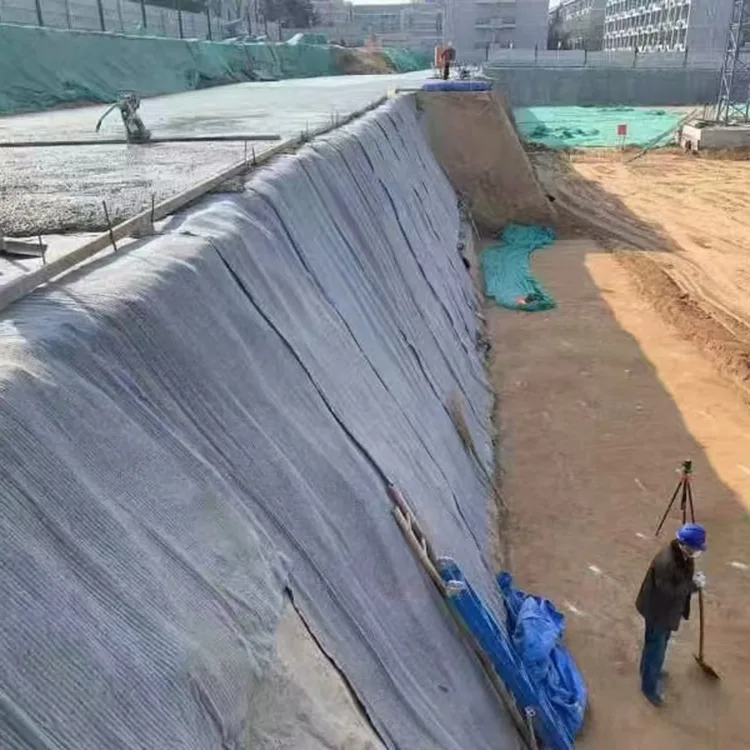
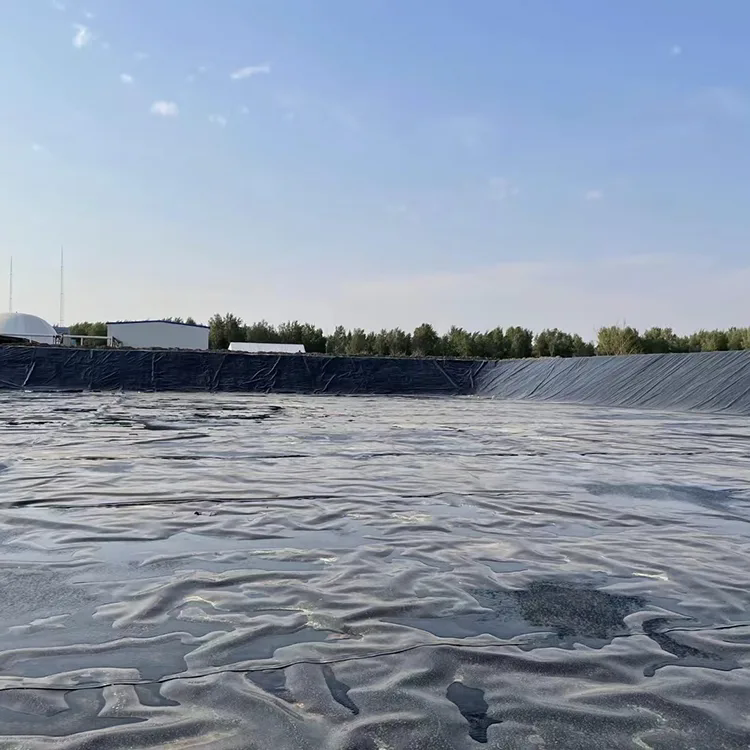
Welcome global engineering companies, agricultural planting bases and foreign trade distributors to send product consultation, customized processing and wholesale cooperation inquiries. We provide accurate quotation, free technical guidance, customized specification service and efficient after-sales support for Weed Barrier Fabric, Geomembrane Liner and Concrete Blanket Mat.