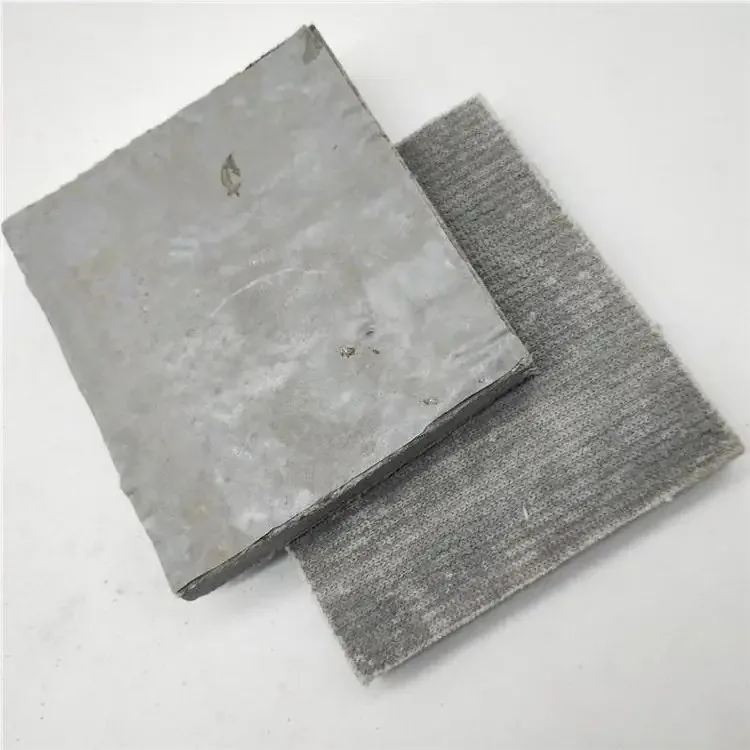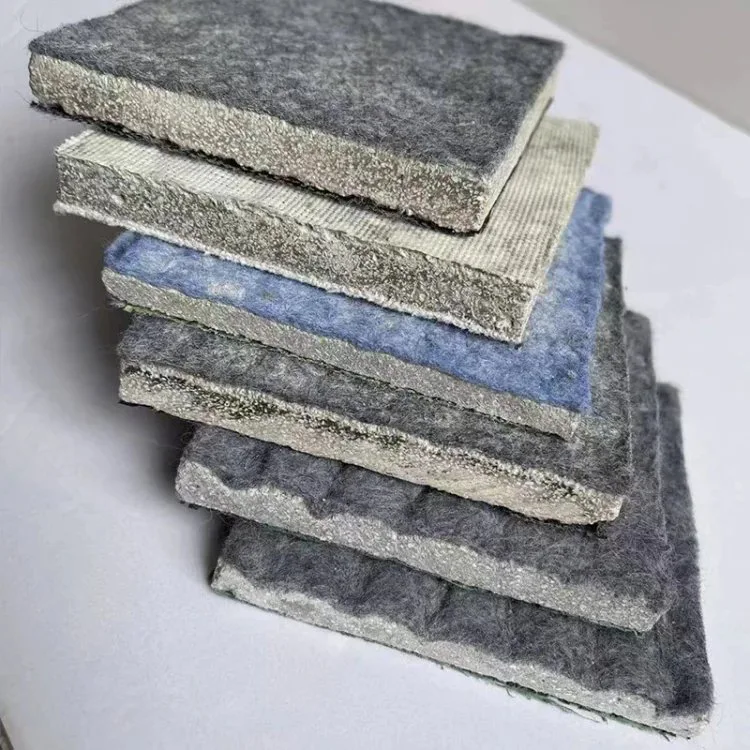
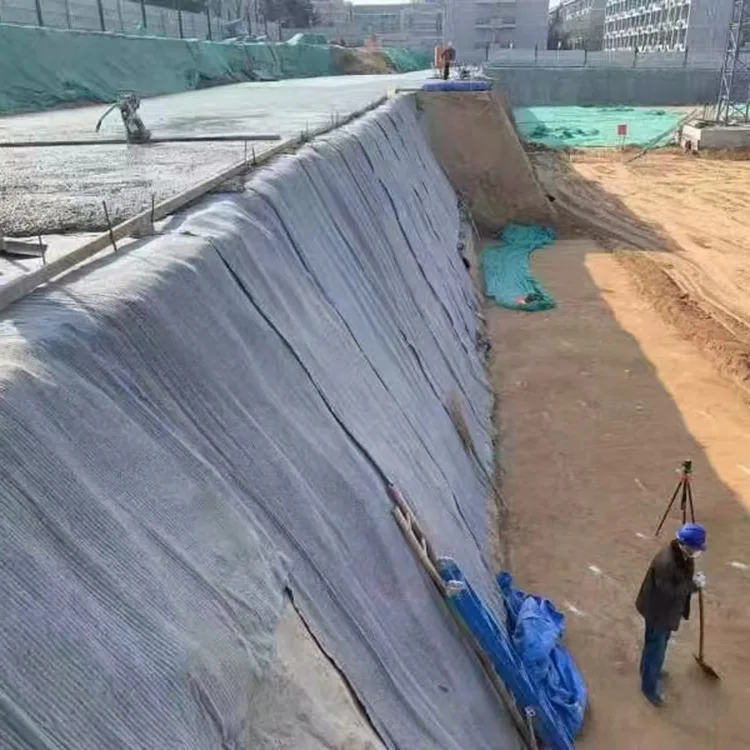
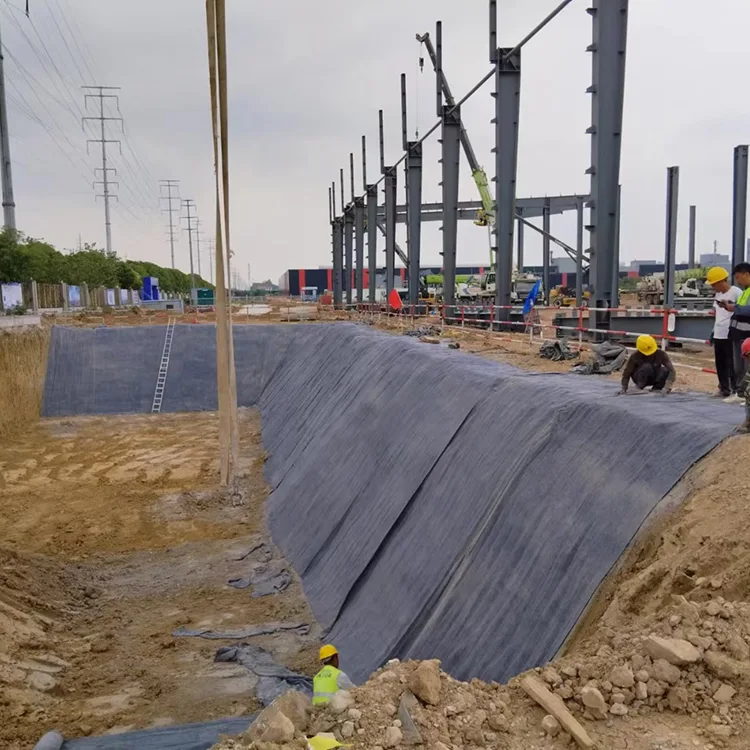
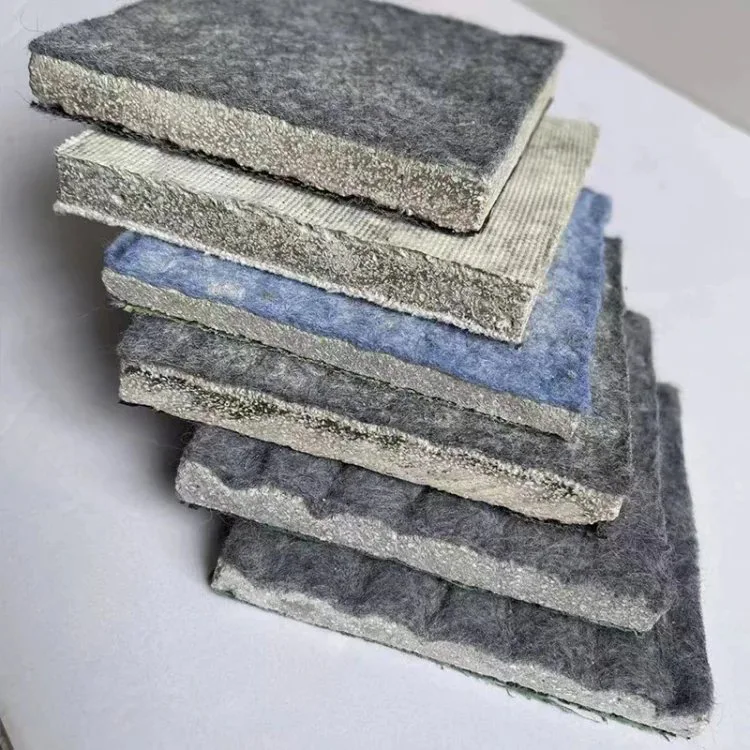
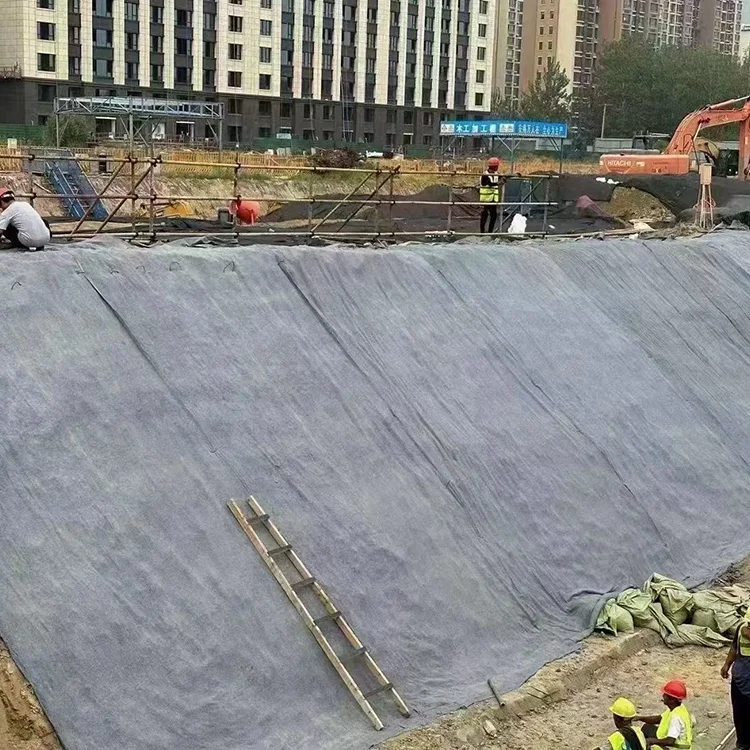
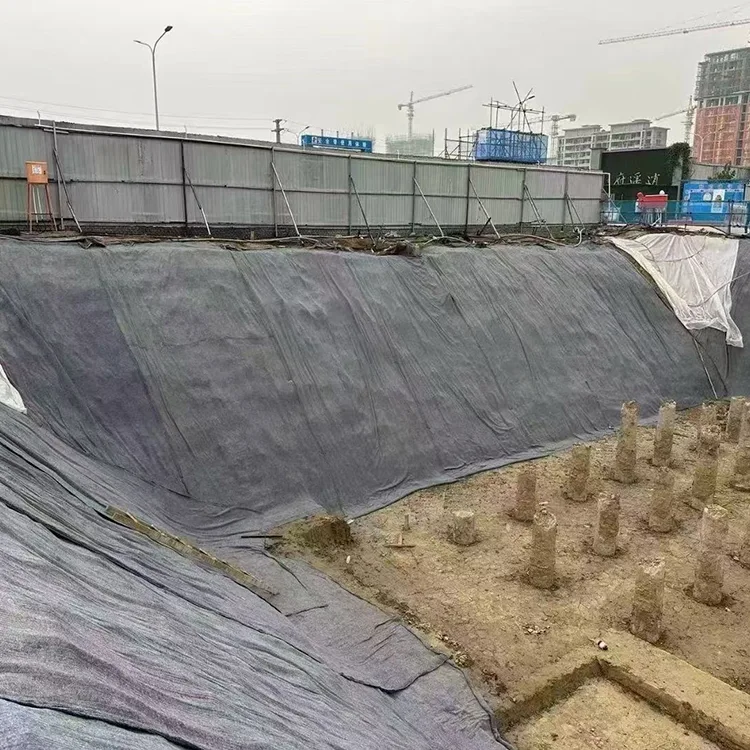
Hillside Protection Concrete Blanket
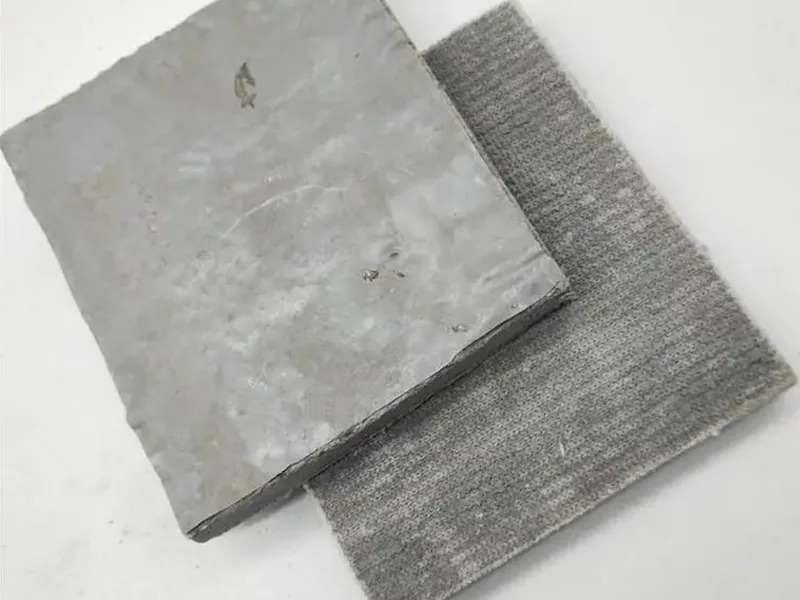
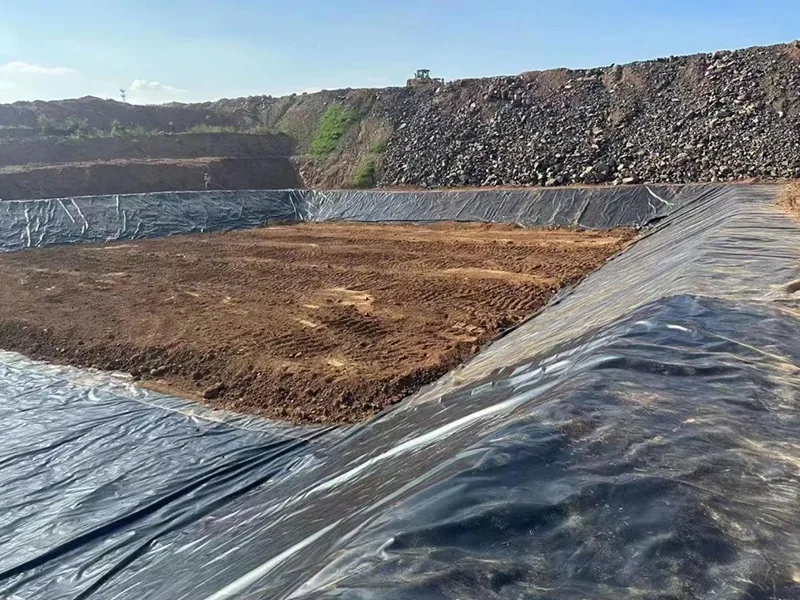
Tongfu is a professional Manufacturer and Supplier of Hillside Protection Concrete Blanket in China. Our factory can provide bulk supply, customize thickened specifications, and offer slope engineering selection plans. This cement blanket is suitable for various steep slopes, bare slopes in mines, and complex conditions of road slopes. It solves problems such as mountain rain erosion, shallow landslides, and rockfall weathering.
The protection of mountain slopes has always been a major challenge in civil engineering. Traditional stone masonry and cast-in-place concrete slopes have obvious construction shortcomings:
Large machinery cannot enter steep terrain, the formwork erection and pouring process is cumbersome, the construction period is long, and the rigid concrete cannot adapt to the slight settlement of the mountain body. Later, problems such as cracking, water seepage, and slope collapse and detachment are prone to occur. The commonly used water-proof membranes on the market do not have a mountain reinforcement structure, and their anti-erosion and anti-frosting performance is insufficient, making them difficult to adapt to the harsh environmental conditions of strong winds, heavy rainfall, and large temperature differences in mountainous areas.
Tongfu's Hillside Protection Concrete Blanket has optimized the reinforcement structure and fast-hardening cement formula specifically. Relying on the construction characteristics of flexible sheet laying and rapid solidification with water spraying, it perfectly adapts to the large height difference and irregular terrain of mountain slopes. After forming, it forms an overall seamless rigid protective layer, balancing the flexibility of deformation adaptation and high strength of anti-erosion and anti-seepage. After multiple field verifications in national highways and mine restoration projects, it has effectively solved common engineering problems such as mountain water and soil erosion, slope gullies, shallow landslides, and weathering and falling debris. It is the mainstream protective solution for lightweight, high efficiency, and high durability of mountain slopes at present.
Product Core Positioning and Design Principles
Hillside Protection Concrete Blanket is a composite slope protection material specifically designed for steep slopes in mountains, exposed bare slopes, traffic embankments, and mining embankments. Unlike common drainage ditches and fish ponds, it is centered around the four major engineering challenges of mountain slopes: "easy settlement, strong erosion, large temperature difference, and difficult construction".
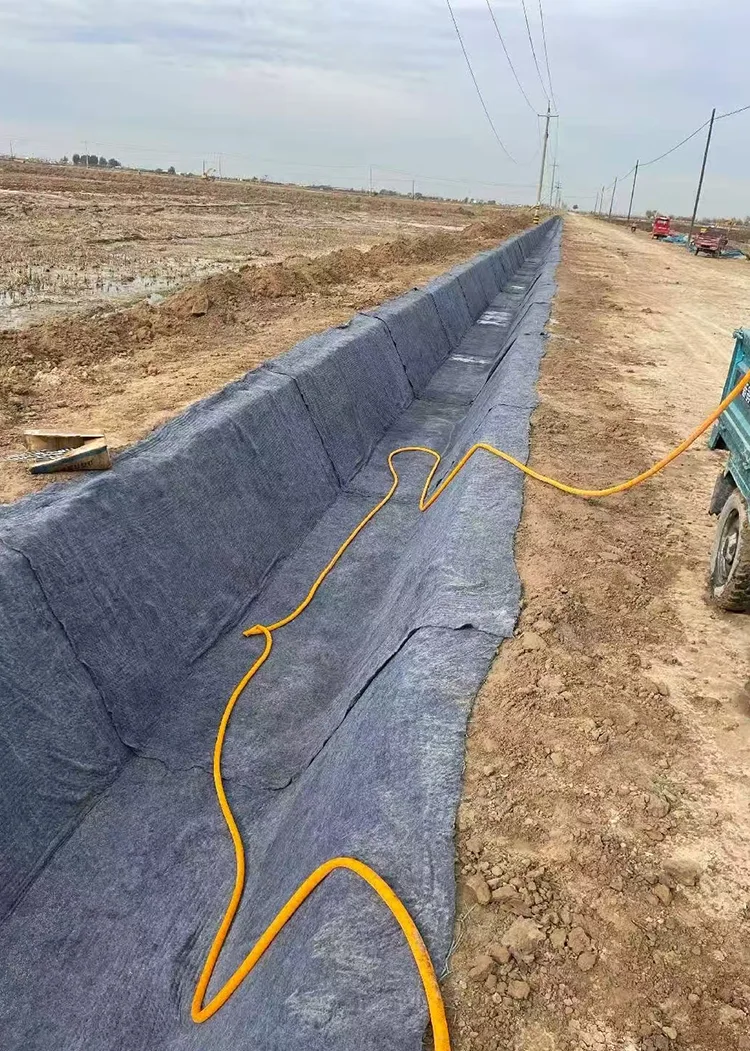
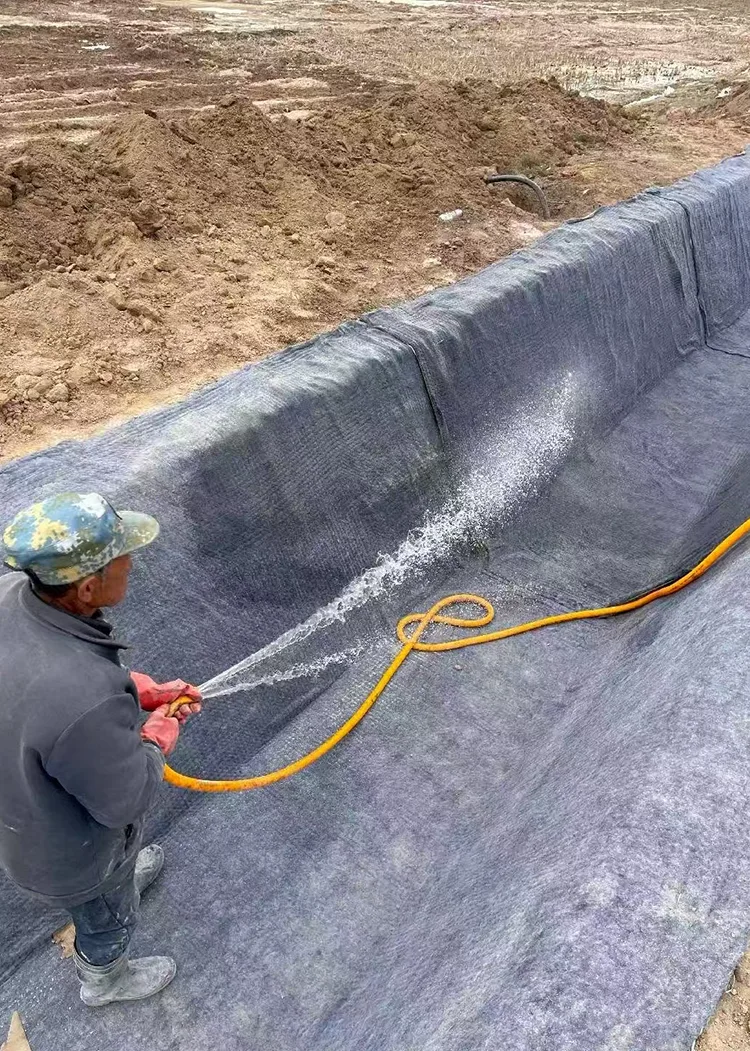
We use high-strength multi-layer geogrids combined with special mountain fast-hardening cement base materials. In dry state, it maintains flexible and rollable characteristics, requiring no on-site mixing, no need for formwork support, and no reliance on large-scale construction machinery. It only requires manual laying, leveling, and watering for quick setting and shaping. It incorporates a three-dimensional reinforced anti-cracking structure, which can buffer the displacement stress of the mountain soil layer. After solidification, it forms a highly continuous concrete protective surface layer with strong integrity, effectively blocking rainwater infiltration, resisting mountain floods, locking the slope soil, and achieving long-term stable mountain protection effects.
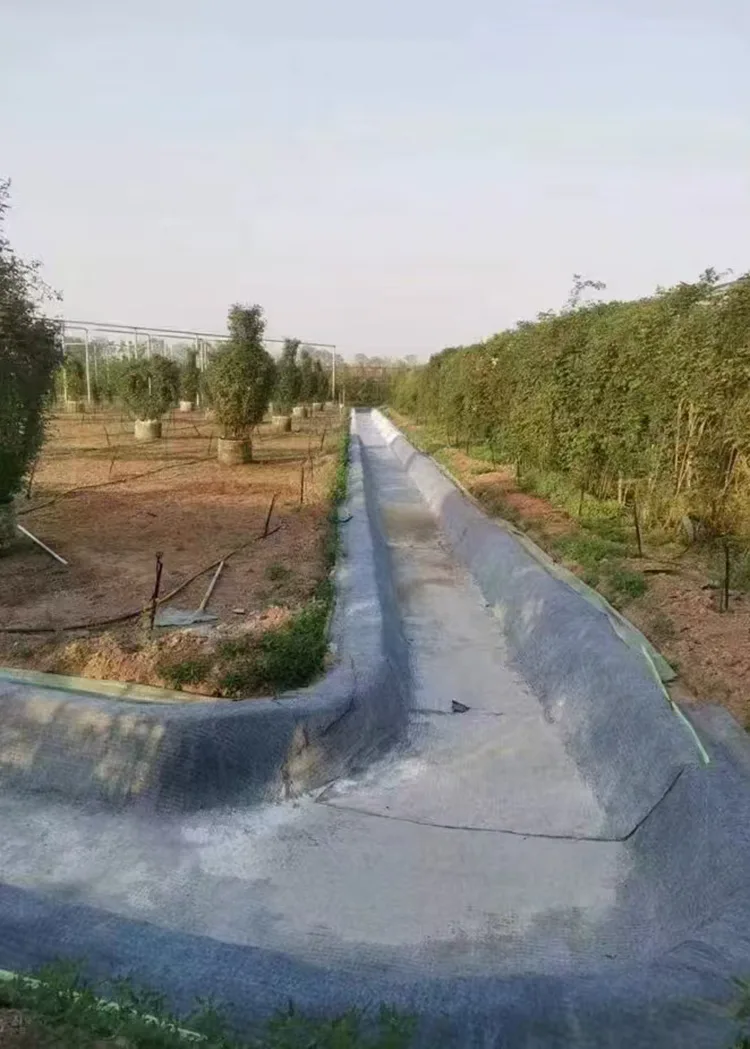
Precise Slope Gradient Specification Selection System
Based on the slope gradient, soil quality of the slope surface, and erosion intensity, suitable specifications are divided to avoid over-selection or insufficient performance. It is suitable for all types of mountain slope protection projects:
1. Gentle slope with soil on the mountain (slope angle < 30°)
Suitable for regular barren mountain soil slope surfaces and shallow soil protection scenarios. The recommended specifications are 8mm and 10mm with regular thickness, meeting the needs of basic soil fixation, anti-weathering, and mild rain erosion protection. It has a high cost-performance ratio and is suitable for large-scale barren mountain ecological restoration projects.
2. Regular steep slope (slope angle 30° - 60°)
Suitable for national highways, expressways along the road, and regular mine restoration slopes. It is the main working condition for mountain slope protection. The recommended specifications are 12mm and 15mm with standard thickening, capable of withstanding concentrated heavy rain erosion during the flood season, and effectively preventing slope rockfalls and shallow landslides hazards.
3. Steep gravel slope (slope angle > 60°)
Suitable for rocky slopes, gravel mixed steep slopes, and high-drop dangerous slopes. With many sharp gravel and obvious stress concentration, the recommended specifications are 18mm and 20mm with ultra-high strength thickening. The anti-penetration, anti-tearing, and anti-local impact performance has been significantly improved, suitable for high-risk steep slope protection.
4. Special working conditions for high-altitude mountainous areas
For mountainous areas with high altitudes, large diurnal temperature differences, and frequent freeze-thaw cycles, custom-made anti-freeze reinforced Hillside Protection Concrete Blanket can be provided. The cement anti-freeze formula is optimized to effectively avoid surface cracking and powdering-off caused by low-temperature frost expansion and repeated freeze-thaw. It is suitable for long-term outdoor use in high-altitude mountainous areas.
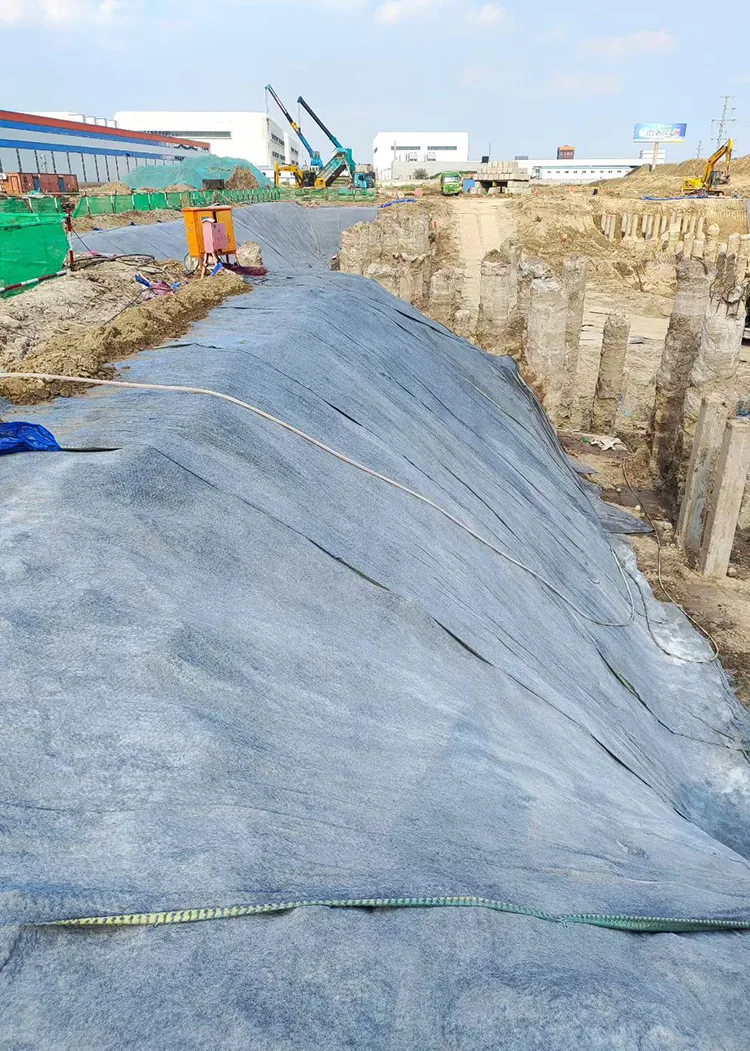
Specialized Core Performance Parameters for Mountainous Areas
1. Ultra-fast setting performance, suitable for accelerating construction and flood prevention projects
It has the characteristic of fast hardening in mountainous areas. After being watered and soaked for 30 minutes, it can initially set. After forming, it can resist immediate rain erosion and will not be washed away or damaged by mountain floods. It reaches the basic slope protection strength within 24 hours and can withstand the normal slope load and water flow impact. It reaches the design standard strength completely within 7 days and meets the acceptance requirements for permanent slope protection projects. It can quickly complete slope reinforcement and emergency repair before and after extreme weather conditions.
2. Reinforcement and crack resistance performance, suitable for dynamic settlement of mountainous areas
It has a multi-layer three-dimensional reinforced fiber framework, different from the ordinary single-layer fabric structure. It can effectively disperse the tensile stress caused by uneven soil layer settlement and slight slope displacement in the mountainous area. The overall extensibility and toughness are stronger, and there will be no problems such as traditional concrete whole block fracture and large-area cracking. It is suitable for the complex geological dynamic deformation of mountainous areas.
3. High-strength anti-erosion performance, resisting mountain floods and heavy rains
After solidification, the whole surface is seamless, dense and compact, without weak points such as joint gaps. It can long-term resist the strong heavy rain and high-speed water flow impact of mountain floods in the mountainous area. It will not have problems such as surface detachment, slope gullies, and interlayer hollowing. It completely solves the problem of water erosion and soil loss on bare slopes.
4. Anti-seepage and soil fixation performance, preventing shallow landslides
The dense cement solidification layer can completely block the infiltration of rainwater, avoiding the continuous softening of the deep soil layer by rainwater and reducing the soil layer adhesion force. It can prevent the loosening, hollowing, and shallow landslides of the mountain soil layer from the root cause, significantly improving the overall stability of the slope.
5. Super durable weather resistance, suitable for harsh mountainous environments
It is suitable for extreme temperature environments in mountainous areas. It does not crack or deform at -35℃ low temperatures. It does not powderize or age under long-term outdoor strong sunlight exposure. It can withstand multiple harsh climates such as mountain winds, high temperatures, frost, and rain erosion. It operates stably all day long.
6. Extremely long service life, reducing operation and maintenance costs
Under normal outdoor mountain conditions, the designed service life can reach more than 30 years. The structural performance is long-term stable. There is no need for annual repair and clearing of fallen rocks. It significantly reduces the maintenance and rectification costs of mountain slope later on.
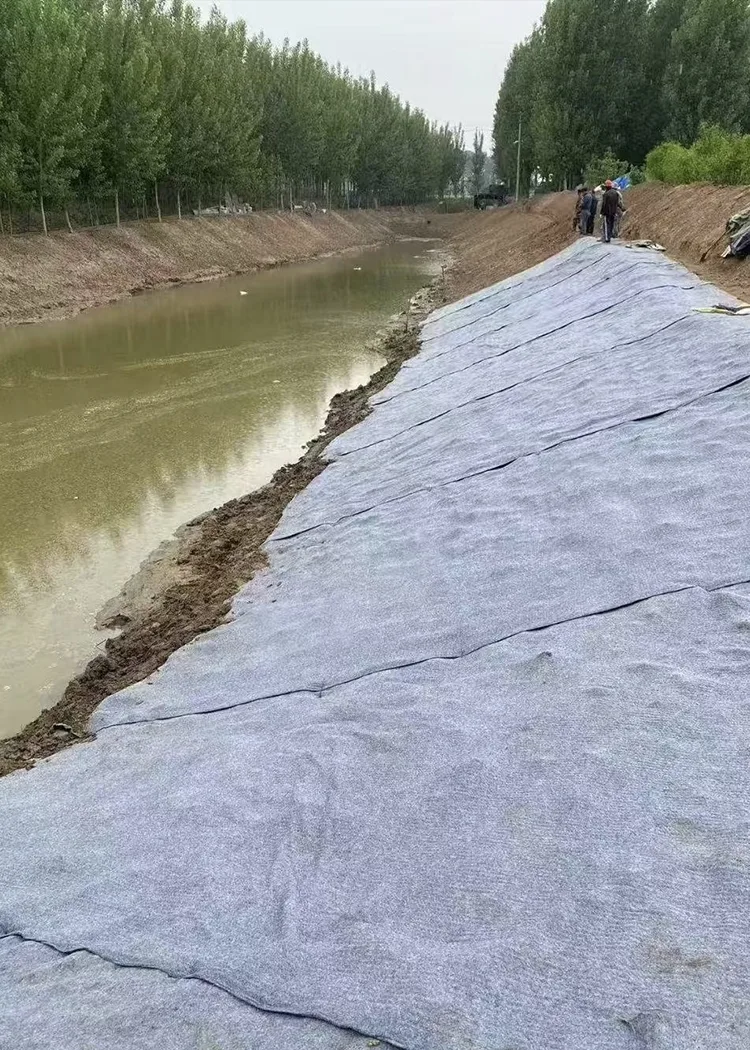
Diverse Application Scenarios
The Hillside Protection Concrete Blanket is suitable for various mountain slope reinforcement, ecological restoration, and flood prevention projects, covering four major fields: transportation, mining, water conservancy, and municipal works:
1. Roadside slope engineering
It is mainly used for protecting steep slopes of mountainous areas along highways and railways, reinforcing the roadbed slopes, effectively preventing potential hazards such as rockfalls and collapses on the slopes, and ensuring the safety of road traffic. It is also applicable to regular maintenance and rectification projects of road slopes.
2. Mining ecological restoration project
It is suitable for bare mountain slopes, slag pile-up slopes, and abandoned slope surfaces in mining areas, solving problems of water and soil erosion and slope weathering and soil shedding in mining areas, meeting the acceptance standards for reforestation, ecological restoration, and water and soil conservation in mining.
3. Mountain body comprehensive management project
It covers solidification and reinforcement of barren mountain slopes, repair of damaged gullies on mountains, renovation of existing failed slopes, and reinforcement of shallow landslide hazard points, applicable to mountain protection projects in rural areas and ecological improvement projects in mountainous regions.
4. Mountain water conservancy and flood prevention project
It is used for slope protection of mountain reservoirs and riverbanks along mountainous areas, reinforcing slopes in areas prone to mountain floods, enhancing the slope's resistance to erosion, and avoiding water and soil safety issues caused by mountain slope collapses and slope collapses during the flood season.
5. Other steep slope protection scenarios
It can be adapted to high and steep slopes of foundation pits, hardening of mountain slag piles, and rapid protection of steep slopes in park landscapes, and applicable to various irregular and irregularly shaped steep slopes with quick construction requirements.
Real-world Implementation Case
1. Project overview
This project is a mountain slope treatment project for the national road in Taian, Shandong Province. The construction period is from May 2023. The total length of the slope is 1420 meters, with an average slope angle of 48°. It is a complex mixed slope surface with soil and gravel. The project site has a steep mountain terrain, and large construction machinery cannot enter for operation. The original bare slope has no protective measures. During the summer flood season, there are concentrated heavy rains, and slope gullies and scattered rockfalls occur throughout the year. The traditional cast-in-place concrete construction is difficult, costly, and has a long construction period. A lightweight and efficient slope protection solution is urgently needed to address the hidden dangers.
2. Project selection plan
Based on the slope angle, soil conditions, and flood prevention requirements, the project uniformly selected Tongfu 15mm Hillside Protection Concrete Blanket. It takes into account the convenience of construction, slope resistance against erosion, and long-term stability, and is suitable for the permanent protection standard of the national road slope.
3. Project implementation results
The construction efficiency has significantly improved. There is no need for tanker transportation or formwork pouring. It can be completed by manual laying, watering, and solidification to form the slope surface. The overall construction period is shortened by 60% compared to traditional concrete slope protection, perfectly addressing the industry pain point of mechanical inability to work on steep slopes. The formed slope surface is fully sealed without any gaps, and rainwater cannot penetrate the soft soil layer of the slope. After multiple flood seasons with heavy rainfall, there are no new gullies, no hollowing and cracking, and no rockfalls on the slope surface, completely eliminating the safety hazards of rockfalls and collapses on the road slope. The product's reinforced structure can adapt to slight natural settlement of the mountain body, buffer the displacement tension of the soil layer, and will not experience the traditional slope protection breaking and damaging situation. It is suitable for complex geological conditions in mountainous areas. After the project is completed, the slope structure is stable for a long time, and there is no need for frequent manual repair and clearing of rockfalls, significantly reducing the long-term operation and maintenance costs of the national road slope.
Customer's Genuine Evaluation
Project manager of the national highway slope project - Mr. Zhao:
"Steep slopes in mountainous areas have always been a difficult point in slope protection projects. Large vehicles cannot enter, and brick masonry and on-site concrete pouring are slow and expensive. The special water-proofing membrane for mountainous areas is very convenient to lay, and it hardens with watering. The construction is safe and fast. It has been used for over two years. Regardless of heavy rain or strong winds, the slope has remained intact, without any slope collapse or rockfalls. The cost performance is far superior to traditional slope protection techniques."
FAQ
Q1: When laying on a steep rocky mountain surface, will the crushed stones puncture the cement blanket?
A: Before construction, it is necessary to remove sharp stones and angular parts of the slope surface, and lay a thin layer of fine soil at the uneven positions to level the surface. The conventional 12-15mm specification can withstand a small amount of fine crushed stones. For steep slopes with an angle of 60° or more, it is recommended to use 18mm or 20mm thick models, which have stronger anti-puncture ability and significantly reduce the risk of damage and leakage.
Q2: During winter in mountainous areas with extremely low temperatures, can the cement blanket still solidify normally?
A: The regular model is suitable for construction temperatures above 5℃. Below 5℃, the curing speed significantly slows down. For high-altitude and freezing-thaw areas, the anti-freeze enhanced model should be directly selected. In an environment of -35℃, the finished product will not crack, but for low-temperature construction, it is necessary to sprinkle water and then cover with geotextile fabric for insulation and maintenance to prevent the surface from freezing too quickly and incomplete hydration.
Q3: How long after the Hillside Protection Concrete Blanket is laid will it be able to withstand the floodwater erosion during the rainy season?
A: The initial setting will be completed after 30 minutes of watering. Light rain for a short period of time will not destroy the surface layer. The base strength will be reached within 24 hours, which can withstand regular moderate rain. If there is concentrated heavy rainfall and mountain floods, it is recommended to wait for 7 days of full curing before opening the slope for flood prevention use.
Q4: If there is slight soil subsidence on the mountain body, will the protective slope surface layer completely crack?
A: No. The product is equipped with multiple layers of reinforced fibers, which can disperse the tensile stress caused by settlement. Only fine hairline cracks will form, and they will not extend and expand to create through cracks, thus not affecting the overall seepage prevention and soil consolidation effect. Only when the settlement exceeds 10 cm, local repair and reinforcement are required.
Hot Tags: Hillside Protection Concrete Blanket, Manufacturer, Supplier, Factory
Related Category
Send Inquiry
Contact Info
-
Address
Lingcheng District, Dezhou City, Shandong Province, China
-
Tel
-
E-mail
Welcome global engineering companies, agricultural planting bases and foreign trade distributors to send product consultation, customized processing and wholesale cooperation inquiries. We provide accurate quotation, free technical guidance, customized specification service and efficient after-sales support for Weed Barrier Fabric, Geomembrane Liner and Concrete Blanket Mat.