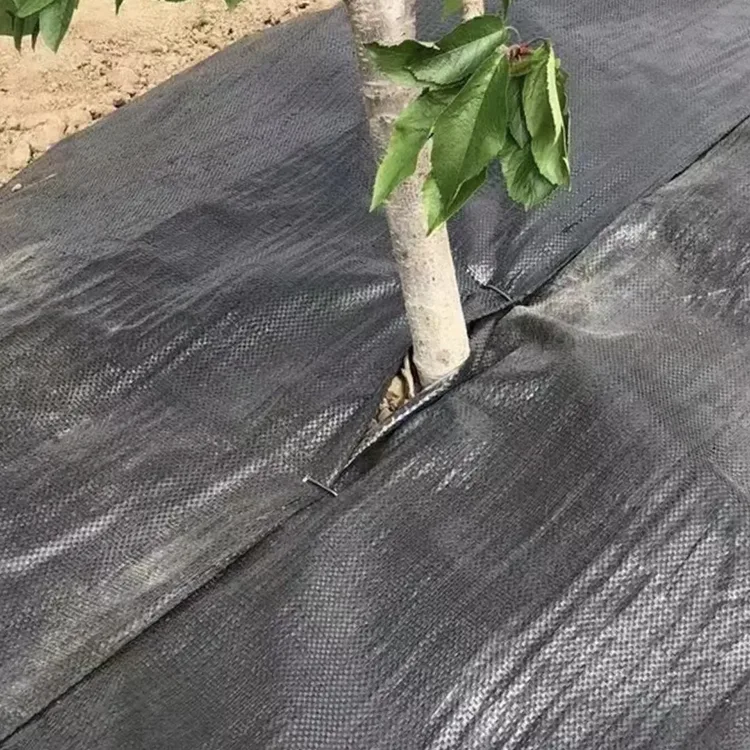
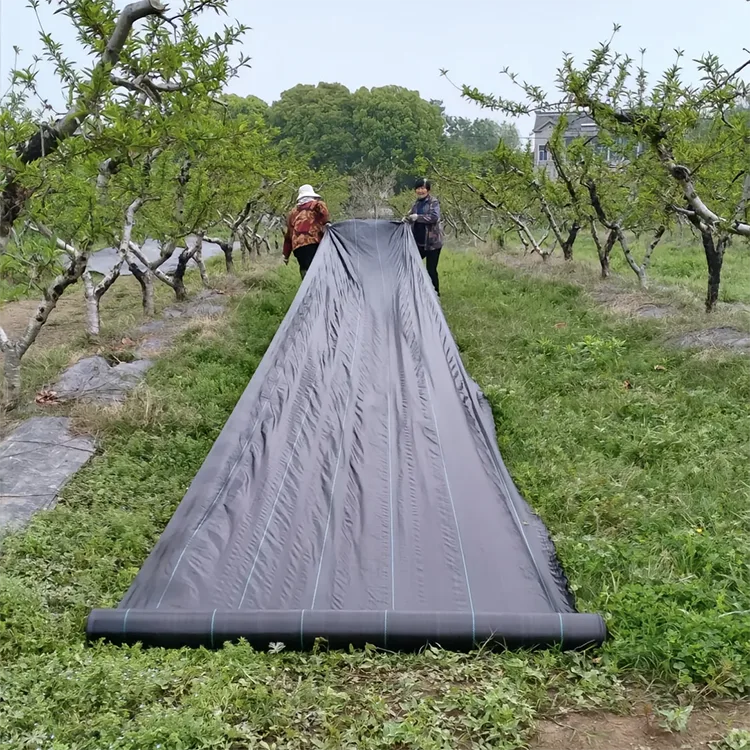
Biodegradable Agricultural Weed Barrier Fabric
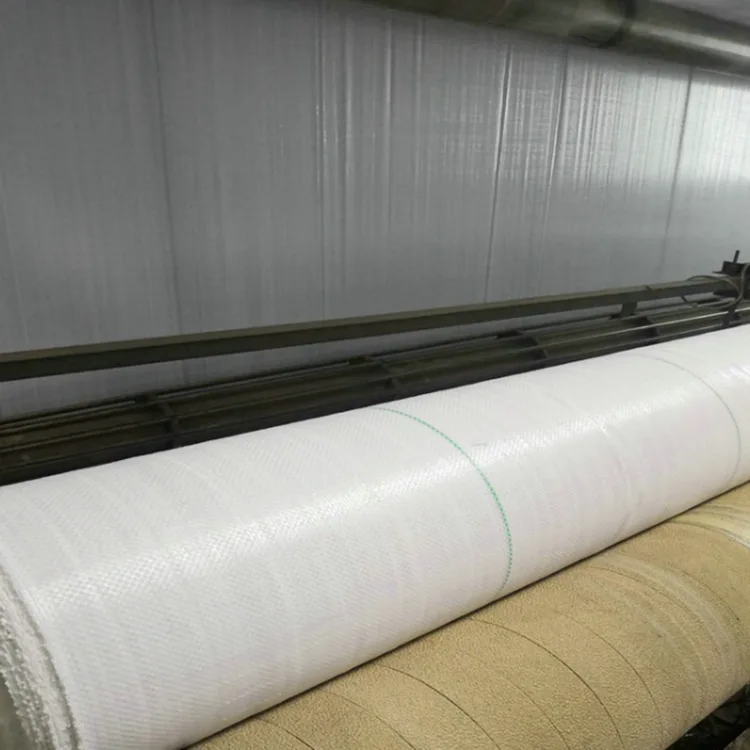
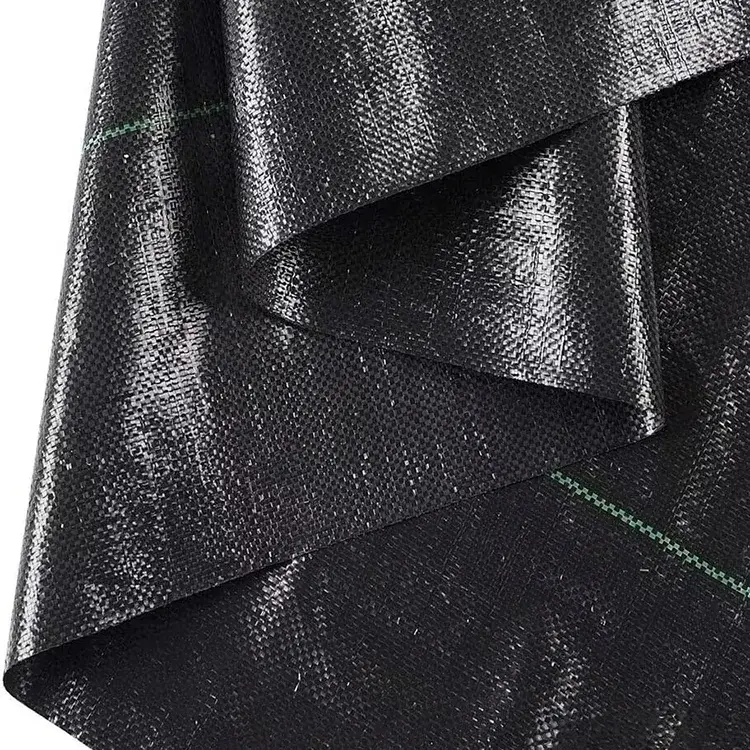
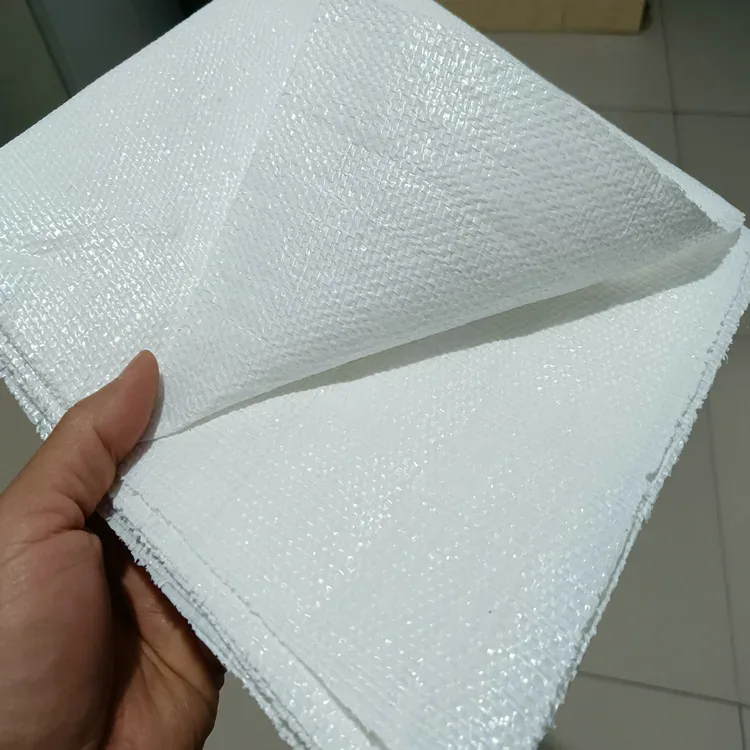
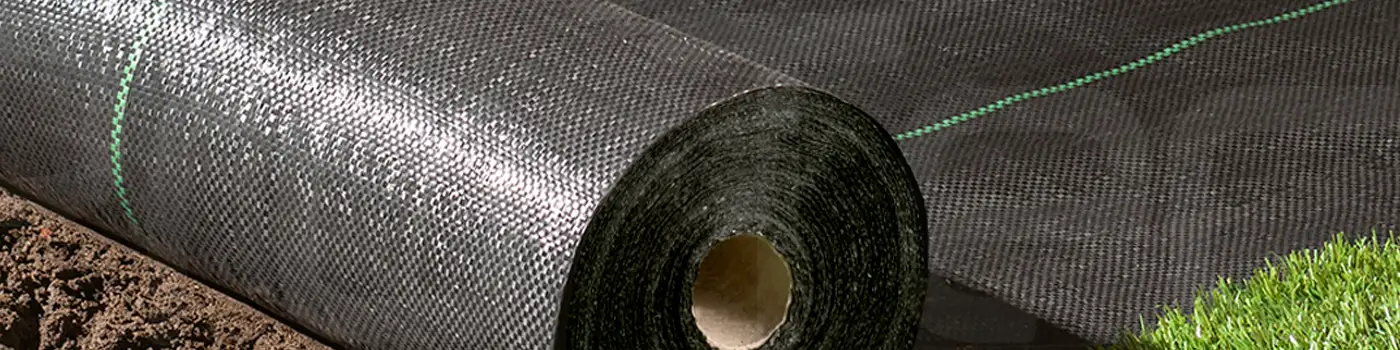
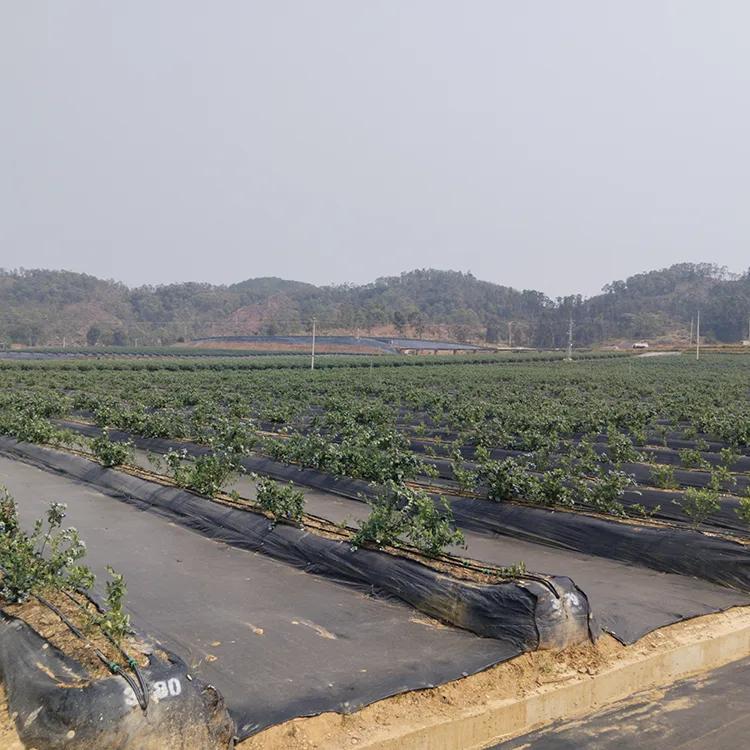
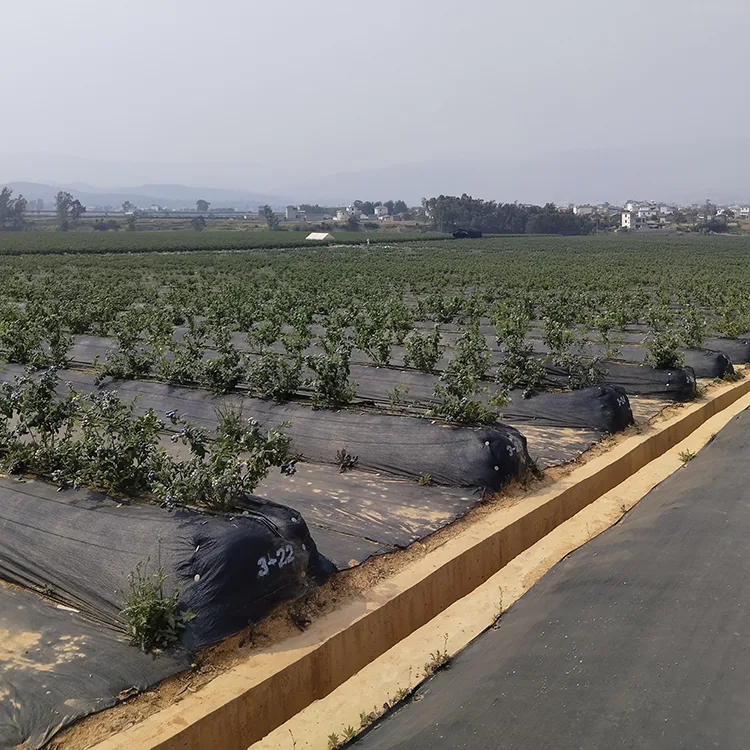
Tongfu is a domestic professional manufacturer and source supplier of Biodegradable Agricultural Weed Barrier Fabric. This Weed Barrier Fabric is an exclusive new material for ecological planting. It is made with a plant fiber degradable formula and is completely pollution-free and capable of natural degradation. It also has advantages such as inhibiting weeds, conserving fertilizer, allowing water to pass through, protecting roots, and loosening the soil. It is suitable for ecological planting of medicinal herbs, fruits and vegetables, and seedlings, and solves planting problems such as traditional plastic film residue, herbicide residues, and soil compaction.
Biodegradable Agricultural Weed Barrier Fabric is an environmentally friendly planting protection material specially developed for ecological agriculture. It is different from the conventional PE plastic weed barrier fabric. It is woven using degradable plant-based materials combined with environmentally friendly additives, without plastic residues, no heavy metals, and can naturally degrade and return to the soil, with no pollution throughout the process.
What are the advantages compared to traditional weed-blocking fabric?
Compared to traditional PE weed-blocking fabric and plastic mulch film, there are industry pain points such as long-term white pollution, difficult residue removal, and damage to soil structure. Repeated laying of mulch films and manual removal of them not only increase planting costs but also cause soil compaction, decline in soil fertility, and root residue entanglement, which seriously do not meet the planting standards and market entry inspection requirements for green agriculture and ecological medicinal plants. Ordinary plastic mulch films are not breathable, prone to waterlogging and root suffocation, and herbicides used for weeding are likely to cause crop pesticide residues to exceed standards. They are no longer suitable for modern ecological planting bases, high-standard medicinal plant cultivation areas, and organic fruit and vegetable farms.
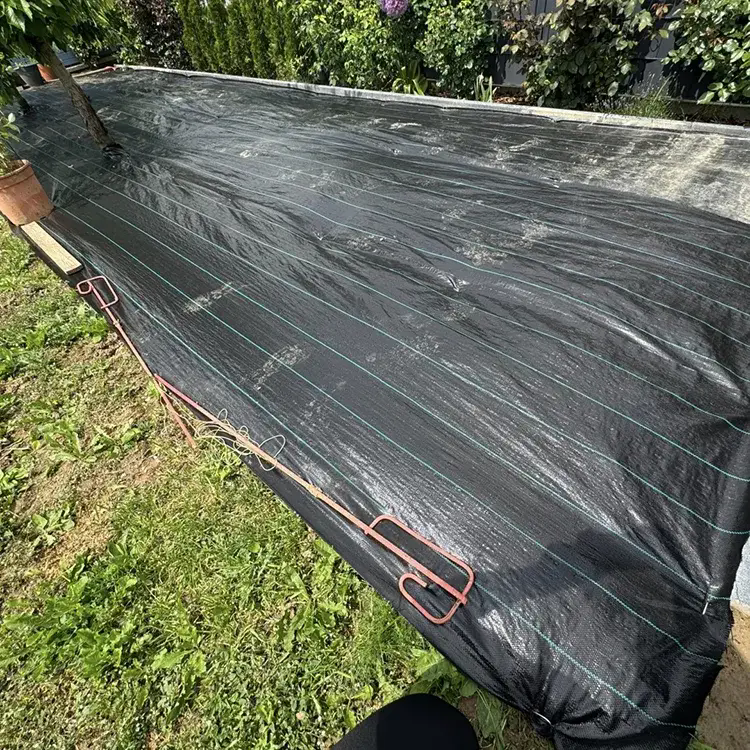
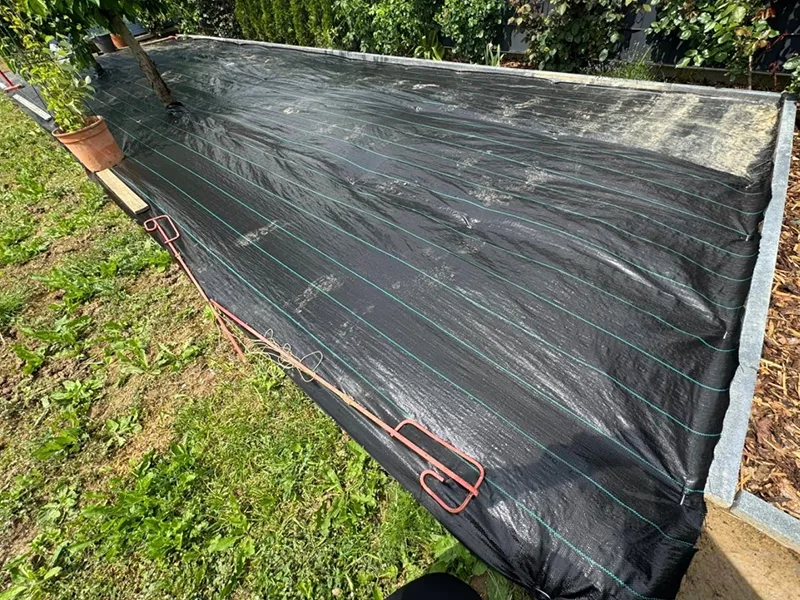
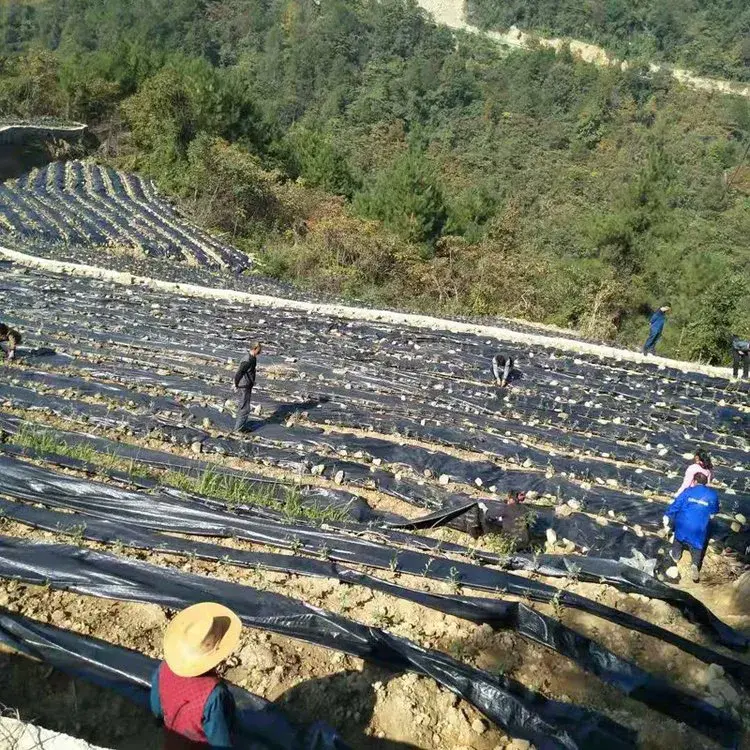
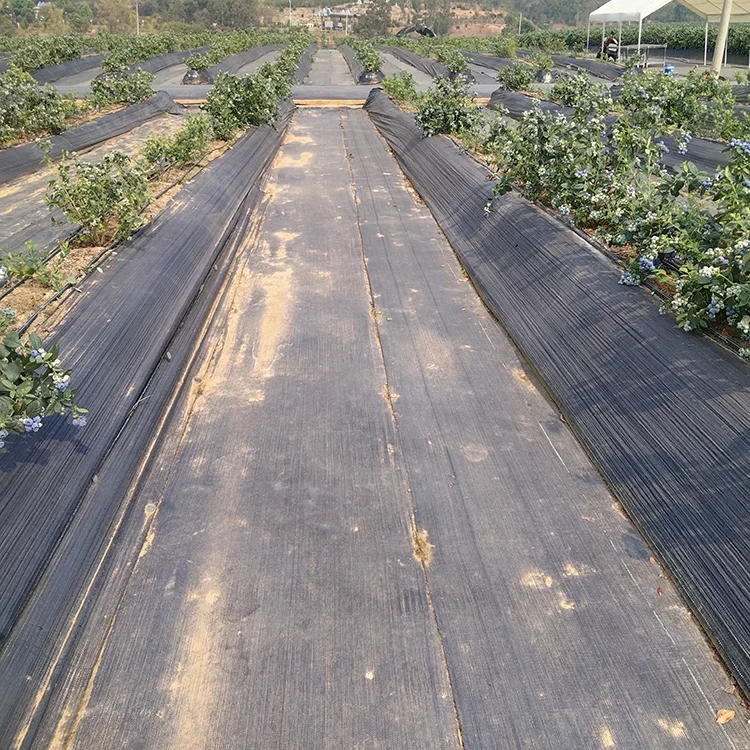
Biodegradable Agricultural Weed Barrier Fabric retains the core performance of high-density shading and weed suppression, water and air permeability, water and fertilizer retention, root protection and prevention of rotting roots. It supports mechanized mulching, custom planting hole drilling for seedlings, and is suitable for various scenarios such as large fields, greenhouses, forest undergrowth, and medicinal plants, fruits and vegetables, and seedling cultivation. The weed suppression effect is stable and the planting safety is high. It is an upgraded and preferred option to replace traditional plastic mulch films and achieve green zero pesticide residue planting.
Introduction to Raw Material Process
The Biodegradable Agricultural Weed Barrier Fabric is woven using high-purity biodegradable plant fiber as the base material. It eliminates the use of traditional polyethylene plastic raw materials and is refined with food-grade environmentally friendly anti-aging and corrosion-resistant additives. The material is pure and free of impurities, with no harmful substances leaching out, and no plastic odor. It fully complies with the standards for organic agriculture and green cultivation of medicinal herbs. The fabric is produced using a high-density plain weave process, with a dense and uniform fabric texture, sufficient toughness, resistance to stretching and tearing, resistance to field trampling and is less likely to be damaged during field operations.
Compared to ordinary plastic weed barriers, the main feature of this product is its natural biodegradability, no residues, and no pollution. After the planting cycle, it can naturally decompose in the soil without the need for manual film removal or collection, completely solving the problem of residual pollution from agricultural film. At the same time, it supports precise pre-drilling customization, with excellent water permeability and air permeability, suitable for multi-category cultivation such as perennial medicinal herbs, seasonal fruits and vegetables, and green plants, balancing the dual values of weed suppression and soil conservation.
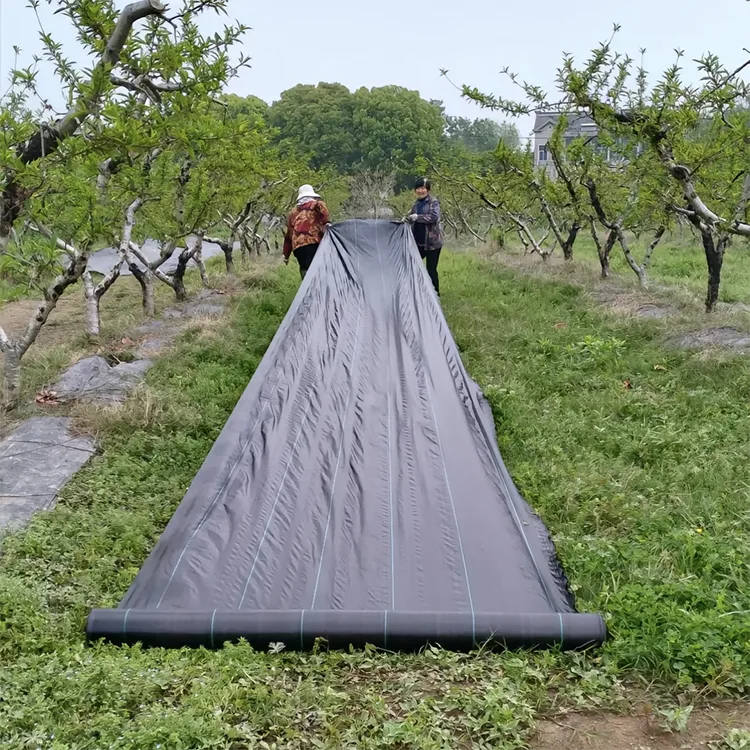
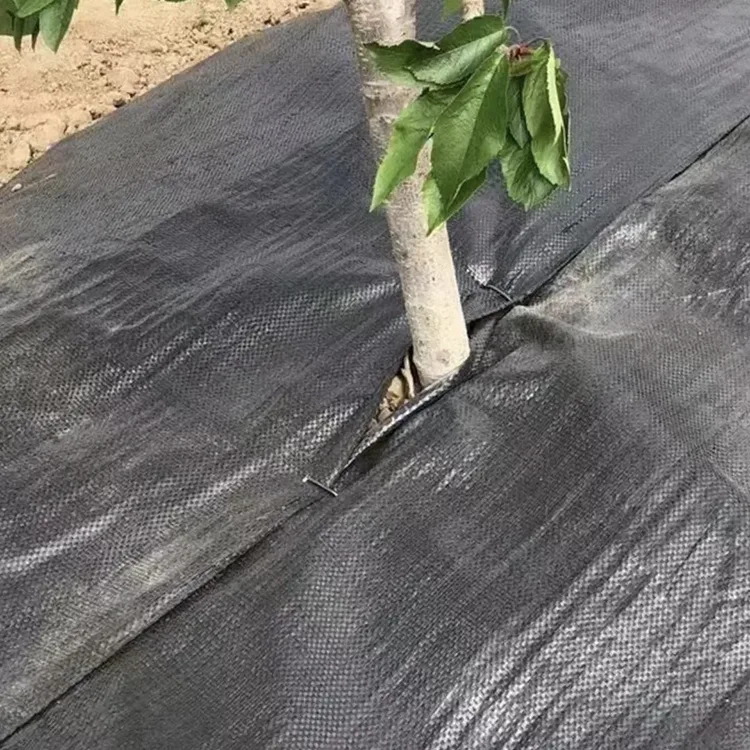
Core Technical Parameter Table
|
Test Item |
Technical Standard |
Measured Parameter |
Functional Advantage |
|
Unit Weight |
90g/㎡, 100g/㎡, 120g/㎡ |
Standard full weight, uniform weaving |
Suitable for seasonal crops and perennial medicinal herbs with different service cycles |
|
Warp & Weft Tensile Strength |
≥750N/50mm |
High toughness and strong tear resistance |
Resists field trampling and mechanical rolling, intact during harvesting |
|
Water & Air Permeability |
Fast water infiltration and air circulation |
Porous uniform drainage, no water accumulation |
Prevents root rot caused by high humidity, protects rhizome crop growth |
|
UV & Field Aging Resistance |
Adaptable to field growth cycle |
Stable performance for 1-5 years as required |
Custom degradable cycle matches crop growth cycle precisely |
|
Environmental Safety Index |
Agricultural organic planting standard |
Zero heavy metal, no harmful residue |
No soil pollution, compliant with organic and medicinal planting inspection |
|
Punching Specification |
Customizable aperture and spacing |
3cm conventional aperture, 15/20/25cm spacing optional |
Direct seedling planting, greatly saves manual digging cost |
|
Degradation Performance |
Natural soil degradation |
Completely degradable without plastic residue |
No film recycling required, improves soil activity after degradation |
Exclusive Core Advantages
1. Fully eco-degradable throughout the process
This biodegradable agricultural weed barrier fabric is different from traditional PE plastic weed barriers. After the planting period, it can naturally degrade and decompose in the soil, without leaving plastic residues or damaging the soil aggregate structure. There is no need for manual digging of the film or clearing of residual films. It significantly reduces the later maintenance costs and perfectly meets the high standards of organic agriculture, ecological medicinal plants, and green fruits and vegetables. It helps maintain the fertility of farmland.
2. Physical weed control with zero pesticide residues
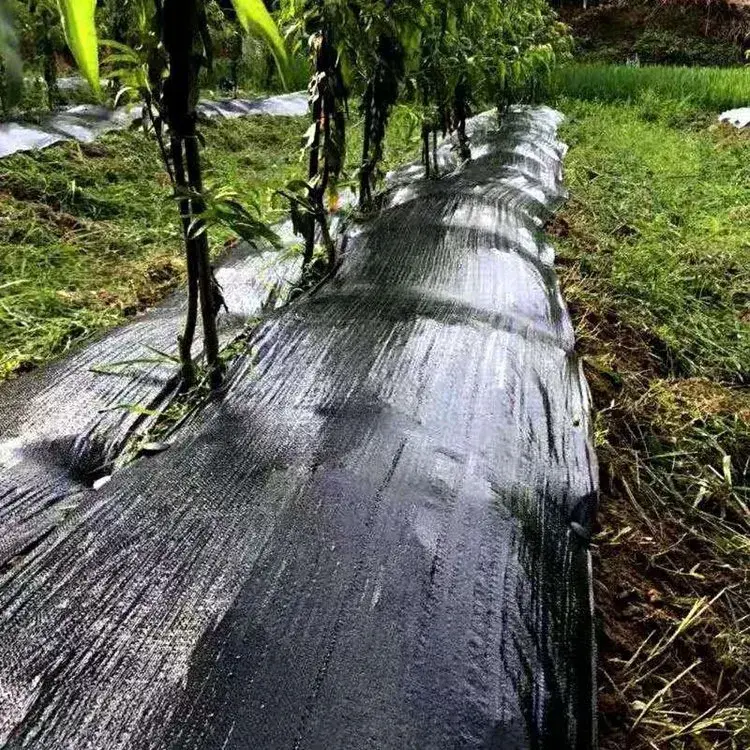
It uses a high-density physical shading principle to block the photosynthesis of weeds, with an inhibition rate of over 96%. Throughout the process, no herbicides or pesticides are sprayed. This completely eliminates the problem of pesticide residues exceeding standards in crops and medicinal plants. The material has no heavy metals or harmful chemical substances leaching out. The quality of medicinal plants and fruits produced is higher. It can easily pass organic inspections, be stored in pharmaceutical enterprises, and pass supermarket inspections.
3. Water-permeable and breathable without root suffocation
The fabric body is woven with uniform gaps, and the customized precise punching process is used. In rainy days, it can quickly drain and absorb water, avoiding water accumulation in the field and root rotting. The soil can freely breathe and absorb oxygen, effectively improving the high-humidity and closed environment in the field. It significantly reduces the probability of root rot, stem base rot, and soil-borne diseases, and is particularly suitable for southern rainy and humid planting areas.
4. Water retention and fertilizer preservation, moisture retention
The all-over weed control structure completely isolates weed growth, preventing weeds from seizing soil moisture and nutrients. It allows the soil to fully supply nutrients to the roots of crops and medicinal plants. At the same time, it reduces soil moisture evaporation, maintains long-term soil moisture, avoids water and fertilizer loss, promotes root and stem expansion, and promotes healthy growth of plants, effectively increasing the yield and quality of crops.
5. Flexible and protective for roots without damaging seedlings
The fabric texture is soft and smooth, with moderate toughness. It has no hard edges. During the growth period, it will not scratch or wear the roots of medicinal plants and fruit plants. After harvest, the crop surface is intact and smooth, reducing the rate of inferior products. The appearance is better than that of crops grown with ordinary plastic film. This significantly improves the economic benefits of planting.
6. Compatible with mechanized operations
The fabric surface is flat, wear-resistant, and has stable tensile strength. It can be compatible with fully automatic film laying machines and field harvesting equipment. Pre-determined planting holes do not require manual digging of the seedlings. At the same time, it eliminates the two processes of manual weeding and later film picking, significantly reducing the labor costs of large-scale planting bases. It is suitable for large-scale contiguous farmland and medicinal plant bases with standardized operations.
7. Improve soil structure
After laying, there is no need for annual plowing and loosening of the soil or cleaning of residual films. It effectively protects the loose structure of the soil and avoids soil compaction and soil fertility degradation caused by frequent plowing and plastic residues. After the material decomposes, it can be converted into organic matter to nourish the soil and continuously improve soil activity, achieving integrated farming and soil improvement.
Applicable Planting Scenarios
1. Various root and stem medicinal herbs cultivation
Suitable for large quantities of medicinal herbs such as polygonatum, aloes, salvia miltiorrhiza, astragalus, panax, angelica sinensis, platycodon, red peony, white peony, astragalus membranaceus, yushu, and anemone, as well as precious and shade-loving medicinal herbs like notoginseng, ginseng, trichosanthes, and dendrobium. Suitable for open-field, greenhouse, and forest-underground wild-like cultivation models.
2. Ecological fruits and vegetables and organic crops
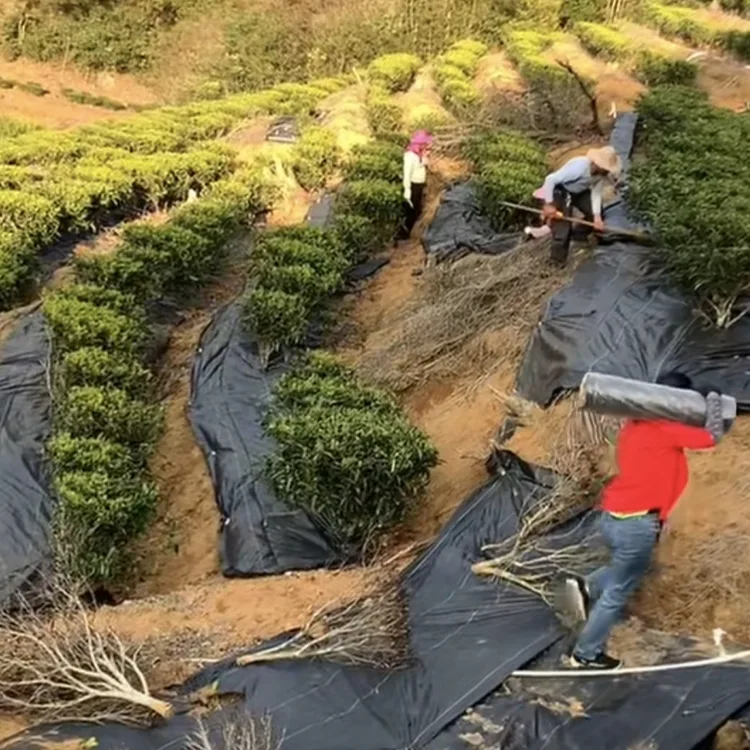
Applicable for strawberry, watermelon, melon, vegetable seedling cultivation, fruit and vegetable planting, tea planting, flower gardening, etc. in organic planting scenarios, meeting the standards of green and pollution-free cultivation, and eliminating pesticide residues and plastic residues.
3. Tree and shrub greening and garden seedling cultivation
Biodegradable Agricultural Weed Barrier Fabric can be used for greening tree and shrub cutting seedling cultivation, tree and shrub planting, large-field weed suppression in nurseries, garden landscaping, and soil and water conservation on mountainous and sloping land, achieving multiple functions such as weed suppression, soil fixation, and plant protection.
4. High-standard ecological agricultural bases
Suitable for green agricultural demonstration bases, organic planting farms, rural ecological planting projects, medicinal herb seedling beds, and full coverage of greenhouse ridge surfaces for planting, in line with the requirements of modern agriculture's environmental protection rectification and green planting policies.
Specification Selection and Customization Services
1. Weight Specification Selection
90g Lightweight Model: Suitable for annual short-term crops, vegetable seedling cultivation, and seasonal fruit and vegetable planting, with extremely high cost-effectiveness; 100g General Model: Suitable for most medicinal herbs and conventional fruit and vegetable cultivation, the mainstream specification in the base area; 120g Thickened Model: Specifically designed for perennial precious medicinal herbs and long-term open-field planting plots, with greater toughness and better cycle adaptability.
2. Width and Style Customization
Regular in-stock widths are 1m, 1.2m, 1.5m, and 2m. Any length can be cut, suitable for different ridges and beds for construction; The products are divided into two styles: complete roll with no holes for biodegradable weed control fabric and pre-drilled finished weed control fabric. The hole diameter, row spacing, and plant spacing can be customized as needed to match the planting density of various crops.
Field Planting Application Results
Field tests and verifications conducted at major Chinese medicinal herb bases and organic fruit and vegetable farms across the country have shown that the Biodegradable Agricultural Weed Barrier Fabric has an herb suppression rate of ≥ 96% that remains stable throughout the process. It does not require any herbicide spraying. The medicinal herbs and fruits are free from pesticide residues and have excellent appearance. After installation, the soil becomes long-term loose and breathable, completely solving problems such as waterlogging, root rot, soil compaction, and competition for nutrients by weeds. The yield of high-quality crops has increased by more than 20%, and the incidence of soil-borne diseases has significantly decreased. After the planting cycle ends, the material naturally decomposes back into the soil and does not require manual removal of the residual film. This greatly reduces the operating costs of the base and also takes into account increased production, income growth, and ecological protection. It is a core supporting material for modern green agriculture.
FAQ
Q1: What is the core difference between biodegradable weed barrier fabric and ordinary PE plastic weed barrier fabric?
The core difference lies in environmental attributes and soil compatibility. Ordinary PE weed barrier fabric is non-biodegradable plastic, leaving significant residues after planting and easily causing soil compaction, requiring manual film removal. Long-term use can damage the soil fertility. The biodegradable type is made from environmentally friendly materials, and after the planting period, it naturally decomposes without residues, does not pollute the soil, and does not harm the soil fertility. It also has the same weed suppression, water permeability, and root protection properties, and is suitable for organic and green high-standard planting.
Q2: Is the lifespan of the biodegradable weed barrier fabric controllable? Will it prematurely degrade and fail?
It is completely controllable. We customize the degradation speed according to the growth cycle of the crops, and it can precisely adapt to the growth cycles of annual crops and perennial medicinal plants. During the planting period, its performance is stable, and it does not break or degrade prematurely. The weed suppression, water permeability, and soil conservation functions are all in place throughout the process. After harvest, it naturally decomposes without affecting the planting effect.
Q3: How is the water permeability and air permeability of the biodegradable weed barrier fabric? Will it cause root suffocation and rot?
The biodegradable agricultural weed barrier fabric adopts a breathable and water-permeable weaving structure with customized perforation design. Rainwater quickly seeps through and the soil can freely breathe. It perfectly adapts to rainy and humid environments. Compared to non-breathable plastic film, it significantly reduces the probability of root rot and is more suitable for the planting of crops that are afraid of waterlogging, such as medicinal herbs and fruit crops.
Q4: How is the toughness of the biodegradable material? Is it prone to damage during field operations?
The toughness meets the field planting standards. The warp and weft tensile strength is high, and it can withstand daily field foot traffic and root piercing by seedlings. Normal laying of the film, harvesting operations are not prone to tearing or damage. It fully meets the requirements of large-scale field planting and mechanized construction.
Q5: Will the degraded materials have any negative impact on the soil and the following crop?
There will be no negative impact. This product uses food-grade environmentally friendly materials. During the degradation process, no harmful substances are released. After degradation, it can be converted into soil organic matter, improving soil looseness and enhancing soil activity, playing a role in nourishing and protecting the soil, and being more conducive to the growth of the following crop. It is suitable for rotation planting patterns.
Hot Tags: Biodegradable Agricultural Weed Barrier Fabric
Send Inquiry
Contact Info
-
Address
Lingcheng District, Dezhou City, Shandong Province, China
-
Tel
-
E-mail
Welcome global engineering companies, agricultural planting bases and foreign trade distributors to send product consultation, customized processing and wholesale cooperation inquiries. We provide accurate quotation, free technical guidance, customized specification service and efficient after-sales support for Weed Barrier Fabric, Geomembrane Liner and Concrete Blanket Mat.