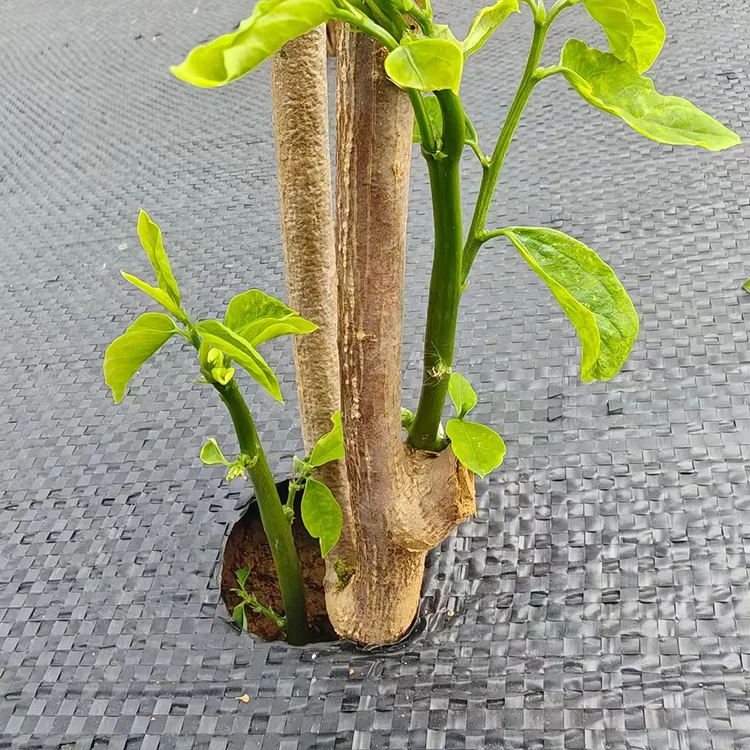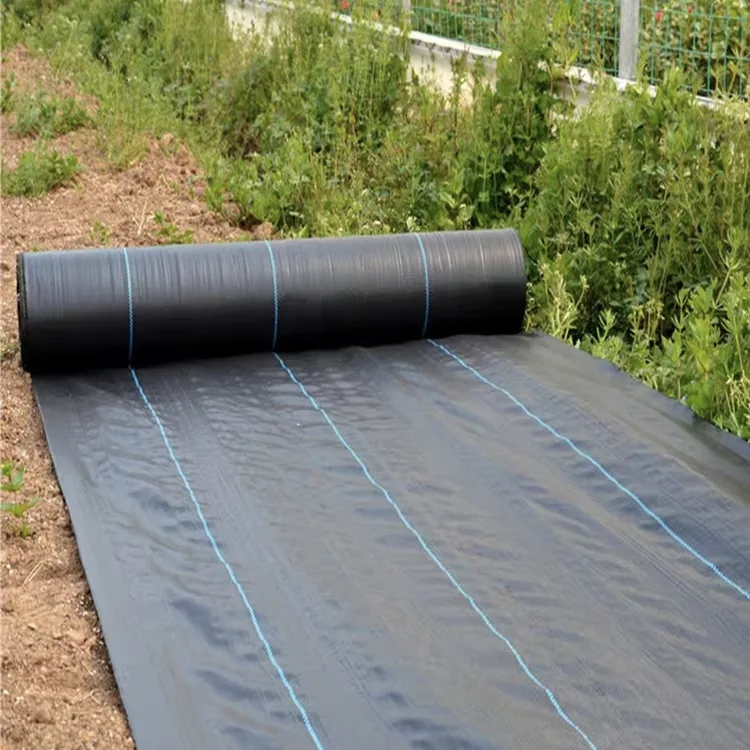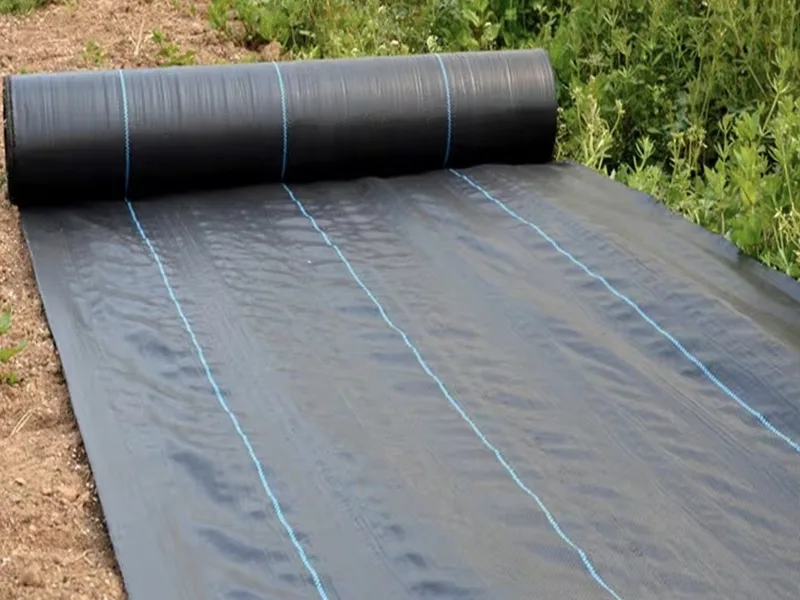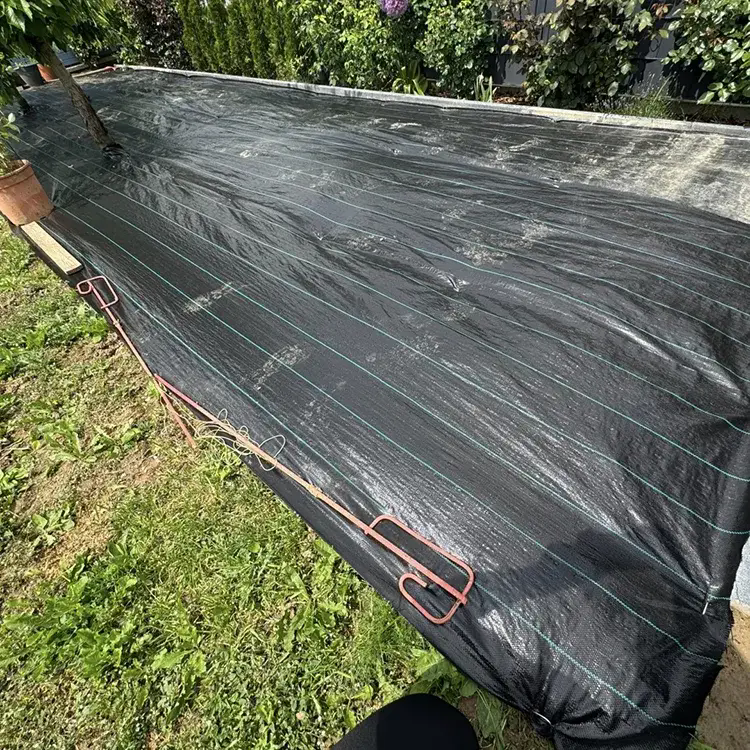
Agricultural Ground Cover Fabric
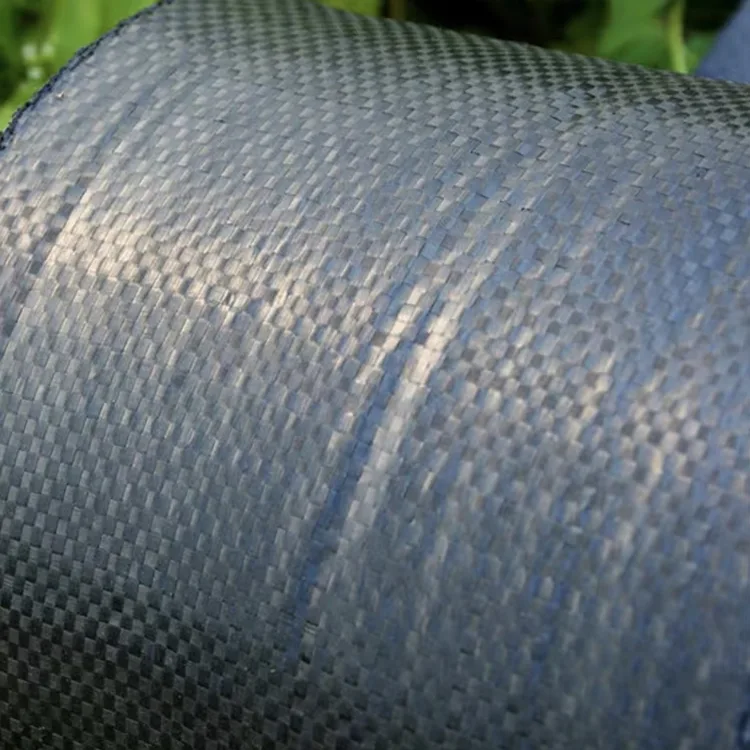
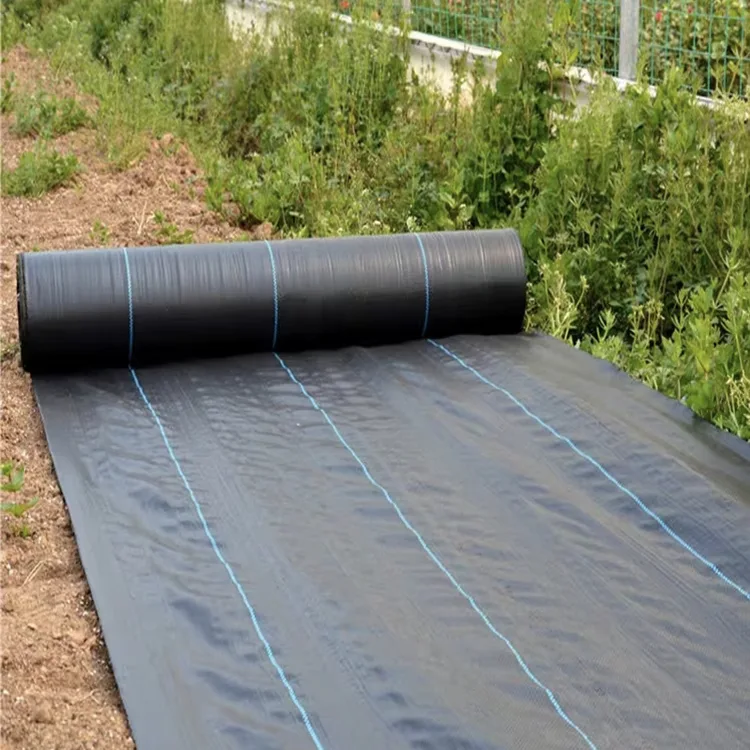
As a professional manufacturer and supplier of Agricultural Ground Cover Fabric, Tongfu leverages a high-opacity woven structure to achieve long-lasting weed suppression. Simultaneously, the fabric features excellent water permeability for moisture retention, soil stabilization to prevent erosion, and robust resistance to aging and corrosion. Constructed from durable materials and highly adaptable to diverse working conditions, it comprehensively addresses common field challenges such as rampant weed growth, soil erosion, and soil degradation.
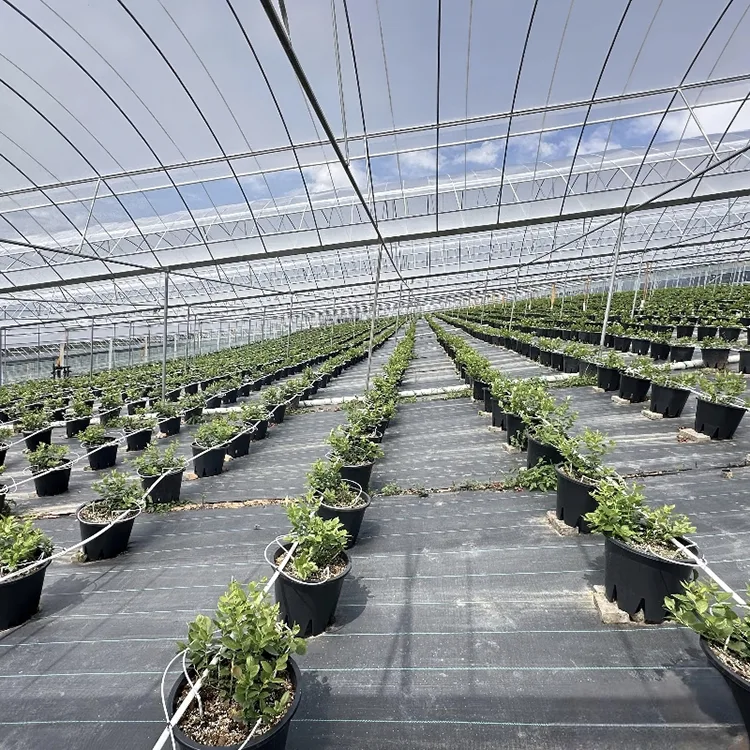
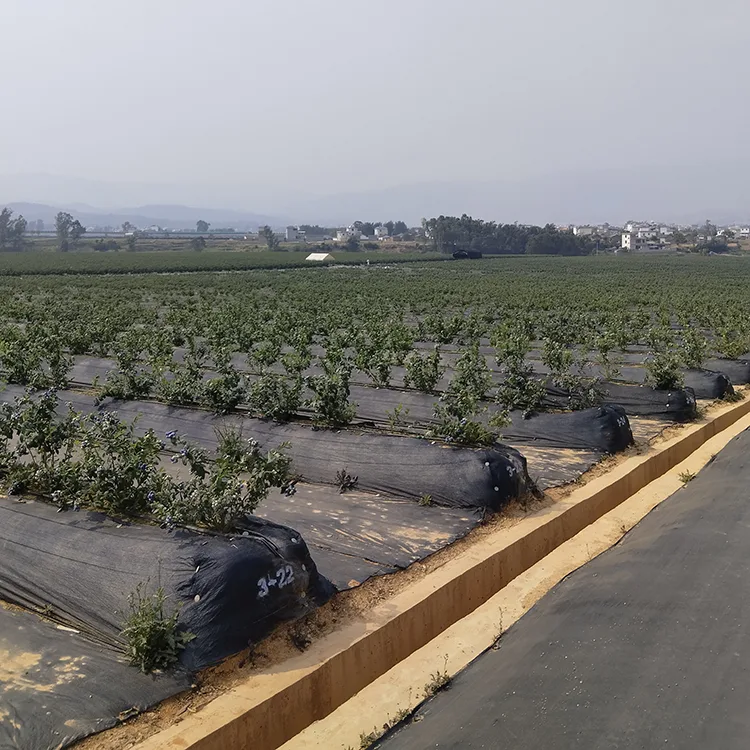
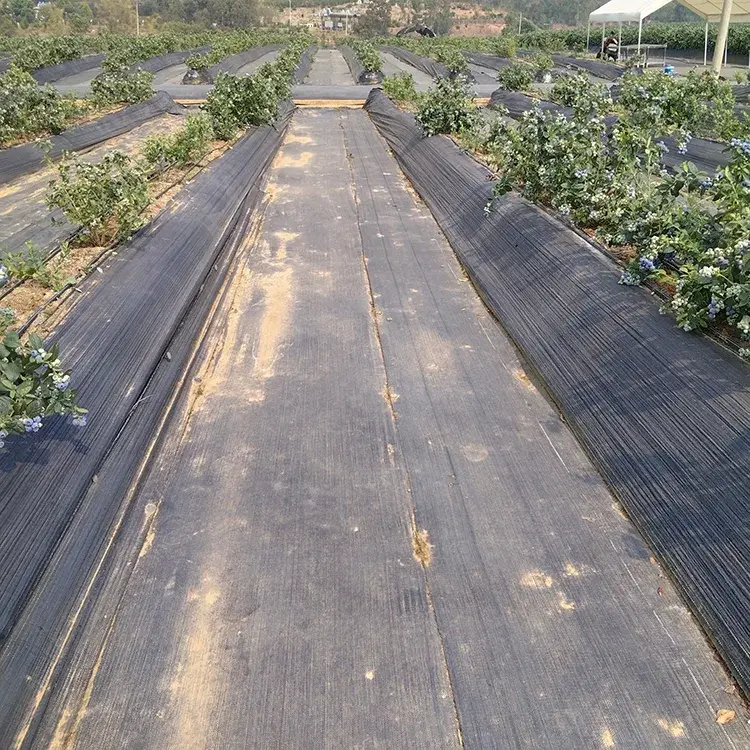
Tongfu Agricultural Ground Cover Fabric is specifically engineered for general agricultural and forestry applications. Produced using virgin polypropylene raw materials and advanced weaving techniques, it contains absolutely no recycled waste or impurities, ensuring stable and reliable performance. The product moves away from chemical-based weed control methods, relying instead on physical light-blocking to suppress weeds. At the same time, it serves multiple functions—including root protection, nutrient preservation, soil stabilization, and dust prevention—making it suitable for the vast majority of sites, such as open fields, orchards, nurseries, and landscape gardens.
Core Positioning and Application Scenarios
1. Product Definition
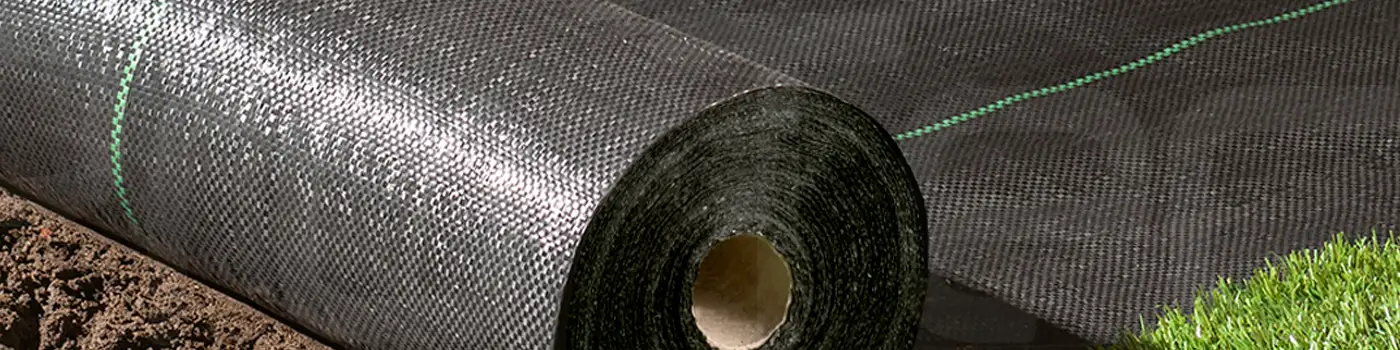
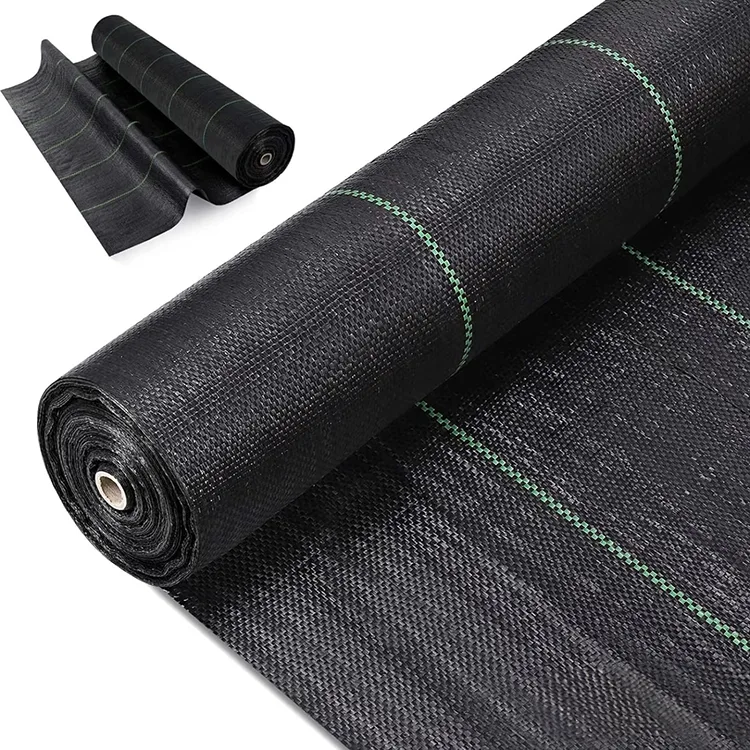
Agricultural Ground Cover Fabric—also commonly referred to as horticultural ground cloth, weed barrier fabric, or permeable weed mats—is a versatile geotechnical protective material utilized in the agricultural and forestry sectors. Thanks to its comprehensive performance capabilities, it has become a mainstream auxiliary product for the routine maintenance and management of fields and horticultural grounds.
2. Core Functions
Leveraging a high-strength woven structure to provide multi-faceted protection, its primary functions include physical weed suppression, water permeability for moisture retention, root protection against waterlogging, and dust prevention combined with soil stabilization. By performing these tasks, it fundamentally reduces the competition between weeds and crops for essential nutrients.
3. Scope of Application
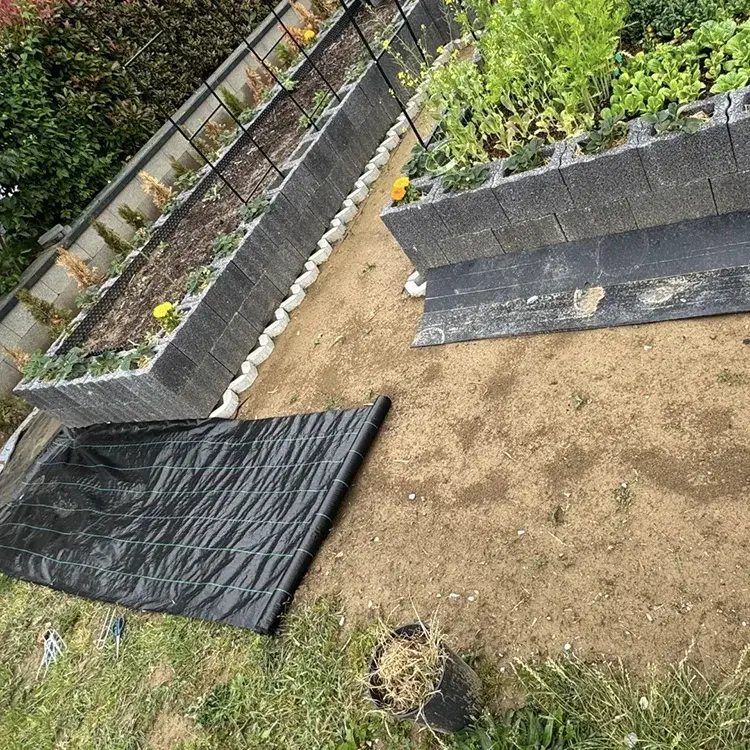
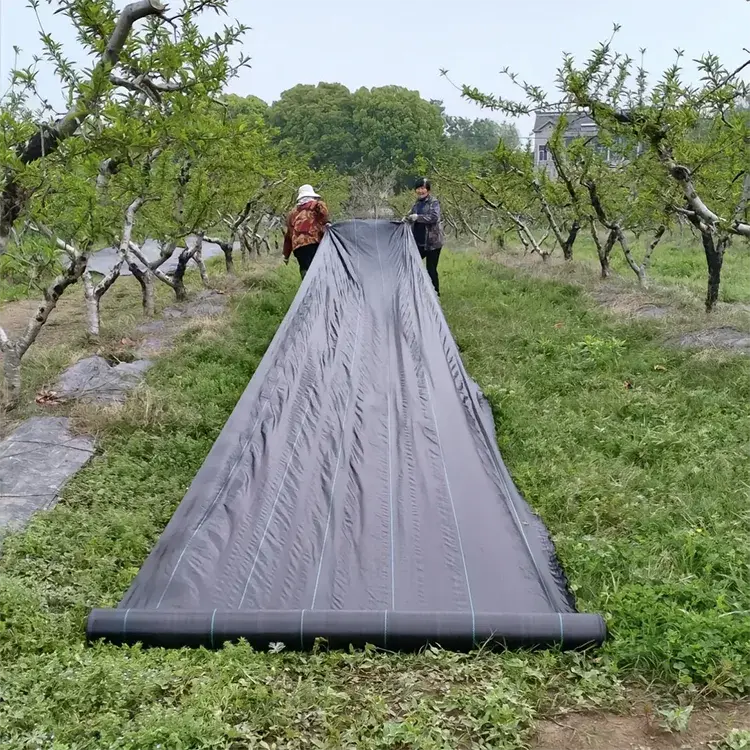
Highly versatile in nature, it can be widely applied across a diverse range of sites—including open-field cultivation areas, various orchards, nursery bases, and urban landscape gardens—effectively meeting the varied requirements of modern ecological agriculture and precision horticultural maintenance.
Raw Materials and Manufacturing Process
1. Raw Material Composition
We utilize exclusively virgin, high-density polypropylene (PP) raw materials for processing. These are blended with specialized UV-resistant additives, antioxidants, and abrasion-resistant stabilizers. Throughout the entire production process, absolutely no recycled waste or impurities are introduced; the resulting fabric is odorless, composed of pure materials, and exhibits stable, consistent performance.
2. Weaving Process
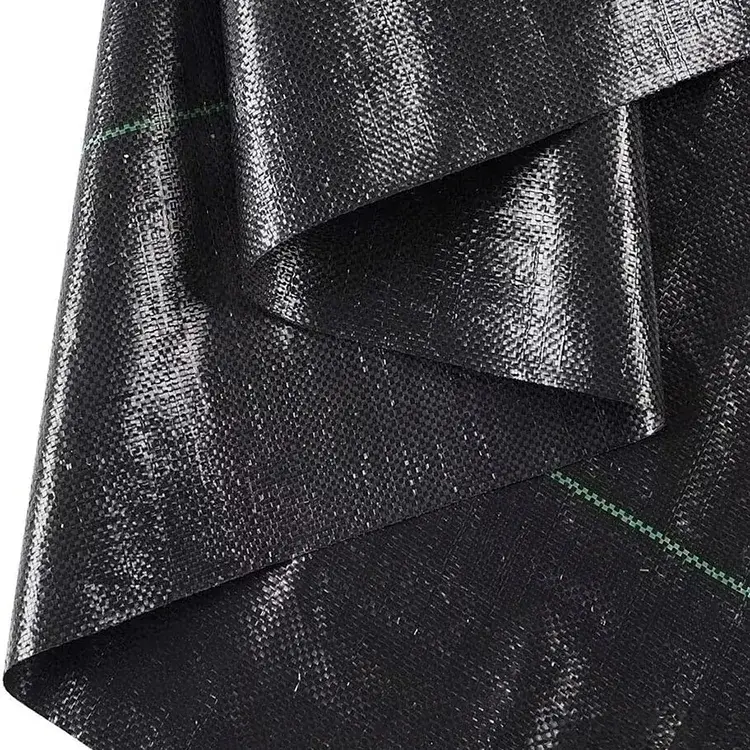
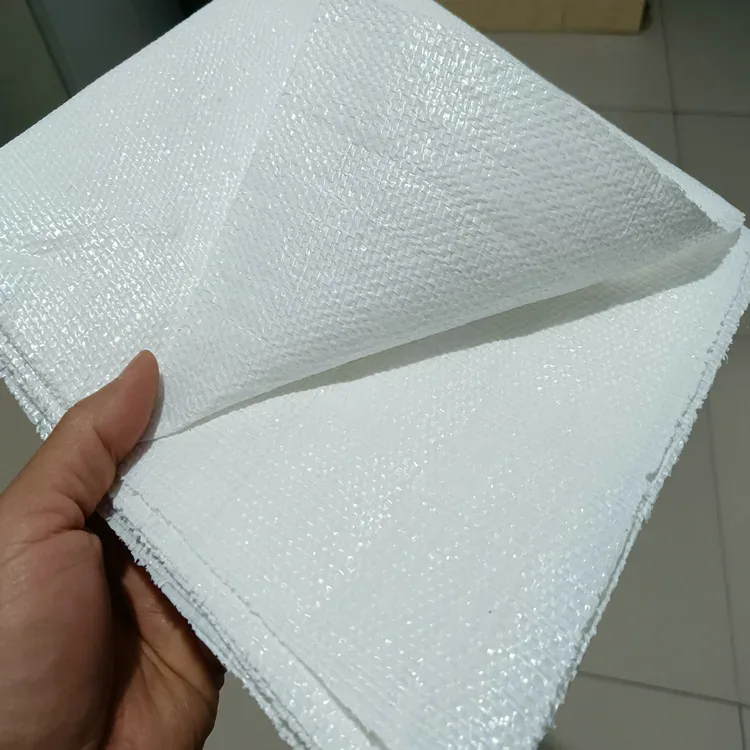
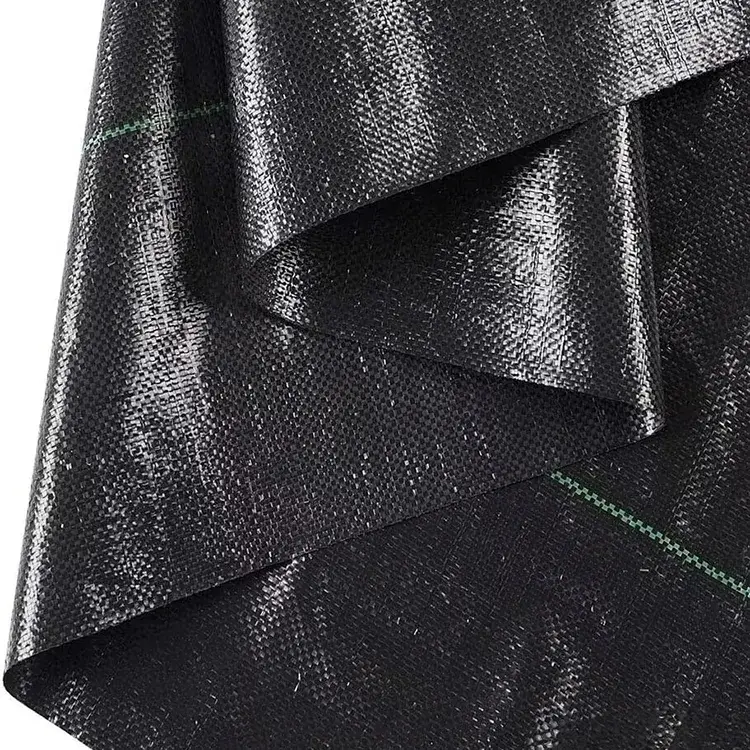
The fabric is produced using a precise, bi-directional weaving technique involving both warp and weft threads. This method ensures tight interlacing between the flat yarn strands, resulting in a robust and structurally sound overall fabric construction. During use, the fabric remains free from issues such as fraying, cracking, or deformation. Compared to standard non-woven fabrics, it offers comprehensively enhanced abrasion resistance, tensile strength, and anti-aging capabilities, fully meeting the requirements for long-term outdoor installation and use.
3. Comprehensive Material Characteristics
Polypropylene, the base material, possesses inherent chemical stability, allowing it to withstand varying soil pH levels, humid environments, and fluctuations in temperature. Even after prolonged exposure to direct sunlight, burial beneath soil layers, or placement in rainy environments, it will not rot, disintegrate into powder, or become brittle.
4. Environmental Friendliness
The Agricultural Ground Cover Fabric is composed of purely physical materials; it is non-toxic and harmless, releasing no chemical substances during use. It does not contaminate soil, water sources, or vegetation. Furthermore, it supports repeated installation and reuse, fully complying with relevant standards for green agriculture and ecological landscaping.
Performance Parameters
1. Standard Specifications
The mainstream weight range is 90g–120g/m², with standard widths ranging from 0.5m to 6m. This versatility allows it to be perfectly matched to various settings—whether small plots, narrow planting ridges, or expansive agricultural parks. Additionally, custom cutting services are available to meet the specific installation requirements of irregularly shaped sites.
2. Weed Suppression Capability
With a light-blocking rate of ≥95%, the fabric completely blocks sunlight, thereby interrupting the process of weed photosynthesis. Field tests demonstrate a weed suppression rate exceeding 98%, effectively inhibiting weed germination and growth over the long term and preventing weeds from continuously competing with crops for water, nutrients, and light resources.
3. Water Permeability and Breathability
The Agricultural Ground Cover Fabric features a uniformly woven structure with microscopic pores. This design allows rainwater and irrigation water to infiltrate rapidly, effectively preventing water accumulation and the resulting root rot. Simultaneously, it ensures proper air circulation within the soil, helping to prevent soil compaction and salinization during long-term use.
4. Anti-Aging Durability
Enriched with a high concentration of UV-resistant additives, the fabric effectively withstands the erosive effects of outdoor ultraviolet radiation. The standard outdoor model offers a service life of 2–3 years, while the thickened, reinforced, and enhanced anti-aging models can last for 5–7 years.
5. Physical Strength
The fabric's bidirectional (warp and weft) woven structure endows it with exceptional tensile strength, tear resistance, and puncture resistance. It is also durable enough to withstand foot traffic. The material remains resistant to damage when subjected to common daily operational stresses, such as friction from gravel, accidental impacts from farming tools, or compression from growing seedlings.
6. Weather and Corrosion Resistance
Unaffected by soil acidity, alkalinity, or continuous rainfall erosion, the material also withstands low winter temperatures and frost. It can be used outdoors year-round without any significant degradation in performance.
Practical Advantages
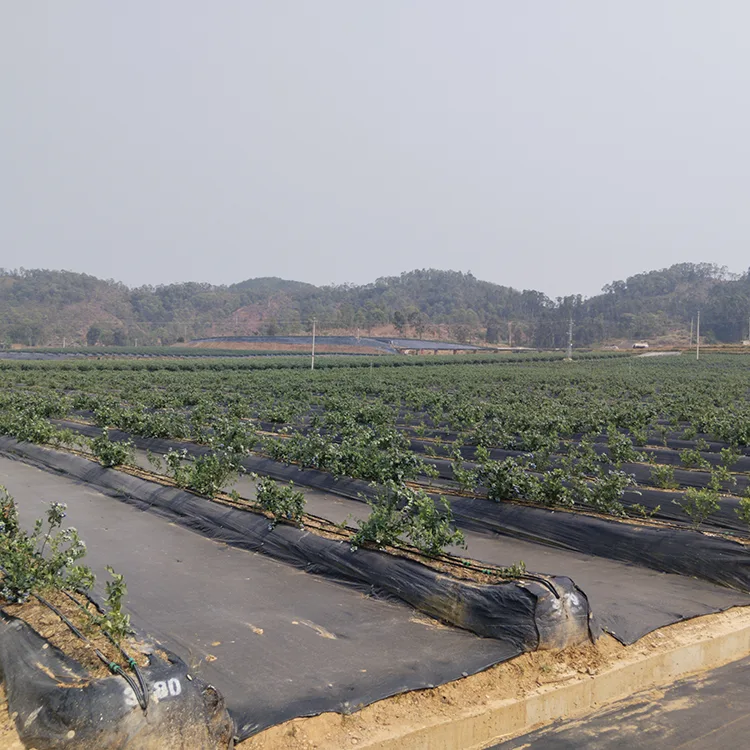
1. Physical Weed Control: Weed suppression is achieved entirely through the principle of light exclusion. This eliminates the need for chemical herbicides, avoiding issues related to pesticide residues and preventing damage to the soil ecosystem. It is an ideal choice for eco-friendly farming and ecological landscaping projects.
2. Labor Savings: A single installation provides long-term weed suppression, significantly reducing the frequency of manual weeding. This effectively lowers labor costs and agricultural supply expenses, completely resolving the maintenance hassles associated with recurring weed growth.
3. Moisture and Nutrient Retention: Agricultural Ground Cover Fabric slows down internal soil moisture evaporation, locking in water and nutrients within the soil layer to minimize loss. Simultaneously, it maintains a loose soil structure, retards soil degradation, and improves the soil environment for optimal crop growth.
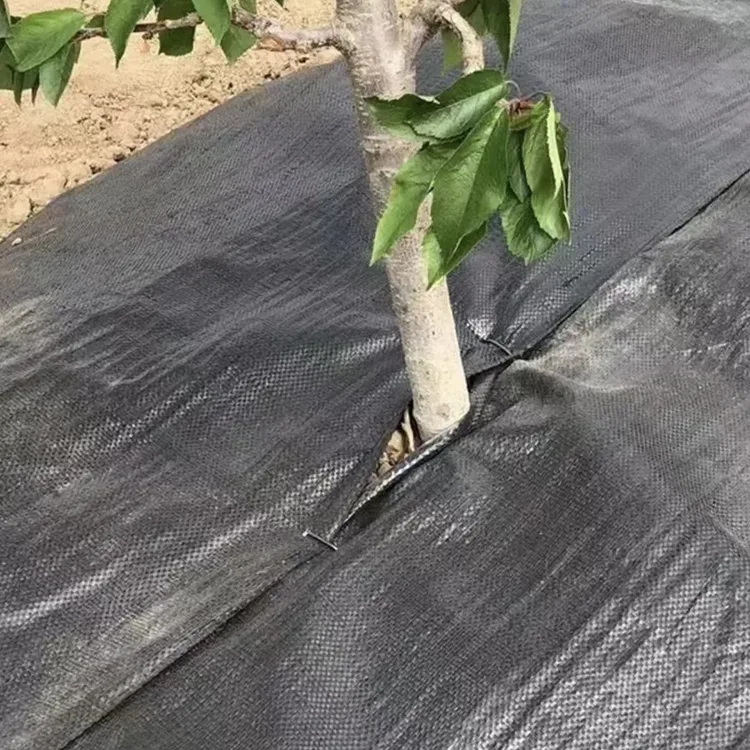
4. Root Protection and Pest Reduction: Its physical barrier structure prevents the upward migration of insect eggs and pathogens from within the soil, thereby reducing the incidence of soil-borne pests and diseases. The material's excellent breathability prevents root suffocation, fostering the healthy growth of seedlings and crops while boosting transplant survival rates and overall plant vigor.
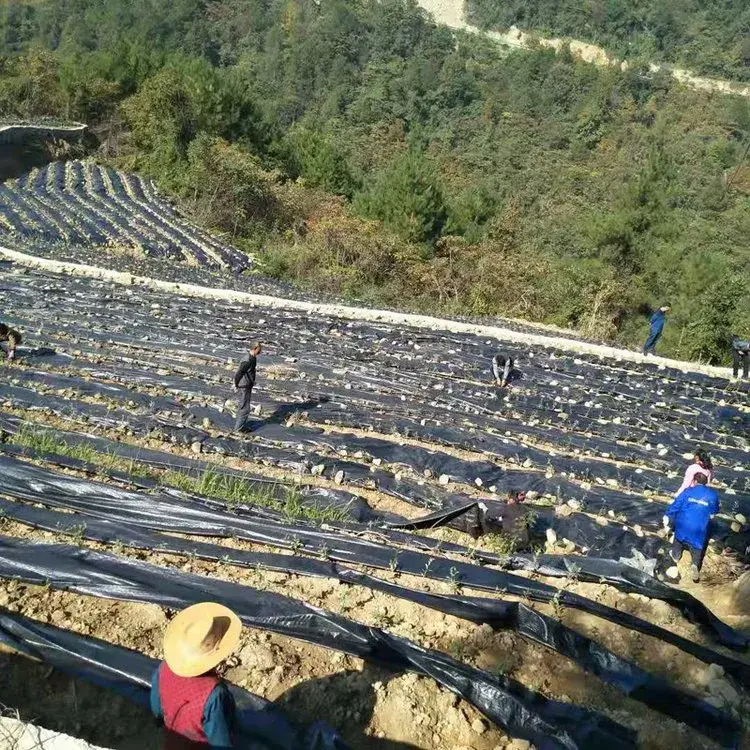
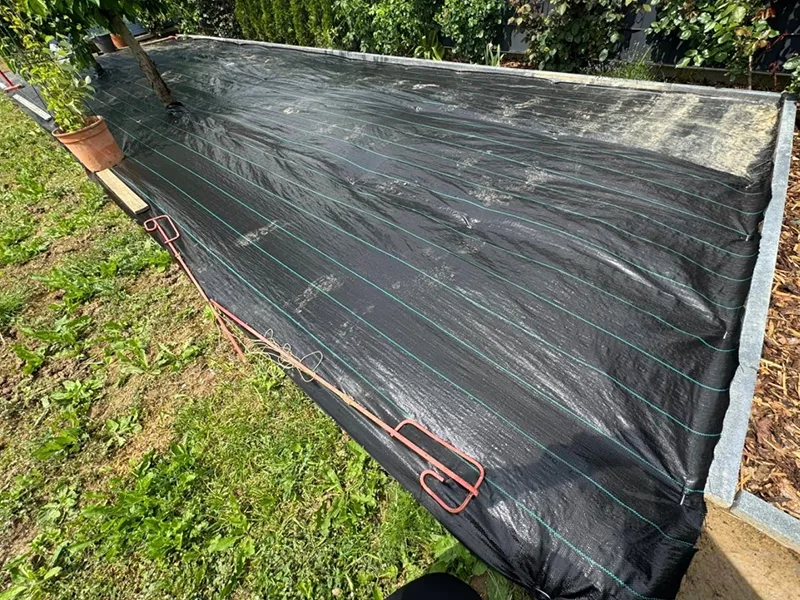
5. Soil Stabilization and Slope Protection: When laid over the ground surface, the fabric firmly anchors the topsoil. It effectively mitigates soil erosion caused by rainfall runoff, making it particularly suitable for use on slopes, field ridges, and other areas where soil stability is critical to preserving the integrity of the planting site's topography.
Purchasing and Usage Recommendations
1. Specification Selection Guide: For short-term applications or low-wear environments—such as within greenhouses—the standard 90g weight option is suitable. For open fields, hillside orchards, or areas prone to strong winds and sand, priority should be given to the thicker 100g–120g options to further enhance abrasion resistance and anti-aging properties.
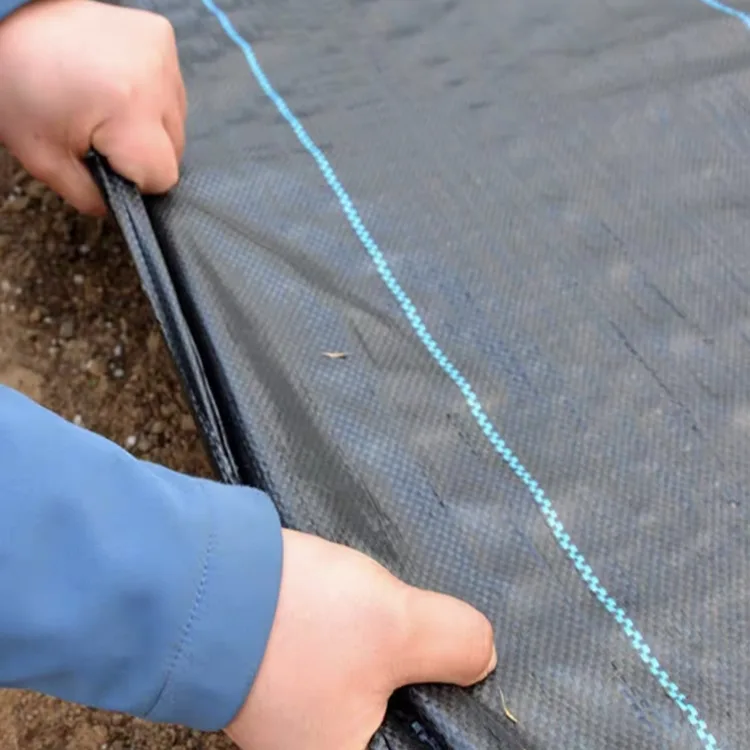
2. Installation Guidelines: Before installation, clear the ground of sharp objects (such as stones or hard branches) to prevent the fabric from being punctured or torn. During installation, pull the fabric taut and lay it flat; secure the edges using ground stakes or by covering them with compacted soil to prevent the fabric from being lifted by strong winds, thereby extending its overall service life.
3. Support for Bulk Orders: As a direct-source manufacturer, Tongfu possesses stable production capacity and is equipped to handle orders of any scale—from small batches to large-volume consignments. We maintain ready stock of standard specifications and offer custom sizing tailored to specific project requirements, ensuring a reliable supply and guaranteed delivery timelines.
Hot Tags: Agricultural Ground Cover Fabric, Manufacturer, Supplier, Wholesale
Send Inquiry
Contact Info
-
Address
Lingcheng District, Dezhou City, Shandong Province, China
-
Tel
-
E-mail
Welcome global engineering companies, agricultural planting bases and foreign trade distributors to send product consultation, customized processing and wholesale cooperation inquiries. We provide accurate quotation, free technical guidance, customized specification service and efficient after-sales support for Weed Barrier Fabric, Geomembrane Liner and Concrete Blanket Mat.