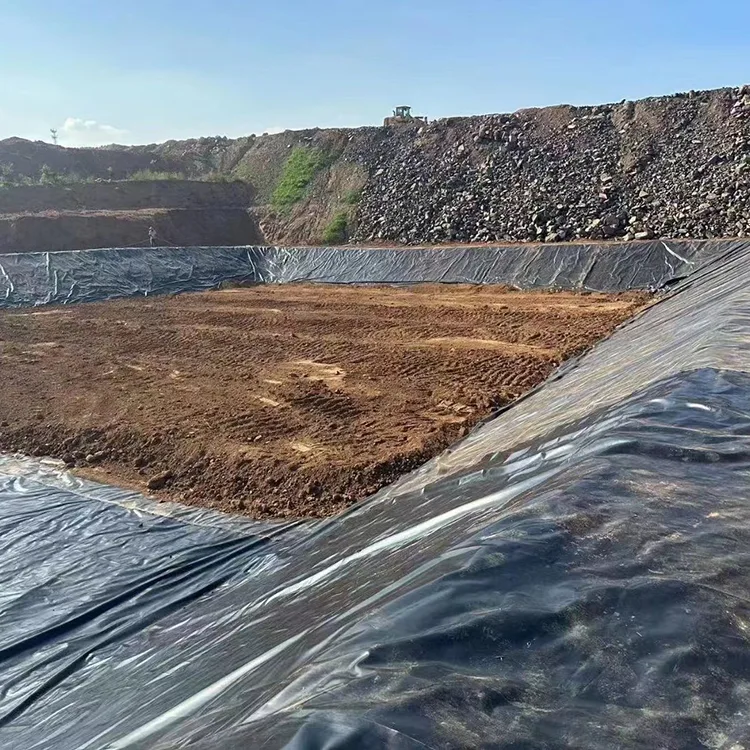
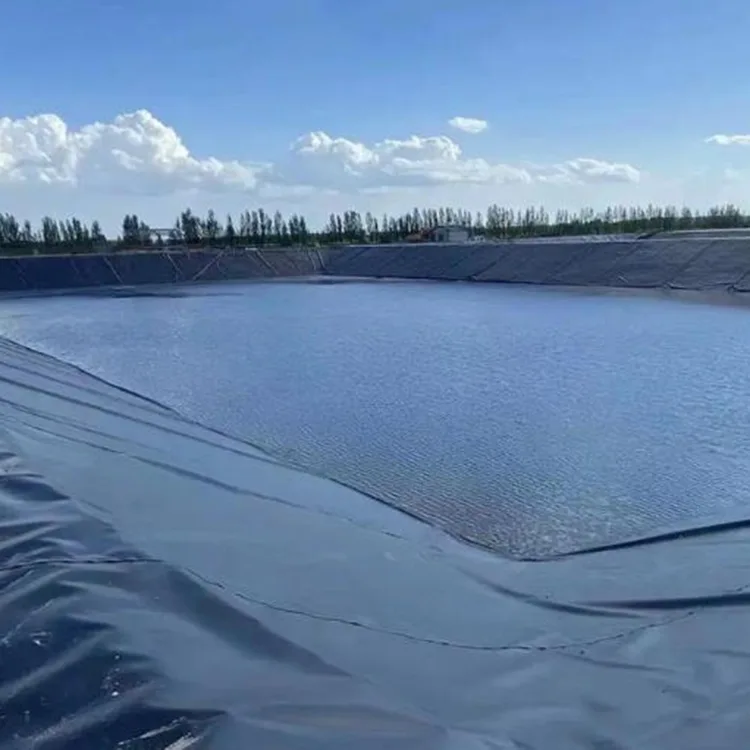
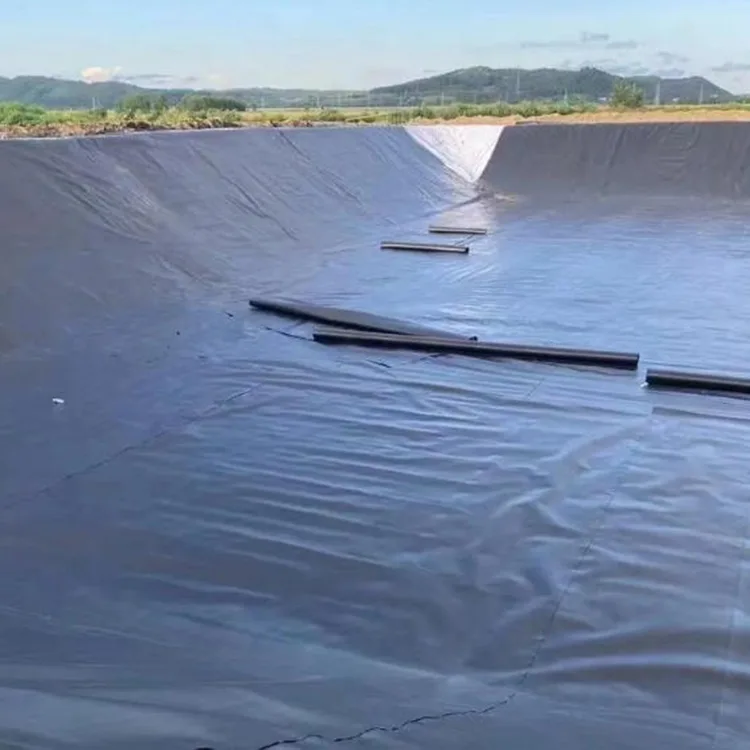
Aquaculture Geomembrane Liner
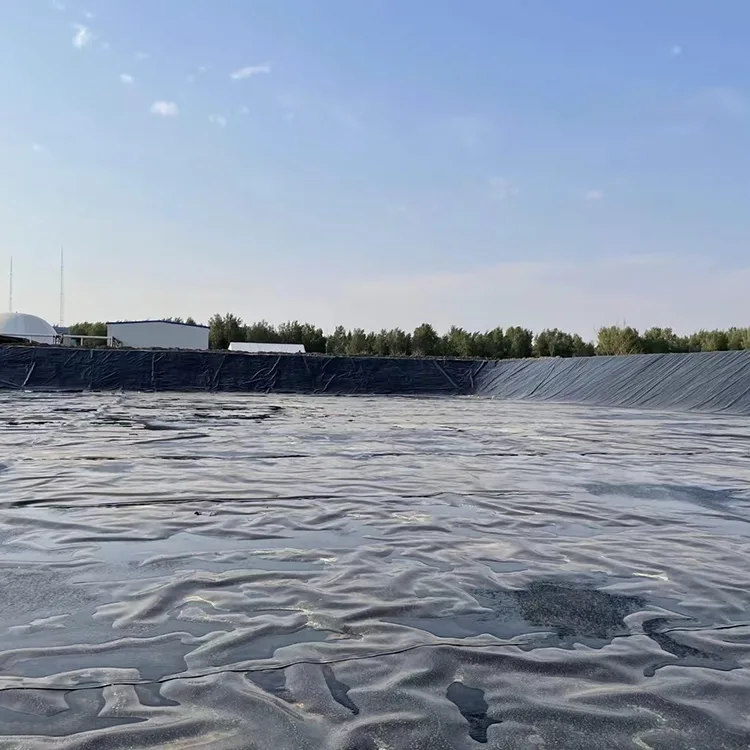
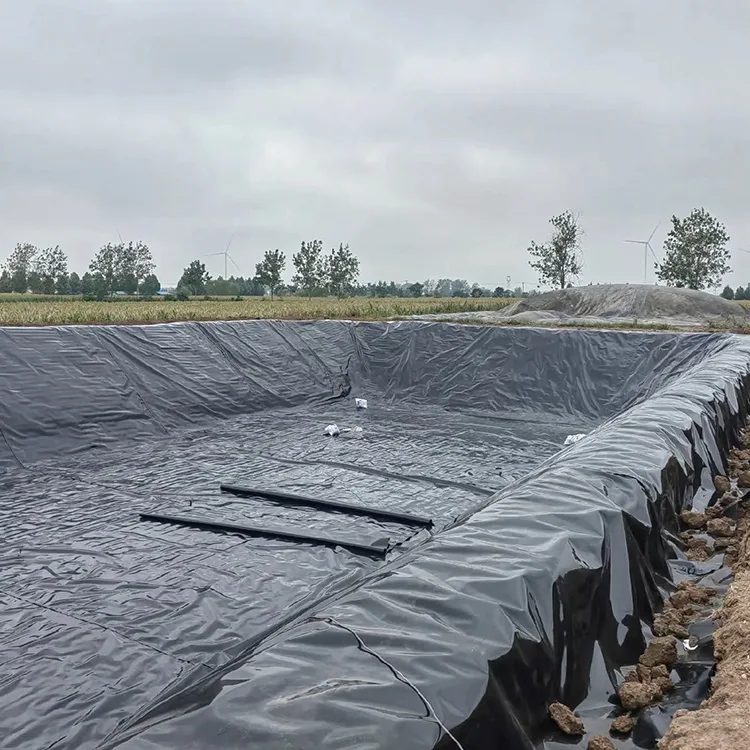
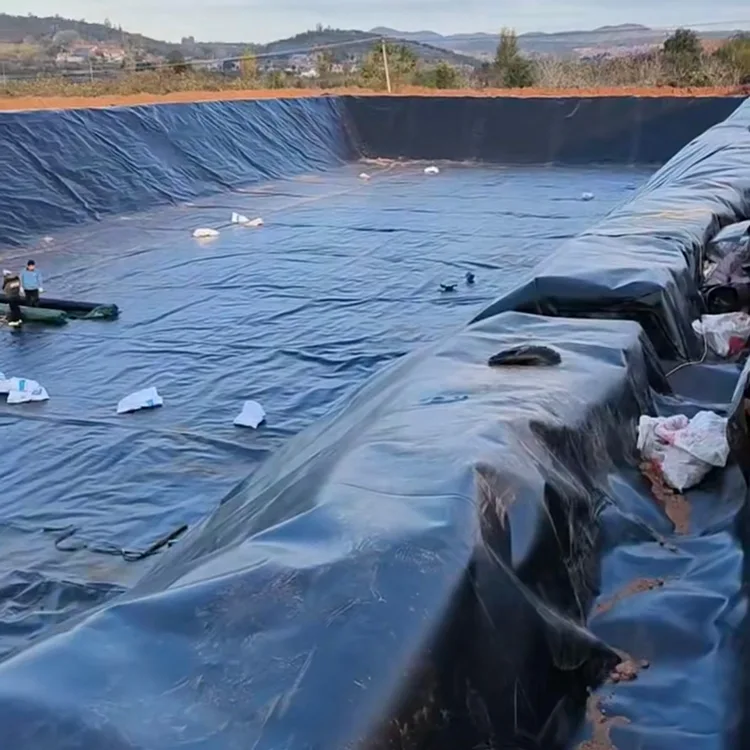
Are you looking for a high-quality aquaculture geomembrane liner manufacturer? Tongfu is a direct manufacturer of aquaculture fish pond geomembranes, offering on-demand cutting, wholesale of full rolls from stock, and on-site custom sizing. We manufacture in strict accordance with the national standard GB/T 17643-2011 for aquaculture applications, incorporating food-grade carbon black and antimicrobial additives. Our products are specifically designed for aquaculture, featuring water and nutrient retention, isolation of pathogens and bacteria in the pond bed, and algae resistance for easy pond cleaning.
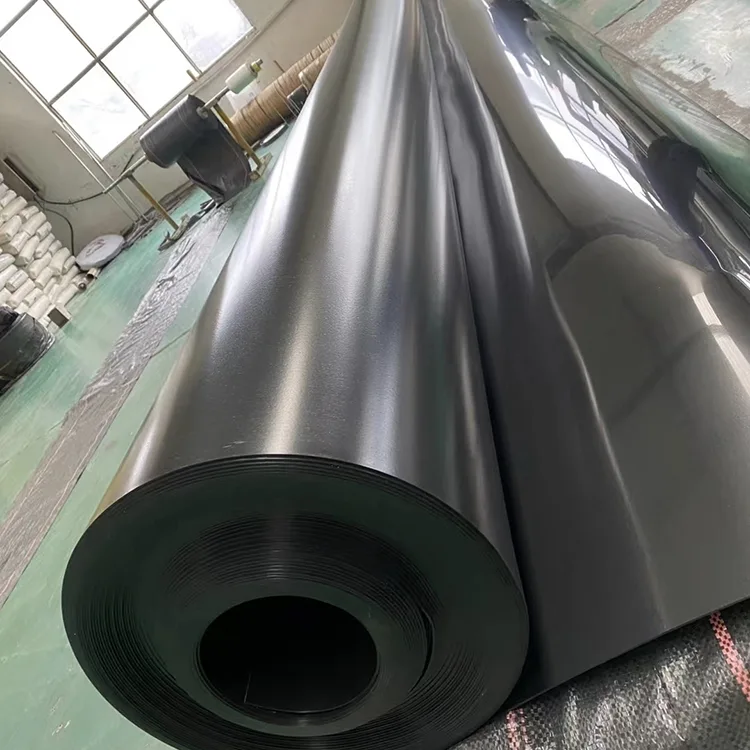
Tongfu Aquaculture Geomembrane Liner is a specialized membrane material developed specifically for freshwater aquaculture, distinct from general landscaping or hydraulic engineering products. We offer two material options—rigid, puncture-resistant HDPE and flexible, settlement-resistant LLDPE—to suit various pond foundation conditions. The carbon black content meets aquaculture UV-resistance standards, while the low-adhesion surface formula inhibits bottom algae growth. Additionally, heavy metal leaching is strictly controlled, ensuring safety for freshwater aquaculture environments. These liners solve issues with water leakage and nutrient loss while isolating pathogens, pest eggs, and soil heavy metals at the pond bottom. They comply with environmental assessment requirements for pollution-free and export-oriented aquaculture, clearly differentiating themselves from standard landscaping pond liners.
Material Advantages
The primary material for Tongfu Aquaculture Geomembrane Liner is High-Density Polyethylene (HDPE), with Linear Low-Density Polyethylene (LLDPE) used for specific lightweight applications; HDPE is the preferred choice for fish pond farming.
1. Core Raw Materials: We use virgin high-density polyethylene resin pellets (density ≥ 0.940 g/cm³) combined with additives such as food-grade carbon black masterbatch, antioxidants, and UV stabilizers. No recycled waste materials are added; the product offers high purity, safety, and non-toxicity, meeting environmental standards for aquaculture.
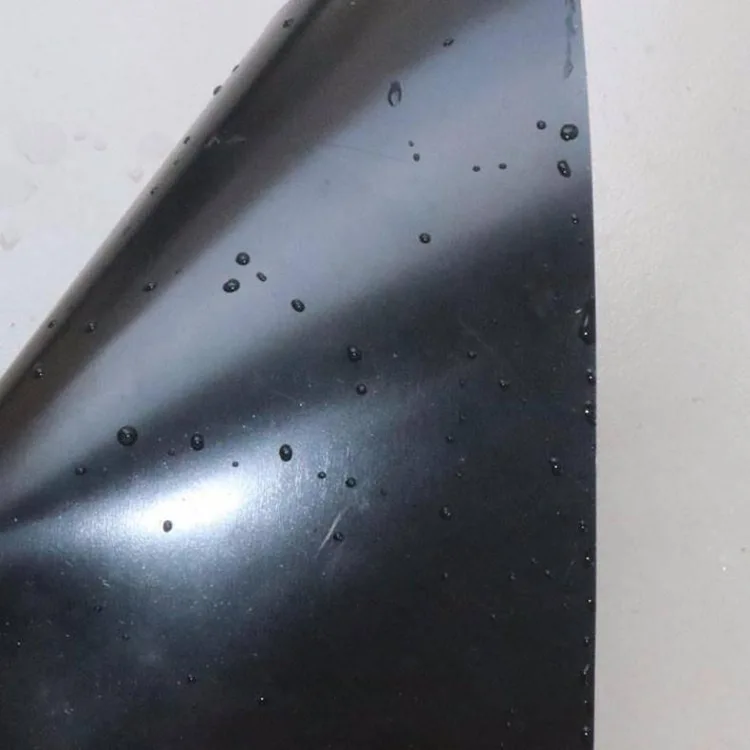
2. Production Process: Manufactured via high-temperature extrusion and calendering processes, the membrane features uniform thickness and a dense structure. It is free of pinholes and cracks, offering superior structural integrity. Unlike ordinary plastic films, it possesses the stability and durability characteristic of professional geotechnical impermeable materials. 3. Material Characteristics: The material is highly inert; it is insoluble in water, releases no harmful substances, and resists corrosion from acidic or alkaline water. It is suitable for the long-term submerged environments of aquaculture, poses no harm to farmed species such as fish, shrimp, or shellfish, and maintains stable performance over the long term.
Integrated Molding Process
1. The base material for the Tongfu Aquaculture Geomembrane Liner is virgin polyethylene resin, excluding low-density recycled plastic granules. The additive formulation is fixed: carbon black masterbatch (≥2%), antioxidant (0.3%), and low-temperature brittleness resistance agent (0.2%). All additives have passed safety tests for aquaculture products. This eliminates the industry practice of blending in recycled agricultural mulch granules, thereby preventing the leaching of plasticizers during long-term submersion.
2. It is manufactured using a single-screw high-temperature melt extrusion and synchronous calendering/cooling process, distinguishing it from multi-layer composite lamination methods. The transverse thickness tolerance across the entire roll is ≤±0.03mm; there are no hidden pinholes or surface voids, preventing localized seepage issues later on. The molecular structure is uniformly interwoven both transversely and longitudinally, preventing delamination or peeling caused by water erosion on pond slopes.
3. Polyethylene is chemically inert and does not undergo dissolution or hydrolysis in the typical pH 5–9 acidic or alkaline waters of fish ponds. It withstands common pond-bottom treatment agents—such as quicklime, potassium monopersulfate, and EM bacterial solutions—without aging or pulverizing during repeated disinfection cycles. It does not alter water TDS levels or interfere with the osmotic pressure balance of fish and shrimp.
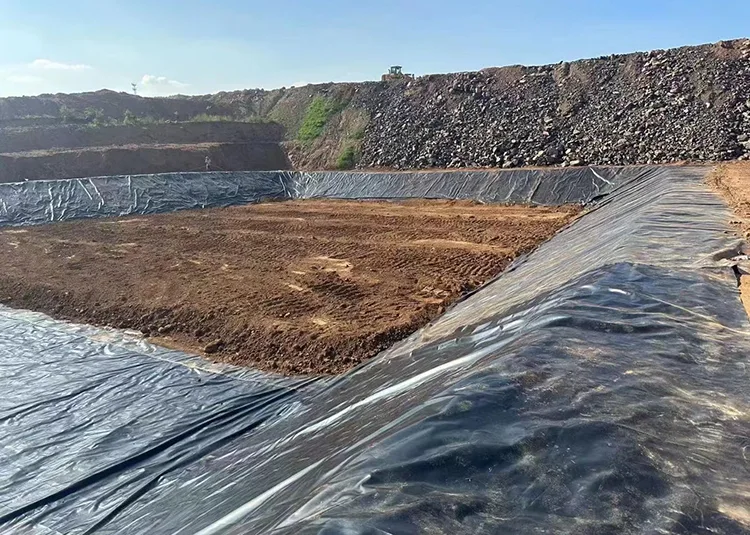
Core Performance Indicators
|
Performance Item |
GB/T 17643-2011 Standard |
Aquaculture Practical Application Note |
|
Available Thickness |
0.3mm-2.0mm |
0.5/0.6mm for shallow ponds(<1.5m); 0.8/1.0mm for deep ponds(1.5-3m) |
|
Standard Width |
3m-8m custom cuttable |
8m wide roll minimizes slope lap joints to prevent seepage |
|
Tensile Strength |
≥20MPa(≤1.0mm); ≥25MPa(>1.0mm) |
Adapt to uneven foundation settlement of newly dug ponds |
|
Elongation at Break |
≥600% |
Resist extrusion from fish, shrimp and crab activities |
|
Water Permeability Coefficient |
≤1.0×10⁻¹³ cm/s |
Near-zero seepage, stop water and fertilizer leakage |
|
Temperature Resistance Range |
-40℃ ~ 80℃ |
No brittle cracking in winter icing, no softening in summer high temperature |
|
Carbon Black Content |
≥2% |
Meet outdoor UV aging resistance, service life 10-15 years |
Key Product Advantages
1. Prevents water and nutrient seepage, reducing costs for water replenishment and fertilization.
Native soil ponds have large soil pores, leading to daily natural seepage losses of 3%–5%. Frequent water replenishment dilutes nitrogen and phosphorus fertility, necessitating repeated applications of fertilizers and chemical agents. This product’s extremely low permeability coefficient blocks capillary seepage through the soil, reducing monthly water replenishment needs by over 70%. This stabilizes water fertility and saves over 1,000 yuan per mu annually in fertilizer, water, and electricity costs.
2. Isolates internal sediment pollution and reduces disease incidence
Pond-bottom sludge accumulates heavy metals, overwintering pest eggs, and soil-borne pathogens; as water temperatures rise, these contaminants can churn upward, triggering diseases such as gill rot, red-skin disease, and ciliate infestations. Full-coverage geomembrane liners isolate the pond-bottom soil and block the spread of pollutants; field measurements show a 35% reduction in disease incidence among common freshwater fish and shrimp, alongside decreased usage of aquatic disinfectants and treatments.
3. Puncture resistance suits complex pond bottoms, preventing localized leaks
Old fish ponds often contain residual grass roots, gravel, and hard snail shells that easily puncture standard thin liners. HDPE liners (0.5mm or thicker) withstand punctures from common hard debris, eliminating the need for deep excavation or extensive bottom cleaning; this reduces labor costs and makes them ideal for renovating old, leaky ponds.
4. Low-adhesion surface facilitates time- and labor-saving mechanized cleaning
Tongfu Aquaculture Geomembrane Liners feature a dense, matte finish that resists the adhesion of sludge and filamentous algae—unlike rough, generic geomembranes. Once the pond is drained, small dredging machinery can scrape away bottom residue directly, eliminating the need for manual cleaning and cutting labor costs for pond clearing by 60%.
5. High thermal stability reduces stress on bottom-dwelling aquatic life
Unlike concrete slope protection, black polyethylene liners have lower thermal conductivity, keeping diurnal fluctuations in bottom-water temperature within 2°C. This prevents stress-induced behaviors—such as fish and shrimp crowding the surface or jumping out of the pond—during seasonal transitions or periods of high day-night temperature variance, thereby improving stocking survival rates.
6. Resistant to aquaculture disinfectants; long-term performance remains undiminished
The liners withstand the full cycle of aquaculture disinfection treatments—including quicklime pond drying, chlorine dioxide water disinfection, and potassium monopersulfate bottom conditioning—without whitening or embrittlement. Unlike standard plastic films, their impermeability remains intact even after five years of regular disinfection treatments.
7. Exceptional service life reduces average consumable costs per mu
Open-air freshwater fish ponds typically have a service life of 10–15 years, far exceeding the 2–3 years for clay liners or the 2 years for standard agricultural plastic sheeting. Eliminating the need for annual repairs or replacements reduces the comprehensive cost per mu by 52% over a five-year period compared to traditional lining methods.
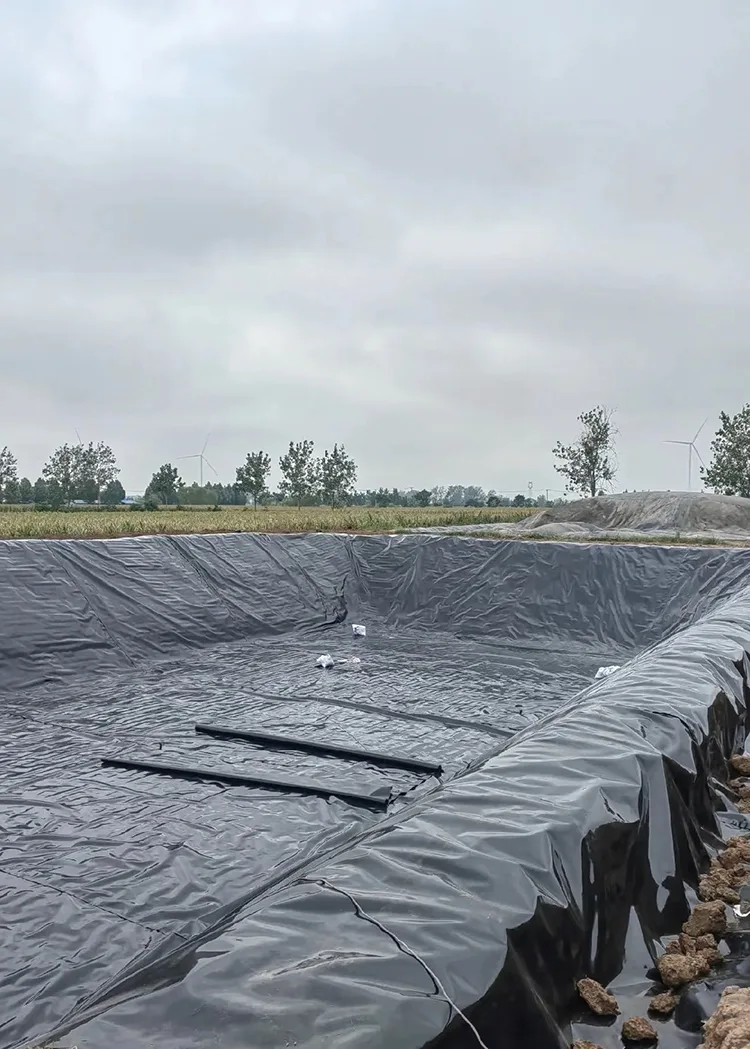
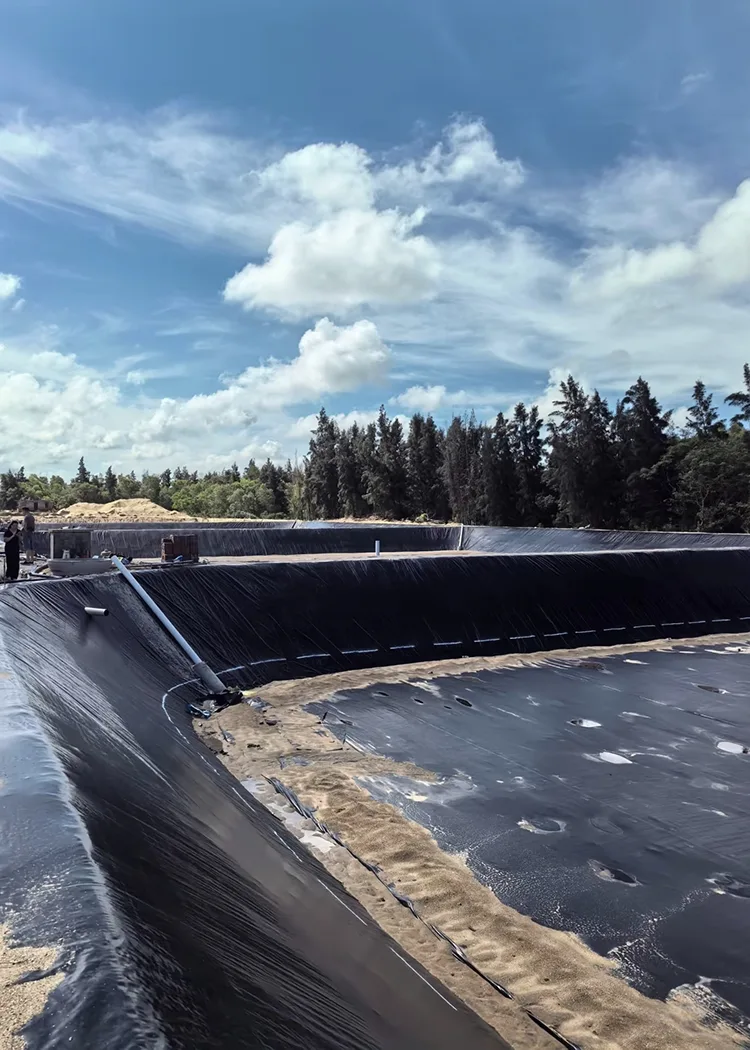
Adaptability to diverse scenarios
1. Shallow earthen ponds and rice-fish co-culture ponds (water depth ≤ 1.5m)
For sites with firm soil and no large rocks or roots, 0.5mm HDPE aquaculture liners are recommended. They offer the best cost-performance ratio, meeting daily needs for seepage prevention and weed control, and are suitable for shallow-water polyculture of crayfish, loach, and swamp eel.
2. Standard deep-water aquaculture ponds (water depth 1.5–3m)
Where water pressure is high and slopes are subject to frequent current erosion, 0.6–0.8mm HDPE liners are recommended. These resist tensile stress from water flow and slope slippage, making them suitable for high-density intensive farming of major Chinese carps and tilapia.
3. Newly excavated soft-mud ponds and elevated modular pools
For sites with significant foundation settlement or soft pond bottoms, 0.8–1.0mm LLDPE flexible liners are recommended. Their high ductility accommodates uneven settlement without cracking or leaking, making them ideal for elevated-pool farming of shrimp and crabs.
4. Large-scale, open-air pond clusters in windy areas
Where slopes are frequently battered by wind and waves, 1.0mm thickened HDPE liners should be used throughout. These should be secured with geotechnical anchoring (toe trenches) to prevent slope liner slippage or edge uplift.
Usage precautions
1. Pond bottom preparation requirements
Extensive deep excavation is unnecessary; simply clear surface-level sharp roots and rocks larger than 2cm in diameter, and level the surface to within a 5cm variance. Excessive leveling increases construction costs; for soft pond bottoms, a 5cm layer of fine sand can be laid as a protective cushion.
2. Allowance for thermal expansion and contraction on slopes
When lining pond slopes, a 5%–8% allowance for expansion and contraction must be included to accommodate shrinkage in winter cold and expansion in summer heat. Do not lay the liner taut; doing so risks tearing due to temperature-induced dimensional changes. 3. Special Requirements for Seaming/Welding
The use of adhesive glue for underwater seaming in fish ponds is strictly prohibited, as long-term immersion causes bond failure and leakage. Instead, a dual-track hot-melt welding method is mandated; the tensile strength of the weld seam must be at least 90% of the base material's strength, ensuring long-term underwater impermeability.
4. Post-Installation Maintenance Precautions
Do not use sharp tools—such as iron rakes or shovels—to scrape the membrane surface. There is no need to break the ice when the pond freezes in winter; the membrane can withstand the pressure of the ice layer, whereas manual ice-breaking poses a high risk of scratching the material.
Factory Advantages
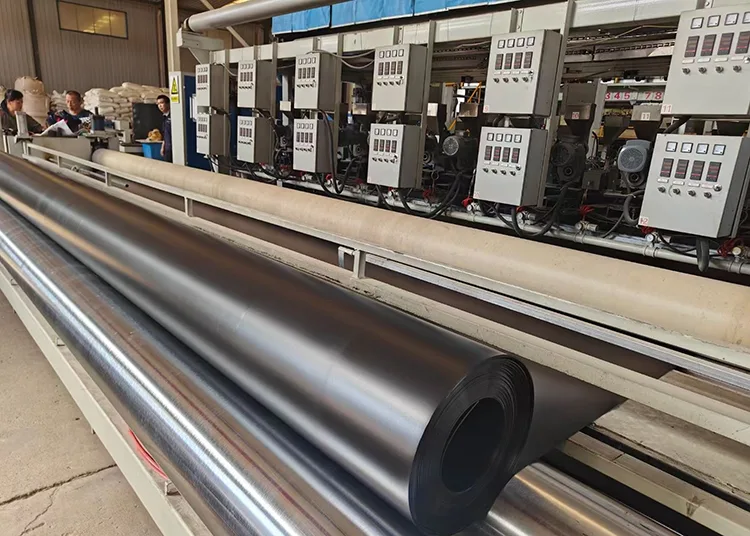
1. Tongfu operates two dedicated extrusion lines for HDPE and LLDPE aquaculture geomembranes. We do not engage in OEM/private-label manufacturing for others and use only virgin polyethylene resin from Sinopec. Raw materials undergo batch-by-batch verification of melt index and carbon black content upon arrival. We maintain a dedicated dust-free workshop for aquaculture membranes to prevent dust adhesion during production—which could otherwise foster microbial growth underwater—thereby avoiding common issues found in recycled-material membranes, such as leakage and the leaching of harmful substances.
2. We adhere to the comprehensive testing standards of GB/T 17643-2011, implementing a three-tier quality control system: raw material spot checks, real-time online thickness monitoring, and third-party testing of finished products. Each roll comes with factory test reports covering dimensions, tensile strength, impermeability, and aquatic toxicity. These documents satisfy requirements for environmental impact assessments (EIA), government project acceptance, and customs clearance for exports, while also bolstering trust for independent online store customers.
3. Manufacturer's Written Warranty: We offer a 10-year warranty for standard fish pond conditions and an 8-year warranty for deep-water ponds exposed to wind and waves. In the event of natural aging or weld seam splitting—excluding damage caused by sharp objects or external force—we provide free repair materials and technical guidance, distinguishing ourselves from suppliers who merely sell materials without offering after-sales support.
FAQ
1. Will the aquaculture geomembrane release toxins that harm fish or shrimp?
Tongfu Aquaculture Geomembrane Liners are made from virgin, aquaculture-grade resin. They contain no recycled plastics or industrial plasticizers and have passed safety tests regarding water quality for fisheries. No heavy metals or plasticizers leach into the water—whether fresh, nutrient-rich, or treated—and over 10,000 fish ponds across the country have used the product for more than five years without reports of fish or shrimp toxicity; it meets standards for pollution-free aquaculture.
2. How do I quickly distinguish between and choose HDPE and LLDPE aquaculture liners?
Choose HDPE for hard, rocky, or weed-prone substrates, as it offers superior puncture resistance. Choose LLDPE for soft silt, foundations prone to settling, or elevated modular pools, as it offers better elongation and flexibility. At the same thickness, HDPE is more cost-effective, while LLDPE is more flexible.
3. Will black aquaculture liners cause the water temperature at the pond bottom to become too high?
Black liners absorb sunlight at the surface and block the underlying soil from absorbing heat, actually lowering the temperature of the bottom water. In summer, this effectively prevents bottom water temperatures from becoming excessive and inhibits anaerobic bacteria blooms, making it more suitable for freshwater aquaculture than transparent liners.
4. Is periodic bottom cleaning still required after installing the liner?
Yes, but the frequency is significantly reduced. The liner merely separates the water from the soil; fish/shrimp waste and leftover feed will still accumulate on the bottom. Draining and desilting once a year is recommended—cutting the maintenance workload in half compared to the 2–3 cleanings per year required for earthen ponds.
5. Will the liner become brittle or crack in the sub-zero temperatures of northern fish ponds?
The product is cold-resistant down to -40°C; it retains its flexibility and will not crack or become brittle even when ponds freeze or the ground turns to permafrost in northern winters. Damage occurs only upon impact from sharp, hard objects; normal pressure from frozen soil causes no issues.
6. Is custom cutting available for irregular pond corners and edges?
Yes. Factory cutting and hole-punching can be performed in advance based on the pond's curved corners and the locations of water inlets and outlets. Specialized leak-proof fittings are provided for these openings, eliminating the need for on-site cutting and reducing the risk of leaks.
Hot Tags: Aquaculture Geomembrane Liner, China, Manufacturer, Supplier, Factory
Send Inquiry
Contact Info
-
Address
Lingcheng District, Dezhou City, Shandong Province, China
-
Tel
-
E-mail
Welcome global engineering companies, agricultural planting bases and foreign trade distributors to send product consultation, customized processing and wholesale cooperation inquiries. We provide accurate quotation, free technical guidance, customized specification service and efficient after-sales support for Weed Barrier Fabric, Geomembrane Liner and Concrete Blanket Mat.