Biogas Digester Geomembrane
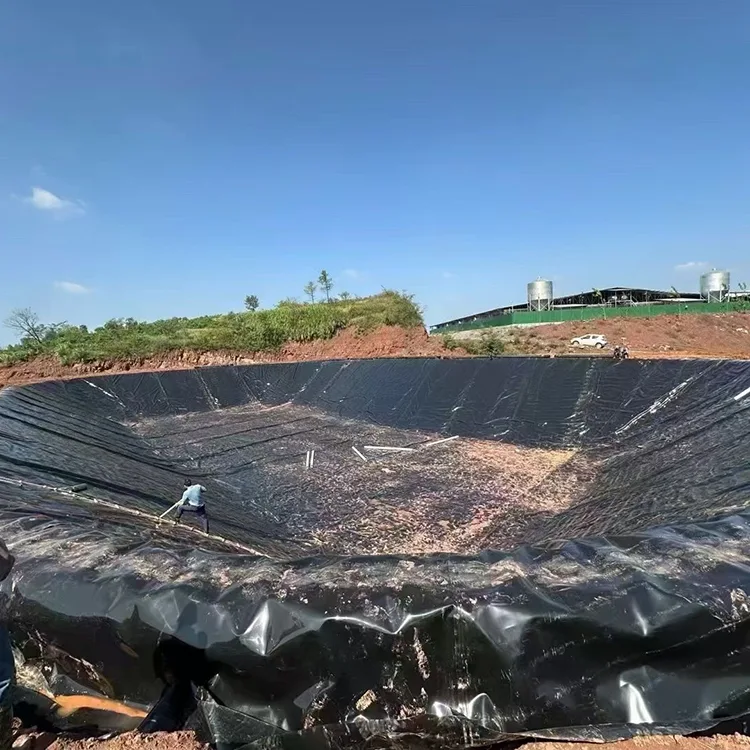
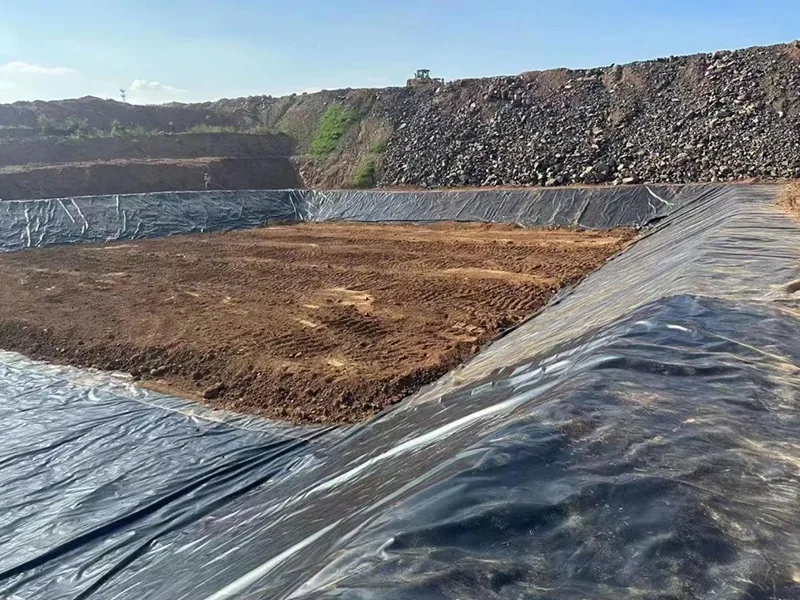
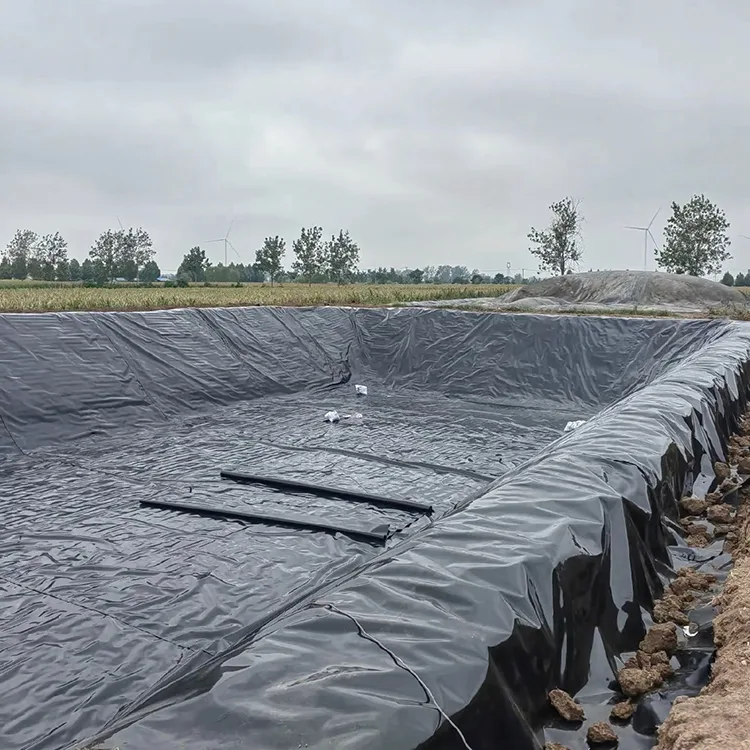
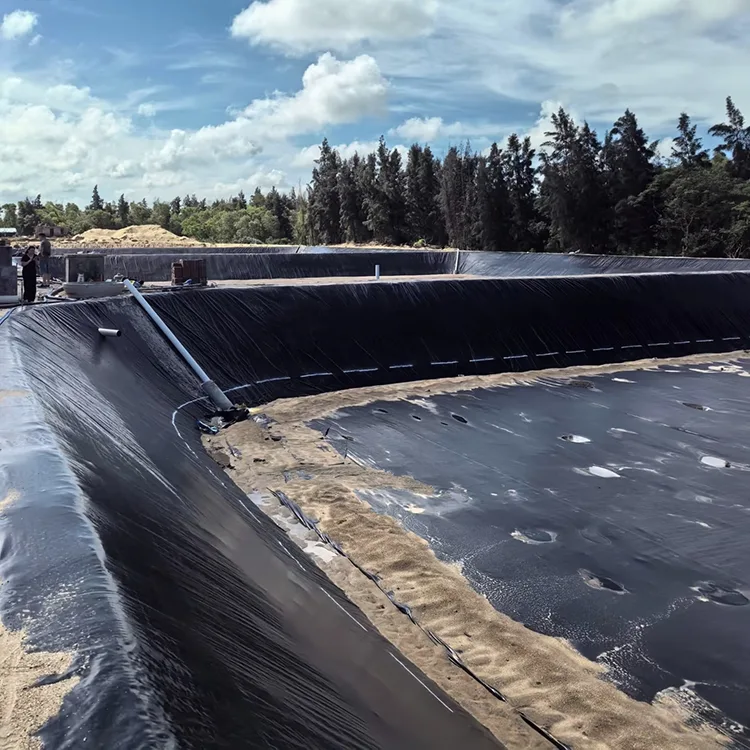
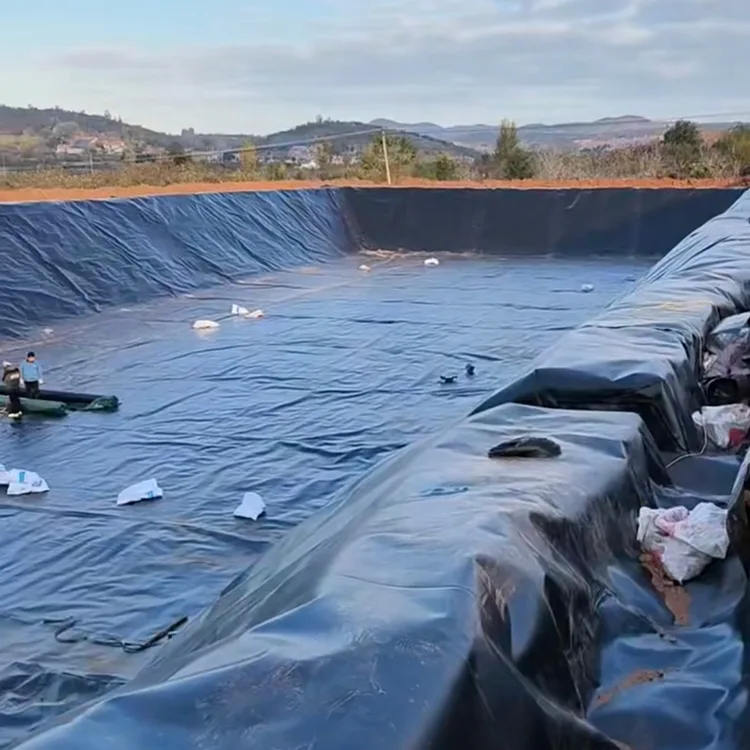
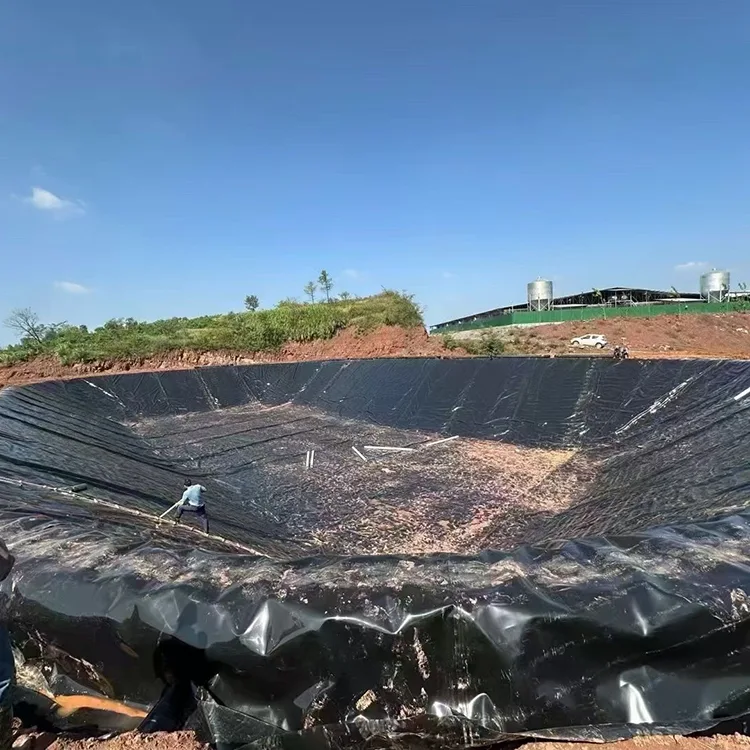
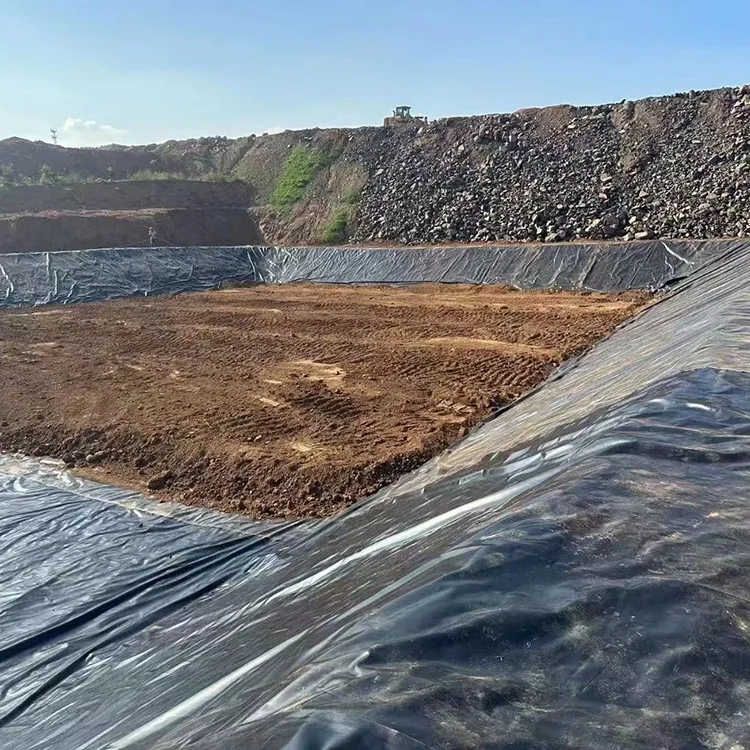
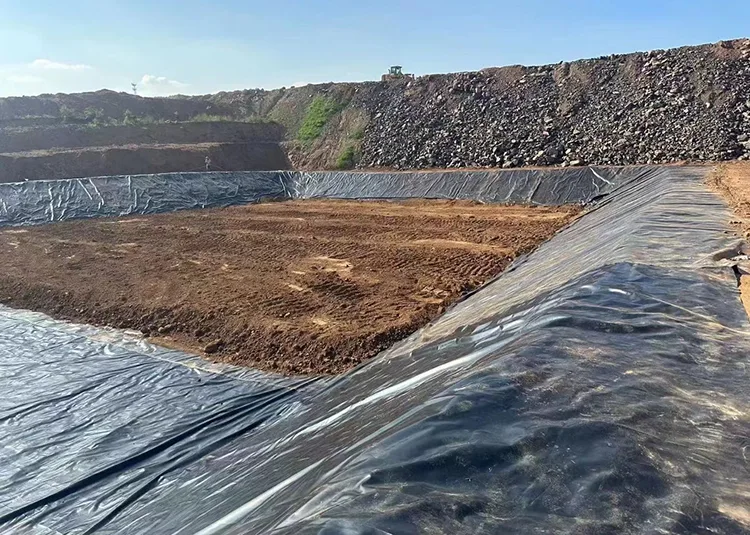
Tongfu is a professional manufacturer and supplier of biogas digester geomembranes in China. Our factory supports bulk project procurement, wide-format cutting, and on-site custom sizing. We utilize a three-layer co-extrusion process with virgin HDPE to specifically resist corrosion from hydrogen sulfide found in biogas. The material serves the dual functions of bottom-layer seepage prevention and top-layer gas storage, making it ideal for fully enclosed anaerobic fermentation projects involving livestock and poultry manure.
Most standard black HDPE films on the market only meet basic seepage prevention requirements and cannot withstand the unique internal conditions of biogas digesters. Anaerobic manure fermentation continuously generates hydrogen sulfide and volatile organic acids—substances that are far more corrosive than standard livestock wastewater. Furthermore, biogas digesters require long-term airtightness and pressure retention; standard films are prone to gas leaks at weld seams and stress cracking in the membrane body.
Unlike geomembranes used for fish ponds or general wastewater lagoons, our biogas digester geomembrane features a three-layer co-extruded structure with dual-layer stabilization. By optimizing the ratio of carbon black to sulfur-resistance additives, we meet the three specific needs of biogas systems: seepage prevention, airtight gas storage, and heat absorption/retention in cold weather. This solves common issues such as low biogas yield, odor leakage, tank seepage, and winter production stoppages.
Analysis of Raw Materials and Three-Layer Co-Extrusion Process
1. Standards for Virgin Raw Materials
Our biogas digester geomembranes are made entirely from brand-new, food-grade virgin HDPE granules with a stable density of ≥0.94 g/cm³. We use zero recycled materials and zero industrial fillers. Membranes made from recycled materials contain microscopic pores that can lead to hidden leaks during prolonged contact with manure; furthermore, hydrogen sulfide penetration causes rapid aging and powdering. By using only virgin materials, we eliminate the risk of future gas or liquid leaks at the source.
2. Targeted Formulation of Specialized Additives
Unlike standard geomembranes, ours include added hydrogen sulfide resistance stabilizers, combined with 2.0%–3.0% conductive carbon black, primary and secondary antioxidants, and stabilizers for high/low temperatures and UV/thermal exposure. The carbon black is evenly dispersed throughout the three layers rather than merely sprayed on the surface; this prevents the carbon black from sloughing off during prolonged immersion in manure, ensuring the material retains its UV resistance and heat-absorbing capabilities.
3. Three-layer co-extrusion blow molding logic
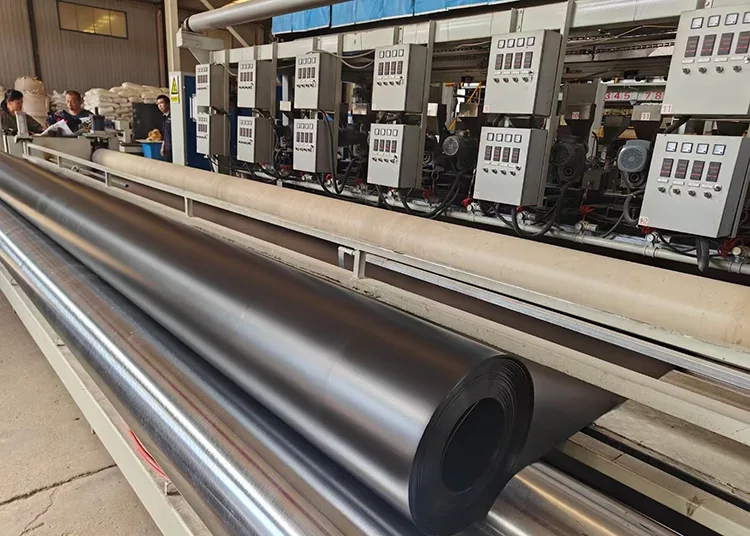
Utilizes a simultaneous, integrated blow-molding process for top, middle, and bottom layers; the molecular structures fuse seamlessly without delamination gaps, resulting in a 57% increase in interlayer peel strength compared to single-layer blown films. Designed to withstand the dual stresses of prolonged immersion in manure slurry and internal biogas pressure, the material resists interlayer peeling and localized bulging, making it suitable for use as a load-bearing gas-storage top cover. Features solid black coloration throughout (not merely surface-dyed), ensuring resistance to discoloration caused by acidic or alkaline manure waste.
Differentiated application scenarios tailored for biogas digesters
Moving beyond generic wastewater impermeability classifications, specific application scenarios are defined based on the degree of fermentation airtightness, allowing the Biogas Digester Geomembrane to meet various environmental compliance requirements:
1. Fully sealed gas-storage scenarios
Closed anaerobic ponds and standard black-membrane biogas digesters at large-scale livestock farms (pigs, cattle, sheep). The membrane serves as both the bottom impermeable liner and the top gas-storage cover; strict control of gas permeability is required to prevent biogas leakage, supporting biogas purification and grid-connected power generation projects.
2. Semi-open impermeable scenarios
Livestock wastewater equalization tanks, oxidation ponds, and sedimentation tanks. These do not require biogas collection but must prevent the seepage of manure wastewater and control the uncontrolled spread of odors; commonly used for environmental upgrades at small-scale, individual farms.
3. Agricultural and forestry organic waste fermentation scenarios
Anaerobic fermentation ponds for crop stalks, food waste, and agricultural processing wastewater. These involve high organic content and rapid acidification, requiring the membrane to resist organic acid corrosion to prevent premature perforation or leakage.
4. Centralized rural sewage treatment scenarios
Anaerobic treatment ponds serving clusters of individual rural households. These require low-temperature tolerance and outdoor aging resistance, making them suitable for open-air field conditions in northern regions without insulation shelters.
Dual-level practical functional capabilities
1. Bottom-layer containment and soil/water protection
Utilizes an ultra-low permeability coefficient to block the seepage of manure and high-nitrogen/phosphorus wastewater, preventing nitrate-nitrogen contamination of groundwater and soil salinization, thereby avoiding penalties during environmental inspections; simultaneously acts as a barrier against sharp stones in the soil to prevent puncture damage to the foundation. 2. Sealed Gas Production and Odor Control
The sealed membrane surface blocks external oxygen, maintaining a strictly anaerobic environment for the microbial community and ensuring the activity of methanogens. Its fully enclosed structure prevents the escape of ammonia and hydrogen sulfide odors, meeting site-specific odor control requirements.
3. Passive Thermal Insulation
The black membrane material boasts a short-wave solar absorption rate of up to 92%. During winter days, it absorbs surface heat and transfers it to the water within the tank, raising the fermentation temperature by 3–5°C. This solves issues common in northern winters, such as low water temperatures, microbial dormancy, and stalled gas production.
4. Long-term Corrosion Resistance
It withstands long-term exposure to the organic acids and high concentrations of hydrogen sulfide produced during manure decomposition. While standard wastewater membranes can become brittle and crack due to hydrogen sulfide corrosion within three years, this biogas digester geomembrane offers stable resistance to such media, making it suitable for long-term anaerobic immersion exceeding 20 years.
Key Performance Indicators
|
Performance Parameter |
Technical Standard |
|
Conventional Thickness |
1.0/1.2/1.5/2.0mm |
|
Raw Material Density |
≥0.94g/cm³ |
|
Tensile Strength |
≥25MPa |
|
Elongation at Break |
≥700% |
|
Tear Strength |
≥80kN/m |
|
Water Permeability Coefficient |
≤1.0×10⁻¹³ cm/s |
|
Carbon Black Content |
2.0%-3.0% |
|
ESCR Resistance |
≥1500h |
|
Operating Temperature Range |
-70℃ ~ +80℃ |
|
Outdoor Service Life |
15-30 years |
What are the advantages over concrete tanks?
1. Cost and Construction Schedule Advantages
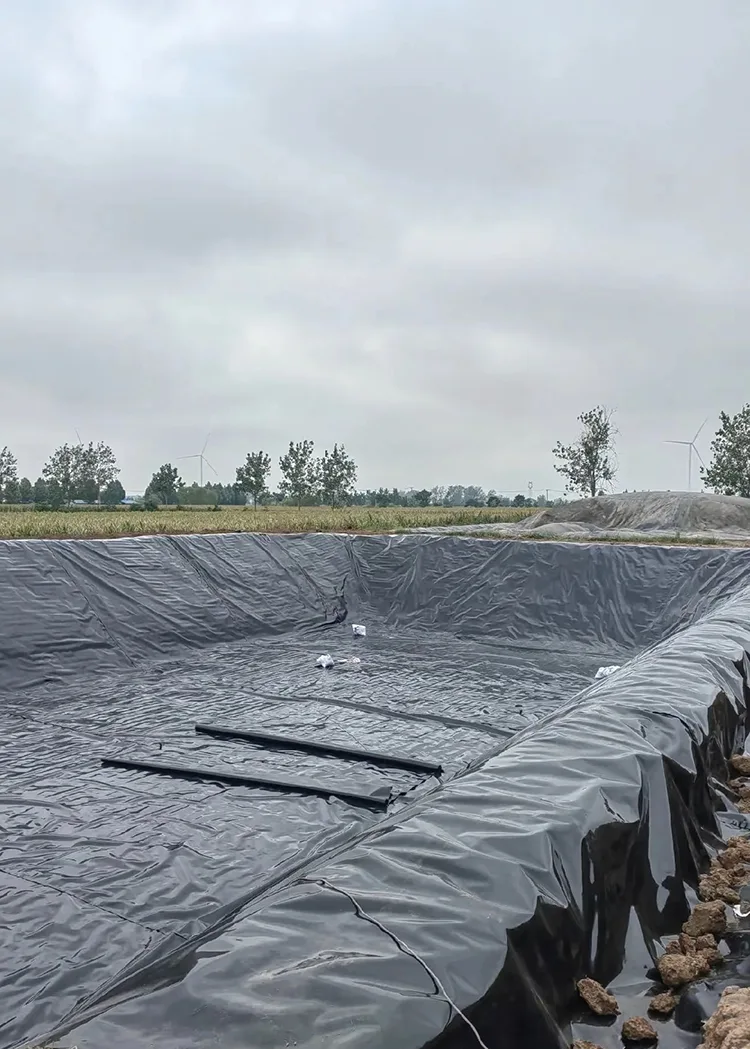
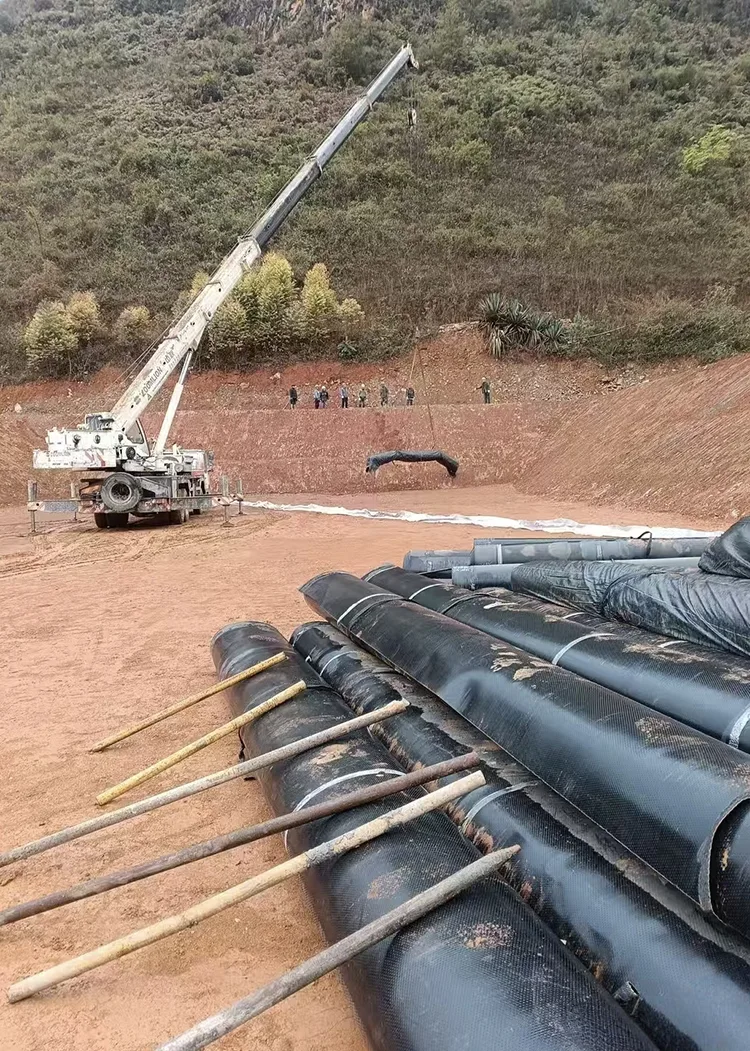
On-site work is limited to base leveling and membrane welding/installation, eliminating the need for rebar, formwork, and concrete curing processes. The overall cost is more than 50% lower than that of traditional concrete biogas tanks. Concrete tanks require a 28-day curing period, whereas the construction cycle for a membrane-based biogas tank is only three days per mu (approx. 667 m²), making it ideal for meeting the tight deadlines often required for environmental rectification projects.
2. Adaptability to Ground Deformation
With an elongation at break exceeding national standards, the material adapts to frost heave in northern frozen soils and uneven settlement in southern soft soils, avoiding the cracking and leakage issues common in concrete tanks. The membrane can autonomously rebound after localized deformation, eliminating the need for extensive repairs.
3. Maintenance and Repair Advantages
Membrane seams can be repaired locally using a hot-air welder without emptying the tank's contents; in contrast, repairing cracks in concrete tanks is difficult and costly. Additionally, the smooth surface of Biogas Digester Geomembrane prevents the adhesion of manure residue, simplifying tank cleaning and maintenance.
4. Advantage of Stable Gas Production Throughout the Lifecycle
Concrete tank walls conduct heat rapidly, leading to quick heat loss in winter and a gas production decline of over 60%. In contrast, HDPE geomembranes feature low thermal conductivity and, combined with their black heat-absorbing properties, minimize seasonal temperature fluctuations, resulting in a 35% improvement in year-round gas production stability.
Applicable Project Types
Large-scale black-membrane biogas projects
Livestock manure resource utilization projects
Rural revitalization environmental governance projects
Livestock and poultry pollution control and remediation projects
Large-scale anaerobic fermentation and wastewater treatment anti-seepage projects
About Tongfu
1. Dedicated Production Line with Specialized Biogas Membrane Formulas
We do not share production lines with wastewater or fishpond liners; instead, we use a proprietary formula with hydrogen sulfide (H2S) resistance additives. Every batch undergoes H2S immersion aging tests before leaving the factory, ensuring that generic membranes are never passed off as specialized biogas membranes.
2. Wide-Width Stock Reduces Gas Leakage Risks
We maintain a ready stock of 6m and 8m wide rolls to minimize the number of seams on the top gas-storage membrane. Since seams are the most common points of biogas leakage, using wide-width membranes reduces the number of seams by 60%, thereby lowering the probability of leakage during construction.
3. Specialized Technical Guidance for Agricultural Projects
Unlike standard geotechnical construction guidance, we provide free, specialized support for biogas tank top membrane anchoring, wind-resistant edge sealing at the slope crest, and airtightness testing of seams. This addresses issues unique to biogas projects, such as gas leakage and the risk of the membrane being blown off by strong winds.
4. Comprehensive Documentation for Agricultural Project Acceptance
We provide national standard test reports for geomembranes and third-party test reports on hydrogen sulfide resistance, facilitating the acceptance of agricultural environmental projects and the verification of documents for government subsidies.
Hot Tags: Biogas Digester Geomembrane, China, Manufacturer, Supplier, Factory
Send Inquiry
Contact Info
-
Address
Lingcheng District, Dezhou City, Shandong Province, China
-
Tel
-
E-mail
Welcome global engineering companies, agricultural planting bases and foreign trade distributors to send product consultation, customized processing and wholesale cooperation inquiries. We provide accurate quotation, free technical guidance, customized specification service and efficient after-sales support for Weed Barrier Fabric, Geomembrane Liner and Concrete Blanket Mat.